Can You Take a Hot Bath While Pregnant? What Every Expecting Mom Should Know
A warm soak can feel like the best part of a long day — but when you’re expecting, water temperature actually matters. Here’s exactly how hot is too hot, what the research says, and how to bathe safely through every trimester.
The Quick Answer
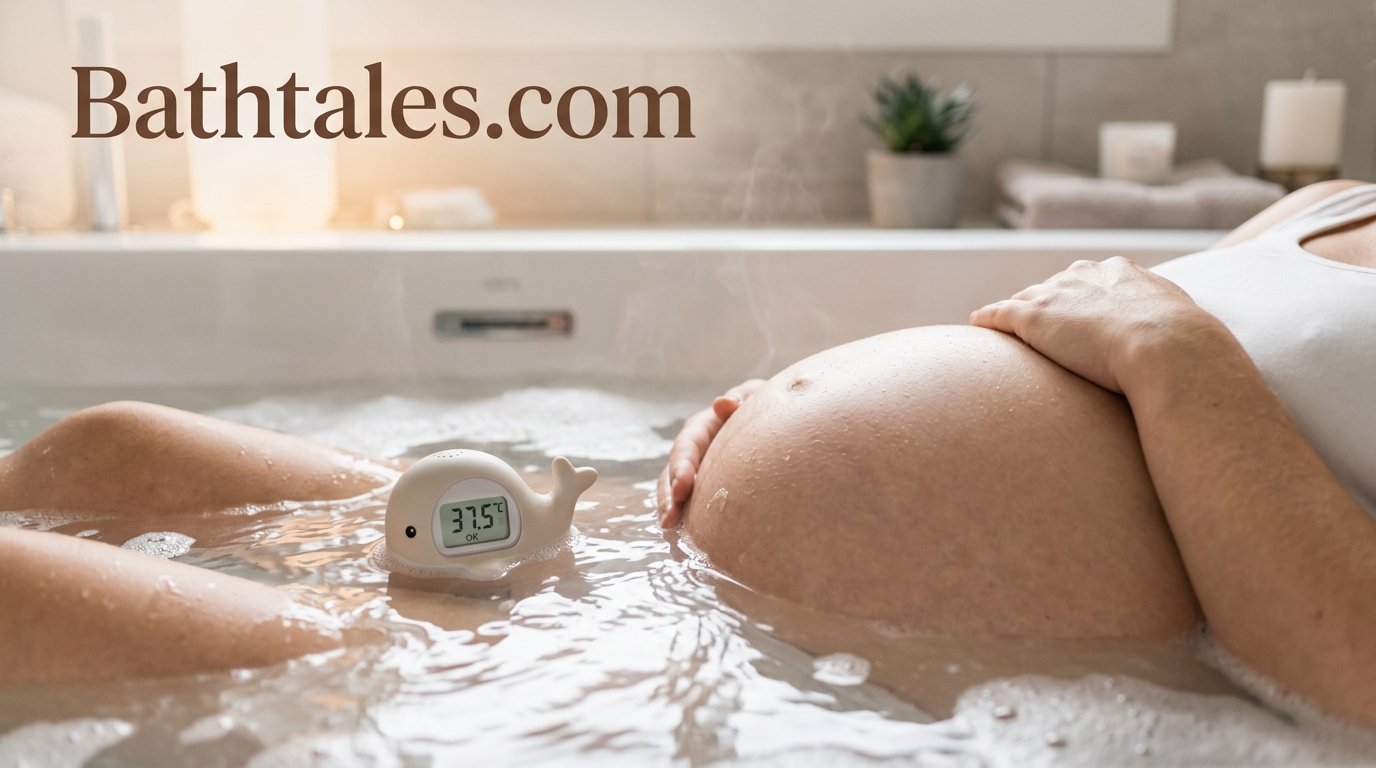
Yes, you can take a bath while pregnant — but it needs to be warm, not hot. The concern isn’t bathing itself; it’s raising your core body temperature too high for too long. Most obstetricians and midwives agree that keeping bathwater around 98–100°F (37–38°C), roughly body temperature or slightly above, and limiting soak time to 10–15 minutes, keeps the activity comfortably within the safe zone for nearly every stage of pregnancy.
Where things get risky is water that’s noticeably hotter than a warm shower — the kind that fogs the mirror, turns skin pink within a minute, or feels like a hot tub. That level of heat, sustained for more than a few minutes, can push your internal temperature above 102.2°F (39°C), which is the threshold researchers associate with potential harm, especially in the first trimester.
If you’re someone who’s used a bath as a nightly wind-down ritual, the good news is you almost certainly don’t have to give it up. You just need to adjust the temperature dial and keep an eye on the clock. The rest of this guide walks through exactly why that matters, how it changes across trimesters, and how to keep your bath routine — including bath salts, oils, and other favorite additions — both safe and genuinely relaxing.
Why Water Temperature Matters More Than You’d Think
Your body is remarkably good at regulating its own temperature — until pregnancy changes the equation. During pregnancy, your blood volume increases substantially, your metabolic rate rises, and your baby depends entirely on you to manage heat exchange for both of you. A developing baby can’t sweat, shiver, or otherwise cool itself down. It relies on your circulatory system to carry heat away, which means if your core temperature climbs too high, your baby’s temperature climbs right along with it, often trailing slightly higher than yours.
This is the central reason hot water is treated differently in pregnancy guidance than it would be for someone who isn’t expecting. It’s not that heat itself is inherently dangerous — it’s that a fetus has essentially no independent way to shed excess heat. Sustained maternal hyperthermia, meaning an elevated core body temperature held over time, is the mechanism researchers point to when studying outcomes linked to things like hot tub use, fever, and prolonged sauna sessions during early pregnancy.
Compounding this, pregnancy hormones — particularly progesterone — relax blood vessel walls and can affect how efficiently your body dissipates heat through the skin. Many pregnant women also report feeling warmer than usual generally, a side effect of that increased metabolic and circulatory activity. All of this means the same bathwater temperature that felt perfectly comfortable before pregnancy might heat your body up faster and hold that heat longer than it used to.
None of this means a warm bath is off the table. A bath at or slightly above body temperature doesn’t meaningfully raise your core temperature the way a hot tub or sauna can, because your body can still dissipate that heat through the exposed skin above the waterline, through breathing, and simply because the water isn’t hot enough to overwhelm your natural cooling systems. The distinction that matters is between “warm and soothing” and “hot enough to visibly flush your skin within a minute or two.”
What Actually Counts as “Too Hot”?
“Hot” is subjective enough that it’s worth putting numbers to it. Most clinical guidance references core body temperature, not water temperature directly, because it’s your internal temperature that matters for your baby. The commonly cited threshold is that maternal core temperature shouldn’t exceed roughly 102.2°F (39°C) for any sustained period, and ideally should stay well below that.
| Water Temperature | Typical Feel | Pregnancy Guidance |
|---|---|---|
| 90–97°F (32–36°C) | Cool to mildly warm | Safe for any duration |
| 98–100°F (37–38°C) | Warm, body-temperature | Generally safe; ideal bath range |
| 101–104°F (38–40°C) | Hot; skin flushes quickly | Limit to under 10 minutes; avoid in first trimester |
| 104°F+ (40°C+) | Very hot; hot-tub range | Avoid — associated with core temperature spikes |
A useful rule of thumb that doesn’t require a thermometer: if the water is hot enough that your skin turns visibly red within a couple of minutes, or if you start sweating while sitting in it, it’s too hot for a pregnancy soak. A warm bath should feel comforting and relaxing, not intense. If you find yourself needing to run cold water partway through to cool it down, that’s a good sign the starting temperature was on the high side.
It’s also worth noting that “hot” isn’t only about the number on a thermometer — it’s about how long you’re exposed to it. A quick 2-minute dip in slightly warmer water is a very different exposure than sitting in the same water for 30 minutes while it stays hot around you. Duration and temperature work together, which is why the guidelines below address both.
The Real Risks of Hot Baths During Pregnancy
The research on maternal hyperthermia and pregnancy outcomes is most robust for prolonged, high-heat exposures — think hot tubs, saunas, and high fevers — rather than a quick warm bath. Still, understanding what’s being studied helps explain why the temperature guidance exists in the first place.
Neural Tube Development in Early Pregnancy
The first trimester, particularly the first several weeks when the neural tube is forming, is considered the most sensitive window for heat exposure. Some studies have observed an association between sustained elevated maternal temperature during this period and a modestly increased risk of neural tube defects. This is one of the main reasons hot tubs and saunas are typically discouraged outright in early pregnancy, and why a quick, warm — not hot — bath is the safer substitute.
Dehydration and Blood Pressure Changes
Hot water causes blood vessels near the skin’s surface to dilate, which can lower blood pressure temporarily. Combine that with the blood volume changes already happening in pregnancy, and sitting in hot water for an extended period can increase the chance of feeling dizzy or lightheaded when you stand up — a bigger concern later in pregnancy when balance is already affected by a shifting center of gravity.
Overheating and General Discomfort
Even outside of the specific developmental concerns tied to early pregnancy, simply feeling overheated isn’t good for anyone who’s pregnant. Overheating can contribute to nausea, headaches, and general malaise, and in later pregnancy it can also trigger uterine irritability or a feeling of increased Braxton Hicks contractions in some women, even though this isn’t typically dangerous on its own.
Trimester-by-Trimester Bathing Guidance
Pregnancy isn’t a single static state, and your relationship with heat sensitivity shifts as it progresses. Here’s how the guidance generally breaks down.
First Trimester
This is the window where caution matters most. Neural tube closure happens early, often before many people even know they’re pregnant, which is one reason general “avoid overheating” advice is often given broadly to anyone who is pregnant or trying to conceive. Stick firmly to warm — not hot — water, keep soaks under 10 minutes, and skip hot tubs and saunas entirely during this stage.
Second Trimester
Many women find the second trimester the most comfortable overall, and bath routines often become a genuine source of relief for the aches that start showing up as the belly grows. The same warm-water guidance still applies, but this is often when a relaxing bath becomes a nightly ritual worth protecting — just keep the thermometer nearby and continue to avoid true hot-tub temperatures.
Third Trimester
Later in pregnancy, balance becomes more of a practical concern than temperature alone. Getting in and out of a tub with a full-term belly and shifted center of gravity carries a real fall risk, especially if lightheadedness from warm water is added to the mix. A non-slip mat, a sturdy grab bar, and moving slowly when standing up matter just as much here as water temperature does. Warm baths remain fine; just build in extra time and support for the transitions in and out.
Safe Bathing Guidelines: Temperature, Duration & Setup
- Aim for 98–100°F (37–38°C). This is close to body temperature and provides a warm, soothing soak without meaningfully raising your core temperature.
- Cap soaks at 10–15 minutes. Shorter exposure limits any cumulative heat effect, even at a moderate temperature.
- Use a floating bath thermometer. “It feels fine to me” isn’t always a reliable gauge once pregnancy changes your temperature perception.
- Keep the room ventilated. A stuffy, steam-filled bathroom adds to the overall heat load on your body beyond just the water itself.
- Stay hydrated before and after. Warm water plus dehydration is a combination that makes dizziness more likely.
- Sit rather than lie flat for long periods in later pregnancy, and avoid fully submerging your belly under very warm water for extended stretches.
- Rise slowly. Sit at the edge of the tub for a moment before standing fully to let your blood pressure adjust.
| Guideline | Recommended | Avoid |
|---|---|---|
| Water temperature | 98–100°F | 104°F and above |
| Soak duration | 10–15 minutes | 30+ minutes at high heat |
| Room ventilation | Cracked window / fan / exhaust on | Fully sealed, steam-heavy bathroom |
| Getting up | Slow, supported transition | Standing up quickly |
Warning Signs: Get Out of the Bath Immediately
Most warm baths during pregnancy are completely uneventful, but it’s worth knowing what overheating actually feels like so you can respond quickly if it happens. Get out and cool down if you notice any of the following:
Stop and get out if you feel:
- Lightheaded, dizzy, or faint
- Nauseated or unusually flushed
- Your heart racing more than expected
- Unusually short of breath
- Sudden, intense sweating in the water
- Any contractions or unusual cramping
After getting out:
- Sit or lie down in a cooler room
- Sip water slowly
- Use a cool, damp cloth on your neck and wrists
- Rest until symptoms fully resolve
- Call your provider if symptoms persist or return
These symptoms are your body signaling that it’s working harder than it should to manage heat, and they’re worth taking seriously rather than pushing through. Persistent dizziness, a racing heart that doesn’t settle, or any contractions after a warm bath are good reasons to call your midwife or OB, even if you suspect it’s nothing.
Baths vs. Hot Tubs, Jacuzzis & Saunas: What’s the Real Difference?
Not all warm water experiences carry the same risk profile, and it’s worth being clear about why a bath is treated so differently from a hot tub in pregnancy guidance, since people often lump them together.
| Heat Source | Typical Temp | Pregnancy Guidance | Why |
|---|---|---|---|
| Home bath | 98–100°F | Generally fine | Body-temperature water, easy to control and monitor |
| Hot shower | 100–105°F | Fine — brief, low immersion | Water isn’t holding you at temperature; heat disperses quickly |
| Hot tub / jacuzzi | 102–104°F+ | Avoid, especially first trimester | Sustained high heat with jets increasing skin absorption |
| Sauna / steam room | 150°F+ air temp | Avoid | Rapid, significant core temperature rise |
The takeaway is that immersion time and temperature together determine risk far more than the general category of “getting into warm water.” A bath you control yourself, with a thermometer and a clock, is inherently easier to keep in the safe zone than a public hot tub set well above body temperature and typically used for 20 minutes or more at a stretch.
The Real Benefits of a Warm (Not Hot) Bath in Pregnancy
None of this caution means bathing should feel like a chore to survive rather than enjoy. Done at the right temperature, a bath remains one of the more genuinely useful tools available for pregnancy discomfort.
Benefits
- Eases lower back and hip ache from shifting posture
- Reduces swelling sensation in feet and ankles when reclined slightly
- Calms the nervous system before bed, supporting sleep
- Provides a moment of weightlessness that takes pressure off joints
- Can ease round ligament discomfort for some women
Limitations
- Won’t resolve underlying pregnancy complications
- Benefits are temporary, not a substitute for medical care
- Not a safe substitute for prescribed treatments for conditions like preeclampsia
If you’ve been enjoying a bath as part of your evening routine, adjusting the temperature slightly rather than cutting the habit entirely is usually the more sustainable approach — and it keeps the parts that genuinely help, like the muscle relaxation and mental wind-down, fully intact.
Bath Salts, Oils & Bombs: What’s Safe to Add?
Water temperature is the headline concern, but what you add to the bath is worth a quick look too. Most standard bath salts, including Himalayan pink salt and Epsom-style products, are considered fine for topical use in a warm bath during pregnancy, since absorption through skin is limited. That said, it’s worth understanding how much bath salt to use so you’re not oversaturating the water, and checking whether your bath salts have expired before tossing in an old bag from the back of the cabinet.
If you’re specifically shopping with pregnancy in mind, a dedicated guide to the best bath salts for pregnancy is worth a look, since it filters out fragrance-heavy or essential-oil-dense blends that some women prefer to avoid. Essential oils deserve their own caution — certain oils are generally discouraged during pregnancy, so browsing a guide to which essential oils pair safely with bath salts is a smart step before adding anything scented.
For those debating between formats, it’s also worth understanding the practical differences in a bath bomb vs. bath salt comparison, since bath bombs can contain a wider mix of fragrance oils and dyes that are harder to fully vet. If skin sensitivity has increased during pregnancy, which is common, a rundown of the best bath salts for sensitive skin can help you avoid irritation on top of everything else your skin is adjusting to.
How to Take a Safe, Relaxing Bath While Pregnant
- Run the water to 98–100°F, checking with a floating thermometer rather than guessing by feel.
- Fill to a comfortable level that covers your legs and hips without requiring you to submerge your entire belly for long stretches.
- Ventilate the bathroom — crack a window, run the exhaust fan, or leave the door slightly open to prevent steam buildup.
- Set a timer for 10–15 minutes so you’re not tempted to lose track of time and linger too long.
- Add your chosen bath salts or a pregnancy-safe soak once the water is at temperature, stirring gently to dissolve.
- Sit rather than recline fully if you’re further along, keeping your head and chest above water level.
- Check in with yourself periodically — if you start feeling warm, flushed, or lightheaded, that’s your cue to finish early.
- Rise slowly, using a grab bar or the tub edge, and sit for a moment before standing fully.
- Pat dry and rehydrate with a glass of water, especially if the bath left you feeling warm.
For a broader refresher on bathing fundamentals beyond the pregnancy-specific adjustments, this general guide to how to take a bath covers the basics, while a look at how to make a bath more comfortable offers ideas for pillows, temperature maintenance, and setup that apply just as well during pregnancy.
Alternatives If You’d Rather Skip the Tub Altogether
Some women choose to avoid baths entirely during pregnancy, whether out of extra caution, limited mobility, or simply personal preference — and that’s a completely reasonable choice. A warm — not hot — shower delivers many of the same relaxing effects without the immersion time or the challenge of getting in and out of a tub. Comparing the two more directly, a bath vs. shower breakdown can help you decide which fits your routine and comfort level better at this stage.
If muscle soreness or swelling is the main reason you’re drawn to a bath, a foot soak in a smaller basin uses far less water and heat exposure while still targeting the areas that tend to ache most in later pregnancy. Gentle massage, a warm compress on the lower back, or a short prenatal yoga session can also address some of the same tension a bath helps release, without any temperature considerations at all.
For anyone managing specific postpartum-adjacent needs like hemorrhoids or perineal discomfort later on, it’s worth knowing the difference covered in this sitz bath 101 guide and how a sitz bath compares to a regular bath, since sitz baths use much shallower, cooler water and a completely different setup.
Frequently Asked Questions
Is a warm bath safe in the first trimester?
Yes, as long as the water stays around body temperature (98–100°F) and soaks are kept under 10–15 minutes. Hot tubs and saunas are the ones typically discouraged during this stage, not a properly temperature-checked bath.
What bath water temperature is considered dangerous during pregnancy?
Water at or above 104°F (40°C), especially when sat in for more than 10 minutes, is generally the point where guidance shifts from “caution” to “avoid,” since that range is more likely to raise core body temperature significantly.
Can a hot bath cause a miscarriage?
A single warm bath at a reasonable temperature has not been shown to cause miscarriage. The concern in research is specifically about sustained, significant increases in core body temperature — the kind associated with hot tubs, saunas, or high fevers — rather than routine bathing.
Can I use bath bombs while pregnant?
Most bath bombs are fine in moderation, though it’s worth checking ingredient lists for heavily concentrated essential oils or fragrances if you have sensitive skin. A quick look at a bath bomb vs. bath salt comparison can help you choose the gentler option.
How long can I safely soak in a warm bath while pregnant?
Most guidance suggests capping soaks at 10–15 minutes at a body-temperature range, which limits any cumulative heat exposure while still giving you a genuinely relaxing soak.
Is it safe to take a bath during my period while pregnant complications aside — just generally?
Bathing during your period is generally considered safe outside of pregnancy too; if that’s a separate question you’re weighing, this guide on bathing during your period covers it in detail.
Can I take a bath right before labor or while in early labor at home?
Many providers are comfortable with a warm bath during early labor to help with relaxation, but this should always be confirmed directly with your midwife or OB based on your specific situation, especially once contractions are established.
Are infrared or heated soaking tubs safe during pregnancy?
These tend to involve higher sustained heat than a standard bath and are generally approached with the same caution as hot tubs. See this comparison of an infrared bath vs. a regular bath for more on how they differ.
Does a warm bath help with pregnancy insomnia?
Many women find that a warm bath in the evening supports better sleep by easing physical tension and triggering the natural temperature drop that follows getting out of warm water, which can help signal to the body that it’s time to wind down.
Can I add milk or oils to a bath while pregnant?
Simple additions like milk are generally considered gentle and low-risk; if you’re curious how it compares to a standard soak, this milk bath vs. regular bath comparison breaks down the differences. For oils, stick to pregnancy-safe options and patch-test first given increased skin sensitivity.
Is it normal to feel warmer than usual during pregnancy, even in a normal-temperature bath?
Yes — increased blood volume and metabolic rate commonly make pregnant women run warmer overall, which is exactly why the same bath temperature that felt mild before pregnancy can feel more intense now.
Should I avoid baths entirely if I have a high-risk pregnancy?
Not necessarily, but this is exactly the kind of question to bring directly to your OB or maternal-fetal medicine specialist, since individual risk factors can change what’s advisable for you specifically.
The Bottom Line
A relaxing bath doesn’t have to be one of the things pregnancy takes away from you. The core adjustment is simple: keep the water around body temperature, watch the clock, and listen closely to how you feel. Skip the hot tub and sauna, especially early on, and lean on a warm soak instead — it delivers much of the same comfort with a far gentler heat load for both you and your baby.
If you’re building out a full pregnancy-safe bath routine, start with the basics in this guide to building a better bath routine, then layer in the right products for how you’re feeling that week.