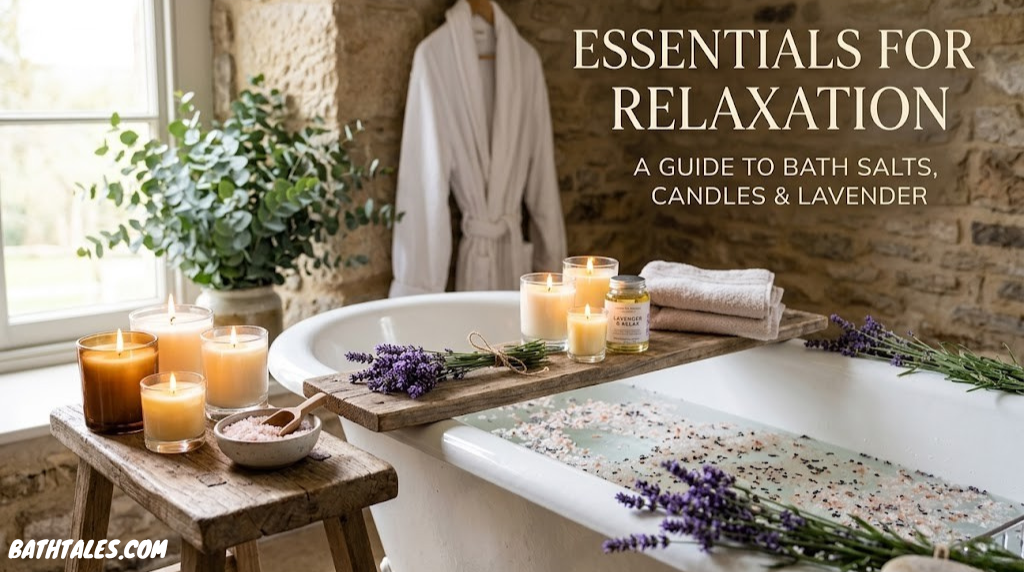
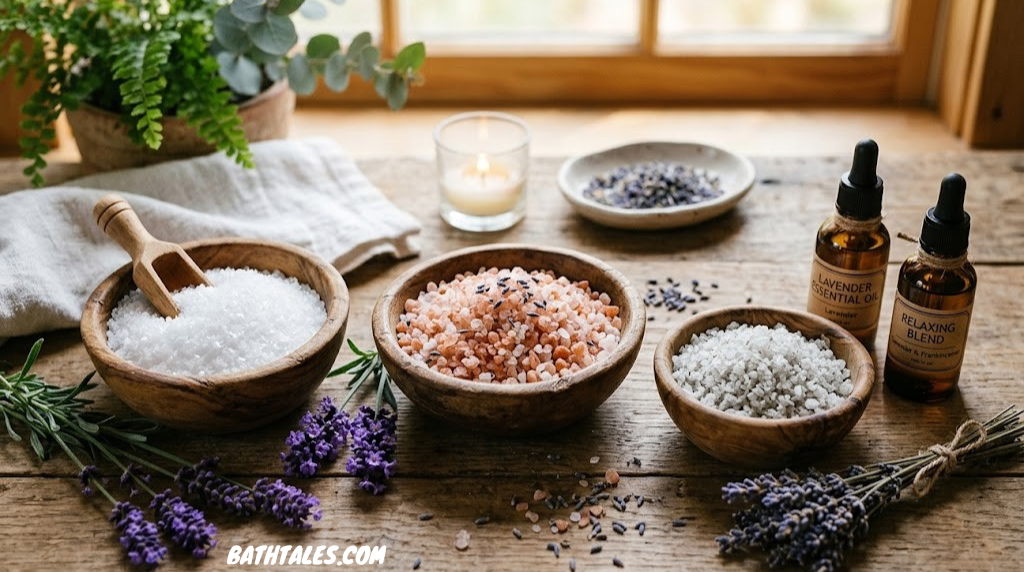
There is a particular kind of quiet that only arrives after a long, warm bath — the kind where your shoulders finally drop, your jaw unclenches, and the noise of the day dissolves into rising steam. If you have been chasing that feeling more intentionally lately, you are not alone. Millions of people are rediscovering the tub as a ritual tool for winding down, and bath salts are at the center of that revival.
But not all bath salts are created equal. The difference between a generic drugstore blend and a carefully formulated mineral soak can be the difference between a pleasant 15-minute warm rinse and a genuinely transformative pre-sleep ritual. This guide exists to help you find the latter. We have combed through the science, tested the categories, and curated the products so you can skip straight to the soaks that actually work.
Whether your goal is to quiet an anxious mind, loosen a tense body, support deeper sleep, or simply carve out a non-negotiable moment of calm in your evenings, we have the salt — and the information — to match.
If you are just starting to explore the world of soaking, our complete guide to the best bath salts for every type of soak gives you a broader landscape to navigate before you narrow down your choice.
Why Bath Salts Actually Work for Relaxation and Sleep
Before we dive into specific products, it helps to understand what is happening physiologically when you lower yourself into a mineral-rich soak. This is not wellness mythology — the mechanisms are real and well-studied.
The Thermal Wind-Down Effect
Your core body temperature naturally needs to drop slightly for sleep to occur. A warm bath (37–40°C / 98–104°F) taken 60 to 90 minutes before bed works paradoxically: the heat draws blood to your extremities and skin surface, and when you exit the bath, that warmth dissipates rapidly. This rapid post-bath cool-down mimics and accelerates the natural temperature drop that precedes deep sleep — shortening the time it takes to fall asleep by as much as 10 minutes, according to research published in journals on sleep medicine.
Magnesium: The Mineral of Calm
Most bath salts that target relaxation are mineral-rich, and the most important mineral in that story is magnesium. Magnesium is involved in over 300 enzymatic reactions in the body, including the regulation of the nervous system, cortisol metabolism, and the production of serotonin — which is itself a precursor to melatonin, the hormone that governs sleep timing.
A large proportion of adults are estimated to have inadequate magnesium levels. Transdermal absorption (through the skin) from magnesium-rich bath salts is one gentle way to supplement this deficit. While the scientific debate over skin absorption rates continues, many users report noticeable improvements in sleep quality and muscle tension within a week of establishing a nightly soak.
Science note: A 2017 study in the journal Nutrients found that participants with mild-to-moderate anxiety and insomnia who supplemented with magnesium reported improved subjective sleep quality within eight weeks. While this used oral supplementation, transdermal delivery is being increasingly studied as a viable adjunct route.
Aromatherapy’s Nervous System Effect
The other major mechanism is aromatherapy. When bath salts contain botanical essential oils — particularly lavender, chamomile, and cedarwood — the volatile aromatic compounds are absorbed through both the olfactory system (smell) and the skin. These compounds have been shown in clinical studies to modulate the limbic system, reducing anxiety markers and promoting parasympathetic nervous system dominance. In plain language: they help your body shift from fight-or-flight into rest-and-digest mode.
For a full breakdown of which essential oils pair best with your soak, visit our guide on the best essential oils for bath salts.
Types of Bath Salts — What You Need to Know
The category labelled “bath salts” actually encompasses several quite different mineral compounds, each with its own profile of benefits, textures, and best uses. Understanding these distinctions helps you choose the right foundation for your sleep-focused soak.
Epsom Salt (Magnesium Sulfate)
Epsom salt is the workhorse of the bath salt world — widely available, affordable, and backed by the longest track record in home bathing culture. Despite its name, it is not actually a salt but a naturally occurring mineral compound of magnesium and sulfate. Dissolved in warm water, it creates a soft, silky texture that many bathers find instantly soothing.
For sleep and muscular relaxation, Epsom salt is often the first recommendation. Sulfate is important too: it supports liver detoxification pathways and the synthesis of proteins and brain tissue. Soaking in Epsom salt before bed addresses both physical tension (sore muscles, restless legs) and the neurological underpinnings of stress. See our deep dive into best bath salts for muscle soreness if your tension is primarily physical.
For a more granular comparison of Epsom salt vs. magnesium flakes (which we discuss below), check out our magnesium flakes vs. Epsom salt breakdown.
Pros
- Widely available & affordable
- High magnesium content
- Excellent for muscle relaxation
- Can be used plain or scented
- Gentle on most skin types
Cons
- No additional mineral diversity
- Can be drying with over-use
- Debate on absorption bioavailability
- Plain scent may need augmentation
Himalayan Pink Salt
Mined from ancient sea salt deposits in the Khewra Salt Mine in Pakistan, Himalayan pink salt has become one of the most visually recognizable products in the wellness space. Its characteristic rosy hue comes from trace amounts of iron oxide and a complex micro-mineral profile that includes potassium, calcium, magnesium, and over 80 trace minerals.
In a bath context, Himalayan salt creates a mineral-rich brine that is deeply nourishing for the skin. While its magnesium concentration per gram is lower than pure Epsom salt, the diversity of minerals is its distinguishing advantage. It tends to feel particularly luxurious and is favored by those who want a more holistic mineral immersion. Explore our guide to the best Himalayan pink bath salt options for detailed product breakdowns.
Dead Sea Salt
The Dead Sea in the Jordan Rift Valley is one of the saltiest bodies of water on earth, and for centuries its mineral-rich waters have been sought for therapeutic bathing. Dead Sea salt is notably different from ordinary sea salt: it contains only about 3–8% sodium chloride compared to the 97% in regular ocean salt, while being extraordinarily rich in magnesium, potassium, and calcium.
For relaxation and sleep, Dead Sea salt brings a particularly potent skin-nourishing profile. It is exceptional for people whose sleep disruption is compounded by skin irritation — dry, itchy, or inflamed skin is the enemy of restful sleep. Its mineral cocktail has been extensively studied for conditions like psoriasis and eczema. Our Dead Sea salt vs. Epsom salt comparison helps you decide which serves you better.
Magnesium Flakes (Magnesium Chloride)
Magnesium flakes are having a moment in the sleep and wellness world, and for good reason. Unlike Epsom salt (magnesium sulfate), these flakes are magnesium chloride — a form of magnesium that many researchers believe is more bioavailable for transdermal absorption. They dissolve rapidly in warm water and create an exceptionally silky bath feel that is gentler and less likely to dehydrate the skin.
For those who wake frequently during the night, experience restless leg syndrome, or have a high-stress lifestyle that depletes magnesium rapidly, a magnesium flake soak several times a week can be genuinely transformative. Many users find them preferable to Epsom salt for sensitive skin.

Amazon Pick — Editor’s Choice
Dr Teal’s Lavender Epsom Salt Soaking Solution — Most Popular Sleep Soak
Check Price on Amazon →Our Top Picks at a Glance
After evaluating dozens of bath salts across multiple categories — mineral quality, scent formulation, packaging, skin feel, and post-soak results — we have narrowed the field to the standouts. Here is a quick orientation before we go deep on each.
Best Overall
Village Naturals Therapy Lavender & Chamomile
Epsom base, dual botanical blend, unbeatable value for nightly use.
Best for Deep Sleep
Ancient Minerals Magnesium Bath Flakes
Pure magnesium chloride, sourced from Zechstein seabed, ultra-absorbable.
Best Mineral Diversity
Bokek Dead Sea Salt Ultra Premium
21 minerals, unparalleled for skin + nervous system.
Best Luxury Pick
LATHER Epsom Salt Soak Lavender
Clean ingredients, therapeutic-grade lavender, elegant packaging.
Best Budget
Sky Organics Epsom Salt
USDA organic, fragrance-free base, excellent purity at low cost.
Best for Sensitive Skin
Epsoak Epsom Salt USP Grade
Pharmaceutical-grade purity, no additives, safe for reactive skin.
Best Lavender Bath Salts for Sleep
Lavender is not in this category by accident. Its primary bioactive compound, linalool, has been shown in peer-reviewed research to inhibit acetylcholine-triggered muscle contractions (reducing tension), decrease anxiety markers, and significantly improve subjective sleep quality. When you pair this with an Epsom or Himalayan salt base, you have a two-pronged delivery system: minerals through the skin, aromatherapy through the breath.

Village Naturals Therapy Lavender & Chamomile Mineral Bath Soak
★★★★★ 4.6 / 5
This is our number-one recommendation for sleep-focused soaking, and it is not close. Village Naturals combines a generous Epsom salt base with real lavender and chamomile extracts in a ratio that produces genuine olfactory calm — not the synthetic sweetness of cheap perfume. The mineral concentration is high, the dissolve time is fast, and a single 20-minute soak leaves the skin feeling softened rather than stripped. The chamomile component adds a secondary layer of nervine (nerve-calming) botanical action that amplifies the lavender’s effect, making this blend particularly effective for anxiety-related sleep disruption.
View on Amazon →Pros
- Genuine dual botanical formula
- Excellent Epsom mineral base
- Affordable for regular use
- Wide availability in various sizes
- Fast-dissolving crystals
Cons
- Scent fades after 15 minutes in hot water
- May be too fragrant for very sensitive noses

Dr Teal’s Pure Epsom Salt Soaking Solution — Lavender
★★★★☆ 4.4 / 5
Dr Teal’s has become something of a household name in the bath salt category, and its lavender soaking solution earns that recognition. The formula leans on a pure Epsom salt base with added lavender essential oil, menthol (in small quantities), and Vitamin E. The result is a deeply relaxing soak that also leaves the skin visibly softer. The menthol provides a mild cooling sensation that is more refreshing than stimulating at the concentration used, making this a fine choice even close to bedtime. Available in bulk bags that make daily soaking cost-effective.
View on Amazon →Explore More
Want to learn exactly which essential oils pair best with your soak? Our in-depth guide has all the answers.
Read Our Essential Oils Guide →Best Magnesium-Rich Bath Salts for Deep Sleep
If your primary goal is to use your bath as a genuine sleep aid rather than simply a pleasant warm-up to bedtime, magnesium concentration should be your primary filter. These picks are selected for maximum magnesium delivery, whether through Epsom or the increasingly preferred magnesium chloride flake format.

Ancient Minerals Magnesium Bath Flakes Ultra
★★★★★ 4.7 / 5
This is the gold standard in magnesium flake soaking. Ancient Minerals sources its magnesium chloride from the ancient Zechstein seabed in northern Europe — a deposit formed 250 million years ago and protected deep underground from modern industrial pollutants. The result is an exceptionally pure product with a verified magnesium concentration per gram. A 20-minute soak in these flakes has a distinctively sedating quality that regular Epsom salt soaks rarely match — the skin feels silky rather than squeaky, and the relaxation that follows is genuinely different in character. For chronic insomnia, restless leg syndrome, or anxiety-related sleep disruption, this is the pick.
View on Amazon →Pros
- Zechstein-sourced, ultra-pure
- High magnesium chloride concentration
- Silky skin feel, no dryness
- Odorless — pure mineral
- Excellent for sensitive skin
Cons
- More expensive than Epsom
- No added scent — add your own oils
- Requires larger quantity per use (2–3 cups)

Epsoak Epsom Salt — USP Grade, Fragrance-Free
★★★★★ 4.8 / 5
Epsoak is the workhorse recommendation when you want pharmaceutical-grade purity without the extras. USP-certified, free from additives, dyes, fragrances, and fillers — this is pure magnesium sulfate at its simplest. It is the bath salt equivalent of a clean canvas: add your own essential oils, botanical teas, or nothing at all. The large-format bags make it extremely cost-effective for daily soaking, and the purity makes it the safest choice for people with sensitive skin, eczema, or chemical sensitivities.
View on Amazon →🔬 Tip: If you are purchasing plain Epsom salt or magnesium flakes and adding your own essential oils, use 5–10 drops per cup of salt and mix thoroughly before adding to the tub. This ensures even distribution rather than having undiluted oil float on the water surface.
Best Dead Sea & Himalayan Salt Soaks for Relaxation
For mineral diversity and skin-nourishing luxury, Dead Sea salts and premium Himalayan blends are in a category of their own. These are the picks when the experience — the ritual, the texture, the multi-mineral immersion — matters as much as the clinical outcome.

Bokek Dead Sea Salt — Ultra Premium, Fine Grain
★★★★★ 4.7 / 5
Bokek is widely considered the benchmark in authenticated Dead Sea salt products. The source is certified, the mineral profile is verified, and the fine grain dissolves cleanly without leaving sediment at the bottom of the tub. The multi-mineral profile — particularly the potassium and calcium alongside high magnesium — creates a brine that feels markedly different from a standard Epsom soak. Skin absorbs noticeably; after a 25-minute Bokek soak, the body enters a calm that feels more like a profound physical reset than simple relaxation. It is particularly valuable for those whose sleep quality is affected by skin conditions. Our guide to the best detox bath salts also features Dead Sea picks for deeper cleansing soaks.
View on Amazon →
SaltWorks Ancient Ocean Himalayan Pink Bath Salt
★★★★☆ 4.5 / 5
SaltWorks offers one of the most consistently pure Himalayan pink salt products on the market, with third-party mineral verification and a fine grain that dissolves beautifully. The visual experience matters here — watching the rose-colored crystals dissolve into warm water is itself a calming ritual, and ritual matters for sleep hygiene. The skin feel after a Himalayan soak is uniquely velvety, the colour adds a sense of warmth to the bathroom ambiance, and the subtle earthy mineral scent is grounding without being intrusive. Our Himalayan pink bath salt guide goes deeper on sourcing and mineral verification.
View on Amazon →Dry skin concern? Dead Sea salt and Himalayan pink salt are particularly beneficial choices if dry skin is contributing to your nighttime discomfort. Read our guide to the best bath salts for dry skin for formulations specifically chosen to hydrate as they relax.

Amazon Pick — Mineral Luxury
Bokek Dead Sea Salt Ultra Premium — The Best Multi-Mineral Soak for Full-Body Calm
Check Price on Amazon →Side-by-Side Comparison: Top Bath Salts for Sleep
Use this table to quickly compare the key attributes of our top picks. The right choice depends on your primary concern: deep sleep, skin nourishment, budget, scent preference, or purity.
| Product | Salt Type | Scented | Best For | Skin Type | Price Range | Rating |
|---|---|---|---|---|---|---|
| Village Naturals Lavender & Chamomile | Epsom | ✓ Lavender + Chamomile | Overall best / sleep | Most types | $ | ★★★★★ |
| Dr Teal’s Lavender Epsom | Epsom | ✓ Lavender | Popular everyday soak | Most types | $ | ★★★★☆ |
| Ancient Minerals Magnesium Flakes | Mag Chloride | ✗ Unscented | Deep sleep / RLS / Anxiety | Sensitive / All | $$ | ★★★★★ |
| Epsoak USP Epsom | Epsom | ✗ Unscented | Daily use / Budget / Sensitive | All / Eczema | $ | ★★★★★ |
| Bokek Dead Sea Salt | Dead Sea | ✗ Unscented | Mineral luxury / Skin conditions | All / Psoriasis | $$$$ | ★★★★★ |
| SaltWorks Himalayan | Himalayan | ✗ Natural mineral scent | Mineral diversity / Ritual | All types | $$ | ★★★★☆ |
Bath Salts vs. Bath Bombs: Which Is Better for Sleep?
It is one of the most common questions in the bathing world, and it matters more than most people realize when your goal is sleep: should you reach for bath salts or a bath bomb? On the surface, they seem like interchangeable luxuries — you drop something into warm water, it dissolves, and you soak. But the two products are engineered for fundamentally different purposes, and understanding that distinction can mean the difference between a genuinely therapeutic pre-sleep ritual and a colorful but ultimately superficial experience.
What Bath Bombs Actually Are
A bath bomb is typically a compressed mixture of baking soda (sodium bicarbonate) and citric acid, which react in water to produce the signature fizzing effect. To this base, manufacturers add synthetic fragrances, colorants (often FD&C dyes), binders like cream of tartar or cornstarch, and occasionally small amounts of carrier oils or butters. Some premium bath bombs include essential oils and natural clays, but the majority of commercially available bath bombs rely on synthetic fragrance compounds and color additives for their appeal.
The fizzing is satisfying, the colors are visually delightful, and the scents can be lovely — but from a mineral therapy standpoint, most bath bombs deliver virtually nothing to the skin. There is no magnesium, no meaningful mineral content, and the concentration of any beneficial oils is typically too low to produce a measurable therapeutic effect.
Where Bath Salts Pull Ahead
Bath salts, by contrast, are defined by their mineral content. A cup of Epsom salt delivers approximately 490 milligrams of elemental magnesium per cup dissolved, along with bioavailable sulfate. Dead Sea salts bring a complex mineral matrix. Magnesium flakes are specifically engineered for transdermal mineral delivery. The primary substance in the water during a salt soak is the therapeutic mineral itself — not a binder, not a colorant, and not a synthetic fragrance molecule.
When it comes to sleep specifically, bath salts have three decisive advantages. First, the magnesium supports nervous system regulation and may contribute to melatonin production pathways. Second, pure or essential-oil-scented salts allow you to control the aromatherapy component precisely, choosing only sedative oils like lavender, chamomile, or cedarwood rather than whatever synthetic fragrance the bomb manufacturer chose for market appeal. Third, mineral salts do not leave a residue of synthetic dyes, binders, or surfactants on the skin — substances that can cause irritation, clog pores, or trigger allergic reactions that are counterproductive to restful sleep.
When Bath Bombs Have a Place
None of this means bath bombs are without value. They excel as occasional treats, as gifts, as mood-lifters, and as bathing experiences for children who respond to color and fizz. Some artisan bath bomb makers use genuinely high-quality ingredients — essential oils, Dead Sea salt, kaolin clay, and shea butter — and these premium products can offer a hybrid experience that combines visual delight with real skin benefits. But for a dedicated, sleep-focused nightly or near-nightly practice, bath salts remain the superior choice.
Bath Salts for Sleep
- High mineral content (magnesium, potassium, calcium)
- Customizable aromatherapy with essential oils
- No synthetic dyes or binders
- Cost-effective for regular use
- Research-backed mechanisms for sleep support
- Minimal residue on skin and tub
Bath Bombs for Sleep
- Typically no meaningful mineral content
- Usually contain synthetic fragrances and dyes
- Higher cost per bath
- Can leave oily residue and tub staining
- Fizzing effect is purely cosmetic
- Ingredients often undisclosed or vague
For a detailed side-by-side breakdown with ingredient analysis, pricing comparisons, and recommendations for both categories, read our full bath bomb vs. bath salt comparison guide.
How to Use Bath Salts for Maximum Relaxation and Sleep
Even the best bath salts underperform when the soak itself is not set up correctly. The ritual matters as much as the formula. Here is how to structure a pre-sleep bath for the deepest possible results.
Time it right. Aim to soak 60–90 minutes before your intended sleep time. This window allows the thermal cool-down effect — the post-bath drop in core body temperature that triggers drowsiness — to activate right as you are climbing into bed. Soaking immediately before bed can leave you too warm for immediate sleep onset. Unsure about timing? Our guide on how long to soak in bath salts covers both duration and timing in detail.
Set the water temperature thoughtfully. Target 37–40°C (98.6–104°F). This is warm enough to deeply relax muscles and draw blood to the skin surface, but not so hot that it stresses the cardiovascular system or overstimulates the body. A bath thermometer is a small investment that makes a meaningful difference.
Use the right amount of salt. A full-size bathtub of approximately 150–200 liters (40–50 gallons) typically calls for 1–2 cups of Epsom or Himalayan salt, or 2–3 cups of magnesium flakes. Under-salting produces a diluted mineral concentration with limited effect. For precise guidance on dosing, our article on how much bath salt to use walks through every scenario.
Dissolve the salt before entering. Add salt to running warm water while the tub is filling, so it has time to fully dissolve and distribute evenly. This prevents concentrated patches of undissolved salt that can cause mild skin irritation.
Dim the lights and reduce stimulation. The ritual environment matters enormously for sleep preparation. Low, warm lighting (or candles) signals to the brain that it is winding down. Remove screens from the bathroom. Play soft binaural or ambient music if sound helps you relax.
Soak for 20–30 minutes. This is the sweet spot for mineral absorption, muscular release, and aromatherapy benefit. Less than 15 minutes does not allow the thermal and mineral mechanisms sufficient time. More than 40 minutes can begin to dehydrate the skin and, in very hot baths, strain the cardiovascular system.
Rinse lightly and moisturize while damp. A brief cool rinse after a salt soak removes surface salt crystals and contributes to the thermal cool-down. Apply a light, non-stimulating body oil or moisturizer while your skin is still slightly damp to lock in hydration.
Transition slowly to sleep. After your bath, put on warm, comfortable clothing, avoid screens for at least 30 minutes, and let the mineral calm do its work. Herbal tea (chamomile, valerian, passionflower) as a companion to your post-bath routine compounds the relaxation effect.
The Best Essential Oils to Add to Your Sleep Soak
Choosing a plain, unscented bath salt base and adding your own essential oils gives you maximum control over the aromatherapy component of your soak. Here is a curated shortlist of the most effective sleep-supporting oils and how to use them safely in the bath.
| Essential Oil | Primary Effect | Recommended Dose (per tub) | Blends Well With | Avoid If… |
|---|---|---|---|---|
| Lavender | Calming, sedative, anxiety-reducing | 8–10 drops | Chamomile, cedarwood | Hormone-sensitive conditions (high dose) |
| Roman Chamomile | Nervine, deeply soothing | 5–7 drops | Lavender, bergamot | Ragweed allergy |
| Cedarwood | Grounding, woody, mildly sedative | 6–8 drops | Lavender, vetiver | Generally well-tolerated |
| Vetiver | Deeply earthy, grounding, promotes calm | 3–5 drops (potent) | Lavender, sandalwood | Very concentrated — use sparingly |
| Bergamot (FCF) | Uplifts mood, reduces anxiety | 5–7 drops | Lavender, ylang-ylang | Must use FCF (furocoumarin-free) to avoid photosensitivity |
| Ylang-Ylang | Relaxing, lowers blood pressure, floral | 3–4 drops (strong) | Bergamot, lavender | Headache-prone individuals (use sparingly) |
Important: Always dilute essential oils in the bath salts or a carrier oil (like coconut or jojoba) before adding to water. Undiluted oils float on the bath surface and can cause skin irritation or mucous membrane sensitivity. Never add more than 15 drops of essential oil total to a single bath. For a complete guide to using essential oils in bathing, visit our resource on the best essential oils for bath salts.

Amazon Pick
Plant Therapy Lavender Essential Oil — 100% Pure, Therapeutic Grade for Bath Blending
Check Price on Amazon →The Science of Transdermal Mineral Absorption: A Deeper Dive
We have mentioned transdermal absorption several times throughout this guide, and for good reason — it is the mechanism that transforms a warm bath from a pleasant experience into a therapeutic one. But the science behind how minerals pass through the skin is more nuanced than most bath salt marketing suggests, and understanding it helps you make better decisions about which products to choose and how to use them.
How Skin Absorbs Minerals
Your skin is not a perfectly sealed barrier. It is a living, semi-permeable organ composed of three primary layers: the epidermis (outermost), the dermis, and the hypodermis. The outermost layer of the epidermis — the stratum corneum — is the primary gatekeeper. It consists of approximately 15 to 20 layers of flattened, dead skin cells (corneocytes) embedded in a lipid matrix, often described as a “brick and mortar” structure where the cells are the bricks and the lipids are the mortar.
For a mineral ion to move from bath water into the body, it must navigate this lipid matrix. Small, lipophilic (fat-soluble) molecules pass through relatively easily. Larger or charged ions — like magnesium (Mg²⁺) and sulfate (SO₄²⁻) — face greater resistance. This is why the transdermal absorption debate exists: skeptics argue that mineral ions are too large and too charged to penetrate the stratum corneum in meaningful quantities, while proponents point to several mechanisms that facilitate penetration.
Pathways for Mineral Penetration
There are three primary pathways through which dissolved minerals can enter the body via the skin. The first is the intercellular route — movement through the lipid matrix between corneocytes. This is slow but steady, and warm water significantly enhances it by increasing the fluidity of the lipid matrix. The second is the transcellular route — passing directly through the corneocytes themselves. This is faster but requires the mineral to cross alternating lipid and aqueous environments. The third — and this is particularly relevant for bath salts — is the appendageal route: minerals enter through hair follicles, sweat glands, and sebaceous glands, which create channels that bypass the stratum corneum entirely.
Warm bath water amplifies all three pathways. Heat increases skin permeability, dilates pores and follicles, increases local blood flow (which creates a concentration gradient that pulls minerals inward), and softens the stratum corneum. This is why a warm salt bath is fundamentally different from applying dry salt to the skin — the water is not just a delivery medium; it is an active penetration enhancer.
What the Research Shows
The research on transdermal magnesium specifically has produced mixed but increasingly promising results. A 2010 pilot study published in Nutricion Hospitalaria found that participants who applied magnesium chloride solution to their skin daily for 12 weeks showed a statistically significant increase in serum magnesium levels. A 2017 study in the journal PLOS ONE examined transdermal magnesium absorption in a bathing context and found measurable increases in magnesium excretion through urine after Epsom salt soaks, suggesting that absorption had occurred.
Critics correctly note that many of these studies are small and that controlling for all variables (such as dietary magnesium intake) is difficult. The honest scientific position is that transdermal magnesium absorption is probable and supported by preliminary evidence, but not yet conclusively proven at the magnitude that some wellness brands claim. What is well-established, however, is that the combination of warm water immersion, mineral exposure, and the relaxation response itself produces measurable improvements in sleep quality, anxiety markers, and muscle tension — regardless of exactly how much magnesium crosses the skin barrier.
Practical takeaway: Even if transdermal absorption delivers only a fraction of the magnesium that oral supplementation provides, the bathing ritual itself — the warmth, the stillness, the aromatherapy, the parasympathetic activation — creates a compound effect that is greater than any single mechanism alone. This is why bath salts consistently outperform both plain warm baths and oral magnesium supplements in user-reported satisfaction surveys for sleep quality.
Maximizing Absorption in Your Soak
If you want to optimize mineral delivery through the skin, several factors make a measurable difference. Water temperature between 37 and 40°C enhances skin permeability without causing inflammation. Soak duration of at least 20 minutes allows time for the concentration gradient to develop. Using magnesium chloride (magnesium flakes) rather than magnesium sulfate (Epsom salt) may improve absorption rates due to its smaller molecular size and different charge characteristics. Dissolving the salt completely before entering ensures uniform mineral distribution. And gently exfoliating the skin before your soak — with a dry brush or a simple washcloth — removes dead cell buildup that can impede mineral penetration.
For a broader understanding of how different mineral salts compare in terms of their absorption potential and therapeutic applications, our magnesium flakes vs. Epsom salt comparison provides the detailed mineral analysis you need.
Make Your Own Sleep-Focused Bath Salt Blend at Home
Creating your own bath salt blend is genuinely easy, remarkably cost-effective, and allows you to tailor every element to your preferences and sensitivities. Here is a proven base recipe plus several variations for different needs.
🧂 The Classic Deep Sleep Soak — Base Recipe
- 2 cups pure Epsom salt (or 1½ cups Epsom + ½ cup magnesium flakes)
- ½ cup Himalayan pink salt (for mineral diversity and colour)
- ¼ cup baking soda (alkalizing, soothing for skin)
- 8 drops lavender essential oil
- 4 drops Roman chamomile essential oil
- 3 drops cedarwood essential oil
- 2 tablespoons fractionated coconut oil (as carrier for oils)
- Optional: 2 tablespoons dried lavender buds (remove from drain after soak)
Mix all dry salts together in a large bowl. Stir in the baking soda and ensure everything is evenly combined.
Blend essential oils into the fractionated coconut oil separately. This pre-dispersal prevents hot spots in the finished blend.
Drizzle the oil mixture over the salt blend and stir thoroughly with a wooden spoon or gloved hand until the oils are evenly distributed and no clumping occurs.
Transfer to an airtight glass jar. Stored away from heat and light, this blend keeps for 4–6 months before the essential oils begin to degrade.
Add 2–3 large scoops (about 1.5 cups) to a warm bath as it fills, then enter and soak for 20–30 minutes.
Variation: Extra-Strength Magnesium Blend
Replace the Epsom with 2 cups of magnesium chloride flakes as the primary base and increase the cedarwood to 6 drops for a more grounding, sedative character. This variation is particularly effective for restless leg syndrome, high-stress periods, or intensive athletic recovery. Our complete guide to making bath salts at home covers many more recipes and customization ideas.
Variation: Sensitive Skin Sleep Soak
Use only 1 cup of Epsoak USP-grade Epsom (no Himalayan, which can sting broken skin) and reduce essential oils to 4 drops lavender only. Add 3 tablespoons of colloidal oatmeal for additional skin calming. Suitable for those dealing with eczema-related sleep disruption — and explored in detail in our guide to the best bath salts for eczema.
Variation: Calming Milk-and-Salt Hybrid Soak
For those who want to combine the mineral benefits of bath salts with the skin-softening properties of a milk bath, try this hybrid: 1 cup Epsom salt, 1 cup whole milk powder (or coconut milk powder for a dairy-free alternative), ½ cup Dead Sea salt, 6 drops lavender oil, and 2 drops vanilla extract. The milk proteins and lactic acid gently exfoliate and soften the skin, while the salts deliver their mineral payload. This is an excellent option for people who find pure salt baths slightly drying. For a deeper exploration of milk baths on their own, our milk bath vs. regular bath comparison covers the full range of benefits.

Amazon Pick — DIY Essentials
Epsoak 5lb Bag + Fractionated Coconut Oil — Everything You Need to Start Blending
Shop Supplies on Amazon →What to Avoid in Bath Salts for Sleep
The bath salt market is flooded with products that use wellness language while containing ingredients that work against the very goals they claim to support. Here is what to look out for and skip.
Synthetic Fragrances
The ingredient listed as “fragrance” or “parfum” on a label is one of the most opaque in the personal care industry — it can legally represent a blend of hundreds of undisclosed synthetic chemicals, many of which are known endocrine disruptors, respiratory irritants, or allergens. For a bath intended to support sleep, you want no endocrine-disrupting compounds anywhere near your body’s largest organ. Always choose products scented with named essential oils or purchase unscented and add your own.
Artificial Dyes
The cheerful blues, purples, and pinks of many commercial bath salts come from synthetic color additives (FD&C or D&C dyes). These serve no therapeutic purpose and are associated with skin sensitization, particularly in individuals prone to reactions. If you want a pink bath, use authentic Himalayan pink salt — not dye.
High Sodium Content in Detox Blends
Some bath salts marketed for “detox” use ordinary table salt or regular sea salt as their primary ingredient and charge premium prices. High-sodium soaks can actually draw water out of cells rather than allowing mineral absorption, leaving skin temporarily dehydrated. Look for products where the primary ingredient is magnesium-based (Epsom, magnesium chloride, or Dead Sea salt with its low sodium content).
Stimulating Essential Oils
Peppermint, spearmint, eucalyptus, rosemary, and citrus peel oils (lemon, orange, grapefruit) are energizing rather than sedating. Their effects on the nervous system are activating — excellent in a morning shower, counterproductive in a pre-sleep bath. Even small amounts of peppermint can disrupt the drowsy, sinking feeling you want from a sleep soak.
Glitter and Shimmer Additives
These are microplastic or mica particles that add no therapeutic value, coat the tub and drain, and can cause eye and skin irritation. A bath meant for genuine relaxation does not need them.
Skin conditions note: If you have broken skin, open wounds, severe dermatitis, or psoriasis, always check with a dermatologist before introducing new bath salt formulations. Our guide to best bath salts for sensitive skin covers low-risk formulations for reactive skin types.
Bath Salts for Anxiety and Stress Relief
Sleep disruption rarely exists in isolation. For the vast majority of people who struggle to fall asleep or stay asleep, the root cause is not a mysterious neurological deficiency — it is anxiety and stress. The racing mind, the clenched jaw, the inability to stop reviewing tomorrow’s problems while lying in the dark: these are the real sleep thieves, and they are where bath salts can deliver their most powerful and immediate impact.
Why the Bath Environment Is Uniquely Therapeutic for Anxiety
There is a reason therapists, sleep scientists, and wellness practitioners all converge on the bath as a recommendation for anxiety management. A warm bath creates what psychologists call a “sensory envelope” — a controlled environment where the nervous system receives a consistent, gentle stream of comforting sensory input (warmth, buoyancy, weightlessness, scent) that actively competes with and displaces the anxious signals coming from the brain.
Water immersion up to the chest level also produces a measurable cardiovascular effect called hydrostatic pressure: the water gently compresses the peripheral blood vessels, which reduces the heart rate by approximately 10–15% and increases cardiac output efficiency. This is a direct, physiological parasympathetic activation — your body literally shifts from stress mode to calm mode as a result of the water pressure itself. Add magnesium-rich salts to the equation, and you have a dual mechanism: the water pressure calms the cardiovascular system while the magnesium calms the nervous system.
The Cortisol Connection
Cortisol, the body’s primary stress hormone, follows a natural daily rhythm: it peaks in the morning to promote wakefulness and gradually decreases throughout the day, reaching its lowest point during early sleep. Chronic stress disrupts this rhythm, keeping cortisol elevated into the evening hours and making the transition to sleep physiologically difficult.
Magnesium plays a direct role in cortisol metabolism. It modulates the hypothalamic-pituitary-adrenal (HPA) axis — the system responsible for cortisol production — and supports the activity of GABA (gamma-aminobutyric acid), the primary inhibitory neurotransmitter in the central nervous system. GABA is essentially the brain’s “brake pedal”: it dampens neural excitability and promotes calm. When magnesium levels are adequate, GABA function is optimized, and the anxious brain finds it easier to downshift.
Best Salts for Anxiety-Focused Soaking
For anxiety specifically, our top recommendation is Ancient Minerals Magnesium Flakes. The high magnesium chloride concentration provides the most potent nervous system support, and the chloride form is believed to cross the skin barrier more efficiently than the sulfate form found in Epsom salt. Pair these flakes with 8–10 drops of lavender essential oil and 4 drops of vetiver — vetiver is the most grounding oil in the aromatherapy pharmacopoeia and is particularly effective for the ruminative, “stuck in your head” quality of anxiety.
If budget is a concern, plain Epsom salt with lavender oil remains an excellent option. Two cups of Epsoak Epsom salt combined with 10 drops of lavender and 5 drops of cedarwood creates an anxiety-soothing soak that costs less than a dollar per bath. For those whose skin reacts to pure lavender, Roman chamomile offers a comparably calming effect with a gentler aromatic profile. Our complete guide to essential oils for bath salts provides specific anxiety-relief blend formulas.
🧘 Practice note: To amplify the anxiety-reducing effect of your salt bath, try box breathing while soaking: inhale for 4 counts, hold for 4 counts, exhale for 4 counts, hold for 4 counts. This breathing pattern directly stimulates the vagus nerve, further activating the parasympathetic nervous system. Combined with the warmth, minerals, and aromatherapy, this creates a four-layer anti-anxiety protocol that is remarkably effective.
Water Quality and How It Affects Your Bath Salt Soak
Here is a factor that almost no bath salt guide mentions but that makes a meaningful difference in your results: the quality of the water you are soaking in. Not all tap water is created equal, and the chemistry of your water supply can either enhance or undermine the therapeutic properties of your bath salts.
Hard Water vs. Soft Water
Hard water contains high concentrations of dissolved calcium and magnesium — the same minerals you are trying to add with your bath salts. If you live in a hard water area, your tap water already contains significant mineral content, which changes the equation in two ways. On the positive side, you are starting with a higher baseline mineral concentration, so even a modest amount of bath salt produces a more mineral-rich soak than the same amount of salt in soft water. On the negative side, the excess calcium in hard water can react with the sulfate in Epsom salt to form calcium sulfate (gypsum), a relatively insoluble compound that leaves a chalky residue on the skin and tub rather than staying in solution where it can be absorbed.
Soft water, by contrast, has been treated to remove calcium and magnesium. It allows bath salts to dissolve completely and uniformly, producing a cleaner, more predictable mineral concentration. Most bath salt enthusiasts who have experienced both types of water report that soft water produces a noticeably silkier, more luxurious soak.
Chlorine and Chloramine
Most municipal water supplies add chlorine or chloramine as a disinfectant. While this keeps the water microbiologically safe to drink, it introduces a chemical element that works against the goals of a relaxation bath. Chlorine is a known skin irritant that strips natural oils from the epidermis, and its distinctive smell — even at low concentrations — competes with the subtle aromatherapy of your essential oils. Chloramine, which is increasingly used in place of chlorine, is more stable and even harder to remove.
The solution is simple and inexpensive: a bath filter. Vitamin C (ascorbic acid) filters are particularly effective — they neutralize both chlorine and chloramine on contact, are inexpensive, and attach easily to most bath faucets. A carbon filter is another option. Either way, filtering your bath water before adding salts removes the chemical interference and allows the mineral and aromatic components to work unopposed.
Fluoride and Other Additives
Some water supplies also contain fluoride, aluminum sulfate, and other treatment chemicals. While these are present at concentrations considered safe for drinking, they add variables to a therapeutic bath that you cannot control. A quality bath filter removes or reduces most of these additives, giving you a cleaner canvas for your mineral soak.
Quick fix: If you do not have a bath filter, letting your bath water sit for 15–20 minutes before adding salts allows some chlorine to off-gas naturally (though this does not work for chloramine). Adding your Epsom salt or magnesium flakes to the water as it fills — rather than after — gives the minerals maximum time to dissolve and interact with any residual chlorine, partially neutralizing it through a chemical reaction.
Special Considerations: Pregnancy, Athletes, and Skin Conditions
Bath Salts During Pregnancy
Many pregnant women find bath soaks to be among the most effective forms of physical and emotional relief during pregnancy, and mineral salts can be safely used with appropriate precautions. The key rules are: keep water temperature below 37°C (98.6°F), avoid extended soaks beyond 20 minutes, avoid essential oils in the first trimester, and steer clear of clary sage, rosemary, and thyme oils at any stage. Unscented Epsom or Himalayan salt soaks at lukewarm temperature are generally well-tolerated. For detailed guidance, visit our best bath salts for pregnancy resource.
Bath Salts for Athletes and Post-Training Recovery
For athletes, bath salts serve double duty: they accelerate muscular recovery and simultaneously promote the deep sleep that makes that recovery possible. The magnesium in Epsom or flake soaks helps clear lactic acid buildup, reduce delayed onset muscle soreness (DOMS), and replenish intracellular magnesium that high-intensity training rapidly depletes. A post-training soak done 3–4 hours before bedtime hits both the recovery and sleep windows simultaneously. Explore our full guide to best bath salts for athletes for protocol-level guidance.
Organic and Clean Formulations
If you prioritize clean, certified organic ingredients — whether for environmental, health, or ethical reasons — the organic bath salt category has expanded significantly. For curated picks, our best organic bath salts guide covers certified products that deliver therapeutic results without synthetic inputs.
Cold and Flu Season Soaks
When illness disrupts sleep, a warm mineral bath serves multiple functions: it soothes aching muscles, clears airways via steam, and promotes the immune-supportive rest the body needs to heal. For targeted cold-and-flu bath salt recommendations, see our best bath salts for cold and flu guide.

Amazon Pick — Organic Certified
Sky Organics Epsom Salt — USDA Organic, Fragrance-Free, Ideal Sensitive & Pregnant-Safe Base
Check Price on Amazon →Comparing Your Key Mineral Options
Still deciding between Epsom and Dead Sea salt as your base? Our dedicated Dead Sea salt vs. Epsom salt comparison breaks down the differences in mineral composition, skin benefits, and ideal use cases with real clarity. And if you are deciding between magnesium chloride and magnesium sulfate as your primary therapeutic mineral, our magnesium flakes vs. Epsom salt guide has you covered.
Building the Perfect Nighttime Bath Routine for Sleep
Knowing which bath salt to use is only half the equation. The other half — and the part that most people underestimate — is the routine you build around it. Sleep science is increasingly clear on this point: the body responds to consistent rituals, and a well-designed nighttime bath routine becomes a powerful conditioned signal that tells your nervous system, “We are done for today. It is time to power down.”
The 90-Minute Pre-Sleep Protocol
Research published in Sleep Medicine Reviews has identified a reliable window for thermal sleep intervention: a warm bath taken 60 to 90 minutes before your target sleep time produces the strongest improvements in sleep onset latency (how quickly you fall asleep), sleep efficiency (the percentage of time in bed that you are actually asleep), and subjective sleep quality. Here is how to structure that 90-minute window for maximum effect.
T-minus 90 minutes — Prepare the bath. Begin filling the tub with warm water (37–40°C). If you use a bath filter, attach it now. Add your bath salt of choice to the running water so it dissolves as the tub fills. Dim the bathroom lights or switch to candles. Remove all screens and devices from the bathroom — this is a device-free zone from this point forward.
T-minus 80 minutes — Enter the bath. While the tub fills, spend a few minutes doing a brief body scan: close your eyes, notice where you are holding tension (jaw, shoulders, lower back), and consciously breathe into those areas. Then enter the water. The first two minutes are your transition period — let the warmth envelop you gradually rather than rushing into any activity.
T-minus 60 to 50 minutes — Soak and breathe. This is the core of the ritual. For 20 to 30 minutes, simply be in the water. You can practice box breathing (4-4-4-4 counts), listen to ambient soundscapes or slow-tempo music, or simply exist in silence. The minerals are doing their work through the skin. The warm water is activating the thermal response. The essential oils are working through both olfactory and dermal pathways. Your only job is to not interfere with the process.
T-minus 45 minutes — Exit and rinse. A brief cool-water rinse (even 30 seconds) after your soak accelerates the thermal cool-down effect and removes surface salt. Pat dry gently — do not rub — and apply a light moisturizer or body oil while skin is still slightly damp.
T-minus 40 to 15 minutes — Wind-down activities. Put on warm, comfortable clothing. Brew a cup of herbal tea (chamomile, valerian root, passionflower, or a blend). Read a physical book — not an e-reader with a backlit screen. Practice gentle stretching or progressive muscle relaxation. Write in a journal to externalize any lingering thoughts from the day. The key principle is: no screens, no stimulating content, no problem-solving.
T-minus 15 minutes — Bed transition. Ensure the bedroom is cool (16–19°C / 60–67°F), dark, and quiet. The contrast between the warm bath and the cool bedroom amplifies the thermal cool-down effect that drives sleep onset. If you use white noise or sleep sounds, start them now. Climb into bed, allow the residual warmth and calm to settle, and let sleep come to you.
Consistency is everything. This routine works best when practiced at roughly the same time each night for at least two weeks. The circadian system learns to anticipate the sequence, and the conditioned relaxation response strengthens with repetition. After 14 days of consistent practice, many people find that the mere act of running the bath water begins to trigger drowsiness before they even enter the tub.
For a broader exploration of bath routines that extend beyond sleep — including morning energizing baths, weekend luxury soaks, and seasonal bathing rituals — our guide to the best bath routine provides a comprehensive framework for making the tub a central pillar of your self-care practice.
Bath Salts for Men, Seniors, and Different Life Stages
Bath salt marketing overwhelmingly targets women, and that is a disservice to everyone else who could benefit from mineral soaking. The physiological mechanisms behind bath salt therapy — magnesium absorption, thermal regulation, muscle relaxation, nervous system modulation — are universal. They do not discriminate by gender, age, or lifestyle. Here is how different populations can get the most out of their soak.
Bath Salts for Men
Men are, in many ways, ideal candidates for bath salt therapy but least likely to try it due to cultural messaging that frames bathing as a feminine indulgence. This is slowly changing, and the men who discover mineral soaking tend to become some of its most enthusiastic practitioners — largely because the results are so immediately tangible.
For men who exercise regularly, the magnesium replenishment alone justifies the practice. High-intensity training, heavy resistance work, and endurance sports all deplete intracellular magnesium at accelerated rates. When magnesium is low, muscles cramp more easily, recovery slows, cortisol remains elevated, and sleep quality deteriorates — a cascade that directly undermines athletic performance. A 20-minute Epsom or magnesium flake soak after training addresses all of these simultaneously.
For men in high-stress professional environments, the bath provides something increasingly rare: enforced stillness. There is no productive multitasking in a bathtub. The phone is out of reach. The water demands nothing. This forced disengagement, combined with the neurological calming of magnesium and the parasympathetic activation of warm water immersion, creates a recovery window that no other relaxation technique matches for its combination of effectiveness and simplicity.
Practically speaking, men tend to prefer unscented or subtly scented formulations. A base of Epsoak Epsom salt or Ancient Minerals Magnesium Flakes with 5–6 drops of cedarwood essential oil provides a grounding, woodsy aroma that avoids any perception of floral sweetness. For those who want a more complex scent profile, adding 2 drops of sandalwood and 2 drops of vetiver creates a sophisticated, earthy blend that supports deep relaxation without any perfume-like quality.
Bath Salts for Seniors and Older Adults
As we age, several changes converge to make mineral bathing both more beneficial and requiring more caution. On the benefit side: magnesium absorption tends to decrease with age as digestive efficiency declines, making transdermal supplementation more valuable. Joint stiffness, arthritis pain, and chronic muscle tension — all common in older adults — respond well to warm mineral immersion. And sleep architecture naturally changes with age, with more frequent nighttime awakenings and less deep slow-wave sleep, both of which magnesium and thermal therapy can partially address.
On the caution side, seniors need to be mindful of several factors. Hot baths can cause dizziness or sudden drops in blood pressure, particularly for those on antihypertensive medications. Grab bars and non-slip bath mats become essential safety equipment rather than optional accessories. Soak duration should be shorter — 15 to 20 minutes rather than 30 — and water temperature should be moderate, ideally 36–38°C (97–100°F). Anyone with kidney disease should consult their physician before regular salt soaking, as impaired kidney function can affect the body’s ability to process and excrete excess magnesium.
For seniors with mobility challenges, a sitz bath — a shallow, targeted soak for the lower body — can deliver many of the same benefits without the safety concerns of a full immersion bath. Our comparison of sitz baths vs. regular baths explains when each format is most appropriate.
Bath Salts for Teenagers and Young Adults
Teenagers and young adults face a unique combination of factors that make bath salts genuinely useful: high academic and social stress, irregular sleep schedules (often compounded by late-night screen use), rapid physical growth that can produce muscle and joint discomfort, and hormonal fluctuations that affect mood and skin health. A nightly Epsom salt soak with lavender can serve as a powerful anchor for a young person’s evening routine, helping to compensate for the circadian disruption that modern teenage life inevitably produces.
For young people with acne-prone skin, Dead Sea salt soaks offer an added benefit: the mineral content — particularly the zinc, sulfur, and bromide — has been shown in clinical studies to improve inflammatory skin conditions. A brief, unscented Dead Sea salt soak two to three times per week can complement a dermatological skincare routine. Our resource on bath salts for sensitive skin includes formulations suitable for young, reactive skin types.
Bath vs. Shower: Why the Tub Wins for Sleep
Many people default to a quick shower before bed and wonder why it does not seem to help them sleep. The answer lies in the fundamental physiological differences between the two experiences, and understanding these differences makes a compelling case for why the bathtub — not the shower stall — deserves a central place in your sleep hygiene toolkit.
The Immersion Advantage
The most important difference is immersion depth. In a bath, your body (from the chest or waist down, depending on tub size) is fully submerged in warm water. This immersion creates hydrostatic pressure — the water exerts gentle, uniform compression on the skin and peripheral blood vessels. This pressure increases venous return (the flow of blood back to the heart), reduces heart rate, and promotes a measurable shift toward parasympathetic nervous system dominance. A shower, no matter how warm, cannot replicate this effect because the water contact is brief, directional, and does not create sustained pressure.
Duration of Thermal Exposure
The sleep-promoting thermal effect depends on sustained warmth followed by rapid cooling. A 20 to 30-minute bath allows the core body temperature to rise gradually and uniformly, and the post-bath cool-down to occur over a predictable timeframe. A typical 5 to 10-minute shower does not produce the same degree of core temperature elevation, and the cooling effect is less dramatic because less heat has accumulated in the first place. The thermal mechanism for sleep promotion requires both a sufficient “load” of heat and a sufficient “unload” afterward — baths deliver both; showers tend to deliver neither with enough intensity.
Mineral and Aromatherapy Delivery
This is where bath salts create an unbridgeable gap. In a tub, dissolved minerals have prolonged contact with the skin — 20 to 30 minutes of continuous immersion. Essential oils in the water create a sustained aromatic environment that you breathe continuously throughout the soak. In a shower, bath products are rinsed away within seconds of application. There is simply no mechanism for meaningful mineral absorption or sustained aromatherapy in a shower format. While shower steamers and aromatherapy shower tablets have emerged as alternatives, they deliver fragrance through steam alone — no mineral contact, no hydrostatic pressure, no immersion thermal effect.
Bath Advantages for Sleep
- Full-body immersion and hydrostatic pressure
- Sustained thermal exposure (20–30 min)
- Mineral absorption through prolonged skin contact
- Aromatherapy through enclosed steam environment
- Forced disengagement from devices and stimulation
- Stronger post-bath thermal cool-down effect
Shower Limitations for Sleep
- No immersion or hydrostatic pressure
- Shorter thermal exposure duration
- No mineral absorption mechanism
- Aromatherapy is brief and diluted
- Easy to stay “connected” (phone on counter)
- Weaker thermal cool-down effect
Of course, not everyone has access to a bathtub, and a warm shower is still better than no warm water exposure at all before bed. If showers are your only option, consider extending your warm shower to 10–15 minutes, adding a eucalyptus or lavender shower steamer to the floor, and applying a magnesium body oil or lotion immediately afterward to approximate some of the mineral delivery that a bath provides.
For a detailed, evidence-based comparison covering every aspect of the bath vs. shower question — including hygiene, skin health, water usage, and lifestyle factors — our comprehensive bath vs. shower guide breaks it all down.
Milk Baths vs. Salt Baths: A Relaxation Comparison
The milk bath is one of the oldest bathing traditions in recorded history — famously associated with Cleopatra, who reportedly bathed in donkey milk to maintain her legendary complexion. Today, milk baths are enjoying a renaissance in the wellness space, often positioned alongside or even in competition with mineral salt soaks. But are they the same thing? Can one replace the other? And if your primary goal is relaxation and sleep, which deserves the space in your tub?
What Milk Baths Do Well
Milk contains lactic acid, a gentle alpha-hydroxy acid (AHA) that naturally exfoliates dead skin cells, promotes cell turnover, and leaves the skin feeling noticeably softer and smoother. The fat content in whole milk (or milk powder) creates a creamy, emollient soak that coats the skin in a protective lipid layer — particularly beneficial for dry, flaky, or winter-weary skin. The proteins in milk (casein and whey) have anti-inflammatory properties that can soothe irritated skin.
From a relaxation perspective, the sensory experience of a milk bath is undeniably luxurious. The silky texture, the creamy appearance, and the subtle warmth create a bathing experience that feels indulgent and calming. Some people find the ritual of preparing a milk bath — warming the milk, adding honey or essential oils — to be a mindfulness practice in itself.
Where Salt Baths Win for Sleep
However, when the goal is specifically sleep and nervous system support, salt baths have clear advantages that milk baths cannot replicate. Milk contains negligible amounts of magnesium, potassium, or any of the minerals that drive the transdermal absorption mechanism central to bath salt therapy. A milk bath is a skin treatment; a mineral salt bath is a systemic nervous system intervention.
The thermal and cardiovascular effects of any warm bath apply to both, but only mineral salts add the magnesium delivery pathway, the sulfate detoxification support (in Epsom), and the multi-mineral nourishment (in Dead Sea or Himalayan salts). Essential oils also disperse more effectively in a mineral salt bath — the dissolved salt helps break the oil into smaller droplets for more even distribution, while the oils in a milk bath tend to float on the creamy surface.
The Hybrid Approach
The good news is that you do not have to choose. A hybrid milk-and-salt bath combines the exfoliating, skin-softening benefits of milk with the mineral and nervous system benefits of bath salts. Our DIY section above includes a Calming Milk-and-Salt Hybrid Soak recipe that blends both traditions into a single, highly effective pre-sleep soak. The key is to use the milk component as a skin treatment layer and the salt component as the therapeutic mineral layer — they complement rather than compete.
For a thorough comparison of milk baths and regular baths covering skin health, relaxation, convenience, and cost, our milk bath vs. regular bath guide provides the full picture.
Infrared Baths vs. Regular Baths: A Modern Comparison
Infrared bathing technology has emerged as a growing trend in the wellness and recovery space, promising deeper tissue penetration, more intense detoxification, and superior relaxation compared to conventional warm water immersion. For those evaluating every option in pursuit of better sleep and deeper relaxation, it is worth understanding how infrared baths compare to the traditional mineral salt soak we have been championing throughout this guide.
How Infrared Baths Work
Infrared baths use far-infrared (FIR) light — a wavelength of energy that sits just below visible light on the electromagnetic spectrum — to heat the body directly rather than heating the water around it. In practice, infrared bathing can take several forms: infrared sauna blankets, infrared heating panels positioned over or around a conventional tub, or purpose-built infrared soaking tubs with embedded heating elements. The infrared energy penetrates 1.5 to 3 inches below the skin surface, warming muscles, joints, and connective tissue directly. The water temperature in an infrared bath is typically lower (around 30–37°C / 86–98°F) because the heating comes from the infrared energy rather than the water itself.
Benefits Relevant to Sleep
The deeper tissue penetration of infrared heat means a more thorough muscular release — tension in deep paraspinal muscles, hip flexors, and shoulders that conventional warm water may not fully reach. This is valuable for people whose sleep is disrupted by deep muscular tension or chronic pain conditions. The lower water temperature also means less cardiovascular stress, which can be advantageous for people with blood pressure concerns who cannot tolerate hot baths.
Research on infrared therapy has shown promising results for chronic pain, fibromyalgia, and certain cardiovascular markers, though the evidence specifically for sleep improvement is less robust than for conventional warm water bathing. A 2015 study in the journal Complementary Therapies in Medicine found that far-infrared sauna use improved subjective sleep quality in patients with chronic fatigue syndrome, but this was a sauna protocol, not a bath protocol.
Where Traditional Salt Baths Remain Superior
For sleep specifically, traditional mineral salt baths retain several advantages. The hydrostatic pressure of full water immersion — which drives the parasympathetic cardiovascular shift — requires the body to be submerged in water, not just heated by infrared panels. The mineral delivery pathway (transdermal magnesium absorption) is unique to salt baths and cannot be replicated by infrared technology alone. The aromatherapy component — which we have shown to be a significant contributor to the sleep-promoting effect — is far more effective in an enclosed, steamy bath environment than in an infrared setup where the head and airways may be exposed to open air.
The most effective approach may be a combination: an infrared heating element in a tub filled with mineral-rich warm water and sleep-promoting essential oils. This combines the deep-tissue penetration of infrared with the immersion, mineral delivery, and aromatherapy advantages of a traditional salt bath. However, the cost and complexity of such a setup places it beyond the reach of most home bathers.
For a full exploration of infrared bathing technology, its benefits, limitations, and how it compares to conventional soaking, our infrared bath vs. regular bath comparison provides a balanced, evidence-based analysis.
Maintaining Your Bathtub and Bathroom After Salt Soaks
Regular bath salt use introduces a maintenance consideration that is rarely discussed in wellness guides but is immediately obvious to anyone who soaks frequently: mineral residue. Epsom salt, Dead Sea salt, and Himalayan salt all leave deposits on tub surfaces, fixtures, and surrounding areas. Left unmanaged, these deposits can build into a chalky, stubborn film that detracts from the bathing experience and can, over time, affect the finish of your tub. The good news is that with a simple post-soak routine, you can keep your tub pristine with minimal effort.
The Immediate Rinse Rule
The single most effective maintenance habit is this: rinse the tub immediately after draining, while the surface is still warm. Mineral residue is much easier to remove when it has not had time to dry and bond to the tub surface. A handheld shower sprayer or a pitcher of warm water is sufficient — simply splash or spray the entire interior surface of the tub within 2 to 3 minutes of draining. This 30-second habit prevents 90% of long-term staining and buildup.
Weekly Deep Clean
Even with immediate rinsing, a weekly deeper clean is advisable for frequent soakers. Fill the tub with 2 to 3 inches of warm water and add ½ cup of baking soda. Use a soft cloth or non-abrasive sponge to wipe down all surfaces — the baking soda is mildly alkaline and gently dissolves mineral deposits without scratching acrylic, porcelain, or enamel finishes. For particularly stubborn buildup, make a paste of baking soda and white vinegar, apply it to the affected areas, let it sit for 15 minutes, then wipe clean.
Protecting Fixtures and Surrounding Surfaces
Mineral residue does not confine itself to the tub. Water splashes during soaking can deposit minerals on tile, grout, glass shower doors, and metal fixtures. A quick wipe-down of surrounding surfaces with a damp cloth after each soak prevents the slow accumulation of white mineral streaks. For chrome fixtures, a monthly polish with a soft cloth dampened with diluted white vinegar keeps them gleaming.
Drain Maintenance
If your bath salt blends include botanical elements — dried lavender buds, herbs, flower petals — these can accumulate in the drain trap and, combined with mineral deposits and body oils, create blockages over time. Using a drain cover or hair catcher during your soak captures these particles before they enter the drain. A monthly flush with boiling water followed by ½ cup of baking soda and ½ cup of white vinegar keeps drains clear and odor-free.
For comprehensive bathroom cleaning guidance — including solutions for soap scum, grout discoloration, mold prevention, and deep cleaning schedules — explore our how to deep clean a bathroom guide, our tips for removing soap scum, and our methods for cleaning grout without scrubbing. If mold has already appeared in your bathroom, our guide on getting rid of bathroom mold provides targeted solutions. And for keeping your shower drain running freely, see our shower drain cleaning resource.
🛁 Tub material note: Acrylic tubs are the most sensitive to mineral staining and should be rinsed most promptly. Porcelain-enameled steel and cast iron tubs are more resistant but can still develop a dull film over time. Natural stone tubs (marble, granite) require pH-neutral cleaners only — avoid vinegar on stone surfaces, as the acid can etch the finish.
Choosing Complementary Bath Products for Your Sleep Soak
Bath salts are the foundation of a sleep-focused bathing ritual, but they are not the only element. The right complementary products — chosen carefully for their compatibility with mineral salts and their contribution to relaxation — can elevate a good soak into a truly exceptional one. Here is what to consider adding to your routine, and what to leave on the shelf.
Body Oils and Moisturizers
A post-soak moisturizer is not optional — it is an essential part of the protocol. Mineral salts, particularly in repeated use, can have a mild drying effect on the skin. Applying a body oil or rich moisturizer within 3 minutes of exiting the bath — while the skin is still slightly damp — locks in hydration and prevents the tight, stripped feeling that can follow a salt soak.
The best post-soak oils are those that are calming and non-stimulating. Jojoba oil is excellent because it closely mimics the skin’s natural sebum and absorbs rapidly. Sweet almond oil is another good choice — it is rich, nourishing, and has a subtle, non-intrusive scent. Coconut oil works well but is heavier and may clog pores on acne-prone skin. Avoid anything with citrus, peppermint, or energizing essential oils in a pre-sleep context — save those for your morning routine.
Bath Pillows and Comfort Supports
Physical comfort in the tub directly affects how long you can soak — and longer soaks produce better results. A quality bath pillow supports the neck and head, preventing the strain that often forces bathers to cut their soak short after 10 or 15 minutes. Look for pillows with suction cups that actually hold (many do not), a quick-dry mesh or fabric surface that resists mold, and sufficient thickness to bridge the gap between the tub rim and your neck. For a broader exploration of how to maximize physical comfort during your soak, our guide on how to make a bath comfortable covers every aspect of tub ergonomics.
Candles and Ambient Lighting
The lighting in your bathroom during a pre-sleep bath matters more than most people realize. Bright overhead lights suppress melatonin production — the very hormone your bath ritual is trying to support. Switching to candles (real or LED) or a warm-toned, low-wattage lamp transforms the bathroom from a functional space into a sensory sanctuary. Beeswax or soy candles with lavender or chamomile scent add a secondary aromatherapy layer, though unscented candles are perfectly fine if you are already using essential oils in your salt blend.
What to Avoid in Your Complementary Products
The most common mistake is adding too many elements. A bath salt with essential oils, a scented candle, a fragrant bath oil, a bath bomb for fizz, and a perfumed body wash afterward creates an olfactory cacophony that overwhelms the nervous system rather than calming it. Choose two or three complementary elements at most, and ensure they share a consistent aromatic direction — all lavender-family, all woodsy, all herbal. Simplicity is the hallmark of a well-designed sleep ritual.
For a complete overview of bath products across every category — from salts and oils to accessories and gadgets — our guide to the best bath products provides curated recommendations. And for specific ideas on how to elevate your overall bathing experience into something genuinely restorative, our resource on how to make your bath more relaxing covers atmosphere, technique, and mindset.
Frequently Asked Questions
Here are the questions we hear most often about using bath salts for sleep and relaxation, answered with clarity and precision.

Ready to Start Soaking?
Shop the Best-Rated Bath Salts for Sleep & Relaxation on Amazon — Delivered Fast
Explore All Picks on Amazon →The Bottom Line: Your Bath Is Your Best Sleep Tool
Sleep is not something you simply fall into at the end of a wired, stressed, screen-saturated day. It is something you prepare for — and a warm mineral bath, timed correctly, is one of the most effective and pleasurable ways to do that preparation. The science is there. The products are excellent. The ritual is yours to build.
Whether you go for the accessible simplicity of Dr Teal’s Lavender Epsom at a few dollars a pound, or invest in the deep magnesium intensity of Ancient Minerals Flakes for a clinical-grade sleep intervention, the most important thing is consistency. A nightly soak practiced for two weeks will produce noticeably different sleep quality than a once-a-fortnight luxury.
Start with one product, build the ritual, protect the time, and let the minerals do what minerals have been doing for humans since the first Roman stumbled into a natural spring. Your nervous system — and your mornings — will thank you.
Shop Our Top Picks on Amazon →Explore More from BathTales
Everything you need to take your soak from good to extraordinary — all in one place.
Buying Guides
By Condition
By Condition
Comparisons
Comparisons
Pingback: Sitz Bath vs Regular Bath: Which Helps You Relax?