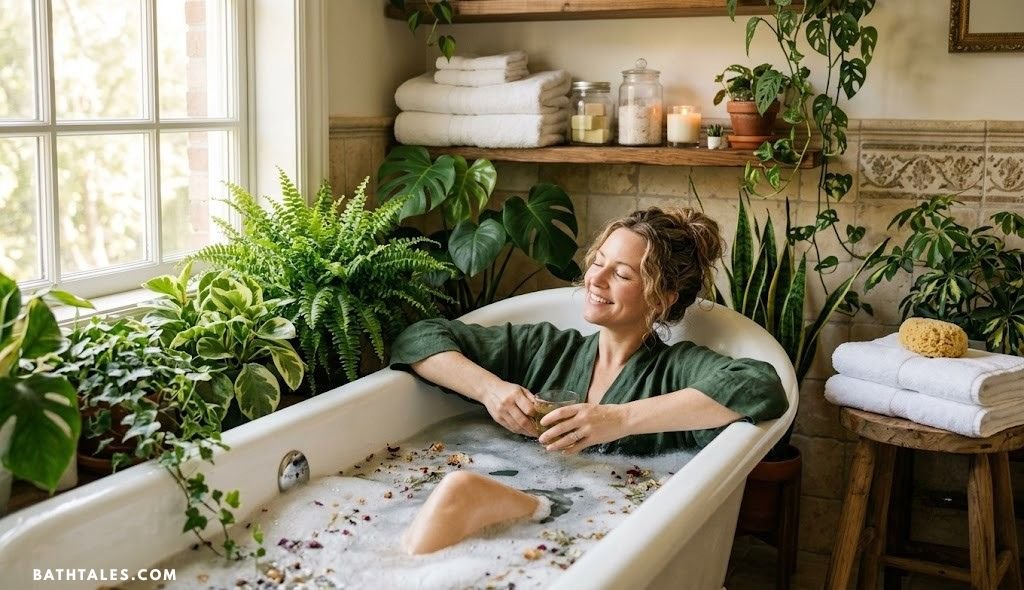
How to Make a Bath Comfortable: The Sensory Art of Deep Soaking
Transforming an ordinary tub into a cloud of warmth isn’t about expensive renovations. It’s about layering temperature, texture, sound, and scent until your bathroom becomes a sanctuary. Whether you’re easing muscle tension or escaping mental noise, every detail matters. We’ll walk through science-backed, tactile methods that make a bath not just comfortable but restorative. Along the way, you’ll discover how a consistent bath routine rewires your nervous system for calm. Comfort in the bath is not a single action but a symphony of small, intentional choices. The warmth of the water, the support under your neck, the faint scent of lavender drifting through steam—all these elements work together to create an experience that goes far beyond basic hygiene. When you understand the principles of thermal comfort, sensory modulation, and ritual design, every soak becomes an opportunity to reset your body and mind.
🌡️ 1. Water Temperature Alchemy
The foundation of bath comfort is precise heat. Too hot and you’ll feel dizzy; too cool and muscles stay tense. The ideal range sits between 98°F and 104°F (36.5°C–40°C). Use a floating thermometer to hit the sweet spot. If you’re curious about how bathing rituals differ, this guide on bathing as a woman explores temperature sensitivity and hormonal considerations. Water temperature affects vasodilation, muscle tone, and even the release of heat shock proteins that aid recovery. A bath that starts at 102°F and gradually cools over twenty minutes mimics the body’s natural evening temperature drop, signaling to your brain that it’s time to rest. For those with cardiovascular concerns, staying at or below 100°F is recommended. The key is consistency: fill the tub completely before entering so the porcelain or acrylic has time to absorb the heat, preventing cold spots. Adding a wooden bath board helps trap steam and maintain surface warmth. If you share a home, consider a tankless water heater or a larger hot water tank to avoid the dreaded mid-fill cold shock. The difference between a tolerable bath and a deeply comfortable one often comes down to a single degree.
Fill the tub before entering to avoid shocking your skin. A bath versus shower comparison shows immersion lowers cortisol more effectively. Warm water increases blood flow and primes muscles for relaxation. The initial shock of stepping into a poorly prepared bath can elevate heart rate and create tension—the exact opposite of what we want. Instead, let the water sit for two minutes after filling, allowing the temperature to equalize throughout the tub. Swirl the water gently with your hand to break up any thermal layers. If you notice the water cooling too quickly, a simple trick is to place a few smooth, clean river stones in the oven at a low temperature (around 200°F) for ten minutes, then carefully add them to the bath. They release steady warmth without scalding and add a grounding, earthy element to the soak. This technique has been used in Japanese onsen culture for centuries and transforms the bathing experience from a quick dip into a prolonged, therapeutic immersion.
 Perfect Your Soak: A reliable floating thermometer ensures every bath is safe and soothing.
View on Amazon
Perfect Your Soak: A reliable floating thermometer ensures every bath is safe and soothing.
View on Amazon
💡 2. Lighting & Ambiance
Harsh overhead lights break the spell. Switch to warm, dimmable sources: salt lamps, flameless candles, or a tiny waterproof lantern. The goal is soft shadows. As noted in how to take a bath mindfully, low light signals melatonin production. The human eye perceives comfort through color temperature measured in Kelvin. Bulbs rated between 2000K and 2700K emit a golden, candle-like glow that soothes the nervous system. Anything above 3000K begins to feel clinical. Consider layering your lighting: a dim wall sconce, a cluster of LED candles on the counter, and perhaps a small waterproof light submerged in the tub itself. Submersible lights create a magical, ethereal effect as the water diffuses the beam into a soft, colorful cloud. Avoid blue light from phones or tablets at least twenty minutes before your bath; the wavelength suppresses melatonin and counteracts the relaxation you’re trying to cultivate. If you enjoy reading in the bath, opt for a warm-toned book light clipped to your bath tray rather than relying on the room’s main fixture. The interplay of light and shadow on tile and water surface adds depth to the experience, making a small bathroom feel expansive and serene.
Position light sources at different heights to avoid glare. A candle placed at floor level behind a plant casts intricate, dancing shadows that mimic the flicker of a fireplace. This primal visual cue taps into deep-seated feelings of safety and warmth. If you use real candles, ensure they are in stable holders far from towels or curtains, and never leave them unattended. Flameless options have advanced significantly and now offer realistic flickering “flames” with remote controls and timers, allowing you to set the mood before you even enter the room. The color of the candle wax or LED hue also matters: ivory, blush, and soft amber reinforce the warm palette, while stark white or cool blue can feel jarring against the steamy, organic atmosphere of a comfort bath.
🎵 3. Soundscapes & Silence
Comfortable baths engage the ears too. Whether you prefer nature sounds, lo-fi beats, or complete silence, control the auditory environment. A waterproof Bluetooth speaker can sit on the rim. Explore how to make a bath more relaxing with curated playlists. Sound frequencies between 60 and 80 beats per minute have been shown to synchronize with the brain’s alpha waves, inducing a state of relaxed alertness perfect for creative thinking or gentle meditation. The sound of water itself—the subtle drip from the spout, the lap against the tub walls—acts as a form of white noise that masks jarring external sounds like traffic or household chatter. Create a dedicated bath playlist that runs exactly the length of your soak, so you don’t have to fumble with a device with wet hands. Include tracks that start slightly more rhythmic and gradually slow down, guiding your heart rate into deeper relaxation. If you prefer silence, consider adding a small tabletop fountain to the bathroom; the gentle trickle adds acoustic texture without the structure of music, creating a spa-like soundscape that feels both natural and luxurious.
Position the speaker near your head but away from direct splashes. Some models come with suction cups that adhere to tile, creating a surround-sound effect in the small, echo-friendly space of a bathroom. The goal is immersion without distraction—volume should be low enough that you can still hear your own breath.
🧂 4. Bath Salts & Mineral Soaks
Magnesium-rich salts ease muscle tension. Epsom salt, Dead Sea salt, and pink Himalayan salt each offer unique benefits. Check best bath salts for every type of soak and how much bath salt to use for correct dosing. The mineral content of your soak water directly impacts how your skin feels afterward. Epsom salt, chemically magnesium sulfate, helps reduce inflammation and can improve the skin’s barrier function. Dead Sea salt, rich in potassium and bromide, soothes conditions like eczema and psoriasis. For a truly comfortable bath, consider blending salts: two cups of Epsom salt for muscle relief, a half cup of Dead Sea salt for skin softening, and a quarter cup of baking soda to neutralize any irritants in tap water. Always dissolve salts fully before entering to avoid gritty residue that can scratch sensitive skin. The warmth of the water activates the ionic exchange, allowing minerals to absorb more effectively. If you’re pregnant, consult resources like best bath salts for pregnancy to ensure safety.
| Salt Type | Comfort Benefit | Ideal For |
|---|---|---|
| Epsom salt | Muscle relaxation | Soreness, stress |
| Dead Sea salt | Skin soothing | Eczema, dryness |
| Himalayan pink | Mineral boost | Detox, warmth |
| Magnesium flakes | Deep tissue relief | Chronic pain, athletes |
For athletes, best bath salts for muscle soreness is essential reading. Also consider bath salts for relaxation and sleep if your evening soak targets insomnia. The ritual of sprinkling salts into running water and watching them dissolve is itself a meditative act, signaling to your brain that care is beginning.

🧽 5. Cushioning & Physical Support
A hard tub floor ruins comfort. Use a full-length bath pillow or inflatable cushion. Neck support and lumbar rolls keep the spine aligned. The best bath products include ergonomic designs. The human body is not designed to lie against a rigid, curved surface for extended periods. Pressure points at the tailbone, shoulder blades, and heels can distract from relaxation and even cause numbness. Look for bath pillows with multiple suction cups that secure firmly to the tub wall and backrest. Memory foam-filled options conform to your unique shape, while inflatable pillows allow you to adjust firmness. For lumbar support, a rolled hand towel placed behind the lower back can make a dramatic difference. If you have a freestanding tub without a built-in slope, consider a full-length bath mat made of thick, cushioned PVC that covers the entire bottom. These mats not only provide padding but also add a layer of slip resistance. The positioning of your head is critical; when properly supported, your chin should be slightly tucked, and your neck should feel weightless. This alignment eases tension headaches and encourages deeper breathing.
For those with chronic back pain, a bath seat or inflatable wedge can transform the experience from painful to pain-relieving. Combine physical support with detox bath salts for a comprehensive therapeutic session.
🌸 6. Aromatherapy Layers
Lavender, chamomile, and eucalyptus directly affect the limbic system. Use a diffuser or add essential oils to carrier salts. See best essential oils for bath salts. Scent is the fastest route to emotional memory. The moment you inhale a familiar, comforting fragrance, your brain releases neurotransmitters associated with that past experience. To build a deep comfort association, choose a signature bath blend and use it consistently. A combination of clary sage, bergamot, and a touch of vanilla creates a warm, enveloping cloud that reduces cortisol. Never add essential oils directly to water; they will float undiluted and can irritate skin. Instead, mix five to ten drops with a tablespoon of jojoba oil or whole milk before swirling into the tub. The fat in the milk helps disperse the oils evenly and adds a silky feel to the water. For congestion or cold symptoms, a blend of eucalyptus, peppermint, and tea tree oil can open airways—pair with best bath salts for cold and flu for maximum relief. Aromatherapy can also be layered through a clay diffuser on the bath tray or a few drops on a warm washcloth placed over your chest.
🍵 7. Hydration & Tea Rituals
Warm baths dehydrate. Keep a cool glass of cucumber water or herbal tea nearby. The ritual enhances comfort. Many routines in best bath routine include hydration. As your core temperature rises, you sweat—even while submerged—losing fluids and electrolytes. Sip cool water infused with mint or citrus to maintain hydration without caffeine. Herbal teas like chamomile, lemon balm, or rooibos can be enjoyed warm, creating a contrasting temperature sensation that feels grounding. The vessel matters too: a beautiful ceramic mug or a stemless wine glass adds a touch of ceremony. Avoid alcohol, which dilates blood vessels and can lead to dizziness when combined with hot water. Place your drink on a stable bath tray within easy reach, and take small sips throughout the soak.
✨ 8. Pre-Bath Skin Prep
Dry brushing and a quick rinse remove dead cells, making skin receptive to moisture. Bath salts for dry skin complement this. Use a natural bristle brush with long strokes toward the heart, starting at the feet. This stimulates lymphatic drainage and exfoliates gently. Follow with a warm rinse to open pores before entering the bath. The combination of increased circulation from brushing and the mineral absorption from the soak maximizes the comfort and health benefits for your skin.
🤍 9. Post-Bath Comfort Ritual
Wrap in a heated towel or robe immediately. Pat skin dry and apply body oil within three minutes. This seals comfort. The transition from warm water to cool air is where many baths lose their magic. By pre-warming your towel on a heated rack or in a towel warmer, you extend the cocoon of warmth. Choose a robe made of Turkish cotton or waffle weave for breathable softness. Apply a rich, fragrance-free body butter or oil while skin is still slightly damp to lock in hydration. This moment of self-massage, even if brief, deepens the sense of care.
🧠 10. Mindset & Breathwork
Comfort is psychological. Practice 4-7-8 breathing while soaking. Making a bath more relaxing often starts with exhaling fully. Before entering the bath, set an intention. It could be as simple as “I am allowing myself to rest.” This mental framing shifts the activity from a routine wash to a deliberate act of self-compassion. As you soak, practice diaphragmatic breathing, placing one hand on your belly to feel it rise and fall. This activates the vagus nerve, lowering heart rate and blood pressure. If thoughts intrude, acknowledge them and visualize them dissolving into the steam.
📚 11. Bath Tray & Entertainment
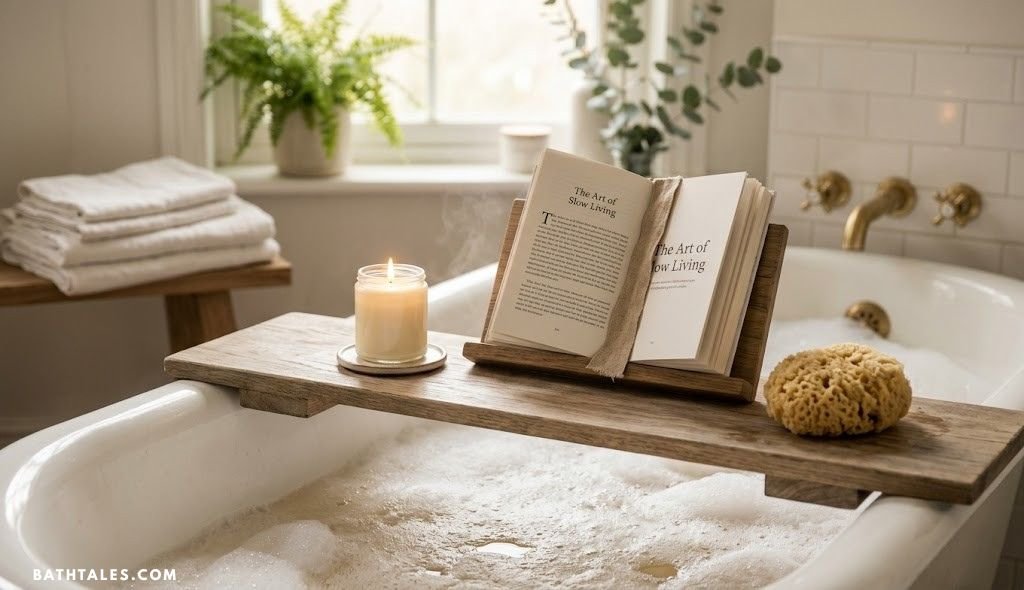
A bamboo tray holds a book, tablet, or snacks. It adds functionality without clutter. Refer to best bath products. The best trays are expandable and have a dedicated slot for a wine glass or mug. A waterproof tablet holder allows for hands-free viewing, but consider switching to an audiobook or podcast to keep the visual environment calm. The tray becomes your command center: book, drink, candle, and perhaps a small dish of chilled grapes or dark chocolate. Keeping everything within arm’s reach prevents you from having to twist or stretch awkwardly.
🧺 12. Textiles & Towel Warmth
Nothing shatters post-bath bliss like a cold, damp towel. Investing in plush, high-GSM (grams per square meter) towels transforms the drying experience. Look for long-staple cotton such as Egyptian or Turkish, which becomes softer with each wash. A towel warmer is a relatively small luxury that pays dividends in comfort every single day. Place your robe and towel inside fifteen minutes before your bath ends. Even without a warmer, a quick spin in the dryer or draping them over a radiator works. The tactile sensation of being enveloped in warmth as you step out is the final, crucial layer of the comfortable bath experience.
💧 13. Water Quality & Filtration
Hard water with high mineral content can leave skin feeling tight and itchy, undermining comfort. A bath filter that attaches to the spout removes chlorine and sediment, making the water feel noticeably silkier. This is particularly important for those with sensitive skin or conditions like eczema, addressed in best bath salts for sensitive skin. Adding a cup of apple cider vinegar or colloidal oatmeal to the bath can also neutralize irritants. The water should feel slippery and soft against your skin, not harsh or drying.
⏳ 14. Timing & Duration
A comfortable bath is long enough to unwind but not so long that skin prunes excessively or you feel lethargic. Twenty to thirty minutes is the ideal window. Set a gentle alarm with a chime rather than a jarring beep to signal the end of your soak. Timing your bath for early evening allows your body temperature to drop afterward, naturally promoting sleep. Avoid bathing immediately after a heavy meal, as digestion diverts blood flow and can cause discomfort.
🛡️ 15. Safety & Slip Prevention
True comfort requires feeling secure. A non-slip mat inside the tub and a bath mat outside prevent falls. Install a grab bar if mobility is a concern. Keep a small towel within reach to dry your hands before handling a phone or book. These practical measures ensure your relaxation isn’t interrupted by anxiety.
🌙 16. Evening Wind-Down Rituals
Pair your bath with a consistent pre-sleep sequence. Dim the lights an hour before, prepare your bath, and after drying off, move directly to a cool, dark bedroom. The contrast between the warm bath and the cool sheets can trigger a powerful sleep response. This routine is explored deeply in best bath routine.
🧴 17. In-Bath Skincare Layering
Steam opens pores, making it the perfect time for a hydrating face mask or a deep-conditioning hair treatment. Apply a clay mask at the start of your bath and rinse it off before you get out. The humidity keeps the mask from drying out too quickly. For body care, gently exfoliate with a konjac sponge or a soft mitt mid-soak when skin is fully hydrated.
🌬️ 18. Advanced Breathwork & Meditation
Beyond basic deep breathing, try alternate nostril breathing or a body scan meditation while immersed. The water’s buoyancy reduces sensory input, making it easier to focus inward. Visualize tension melting from each muscle group into the warm water. This practice can be more effective than seated meditation for those who struggle to sit still, as the warmth soothes restlessness.
🎨 19. Color Therapy & Visual Comfort
The colors surrounding your bath influence mood. Soft greens, blues, and earth tones promote calm. Consider a bath pillow in a muted sage, towels in warm oatmeal, and a shower curtain in dusty rose. Even the color of the bath water, tinted by pink Himalayan salt or a blue chamomile tea bag, can shift the aesthetic and emotional tone. Visual harmony is a subtle but powerful layer of comfort.
🙏 20. Gratitude & Journaling Soaks
Keep a waterproof notepad and pencil on your bath tray. As tension releases, positive thoughts often surface. Jotting down three things you’re grateful for during the last five minutes of your bath anchors the experience in positivity. This practice, combined with the physical warmth, can rewire neural pathways toward optimism over time.
🛁 21. Choosing the Right Tub: Depth, Shape & Material
Before you layer in salts, candles, and playlists, the tub itself sets the ceiling on how comfortable a bath can ever be. Depth matters more than most people realize: a standard alcove tub holds water to around 14–16 inches, which covers the hips but leaves shoulders exposed to cool air. A true soaking tub, by contrast, is built deeper — often 20 inches or more — so the water line reaches your collarbone and you don’t spend half the bath topping up heat that’s escaping into the room. If you’re renovating or shopping for a new tub, prioritize depth and a gentle backrest slope over jets or size alone; a well-angled backrest does more for comfort than any bubble jet ever will.
Material changes the entire feel of a soak, too. Cast iron and enameled steel hold heat reasonably well but take longer to warm initially, since the tub itself absorbs a lot of the first fill. Acrylic and fiberglass warm quickly and feel softer underfoot but lose heat faster once you’re settled in, which is why they pair well with the heated-stone or bath-board tricks mentioned earlier. Solid surface and stone resin tubs sit in between — slower to warm, but excellent at holding a stable temperature for a long soak. Copper soaking tubs, popular in modern spa-style bathrooms, conduct heat rapidly and can feel almost too warm to the touch at the rim even when the water itself is perfect, so test the material before leaning against it.
Shape is a comfort question as much as an aesthetic one. Japanese-style ofuro tubs are shorter and deeper, designed for an upright, knees-bent soak rather than a full recline — ideal for small bathrooms and for people who find a long horizontal position hard on the lower back. Clawfoot and freestanding oval tubs usually offer a gentle slope at one end, perfect for neck support without an extra pillow. Whatever shape you have, matching your height to the tub’s sloped end (rather than forcing your body into a tub built for someone shorter or taller) prevents the low-grade discomfort of sliding or crunching that many people wrongly blame on “just not being a bath person.”
If a full tub replacement isn’t in the cards, an insulated bath jacket or blanket that wraps around the exterior of an older cast iron tub can meaningfully slow heat loss, especially in cold climates or drafty older homes. Pair this with the best bath products for cushioning and you can noticeably extend how long a single fill stays comfortably warm.
It’s also worth thinking about tub placement within the room itself. A tub set against an exterior wall, especially in an older home with thin insulation, will lose heat to the wall behind it far faster than one on an interior wall shared with a heated living space. If you’re planning a renovation, positioning the tub away from exterior walls — or adding a layer of insulation behind the tub surround during construction — pays off every single time you bathe, not just on the coldest days of the year. Underfloor heating beneath and around the tub base is another renovation-stage upgrade that keeps both the floor and the lower half of the tub itself warmer, which matters more than people expect since a chilled tub floor conducts heat away from your body even when the water is perfect. For those not renovating, a simple bath mat placed directly against the exterior wall side of the tub, even outside the water, can reduce the draft you feel radiating off a cold wall while you soak.
🌫️ 22. Bathroom Climate: Ambient Temperature & Humidity Control
Water temperature gets all the attention, but the air around you matters just as much for sustained comfort. If the bathroom itself sits at a normal living-room temperature of 68–70°F, stepping out of a 102°F bath will always feel like a shock, no matter how warm your towel is. Aim to bring the room itself up to somewhere between 75°F and 80°F before you start running water — a small space heater, a heated towel radiator left on for twenty minutes beforehand, or simply running the hot tap for a few minutes with the door closed will raise ambient temperature enough to soften that transition.
Humidity is the other half of the equation. Steam rising from hot water raises relative humidity in a small, enclosed bathroom quickly, and a moderate level — somewhere around 50–60% — actually enhances the sense of coziness and helps skin stay supple. The instinct to run the exhaust fan the entire time works against this: constant extraction pulls out both moisture and warmth, leaving the room colder and drier by the time you’re ready to step out. A better approach is to skip the fan during the bath itself and run it only afterward, for ten to fifteen minutes, to clear excess condensation and prevent mold growth on grout and ceiling paint over time.
For homes with persistent humidity problems — peeling paint, foggy mirrors that never fully clear, or a faint mildew smell — a compact dehumidifier run between baths (not during) strikes the right balance: comfort during the soak, and a healthy, dry bathroom the rest of the day. A draft stopper under the bathroom door also helps trap warm, humid air where you want it instead of leaking it into hallways, which both saves heat and keeps the rest of the house from feeling damp.
🥛 23. Beyond Salts: Milk Baths, Oat Soaks & Bath Bombs
Salts aren’t the only additive that changes how water feels against skin. A classic milk bath — a cup or two of powdered milk plus a spoonful of honey stirred into running water — creates a silky, slightly cloudy soak that softens skin thanks to the lactic acid naturally present in milk, a gentle exfoliant similar in mechanism to some skincare acids. It’s an especially good option on nights when Epsom salt feels too drying, since the fat and protein in milk leave a light, moisturizing film rather than pulling moisture out.
Colloidal oatmeal — oats ground fine enough to fully suspend in water rather than settle at the bottom — is another comfort-focused addition, particularly for irritated, itchy, or sunburned skin. It coats the skin’s surface and has a genuinely calming effect on inflammation, which is why it shows up in so many over-the-counter eczema and rash treatments. A cup of colloidal oatmeal added to warm (not hot) water, since heat can worsen some types of itching, makes a noticeably gentler soak than a straight mineral bath.
Bath bombs bring a different kind of comfort: the sensory theater of fizzing, color, and scent released the moment they hit water. For many people this ritual moment — watching the bomb dissolve, the water shift color, the burst of fragrance — is itself part of what makes a bath feel like an event rather than a chore. The one caution worth flagging is slip risk: some bath bomb formulas include oils that can leave the tub surface slick, so a non-slip mat becomes even more important on bath-bomb nights, tying back into the safety practices covered earlier. A simple baking soda and apple cider vinegar soak, meanwhile, is a no-frills option that can help neutralize skin-irritating minerals in hard water without any added fragrance or residue.
♿ 24. Accessible & Body-Inclusive Bath Comfort
Comfort looks different depending on mobility, body size, and sensory needs, and a genuinely comfortable bath routine accounts for that rather than assuming a single body type. For anyone with limited mobility, a walk-in tub with a low, sealed door removes the need to step over a high tub wall, while a bath lift or transfer bench allows a safe, supported descent into the water without straining knees or hips. Textured, non-slip flooring inside the tub is worth the investment regardless of mobility level, but it becomes essential when balance is a concern.
For plus-size bathers, standard alcove tubs can feel cramped, with water barely covering the hips and little room to shift position. Wider soaking tubs — some models exceed 32 inches in interior width — and oval or corner tub shapes give more room to settle in without bracing against the sides the whole time. A wide, sturdy bath pillow that spans the full width of the tub back, rather than a small suction-cup neck pillow, tends to work better here, distributing weight more evenly and reducing pressure points along the shoulder blades.
Sensory-friendly bathing matters too, particularly for neurodivergent individuals or anyone sensitive to strong smells, bright light, or unexpected sound. Skipping scented products entirely, keeping lighting dim and consistent rather than flickering, and using a predictable, silent routine (same time, same steps, no surprises) can turn a bath from an overwhelming experience into a genuinely calming one. A firm, snug wrap in a towel immediately after — rather than loose draping — can provide the kind of deep pressure input that some people find grounding, similar in principle to a weighted blanket but achieved with ordinary towels rather than any specialized product.
Caregivers assisting someone else with bathing face their own comfort considerations, both for the person bathing and for their own back and joints. A handheld showerhead with a long hose makes rinsing far easier than trying to maneuver a person under a fixed spout, and a shower-tub combo with a fold-down bench can offer more flexibility than a traditional tub when full immersion isn’t practical or safe. Keeping the water temperature slightly lower than you might choose for yourself is also wise, since older adults and people with certain circulatory conditions can be more sensitive to heat and slower to signal discomfort. Building in extra time — for transfers, for checking in verbally throughout, for a slower and more careful drying routine — turns what could feel like a clinical task into something closer to the calm, unhurried ritual described throughout this guide, just adapted to a different set of needs.
❄️☀️ 25. Seasonal Bath Comfort: Winter Warmth vs Summer Cool-Downs
What counts as a comfortable bath shifts with the seasons, and treating every soak the same year-round misses an easy win. In winter, the goal is to fight heat loss at every stage: pre-warm the bathroom, use a deeper fill, choose heavier robes and towels, and lean into warming scents like cinnamon, clove, and cedarwood that reinforce the cozy, insulated feeling of the room. A hot water bottle tucked behind the neck or lower back adds another layer of localized warmth that a bath pillow alone doesn’t provide.
Summer calls for a different approach entirely. A bath at the usual 100°F+ range can feel oppressive in a hot, humid house, so many people shift toward a tepid soak in the 85–95°F range instead — still relaxing for muscles, but far less likely to leave you overheated afterward. Lighter, citrus-forward scents like lemon verbena, mint, or grapefruit feel more appropriate than heavy winter blends, and a cool, damp washcloth draped over the back of the neck during the soak keeps core temperature from creeping too high. Hydration becomes even more important in summer, since you’re already losing fluids to ambient heat before the bath even begins.
Regardless of season, matching your bath to the weather outside — rather than defaulting to the same routine in July as in January — is a simple, often-overlooked way to keep every soak feeling genuinely restorative instead of just tolerable.
Spring and fall bring their own transitional quirks. Damp, chilly spring evenings often call for a routine closer to winter’s, even if daytime temperatures feel mild, since evening humidity can make a home feel colder than the thermometer suggests. Fall, by contrast, is a good season to experiment with the contrast therapy described later in this guide, since outdoor air is often cool enough to make a brief post-bath cold rinse feel invigorating rather than harsh. Keeping a small seasonal box of bath additions — warming spices and heavier robes for winter, light citrus oils and a stack of cooling washcloths for summer — makes it easy to switch the whole routine over in a few minutes rather than having to think through every adjustment each time the weather shifts.
📵 26. Digital Detox & Privacy Rituals
Physical comfort can be completely undone by a phone buzzing on the bath tray. One of the simplest, most effective upgrades to a bath routine costs nothing: leaving your phone in another room entirely. If you use it for music or a timer, put it in airplane mode or download content in advance so notifications can’t interrupt the soak. A basic analog kitchen timer with a soft chime does the job just as well as a phone alarm, without the temptation to “just quickly check” something.
Privacy matters beyond devices, too. If you share a home, a simple, agreed-upon signal — a note on the door, a specific time block, a lock — protects the uninterrupted stretch of time a comfortable bath actually needs. For parents or those living with roommates, communicating in advance (“I’m taking a bath from 9 to 9:30, please don’t knock unless it’s an emergency”) removes the low-level vigilance that keeps the nervous system from fully settling, which undercuts even the most carefully arranged lighting and temperature.
If journaling appeals to you more than scrolling, keep a small waterproof notepad on the tray as described in the gratitude soak section above — it gives your hands something to do that isn’t reaching for a screen, while still capturing whatever thoughts surface during the quiet.
🧊 27. Contrast Therapy: Cold Plunges & Warm Soak Pairings
Pairing a warm bath with a brief cold exposure afterward is a practice with deep roots in both Scandinavian sauna culture and Japanese onsen tradition, and it’s gaining renewed popularity for its effect on mood and alertness. The basic idea: after fifteen to twenty minutes in warm water, a short 20–30 second blast of cool water — either a quick cold shower rinse or, for the more adventurous, a genuine cold plunge — triggers a rush of norepinephrine that many people describe as an immediate mood lift, distinct from the drowsy relaxation of the warm soak alone.
This isn’t necessary for every bath, and it isn’t for everyone — anyone with cardiovascular conditions, high blood pressure, or a history of fainting should check with a doctor before trying rapid hot-to-cold transitions, since the sudden vasoconstriction places real stress on the heart. For those who do enjoy it, the simplest version doesn’t require special equipment: step out of the bath, stand in the shower, and switch to the coldest comfortable setting for a short burst before wrapping up in a warm towel. The contrast between the two temperatures often makes the final warm-towel wrap-up (see the textiles section) feel even more luxurious than it would after a bath alone.
💰 28. Budget vs Luxury: Comfort Upgrades at Every Price Point
A genuinely comfortable bath doesn’t require a full renovation. Plenty of the highest-impact changes cost nothing at all: dimming the overhead light and lighting a single candle, rolling a bath towel into a makeshift neck pillow, running a free playlist instead of buying a waterproof speaker, or simply remembering to fill the tub fully before getting in. These free adjustments alone solve most of the discomfort people associate with baths in the first place.
| Comfort Element | Budget Approach | Luxury Upgrade |
|---|---|---|
| Warmth retention | Rolled towel lumbar support | Built-in heated backrest or bath jacket |
| Lighting | Single dimmed lamp or candle | Smart dimmable sconces, submersible LED lights |
| Sound | Free phone playlist, door closed | Waterproof in-wall speakers |
| Towel warmth | Dryer spin before bath | Wall-mounted heated towel rail |
| Cushioning | Folded towel behind neck | Ergonomic memory-foam bath pillow |
Mid-range upgrades — a floating thermometer, a bamboo bath tray, a proper bath pillow — sit comfortably between these two extremes and tend to offer the best return per dollar spent, since they address the specific friction points (uneven heat, no surface for a drink or book, an uncomfortable neck) rather than adding general ambiance. Whatever budget you’re working with, prioritizing warmth retention and physical support tends to matter more for comfort than scent or decor, since a chilly or sore bath rarely feels relaxing no matter how good it smells.
It’s worth resisting the temptation to buy every product mentioned across this guide at once. A more effective approach is to identify the single biggest source of discomfort in your current bath routine — a cold bathroom, an aching neck, a tub that never seems to stay warm — and address that one issue first before layering in anything else. Most people find that once the core problem is solved, the remaining upgrades (a nicer scent, a better speaker, a fancier tray) start to feel like genuine indulgences rather than fixes for something that was bothering them the whole time. This staged approach also keeps the cost manageable, letting the routine evolve gradually rather than requiring a single large purchase before the first truly comfortable bath is even possible.
🩹 29. Bath Comfort for Hormonal Shifts: Cramps, Hot Flashes & Menopause
For menstrual cramps, warm water is one of the simplest, most reliable comfort tools available — heat increases blood flow to the pelvic area and helps relax the uterine muscle contractions responsible for cramping pain. A slightly deeper soak than usual, with the water covering the lower abdomen fully, combined with an Epsom salt or magnesium-rich soak from the bath salts section, tends to provide more relief than a shallow bath where the area stays only partly submerged.
Hot flashes and night sweats associated with perimenopause and menopause call for the opposite instinct in some cases. A very hot bath can trigger or intensify a flash for some people, so experimenting with a slightly cooler soak — closer to 95–98°F rather than the usual upper range — and keeping a cool washcloth nearby for the face and neck can make the experience more comfortable. Timing matters too: a bath scheduled for a period of the day when flashes are less frequent, rather than right before bed if night sweats are a concern, may work better for some.
As always with hormonal symptoms, individual responses vary considerably, and anyone managing significant menstrual pain, perimenopausal symptoms, or menopause-related discomfort should discuss options with a doctor rather than relying on bathing alone. For pregnancy-specific guidance, the earlier note on best bath salts for pregnancy remains the right starting point, since temperature limits during pregnancy are stricter than for general hormonal discomfort.
✅ 31. Build Your Own Comfort Checklist
With so many variables in play — temperature, room climate, lighting, scent, support, timing — it helps to have a simple sequence to run through rather than trying to remember every detail from scratch each time. The following checklist condenses the guide into a repeatable pre-bath, during-bath, and post-bath routine.
| Phase | Action |
|---|---|
| Before | Warm the room 15–20 minutes ahead; set towel and robe near a heat source |
| Before | Put phone in another room or airplane mode; set an analog timer |
| Filling | Fill tub fully before entering; check temperature with a floating thermometer |
| Filling | Add salts, milk, or oatmeal soak while water runs so it fully dissolves |
| Setting | Dim overhead lights; light a candle or use warm-toned bulbs |
| Setting | Position bath pillow, tray with drink and book, and speaker if using one |
| During | Practice a few minutes of slow breathing before reaching for anything else |
| After | Wrap immediately in a pre-warmed towel; apply body oil while skin is damp |
| After | Run the exhaust fan for 10–15 minutes to clear humidity and prevent mildew |
Print this out, screenshot it, or simply run through it mentally the next few times you draw a bath. After a handful of repetitions, the sequence becomes automatic, and a comfortable bath stops being something you have to plan for and becomes simply how you bathe.
Over time, you’ll likely find that certain steps matter far more to you personally than others — maybe the room temperature makes or breaks the experience, while scent barely registers, or the opposite is true. Feel free to treat this checklist as a starting template rather than a rigid rulebook, trimming steps that don’t add much for you and doubling down on the two or three that consistently make the biggest difference. The point of building a repeatable comfort routine isn’t to follow every single recommendation in this guide every time; it’s to stop leaving the most comfortable version of a bath to chance.
📊 Ultimate Comfort Comparison: Salts & Soaks
| Product Type | Primary Comfort | Best For | Detail Link |
|---|---|---|---|
| Dead Sea Salt | Skin calming | Eczema, psoriasis | Dead Sea vs Epsom |
| Magnesium Flakes | Deep muscle relief | Athletes, chronic pain | Magnesium flakes vs Epsom |
| Himalayan Pink Salt | Mineral warmth | Detox, circulation | Best Himalayan pink salt |
| Organic Blends | Aromatherapy + minerals | Holistic relaxation | Best organic bath salts |
| Athlete Recovery | Intense muscle repair | Post-workout | Best bath salts for athletes |
✅ Pros of Mineral Baths
- Reduces muscle tension naturally
- Improves skin hydration and barrier
- Enhances sleep quality
- Customizable with essential oils
⚠️ Considerations
- May dry skin if overused
- Not all salts suit sensitive skin
- Requires tub cleaning after use
 Support Every Soak: An ergonomic bath pillow keeps your neck and back comfortable through a full 30-minute bath.
Shop Bath Pillows
Support Every Soak: An ergonomic bath pillow keeps your neck and back comfortable through a full 30-minute bath.
Shop Bath Pillows
❓ Frequently Asked Comfort Questions
How often should I take a comfort bath?
2–3 times weekly, depending on skin sensitivity. Listen to your body’s cues.
Can I use bath salts every day?
Yes, but gentle formulas like bath salts for sensitive skin are best.
What temperature is too hot?
Above 104°F may cause dizziness or skin damage.
How to make a bath comfortable during pregnancy?
Use warm water and pregnancy-safe salts.
Do bath salts expire?
Check do bath salts expire.
Can I make bath salts at home?
Absolutely, DIY bath salts guide.
Best salts for eczema?
Bath salts for eczema with Dead Sea minerals.
Cold and flu comfort?
Best bath salts for cold with eucalyptus.
How can I keep my bath water warm longer?
Use a bath board to trap steam, pre-warm the tub, and add heated stones.
What is the best material for bath towels?
Long-staple Turkish or Egyptian cotton with a high GSM for maximum absorbency and softness.
What’s the best tub depth for a comfortable soak?
Look for at least 14–16 inches of water depth; true soaking tubs at 20 inches or more keep shoulders submerged for longer, more even warmth.
Should I run the exhaust fan during a bath?
It’s better to skip it during the soak and run it for 10–15 minutes afterward, since constant extraction pulls out warmth along with moisture.
Is a milk bath better than a salt bath?
Neither is universally “better” — milk baths are gentler and more moisturizing, while salt baths are better for muscle soreness and detox-style soaks.
Is cold water after a hot bath safe?
For most healthy adults, a brief cold rinse is safe and can boost mood, but anyone with cardiovascular conditions should check with a doctor first.
What water temperature helps with menstrual cramps?
A warm soak in the usual 98–104°F range, with water covering the lower abdomen, tends to ease cramping by relaxing uterine muscle tension.
Your Comfortable Bath Awaits
From water temperature to post-bath oil, every layer matters. Start with one change tonight—perhaps a floating thermometer or a new bath pillow—and notice how the experience deepens. Comfort is not a destination but a practice, refined with each soak. For more guidance, explore building your best bath routine and curating the perfect products.