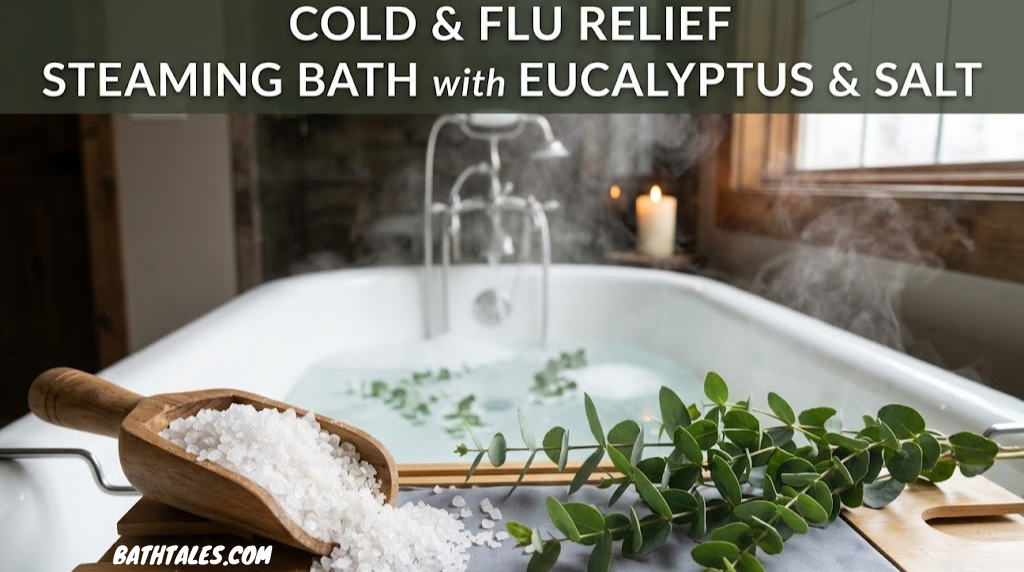
Soak Away the Sickness: The Best Bath Salts for Cold & Flu Relief
Science-backed picks to ease congestion, silence body aches, and get you back on your feet faster.
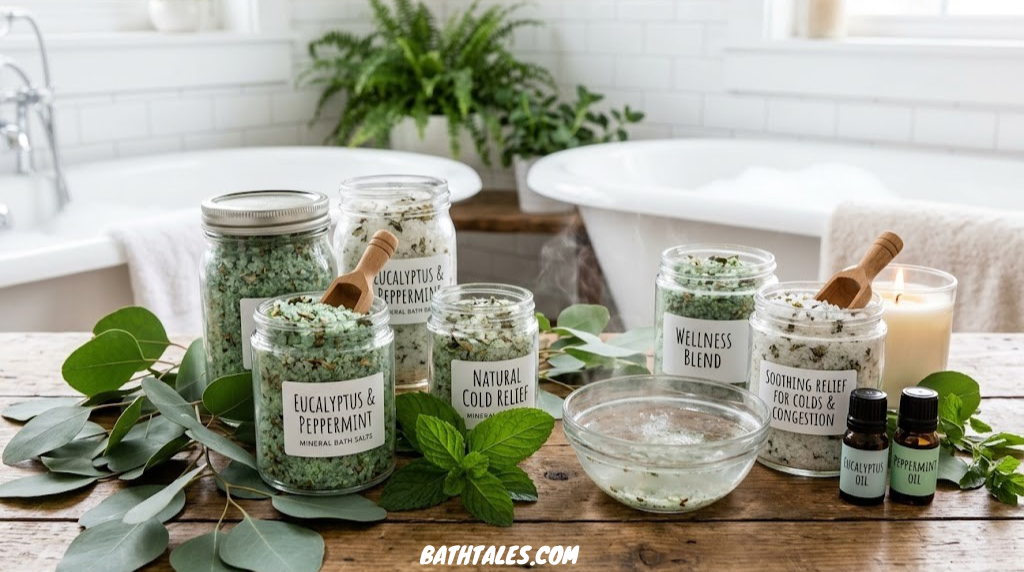
Why Bath Salts Actually Help When You’re Sick
There’s a reason every grandmother reaches for the salt canister when someone gets a cold. It turns out she was onto something the research now backs up.
When a cold or flu hits, your body wages a full-scale internal war. Your immune system floods tissues with inflammatory chemicals, your muscles ache from cytokine activity, your sinuses swell shut, and your sleep goes completely off the rails. Bath salts — specifically mineral-rich salts dissolved in warm water — address several of these problems simultaneously, which is why a soak feels so profoundly relieving when you’re run down.
The mechanism isn’t magic; it’s mineral chemistry and thermal physiology working together. Here’s what’s actually happening during that warm soak:
Transdermal magnesium absorption. Epsom salt (magnesium sulfate) dissolves in water and allows magnesium ions to cross the skin barrier. Magnesium plays a critical role in over 300 enzymatic reactions, including those governing inflammation and muscle function. When you’re sick, magnesium is depleted rapidly. Replenishing it through the skin — even partially — can noticeably ease the deep muscle ache that defines flu.
Steam and vapor therapy. A hot bath creates a personal steam room. When you add eucalyptus, peppermint, or tea tree essential oils to your bath salts, their volatile compounds become airborne in the steam. Breathing this in acts like a natural decongestant, loosening mucus and opening nasal passages without the rebound congestion that comes from pharmaceutical sprays.
Core temperature cycling. Immersing yourself in warm water raises your core body temperature slightly. When you exit the bath, your body cools rapidly, which mimics the drop in body temperature that naturally precedes deep sleep. For someone with a cold or flu fighting off disrupted sleep, this can be the difference between a miserable, restless night and genuine restorative rest.
Lymphatic stimulation. Warm water and gentle mineral contact encourage lymphatic drainage — the system responsible for shuttling immune cells through your body. An active lymphatic system means your immune response can work more efficiently. This is why people often feel not just physically better but clearer-headed after a salt bath during illness.
This is quite different from, say, bath salts designed purely for relaxation and sleep, though there’s certainly overlap. Cold and flu formulations specifically prioritize decongestant botanicals, anti-inflammatory minerals, and warming aromatic compounds that the general relaxation category often doesn’t include.
The key distinction: Bath salts won’t cure your cold. They address the symptoms — the suffering, the disrupted sleep, the aching body — while your immune system does the actual viral elimination. Think of them as high-quality symptom management, not treatment.
Which Cold & Flu Symptoms Bath Salts Can Target
Not all cold and flu symptoms respond equally to a bath soak. Understanding what you’re getting relief for helps you choose the right formulation and set realistic expectations.
Nasal Congestion
Steam + eucalyptus / peppermint oils work as natural decongestants by thinning mucus and opening airways.
Body Aches
Magnesium in Epsom salt reduces muscular tension and inflammation directly. One of the strongest use cases for bath salts.
Disrupted Sleep
The post-bath thermal drop + magnesium’s effect on GABA receptors promotes deeper, more restorative sleep.
Chills
Warming mineral salts with ginger or cayenne extracts raise circulation and provide relief from persistent chills.
Headache / Sinus Pressure
Steam + eucalyptus reduces the sinus swelling driving most cold-related headaches.
Chest Tightness
Vapor from eucalyptus and camphor-infused salts can ease mild chest tightness and encourage productive breathing.
What bath salts don’t help: Fever reduction (they can actually raise body temp temporarily), nausea, diarrhea, or vomiting associated with stomach flu. They also provide no antiviral action — the viral load in your body isn’t affected by bathing.
For those dealing with both cold symptoms and general skin dryness that comes with illness, formulations specifically designed for dry skin can layer both benefits into one soak.
Types of Bath Salts That Work Best for Cold & Flu
The salt base you choose matters enormously for which symptoms get addressed. Here’s a breakdown of the most effective types and what each brings to a sick-day soak.
Epsom Salt (Magnesium Sulfate)
Epsom salt is the undisputed workhorse of sick-day bathing. Its primary active component is magnesium — a mineral that the body burns through rapidly during immune activation. The flu in particular, with its systemic body aches and inflammatory cascade, depletes magnesium at a rate that dietary intake rarely keeps up with.
A standard 2-cup Epsom salt soak delivers enough magnesium via the transdermal route to meaningfully reduce muscle tension and inflammatory signaling within 20 minutes. This is why flu body aches often feel notably better immediately after a soak. For a deeper comparison of magnesium delivery methods, see our guide on magnesium flakes vs Epsom salt.
Dead Sea Salt
Dead Sea salt contains a unique mineral cocktail: magnesium, potassium, calcium, bromide, and a dozen trace minerals not found in ordinary sea salt or Epsom salt. This multi-mineral approach has a broader anti-inflammatory effect and is particularly valuable for people who experience skin flares during illness — as the immune activation of a cold can worsen conditions like eczema or psoriasis.
If you’re deciding between the two options, our detailed Dead Sea salt vs Epsom salt comparison walks through exactly when each is the better choice. For sick-day soaking, many formulations wisely blend both.
Himalayan Pink Salt
Himalayan pink salt brings roughly 84 trace minerals in crystalline form. Its appeal for cold and flu lies less in any single standout mineral and more in its gentle, broad-spectrum mineral replenishment. It also dissolves beautifully in warm water and pairs naturally with warming aromatics like ginger, black pepper, and cinnamon — which makes it the most popular base for warming sick-day blends. Our full breakdown of the best Himalayan pink bath salts offers more options in this category.
Sea Salt (Mediterranean / Celtic)
Standard sea salts don’t offer the concentrated mineral profiles of Dead Sea or Himalayan varieties, but they still provide meaningful mineral contact and create the osmotic environment needed for steam-and-mineral therapy to work. They’re typically the lowest cost option and work well as a base to blend with other salts.
Magnesium Chloride Flakes
A step beyond Epsom salt, magnesium chloride (MgCl₂) is considered to have higher bioavailability than magnesium sulfate. It absorbs more readily through skin and is less likely to cause the laxative-adjacent effect that very high-dose Epsom salt sometimes produces in sensitive individuals. For people who find Epsom salt too intense during illness, magnesium flake baths are an excellent alternative.
The power combination: The most effective cold and flu soaks use a blend — typically Epsom salt as the magnesium backbone, Dead Sea salt for broad mineral support, and Himalayan salt to carry warming aromatics. Many top commercial products have figured this out.
The Science Behind Salt Bathing: What Research Actually Shows
Bath salt therapy isn’t just folk wisdom. A growing body of peer-reviewed research supports the mechanisms behind mineral bathing — though the picture is more nuanced than most product marketing suggests.
Transdermal Magnesium: The Evidence
The question of whether magnesium can actually absorb through the skin has been debated in the scientific community for years. A landmark 2017 study published in Nutrients by Watkins and Josling examined transdermal magnesium delivery specifically and found that magnesium ions do cross the skin barrier, though the rate of absorption varies based on skin condition, water temperature, and concentration. Participants who soaked in magnesium-rich water showed measurable increases in serum magnesium levels after 12 sessions over four weeks.
What this means practically: a single Epsom salt bath during a cold won’t dramatically transform your blood magnesium levels overnight. But consistent daily soaking during a 3-to-5-day illness creates a cumulative effect that meaningfully supplements dietary magnesium intake. The body is burning through magnesium rapidly during immune activation — fighting a viral infection is metabolically expensive — so even partial replenishment through the skin reduces the deficit your muscles and nervous system are operating under.
The critical variable is concentration. Using 2 cups of Epsom salt in a standard bathtub (approximately 30 gallons / 115 liters of water) creates a solution of roughly 1% magnesium sulfate by weight. This is substantially higher than what you’d encounter in most municipal water supplies, and it’s the concentration range where the Watkins and Josling study observed meaningful absorption.
Dead Sea Mineral Research
The Dead Sea has been a therapeutic bathing destination for millennia, and modern dermatological research has validated several of its claims. A comprehensive review published in the International Journal of Dermatology examined the anti-inflammatory effects of Dead Sea minerals and found that the combination of magnesium, potassium, calcium, and bromide produced measurable reductions in skin inflammation markers — specifically cytokines IL-6 and IL-8, the same inflammatory chemicals that drive many cold and flu symptoms.
The bromide content is particularly relevant for sick-day bathing. Bromide ions have documented mild sedative and muscle-relaxant effects. When you’re dealing with the restless, achy inability to sleep that comes with influenza, Dead Sea salt bathing addresses both the physical discomfort and the nervous system hyperexcitability simultaneously. This dual action is something plain Epsom salt alone doesn’t fully deliver.
Thermal Therapy and Immune Function
The temperature component of bath salt bathing deserves its own scientific attention. Research on deliberate heat exposure — including hot baths, saunas, and steam rooms — has shown that raising core body temperature by even 1–2°C activates heat shock proteins (HSPs). These proteins play a role in immune cell activation and have been associated with improved viral clearance in some animal models.
A 2020 Finnish population study published in the European Journal of Epidemiology tracked habitual sauna bathers (who regularly expose themselves to high-temperature conditions similar to hot baths) and found that those bathing 4+ times per week had a 30% lower risk of developing pneumonia and reported fewer upper respiratory infections overall. While this doesn’t prove that a hot bath during an active cold will speed recovery, it strongly supports the principle that regular thermal stress supports immune resilience.
The practical takeaway for sick-day soaking: the warm water in your bath is doing real physiological work, not just creating a pleasant sensation. The heat is activating immune pathways, improving circulation to infected tissues, and supporting the inflammatory processes your body needs to fight the virus. The salts dissolved in that water add a mineral delivery dimension on top of the thermal benefit.
Aromatherapy Inhalation: Clinical Support
The decongestant effect of eucalyptus oil in a bath salt soak has been studied primarily through the lens of 1,8-cineole (eucalyptol) — the primary active compound in eucalyptus globulus oil. A clinical trial published in Laryngoscope examined cineole’s effect on sinusitis patients and found significant improvement in sinus drainage, headache severity, and subjective breathing quality compared to placebo. The mechanism is direct: cineole reduces mucosal swelling and stimulates the cilia (tiny hair-like structures) that move mucus out of the sinuses.
Peppermint oil’s active compound, menthol, works through a different pathway. It activates cold-sensitive receptors (TRPM8) in the nasal passages, creating the sensation of airflow even when nasal tissues are still partially swollen. This is why peppermint feels like it “opens” your nose almost immediately — it’s partially a sensory signal rather than a purely mechanical decongestant. The combination of eucalyptus (mechanical decongestant) and peppermint (sensory opener) is why the two are so frequently paired in sick-day bath salt formulations.
What the science supports vs. what it doesn’t: The research strongly supports salt bathing for symptom management — muscle aches, congestion, sleep quality, and inflammation. What it does not support are claims that bath salts can “boost immunity,” “kill viruses,” or “detox your body” in the way those terms are often marketed. The salts help your body do what it’s already doing, more comfortably.

⭐ Editor’s Foundation Pick
Epsoak USP Grade Epsom Salt — 5 lb Bag
Pharmaceutical-grade magnesium sulfate, USP certified, unscented — the perfect base for any sick-day soak. Dissolves fast, no fillers.
Check Price on Amazon →The Top 7 Bath Salts for Cold & Flu Relief
These picks were evaluated on mineral density, aromatic effectiveness for decongestion, skin compatibility during illness, and overall soak experience — not just ingredient lists.
Dr Teal’s Epsom Salt Soaking Solution — Eucalyptus & Spearmint
Dr Teal’s is the gateway drug to sick-day bathing for good reason. The 48 oz bag contains USP grade Epsom salt — plain magnesium sulfate without fillers — combined with a genuinely effective eucalyptus and spearmint essential oil blend. The aromatic release when this hits hot water is immediate and powerful. Within minutes of getting in, your nasal passages respond to the eucalyptol vapor. The magnesium sulfate does its quiet work on body aches underneath.
What sets this apart from the competition at this price point is the concentration of essential oil. Many budget Epsom blends use fragrance oils (synthetic) rather than actual eucalyptus and spearmint. Dr Teal’s uses the real compounds that produce the therapeutic vapor effect. The difference in a steam environment is substantial.
The formula also includes grapeseed oil, which prevents the slight skin-drying effect that straight Epsom salt can cause — particularly useful when you’re already dealing with the dehydration that comes with running a fever. For those who want to layer complementary aromatics, our guide to the best essential oils for bath salts covers what pairs well with eucalyptus.
✓ Pros
- Real eucalyptus oil, not synthetic fragrance
- Powerful steam-decongestant effect
- Grapeseed oil prevents skin drying
- Excellent value — widely available
- Dissolves completely, no grit residue
✗ Cons
- Strong scent — may be intense for sensitive noses
- No Dead Sea or Himalayan minerals
- Not ideal for children under 6

🥇 Top Pick
Dr Teal’s Epsom Salt — Eucalyptus & Spearmint (48 oz)
The go-to sick-day soak used by millions. Powerful decongestant vapors, real eucalyptus oil, plus magnesium for body aches.
View on Amazon →Solimo Epsom Salt — Unscented (8 lb)
Amazon’s own Solimo brand offers pharmaceutical-grade USP Epsom salt at a price that makes generous dosing possible. If your primary symptom is the deep, bone-level muscle ache that defines true influenza rather than a common cold, this is your pick. The therapeutic strategy here is volume: using 2 full cups in a standard tub at the highest safe water temperature you can tolerate, then staying in for a full 20 minutes.
No essential oils means no aromatic interference — perfect for people who are already using a vapor rub on their chest and don’t want competing scents. It’s also ideal for anyone with sensitive skin that might react to botanical extracts during illness when the skin barrier is already compromised.
Because it’s unscented, this is also the best choice for adding your own eucalyptus or peppermint essential oils at the dose you want rather than being locked into a manufacturer’s blend. See the essential oil pairing guide for how to add them effectively.
✓ Pros
- USP pharmaceutical grade — highest purity
- Unscented — no fragrance sensitivity risk
- Best price per pound for quality Epsom salt
- Dissolves quickly in warm water
✗ Cons
- No botanical additions for congestion
- You’ll need to add your own aromatics
- Less glamorous packaging
Westlab Revive Mineral Bath Salt
Westlab’s Revive blend is one of the few commercial products that intelligently combines Epsom and Dead Sea salts with actual eucalyptus oil. The Dead Sea salt component adds a mineral profile — potassium, calcium, and bromide in particular — that pure Epsom formulations simply don’t have. Bromide is particularly interesting here; it has a mild calming, muscle-relaxing effect that complements the magnesium sulfate nicely during restless sick nights.
The eucalyptus concentration is more restrained than Dr Teal’s, which will suit people who want decongestant benefit without being overwhelmed. This makes it particularly good for evening soaks when you’re trying to transition into sleep rather than shock your sinuses awake. People dealing with skin flares during illness should also note that Dead Sea salt is the gold standard for eczema-prone skin, making Westlab a smart choice if illness has triggered a flare.
✓ Pros
- Genuine Epsom + Dead Sea blend
- Multi-mineral approach addresses more symptoms
- Moderate eucalyptus — suitable for evening use
- Skin-compatible for eczema-prone users
✗ Cons
- Higher price per use
- Less widely available offline
- Weaker congestion effect than Dr Teal’s

🥉 Multi-Mineral Pick
Westlab Revive — Epsom + Dead Sea Salt
The only mainstream product combining both Epsom and Dead Sea salt with real eucalyptus. Ideal for full-body sick-day relief.
View on Amazon →Kneipp Inhalation Mineral Bath Salt — Eucalyptus
Kneipp is a German wellness brand with roots in hydrotherapy that go back over 130 years — which means they actually understand mineral bathing at a technical level most brands don’t. Their Eucalyptus Mineral Bath is specifically formulated as an inhalation product, not merely a scented bath. The eucalyptus oil concentration is meaningfully higher than most competitors, and the brand’s transparency about this — listing the eucalyptus oil percentage on the packaging — sets them apart from the vague “fragrance” categories you’ll see elsewhere.
The mineral base is a blend of natural mineral salts from German springs with a specific focus on supporting respiratory relief. For people dealing with a cold that has settled into the chest — the lower respiratory congestion that makes you cough but nothing comes up — Kneipp’s inhalation approach is the strongest non-pharmaceutical option in this category.
✓ Pros
- Formulated specifically as an inhalation bath
- Highest eucalyptus concentration in class
- 130+ years of German hydrotherapy heritage
- Transparent ingredient percentages
✗ Cons
- Premium price point
- Scent is medicinal — not for everyone
- Smaller package size than US alternatives
Pursoma Hot Tub Mineral Bath Salt
Pursoma’s Hot Tub bath was originally formulated for post-workout recovery, but its combination of organic Dead Sea salt, Himalayan pink salt, and activated charcoal makes it a compelling sick-day soak for people who prioritize organic, clean-label products. The activated charcoal component supports detoxification pathways — the idea being that helping your body clear waste more efficiently frees up metabolic bandwidth for immune function.
The formula also contains organic ginger root — not as an aromatic but as a functional warming agent. Ginger has documented anti-inflammatory and nausea-reducing properties. During a cold, particularly one with a stomach component or chills, ginger root in the bath is a meaningful addition rather than mere branding. This overlaps well with our coverage of the best detox bath salts if you want to explore that category further.
✓ Pros
- Certified organic ingredients
- Activated charcoal for detox support
- Organic ginger root for warming + anti-nausea
- Dead Sea + Himalayan salt dual base
✗ Cons
- Expensive (small batch, premium pricing)
- Charcoal may leave faint tub residue
- No eucalyptus — weaker congestion effect

🌿 Organic Pick
Pursoma Hot Tub — Organic Detox Bath Salt
Dead Sea + Himalayan salt + organic ginger + activated charcoal. A premium sick-day soak for clean-label enthusiasts.
View on Amazon →Sky Organics Epsom Salt — Eucalyptus & Peppermint
Sky Organics delivers a USDA certified organic eucalyptus and peppermint Epsom salt blend at a price point that competes with conventional products. The peppermint addition is significant: menthol from peppermint oil has a slightly different — and arguably more immediate — decongestant action than eucalyptol. Many people find the peppermint-eucalyptus combination more powerful than eucalyptus alone for opening nasal passages quickly.
The organic certification also means no synthetic fragrance oils substituting for the real essential oils — a problem rampant in the budget bath salt category. What you’re smelling is actual peppermint and eucalyptus, which means it does the work those compounds are known for. For those comparing budget options across the broader bath salt landscape, our comprehensive guide to bath salts for every type of soak offers more context.
✓ Pros
- USDA certified organic — real EOs confirmed
- Peppermint + eucalyptus combination is powerful
- Strong decongestant effect at budget price
- Good customer satisfaction record
✗ Cons
- Pure Epsom — no Dead Sea or Himalayan minerals
- Peppermint can be intense — ventilate bathroom
- Smaller 16 oz packaging
Better Bath Better Body Cold & Flu Soak
Better Bath Better Body is one of the very few brands that actually markets directly to cold and flu sufferers with a formula intentionally designed for that purpose. The Cold & Flu Soak contains a triple aromatic stack — eucalyptus for inhalation and decongestion, peppermint for sharp menthol effect, and lavender to take the edge off the stimulating quality of the first two and help you transition toward rest.
This three-way combination solves a real problem: pure eucalyptus-peppermint baths can be invigorating rather than sleep-inducing, which isn’t ideal if you’re trying to soak at night before bed. The lavender tempers the stimulation while the decongestant compounds do their work. The base is a blend of Epsom and Dead Sea salts, giving it more mineral breadth than single-salt products. This is also one of the better options for people whose colds significantly disrupt sleep — for more on this use case, see our coverage of bath salts specifically optimized for relaxation and sleep.
✓ Pros
- Purpose-built cold & flu formula
- Triple aromatic (eucalyptus + peppermint + lavender)
- Epsom + Dead Sea salt combination
- Balances decongestant effect with sleep support
✗ Cons
- Essential oil blend can vary between batches
- Lavender may reduce the “sharp” decongestant hit
- Less widely stocked in physical stores

🌙 Sleep + Relief Pick
Better Bath Better Body — Cold & Flu Soak
Eucalyptus + peppermint + lavender on an Epsom/Dead Sea base. The only product purpose-designed for sick-day soaking from start to sleep.
View on Amazon →Bath Bombs vs Bath Salts for Cold & Flu: Which Delivers Better Relief?
Bath bombs are visually spectacular and make any soak feel like an event. But when you’re dealing with congestion, body aches, and the misery of influenza, spectacle isn’t what you need — mineral delivery is. Here’s how the two formats actually compare for therapeutic sick-day use.
What’s Inside Each Format
A typical bath bomb contains baking soda (sodium bicarbonate) and citric acid as its primary ingredients — these are what create the fizzing reaction when they hit water. Bath bombs also contain binders, colorants, and usually a fragrance oil or essential oil component. Some premium bath bombs include Epsom salt, but it’s typically a minor ingredient — perhaps 10–15% of the total formula by weight.
A quality bath salt product, by contrast, is 90–100% mineral salt by weight. When you add 2 cups of Epsom salt to a bath, you’re introducing approximately 450 grams of magnesium sulfate into the water. A typical 200-gram bath bomb that contains 15% Epsom salt delivers only 30 grams of magnesium sulfate — roughly 15 times less mineral per soak. For the anti-inflammatory, muscle-relaxant effects that make bath salts effective for flu body aches, this concentration difference is decisive.
Decongestant Delivery
Both formats can deliver eucalyptus and peppermint essential oils into the steam environment. However, bath salts have a structural advantage here. When essential oils are mixed into salt crystals, the salt acts as a slow-release carrier — the oils disperse gradually as the salt dissolves, creating sustained aromatic output over a 15-to-20-minute soak. Bath bomb essential oils tend to release all at once during the fizzing reaction (which lasts 3–6 minutes), creating a burst of aroma that fades quickly.
For decongestion, sustained vapor release is superior to a burst. You want eucalyptol and menthol in the steam continuously throughout your soak, not just in the first few minutes. Bath salts deliver this more effectively.
Skin Sensitivity During Illness
When you’re sick, your skin is often more reactive than usual. Immune activation can lower the skin’s irritation threshold, meaning products that normally feel fine might cause redness or itching. Bath bombs are more likely to cause skin reactions during illness for several reasons: they contain higher concentrations of fragrance (often synthetic), they use citric acid (which can sting sensitive skin or any micro-abrasions), and their colorants — even “natural” ones — can irritate compromised skin barriers.
Plain or lightly-fragranced bath salts are gentler on sick skin. If you have any sensitive skin concerns, salt is the safer format by a wide margin.
Cost Per Therapeutic Soak
A single-use bath bomb typically costs $4–$8, with premium therapeutic versions running $8–$15. For the 3–5 days of daily soaking that a cold or flu warrants, that’s $12–$75. By comparison, a 5-pound bag of USP-grade Epsom salt costs $8–$12 and provides roughly 8–10 therapeutic soaks, plus you can add your own essential oils at therapeutic (not just aromatic) concentrations. The cost advantage of bath salts for illness is roughly 3–5x.
The Verdict
Bath bombs are excellent for relaxation, self-care rituals, and the occasional indulgence. They are not the right tool for cold and flu relief. Bath salts deliver more minerals, longer-lasting aromatherapy, gentler skin contact, and better value per therapeutic dose. If you love the fizzing experience, some brands make Epsom salt bath “fizzies” that combine both formats — but for pure sick-day efficacy, salts win decisively. For a broader comparison of the two formats beyond illness use, our full bath bomb vs bath salt guide covers every angle.
Essential Oils That Supercharge Your Cold & Flu Soak
If you’re using a plain Epsom salt base — or want to boost the aromatic power of a lightly-scented commercial blend — adding essential oils yourself gives you precise control over the decongestant and therapeutic profile of your soak.
The Optimal Cold & Flu Essential Oil Blend
For 2 cups of Epsom salt:
- 8 drops eucalyptus globulus — the primary decongestant; this is the compound in Vicks VapoRub
- 5 drops peppermint — menthol provides a sharper, faster nasal opening effect
- 4 drops tea tree — broad-spectrum antimicrobial that adds a clinical cleanness to the vapor
- 3 drops ginger — warming, settles stomach, counteracts the chills
- 3 drops lavender — softens the blend for evening use and helps with rest afterward
Always mix essential oils into the salt before adding to the bath water — never drop essential oils directly into bathwater as they don’t disperse evenly and can cause skin irritation in concentrated patches. The salt acts as an emulsifier and carrier. Our deep dive into the best essential oils for bath salts covers blending ratios, carrier oil options, and which oils to avoid.
Essential oil caution during illness: When you’re already congested, your sense of smell is impaired — meaning you may not notice if a blend is too concentrated. Start with lower doses than usual and build up. Eucalyptus and peppermint in particular can be overwhelming at full concentration in the steam of a closed bathroom.
Quick Comparison: Top Bath Salts for Cold & Flu
Use this at-a-glance table to match each product to your primary symptom or need.
| Product | Salt Type | Key Aromatics | Best For | Price Range | Organic? |
|---|---|---|---|---|---|
| Dr Teal’s Eucalyptus | Epsom | Eucalyptus, Spearmint | Congestion, General Use | $ | No |
| Solimo Unscented Epsom | Epsom | None | Body Aches, Sensitive Skin | $ | No |
| Westlab Revive | Epsom + Dead Sea | Eucalyptus | Inflammation + Eczema | $$ | No |
| Kneipp Eucalyptus | Mineral Spring | High-Concentration Eucalyptus | Chest Congestion | $$ | No |
| Pursoma Hot Tub | Dead Sea + Himalayan | Ginger (functional) | Detox + Chills + Organic | $$ | Yes |
| Sky Organics Eucalyptus+Peppermint | Epsom | Eucalyptus, Peppermint | Congestion on a Budget | $ | Yes |
| Better Bath Cold & Flu | Epsom + Dead Sea | Eucalyptus + Peppermint + Lavender | All Symptoms + Sleep | $$$$ | No |
Price tiers: $ = under $15, $$ = 15–$30, $$$$$ = $30+
Advanced Vapor & Steam Techniques for Maximum Congestion Relief
If you’re using bath salts for congestion, the steam environment matters as much as the salt itself. These techniques turn your bathroom into a therapeutic steam room and amplify the decongestant effect significantly.
The Towel Tent Method
This is the single most effective technique for maximizing respiratory relief during a bath salt soak. After getting into the tub and allowing the salts to dissolve, drape a large, damp towel over the edge of the tub and your head, creating a tent that traps steam around your face. This concentrates the eucalyptus or peppermint vapor in the air you’re breathing rather than letting it dissipate into the wider bathroom.
The effect is dramatic. Without a towel tent, the aromatic compounds from your bath salts diffuse into the full volume of the bathroom — perhaps 200–300 cubic feet of air. With a tent, you’re breathing from a pocket of approximately 5–10 cubic feet. The concentration of eucalyptol and menthol in your inhaled air can be 20–30 times higher. People who’ve tried bath salts without a towel tent and found the congestion relief “mild” often find the same product powerfully effective with the tent technique.
The Pre-Bath Steam Bowl
For especially severe congestion that needs immediate attention before you’re ready for a full bath, a steam bowl approach works well as a preliminary step. Fill a large bowl with very hot water (not boiling), add 5–8 drops of eucalyptus essential oil and 3 drops of peppermint, then lean over the bowl with a towel draped over your head and the bowl. Breathe deeply through your nose for 5–7 minutes. This opens the nasal passages enough to allow you to breathe comfortably during your subsequent bath salt soak, which then provides the sustained mineral therapy and continued aromatic benefit.
This two-step approach — steam bowl followed by bath salt soak — is particularly effective on the first two days of a cold when congestion is at its worst and may be severe enough that even the concentrated steam from a bath alone isn’t quite sufficient to open things up initially.
Strategic Bathroom Preparation
The environment matters. Before starting your soak, take these steps to maximize the steam-and-vapor effect:
- Close all windows and the bathroom door. You want the room sealed to trap maximum steam.
- Turn off the exhaust fan. This is critical. Most people reflexively turn the fan on during a bath — for a therapeutic soak, it needs to be off. The fan actively removes the vapor you’re trying to breathe.
- Run the shower on hot for 2–3 minutes before getting in the tub. This pre-heats the room and builds an initial steam environment so the bath salts hit an already-warm, already-humid space.
- Place a rolled towel along the bottom of the door. This minor detail prevents the steam from escaping into the hallway, keeping the concentration high in your breathing zone.
Combining Bath Salts With External Vapor Rubs
Many people use Vicks VapoRub or similar mentholated chest rubs alongside bath salts during illness. This combination is effective but requires some awareness. The vapor rub delivers camphor and menthol directly to the chest skin and nasal area when applied to the chest or upper lip. The bath salts deliver eucalyptol and additional menthol through steam inhalation. Together, these create a dual-channel decongestant effect — topical and inhalation — that’s stronger than either alone.
One caution: apply the vapor rub before getting into the bath, not during. The warm water will increase the rate at which the rub’s volatile compounds evaporate from your skin, which is the effect you want — but applying it on wet, hot skin in an enclosed steam environment can produce an overwhelming concentration of camphor vapor that causes eye irritation or headaches in sensitive individuals.
Temperature sweet spot for steam production: Water at 102–104°F (39–40°C) produces the ideal amount of visible steam for respiratory therapy without causing overheating. If your bathroom mirror is fogging up significantly, the temperature is right. If the air feels uncomfortably hot to breathe, it’s too high — crack the door briefly and slightly cool the water.
How to Get Maximum Relief From Your Sick-Day Bath Soak
The right technique amplifies the benefits of even the best bath salts. Here’s how to structure a therapeutic sick-day soak from start to finish.
Before You Get In
Hydrate aggressively. Drink at least one full glass of water — ideally two. Illness depletes fluids through fever sweating and increased respiratory water loss. A warm bath will add further dehydration stress. Going in already hydrated prevents the dizziness and fatigue that can hit poorly-hydrated people in a warm bath. We have a full guide on how long to soak in bath salts that addresses this topic in detail.
Set the water temperature correctly. For sick-day soaking without fever: 102–104°F (39–40°C) is ideal. Hot enough to produce meaningful steam, open pores, and raise circulation, but not so hot that it’s adding cardiovascular stress. If you have a fever above 101°F (38.3°C), drop the target to 99–101°F (37–38.3°C) — just warm enough to feel comforting without pushing your core temperature dangerously higher.
Pre-mix your salts. Add your bath salts and any essential oils to the tub while it’s filling, not after. The water pressure and heat from the running tap dissolves and disperses them far more evenly than stirring after the fact.
Close the bathroom door and turn off the fan. You want to trap steam. This is the decongestant mechanism working. An open door or an exhaust fan running immediately removes the therapeutic vapor environment you’re trying to create.
For a comprehensive look at how to properly set up your bath experience from start to finish, including non-sick-day tips, our guide on how to take a bath covers every fundamental. And for making the environment more comfortable during an extended therapeutic soak, see how to make a bath comfortable — small adjustments like a rolled towel behind your neck or a warm robe draped nearby make a significant difference when you’re spending 20 minutes in the tub while sick.
During the Soak
Target 15–20 minutes. This is the research-supported sweet spot. Less than 12 minutes doesn’t allow enough time for meaningful magnesium absorption or sustained steam exposure. More than 25 minutes when sick risks overheating, dehydration, and the paradoxical exhaustion that can hit when you’ve been in warm water too long. Our guide on optimal soak duration covers the science in more detail.
Breathe consciously. Take slow, deep breaths through your nose — or as much as your congestion allows. The eucalyptus or peppermint vapor works best when actively inhaled. Leaning slightly forward and letting the steam rise toward your face, or placing a damp warm washcloth over your forehead and nose, intensifies the inhalation effect.
Let the magnesium work passively. You don’t need to do anything for the mineral absorption — just stay in contact with the water. The body does the rest.
After the Soak
Get out slowly. A warm bath dilates blood vessels and drops blood pressure slightly. Stand up gradually, give yourself 10–15 seconds before stepping out. This is especially important when sick, as illness itself already suppresses some circulatory regulatory function.
Pat dry, don’t rub. Your skin has just absorbed minerals and its protective barrier has softened. Rubbing aggressively disrupts that. Pat dry and immediately apply a simple moisturizer to lock in hydration — glycerin-based or ceramide-based options are best. For those whose illness has coincided with dry skin issues, our look at bath salts for dry skin has specific guidance on post-soak moisture retention.
Dress warmly and go directly to bed if evening. The post-bath core temperature drop that facilitates sleep works best if you don’t interrupt it with cold drafts or physical activity. Warm pajamas, a warm drink if desired, and horizontal rest within 30 minutes of exiting the bath will give you the best sleep outcome.
Timing matters: The ideal sick-day soak is 1–2 hours before your target sleep time. This maximizes both the decongestant effect (clearing for sleep) and the thermal drop mechanism (inducing deeper sleep onset). Many people who soak at this timing report their best night of sleep during an illness.
Curious about the right amount of salt to add? The question is more nuanced than most people think — our guide on how much bath salt to use walks through dosing by body weight, tub size, and symptom intensity.
And if the whole process of setting up and enjoying your soak needs a refresher, particularly when you’re not at your sharpest cognitively during illness, our guide to building the best bath routine lays out a structured approach that works beautifully for sick-day adaptation.
Bath vs Shower When You’re Sick: Why Soaking Wins
When illness strikes, even the decision between a bath and a shower matters. The answer isn’t as obvious as most people think — and the wrong choice can leave you feeling worse instead of better.
The Case for Bathing
A warm bath during illness offers several advantages that a shower simply cannot replicate. The most important is sustained immersion. A shower exposes your body to warm water for the duration of the spray, but the moment you step out of the stream, the thermal benefit ends. A bath maintains full-body warm water contact for 15–20 continuous minutes, allowing the magnesium absorption, lymphatic stimulation, and anti-inflammatory effects to work over a meaningful therapeutic window.
The second advantage is steam concentration. In a shower, steam rises and disperses quickly — especially in a bathroom with an exhaust fan running. In a bath, the water surface is large and flat, producing steady, even steam output. When you add eucalyptus and peppermint salts to a bath, the aromatic vapor builds in concentration over the entire soak. You’re breathing therapeutic compounds for 15–20 minutes rather than the 5–8 minutes of a typical shower.
The third advantage is rest and energy conservation. When you’re sick, standing in a shower — even a warm one — requires energy expenditure. Your body is already burning enormous amounts of metabolic energy fighting the virus. A bath allows you to be completely horizontal, completely supported, and completely passive. Every calorie your body would spend standing upright can instead go toward immune function. This isn’t trivial during influenza, where the body’s energy demands are genuinely extreme.
When a Shower Is Actually Better
There are specific situations where a shower is the safer, smarter choice during illness:
- High fever (above 102°F / 38.9°C): Immersing in warm water with a high fever can cause dizziness and dangerous cardiovascular stress. A tepid shower allows temperature management without immersion risk.
- Severe dizziness or balance problems: If your illness has caused vertigo or significant weakness, getting in and out of a bathtub poses a fall risk. A seated shower (using a shower chair or stool) is safer.
- Nausea or vomiting: The horizontal position of a bath can worsen nausea for some people. A shower keeps you upright and allows you to exit quickly if needed.
- Extremely low energy: If you’re so weak that the effort of getting into a bathtub feels genuinely daunting, a brief warm shower for basic hygiene is better than no bathing at all.
The Hybrid Approach
Some people find the ideal compromise is a brief warm shower first — to rinse off, get clean, and pre-heat the body — followed immediately by a bath salt soak. The shower handles hygiene (which matters when you’re feverish and sweating), while the bath provides the therapeutic mineral and steam benefits. This approach also pre-warms the bathroom, creating better steam conditions for the soak that follows.
For a thorough exploration of how bathing and showering compare for overall health and wellness — not just during illness — our complete bath vs shower comparison covers every factor from skin health to water usage to mental wellness benefits.
Safety first: If you choose to bathe while sick, tell someone in your household. Illness can cause sudden drops in blood pressure that lead to lightheadedness when standing up from a warm bath. Having someone who checks on you after 20–25 minutes is a simple precaution that prevents a dangerous situation.
The Complete 5-Day Sick-Day Bath Routine
Not every day of illness calls for the same bath strategy. Your symptoms shift, your energy fluctuates, and your body’s needs change as the virus progresses. Here’s a day-by-day protocol that adapts your bath salt soak to each stage of a typical cold or flu.
Building an effective sick-day bathing practice is part of a larger approach to a well-structured bath routine — one that accounts for timing, preparation, and recovery. The five-day protocol below is specifically designed for the progression of a typical upper respiratory illness, but it draws on the same principles of intentional bathing that apply year-round.
Day 1 — Onset: Gentle Introduction
You feel it coming — the scratchy throat, the slight heaviness, the first hints of congestion. Today’s bath is about prevention and early intervention. Use a mild Epsom salt soak (1.5 cups) at a comfortable warm temperature (100–102°F). Add 5 drops of eucalyptus oil mixed into the salt. The goal is to begin mineral replenishment and gentle decongestion before symptoms fully develop. Keep the soak to 15 minutes. This is also the day to hydrate most aggressively — drink two full glasses of water before getting in.
Salt: Plain Epsom or Dr Teal’s Eucalyptus at half dose
Temperature: 100–102°F (comfortable warm)
Duration: 15 minutes
Key addition: Extra hydration before and after
Day 2 — Peak Symptoms: Full Therapeutic Protocol
This is typically the worst day. Congestion is full-blown, body aches are intense, and energy is at its lowest. Today’s bath is the maximum therapeutic dose. Use 2 cups of Epsom salt with the full essential oil blend (8 drops eucalyptus, 5 drops peppermint, 3 drops tea tree). Run the water at the hotter end of the safe range (103–104°F), close the door, turn off the fan, and use the towel tent technique for maximum steam inhalation. Stay in for the full 20 minutes. This soak will provide the most noticeable relief of the entire illness.
Salt: 2 cups Epsom + optional Dead Sea salt blend
Temperature: 103–104°F (hot therapeutic)
Duration: 20 minutes
Key additions: Towel tent, full EO blend, closed room
Day 3 — The Turn: Transitioning Protocols
By day three, the acute phase typically begins to ease. You may still have congestion and aches, but the severity is declining. Today’s bath shifts from maximum intervention to sustained recovery support. Use 1.5 cups of Epsom salt, but add lavender (4 drops) to the eucalyptus-peppermint blend (6 and 3 drops respectively). The lavender begins the transition toward sleep support, which becomes increasingly important as acute symptoms fade but fatigue lingers. Temperature can come down slightly to 101–103°F. This is also the day to add a post-soak moisturizer routine — your skin has been through three days of mineral soaking and may be getting dry.
Salt: 1.5 cups Epsom + Dead Sea blend
Temperature: 101–103°F (moderate hot)
Duration: 18 minutes
Key additions: Lavender added, post-soak moisturizer
Day 4 — Recovery: Sleep and Restoration Focus
The virus is retreating, but your body is exhausted from the fight. Today’s bath prioritizes sleep quality and gentle recovery. Reduce the eucalyptus to 3 drops (enough for mild continued decongestion) and increase lavender to 6 drops. Add 2 drops of chamomile if you have it. Use a slightly cooler temperature (100–102°F) and soak for 15–18 minutes. The goal tonight is deep, restorative sleep. Many people report that day 4 sleep — after several days of bath-supported recovery — is when the body does its most significant repair work.
Salt: 1.5 cups Epsom (or a sleep-focused blend like Better Bath Better Body)
Temperature: 100–102°F (comfortable warm)
Duration: 15–18 minutes
Key additions: Heavy lavender, chamomile, dim lighting
Day 5 — Post-Illness: Rebuilding
You’re feeling notably better, but your body is still depleted. Today’s bath is about replenishing what the illness took. A plain Epsom salt soak (2 cups) without heavy aromatics allows pure mineral replenishment. If your muscles still ache from days of inactivity and immune activity, this is the day to use formulations designed specifically for muscle soreness. Temperature at 100–101°F, duration at 15 minutes. Focus on hydration, nutrition, and gentle stretching after the bath. Many athletes recovering from illness use this protocol — the overlap with athletic recovery bath salts is significant because the physiological demands are similar.
Salt: 2 cups plain Epsom or magnesium flakes
Temperature: 100–101°F (gentle warm)
Duration: 15 minutes
Key additions: Gentle stretching after, protein-rich meal, continued hydration
Morning vs Evening Soaking
The timing of your soak matters as much as the formulation. During days 1–2 of illness, when symptoms are most severe, morning baths can provide relief that carries through the day and helps you function. During days 3–5, as the acute phase fades, evening baths (1–2 hours before bed) become more valuable because the sleep-supporting effects of the thermal drop mechanism do more good at night. If you can only soak once a day, evening is the stronger choice for most of the illness progression.
For people who want to go deeper on building a structured bathing practice — including seasonal variations, product rotation, and the long-term wellness benefits of regular mineral soaking — our guide on building the best bath routine provides a comprehensive framework. The sick-day protocol above is really just a specific application of intentional bathing principles that benefit you year-round.
When to skip a day: If your skin feels tight, dry, or itchy after three consecutive days of soaking, take a day off and focus on moisturizing. If you develop a fever above 102°F on any day, skip that day’s bath. If you feel dizzy or faint during any soak, get out immediately and switch to showers until the symptom resolves.

💨 Chest Congestion Pick
Kneipp Eucalyptus Inhalation Bath Salt
The highest eucalyptus-concentration bath product on this list. German hydrotherapy heritage, specifically formulated for respiratory relief.
View on Amazon →Fever, Dosage Safety & When to Avoid a Bath Soak
Bath salts are safe for most adults during a typical cold or flu. But there are specific situations where they require modification or avoidance.
Bathing With a Fever
The common concern is that a hot bath will “raise the fever.” In reality, your body’s internal fever regulation (the hypothalamic set point) controls your temperature regardless of external heat input. A warm bath won’t dramatically push a fever higher. However, it also won’t bring a fever down the way a tepid sponge bath might.
The practical guidance:
- Fever under 101°F (38.3°C): A normal warm soak is fine. Slightly lower water temperature than usual, and get out within 15 minutes.
- Fever 101–102°F (38.3–38.9°C): Use lukewarm water only — around 98–100°F. A “warm comfort soak” rather than a hot therapeutic soak. Shorter duration (10–12 minutes).
- Fever above 102°F (38.9°C): Skip the bath entirely. Address the fever medically first. High fever + hot bath is a combination that can stress the cardiovascular system.
Dosage: How Much Salt Per Soak
Standard dosing for a therapeutic cold and flu soak in a full-size bathtub:
- Epsom salt: 1.5–2 cups (approximately 340–450g)
- Dead Sea salt: ¼–½ cup (60–115g) alongside your Epsom salt
- Himalayan salt: ½–1 cup (115–225g) if using as the primary base
- Magnesium flakes: 1–2 cups (225–450g)
There’s also a human-facing resource on this topic: how much bath salt to use covers individual variation factors in detail.
When to Skip the Bath
Do not take a bath salt soak if: You have a fever above 102°F — severe dizziness or balance issues — open skin wounds or active rash flares — recently diagnosed kidney disease (magnesium processing issues) — or if you’re pregnant (consult your OB first; for more: bath salts for pregnancy).
Infrared Bath Therapy for Cold & Flu Recovery
Infrared bath technology — once exclusive to high-end spas and sports recovery facilities — is increasingly available for home use. For cold and flu recovery, it offers a distinct mechanism that conventional hot water alone cannot provide.
What Infrared Bath Technology Does
Infrared emitters (typically near-infrared or far-infrared) generate radiant heat that penetrates tissue to a depth of 1.5–2 inches below the skin surface. This is fundamentally different from the convective heat of warm water, which warms the skin and superficial tissues but doesn’t penetrate deeply. When you’re dealing with the deep muscle aches that define influenza — the kind that make your legs, back, and shoulders feel like they’ve been beaten — infrared’s deep-tissue warming addresses the problem at the level where it actually exists.
The combination of infrared warming with mineral bath salts creates a dual-approach soak: the salts work on the surface (delivering magnesium transdermally, creating aromatic vapor, providing osmotic and mineral benefits) while the infrared works from the outside in, warming deep muscle tissue and improving circulation to areas of inflammation. This is the same principle used in sports medicine for athletic recovery, and the physiological overlap between post-exercise muscle damage and flu-related muscle inflammation is substantial enough that the same treatment approaches work for both.
Practical Application During Illness
For cold and flu use, infrared bathing requires some modifications from standard protocols:
- Lower intensity: Infrared sessions during illness should use 50–70% of the power level you’d normally use for athletic recovery. Your body is already under thermal stress from fever and immune activity.
- Shorter duration: 10–15 minutes maximum, compared to 20–30 minutes for standard athletic use.
- Hydration is critical: Infrared induces deeper sweating than warm water alone. Drink at least 16 oz of water before and after.
- Add salts to the water, not directly to emitters: If your infrared bath system has exposed emitter panels, keep salt water away from them to prevent corrosion.
What the Research Shows
A study published in the Journal of Human Kinetics examined infrared therapy’s effect on inflammatory markers and found that regular infrared sessions reduced circulating levels of C-reactive protein (CRP) and interleukin-6 (IL-6) — the same inflammatory chemicals elevated during viral infections. While this study focused on athletes, the inflammatory pathways are identical in illness-related muscle soreness.
If you’re deciding whether infrared bathing is worth the investment for your household — considering it for both sick-day use and ongoing recovery — our detailed infrared bath vs regular bath comparison covers the full cost-benefit analysis, technology options, and when each approach is superior.
Make Your Own Cold & Flu Bath Salt Blend at Home
Commercially prepared cold and flu bath salts are convenient, but a homemade blend lets you customize every variable — mineral ratio, aromatic profile, intensity, and scent. It’s also significantly cheaper per soak.
The Classic Cold & Flu Blend
This recipe makes approximately 10 standard soaks. Combine dry ingredients first, then add essential oils and mix thoroughly before storing.
| Ingredient | Amount | Purpose |
|---|---|---|
| Epsom salt (USP grade) | 4 cups | Magnesium for aches + anti-inflammation |
| Dead Sea salt (fine grain) | 2 cups | Multi-mineral support + skin health |
| Himalayan pink salt (coarse) | 1 cup | Trace minerals + visual appeal |
| Eucalyptus essential oil | 40 drops | Primary decongestant |
| Peppermint essential oil | 25 drops | Menthol nasal relief |
| Tea tree essential oil | 20 drops | Antimicrobial / air-cleansing |
| Lavender essential oil | 20 drops | Sleep bridge, calming |
| Ginger essential oil (or powder) | 10 drops | Warming, anti-nausea |
| Fractionated coconut oil | 2 tbsp | EO carrier, prevents skin drying |
Instructions: Mix the three salts together in a large bowl. In a small separate container, combine the fractionated coconut oil with all essential oils and whisk together. Slowly pour the oil mixture over the salt blend while stirring. Continue stirring until no oil streaks remain visible. Store in an airtight glass jar away from direct sunlight. Use 1.5–2 cups per bath.
This recipe is a starting point — the full creative process of building custom salt blends is covered in our step-by-step guide on how to make bath salts at home. And once you’ve made a batch, do bath salts expire? covers shelf life and proper storage so your blend stays potent.
A Simpler Version for Immediate Relief
If you’re too unwell to do a full batch prep, this quick version works in five minutes:
- 2 cups Epsom salt from any USP-grade bag
- 8 drops eucalyptus oil + 5 drops peppermint oil mixed into 1 tsp of any carrier oil
- Mix the oil blend into the salt, add to running bathwater
That’s the core formula. Everything else is refinement.
Milk Baths for Illness-Triggered Skin Irritation
When a cold or flu attacks, the skin often becomes an unexpected casualty. Between tissue abuse around the nose, fever-related dryness, and immune-driven sensitivity flares, your skin can feel nearly as miserable as your sinuses. A milk bath — combined with your sick-day salts — addresses this beautifully.
Why Skin Suffers During Illness
Several mechanisms conspire against your skin when you’re sick. First, fever-related dehydration reduces the water content of your skin’s outermost layer (the stratum corneum), leading to tightness, flaking, and increased sensitivity. Second, tissue overuse around the nose creates raw, chafed skin that stings with every application of balm or lotion. Third, immune system activation can trigger or worsen inflammatory skin conditions — eczema flares, rosacea outbreaks, and general redness are all common during viral illness. Fourth, hot baths with Epsom salt, while therapeutic for the body, can be mildly drying to the skin if used repeatedly without moisturizing support.
How Milk Baths Help
Milk contains lactic acid, a natural alpha-hydroxy acid (AHA) that gently dissolves dead skin cells and promotes the growth of new, healthy skin. It also contains fats, proteins, and vitamins A and D that support skin barrier repair. When added to a warm bath, milk creates a soothing, skin-conditioning environment that counteracts the drying effects of Epsom salt and hot water.
The combination is practical: add your Epsom salt and eucalyptus oils for the decongestant and muscle-relaxant benefits, then add 2–3 cups of whole milk (or 1 cup of powdered milk) for the skin-soothing effect. The milk fats create a light emollient layer on the skin that persists after you exit the bath, reducing the post-soak tightness that pure Epsom salt can cause.
Goat Milk vs Cow Milk
Goat milk is the preferred option for skin-focused bathing. Its fat globules are smaller than cow milk’s, which means they disperse more evenly in bath water and coat the skin more uniformly. Goat milk also has a slightly higher lactic acid content and a pH closer to human skin (around 6.4 vs cow milk’s 6.7), making it less likely to cause irritation on already-compromised sick skin. Powdered goat milk is shelf-stable and easy to keep in the bathroom cabinet for exactly these situations.
Combining Milk and Salt: The Practical How-To
- Run the bath at your target temperature (100–104°F depending on fever status)
- Add 1.5–2 cups of Epsom salt while the tub fills
- Add your essential oil blend (pre-mixed into a carrier oil or salt)
- Once the tub is full, add 2–3 cups of whole milk or 1 cup of powdered goat milk
- Swirl gently with your hand to distribute
- Soak for 15–20 minutes
- Pat dry gently and apply moisturizer within 3 minutes of exiting
This milk-and-salt combination is especially valuable for people whose illness has coincided with eczema or psoriasis flares — the Dead Sea salt in a product like Westlab combined with milk creates a therapeutic environment that addresses both the cold symptoms and the skin condition simultaneously. For a deeper look at the full benefits of milk bathing beyond illness, our milk bath vs regular bath comparison explores every angle.
Dairy-free alternative: If you’re dairy-free or vegan, oat milk provides similar skin-soothing benefits through its beta-glucan content. Add 2 cups of oat milk to your Epsom salt bath for a comparable skin-calming effect. Coconut milk also works well and adds additional skin-conditioning fats.
Bath Salts for Kids With Colds & Flu: Safety & Guidance
Children get sick more frequently than adults and have fewer safe medication options. Bath soaking is appealing as a natural, gentle intervention — but children require meaningfully different formulations and approaches than adults.
Age-Based Guidelines
| Age Group | Salt Allowed? | Essential Oils? | Dose | Duration |
|---|---|---|---|---|
| Under 6 months | No | No | — | — |
| 6 months – 2 years | Plain Epsom only | No | ¼ cup per small tub | 5–8 min |
| 2–5 years | Plain Epsom | Lavender only, 1–2 drops | ½ cup | 8–12 min |
| 6–11 years | Epsom + gentle blend | Lavender + dilute eucalyptus (3 drops) | ½–1 cup | 12–15 min |
| 12+ years | Adult products OK | Adult ratios, slightly lower | 1–1.5 cups | 15–20 min |
Important: Eucalyptus and peppermint essential oils are contraindicated for children under 6 in concentrated form. Eucalyptol can cause bronchospasm and breathing difficulties in young children. Always consult a pediatrician before using aromatherapy bath products with children under 6.
What to Use for Young Children
For children 6 months to 5 years with cold symptoms, a simple plain Epsom salt soak in a warm (not hot) bath provides the magnesium benefit without any aromatic risk. The steam alone from the warm bath loosens congestion. You can add a drop of gentle lavender to soothe and promote sleep, as lavender is generally safe from infancy onward when highly diluted.
Keep the bathroom slightly ventilated for young children during a bath — you want some steam, but not an airtight chamber of concentrated vapor that could overwhelm small airways.
Keeping Sick Kids Comfortable & Entertained in the Bath
Getting a sick toddler or young child to stay in a warm bath for 10–15 minutes — long enough for the mineral and steam benefits to work — is a challenge most parents underestimate. Sick kids are cranky, restless, and often resistant to the very thing that will help them feel better. The solution is distraction, comfort, and making the bath feel like play rather than treatment.
Age-Appropriate Bath Toys for Sick-Day Distraction
The right toys transform a therapeutic bath from something a miserable child tolerates into something they actually enjoy. But during illness, toy selection requires extra consideration — you want toys that are easy to clean, don’t have crevices where mold can develop (especially important when the toy is being used by a sick child and may be shared with siblings), and are soft enough that a weak, uncoordinated child won’t injure themselves.
For 1-year-olds: Simple floating toys, soft rubber ducks, and stacking cups that pour water are ideal. At this age, the toy’s primary function is sensory distraction — something to grab, splash with, and focus on while the warm water and steam do their work. Avoid squeeze toys that take in water through small holes, as these are notorious for developing internal mold. Our curated list of the best bath toys for 1-year-olds focuses on safe, easy-to-clean options perfect for this age.
For 2-year-olds: Toddlers at this age love cause-and-effect play. Pouring stations, simple water wheels, and floating animals that they can name and narrate stories with keep them engaged and in the water longer. The narrative element is particularly powerful — a toddler who’s telling their rubber frog a story about going to the doctor will stay in the bath far longer than one who’s just sitting in warm water with nothing to do. See our guide to bath toys for 2-year-olds for options that balance engagement with easy hygiene.
For 3-year-olds: At three, children can engage in more complex imaginative play. Bath crayons, foam letters that stick to the tub wall, and small figurine sets encourage storytelling and creative play that extends bath time naturally. Some parents find that bath crayons are particularly effective during illness — a sick three-year-old can draw while soaking, keeping hands busy and mind engaged while the steam and minerals work. Our collection of cool bath toys for 3-year-olds includes several options ideal for extended sick-day soaks.
For 4-year-olds: Four-year-olds are ready for slightly more sophisticated play — bath science kits (color-changing tablets, simple pouring experiments), building sets designed for water play, and interactive toys that involve problem-solving. These keep a sick child in the bath longer because they’re genuinely engaged rather than passively sitting. See best bath toys for 4-year-olds for detailed recommendations.
Hygiene Considerations During Illness
This is critical and often overlooked. When a sick child uses bath toys, those toys become potential vectors for reinfection or cross-contamination to other household members. During and after illness, implement these hygiene practices:
During illness: Dedicate a set of toys specifically to the sick child for the duration of the illness. Don’t share bath toys between sick and healthy children. After each use, squeeze out any water from squeeze-type toys (or better yet, avoid squeeze toys entirely during illness) and rinse all toys with clean water. Our guide on how to sanitize bath toys covers the most effective methods — a bleach-water solution (1 tablespoon per gallon of water) is the gold standard for killing viruses on toy surfaces.
After illness: Do a full deep-clean of all bath toys. Boil silicone and rubber toys for 5 minutes, run plastic toys through the dishwasher on the sanitize cycle, and dispose of any toys with visible mold inside (particularly squeeze toys that have taken in water). For detailed mold removal techniques, our guide on cleaning mold from bath toys covers every toy material and contamination level.
Toy storage during illness: Keep the sick child’s toys separate from the family’s toy collection. A mesh bag hung from the shower curtain rod — where air circulates around the toys and they dry completely between uses — is better than a toy bin where residual water pools. Proper bath toy storage matters even more during illness when hygiene standards need to be elevated.
Comfort Tips for Reluctant Sick Bathers
- Warm the bathroom first. Run the shower on hot for a few minutes before bringing your child in. The transition from a warm house to a warm bathroom is less jarring than stepping into a cold room while sick.
- Use a bath pillow or rolled towel. A sick child’s neck and back are achy. A small bath pillow or rolled towel at the neck makes lying back in the water comfortable enough to stay longer.
- Offer a warm drink in the bath. A sippy cup of warm (not hot) diluted juice or herbal tea gives the child something to sip on and adds to the warming effect from the inside.
- Keep the lights low. Sick children with headaches or light sensitivity from fever are more comfortable in dim lighting. A nightlight or battery-operated LED candle creates enough visibility without the harsh overhead bathroom light.
- Make it a routine, not a treatment. Frame the bath as “bath time” rather than “medicine time.” Children who see the bath as part of their normal routine rather than a medical intervention resist less and benefit more.
Sitz Bath Therapy: An Unexpected Approach to Upper Respiratory Relief
A sitz bath — traditionally used for postpartum recovery or hemorrhoid relief — might seem like an odd recommendation for a cold and flu guide. But the underlying concept translates in a way that’s genuinely useful for certain sick-day scenarios.
What Is a Sitz Bath?
A sitz bath is a shallow bath that covers only the hips and buttocks, typically using a specially shaped basin that fits over a toilet seat. The original medical purpose is localized treatment of the pelvic and perineal area. However, the principle — partial-body immersion in a small volume of concentrated mineral water — can be adapted for upper-body respiratory therapy, especially for people who cannot take a full bath.
Adapting Sitz Bath Principles for Cold Relief
The key insight is that you don’t always need full-body immersion to get the steam and aromatic benefits of a bath salt soak. For elderly individuals, people with mobility limitations, those recovering from surgery, or anyone who cannot safely get in and out of a full bathtub, a modified upper-body approach works surprisingly well.
Here’s the adapted technique: fill a large basin or the bathroom sink with very hot water and dissolve a concentrated amount of Epsom salt (½ cup) with eucalyptus and peppermint essential oils (5 and 3 drops respectively, pre-mixed into the salt). Lean over the basin with a towel draped over your head and the basin, creating the same towel-tent effect described for full baths. Breathe deeply for 10–15 minutes. The concentrated mineral solution, combined with the focused steam inhalation, delivers meaningful decongestant and mild magnesium benefits without requiring full immersion.
When This Approach Makes Sense
- Elderly individuals who are at high fall risk getting in and out of a bathtub
- Post-surgical patients who cannot submerge incision sites
- Pregnant women in later trimesters who find full baths uncomfortable (always consult OB first)
- People with severe fatigue from illness who lack the energy for a full bath but still want the decongestant steam benefit
- Quick mid-day relief when a full bath isn’t practical — this approach takes 10 minutes from start to finish
For a complete comparison of sitz bathing vs conventional bathing — including the medical conditions each is best suited for — our sitz bath vs regular bath guide provides thorough coverage of both approaches and their distinct advantages.
Buying Guide: What to Check Before You Purchase
The bath salt market is full of products that look therapeutic but deliver fragrance rather than function. Here’s what separates the genuine article from the impostors.
1. Real Essential Oils vs. Fragrance
This is the single most important distinction. Scan the ingredient list. You want to see: Eucalyptus globulus oil, Mentha piperita (peppermint) oil, Lavandula angustifolia oil. What you do not want: the word “fragrance” or “parfum” — these are synthetic blends with no therapeutic vapor action. They may smell similar, but they don’t contain the compounds (eucalyptol, menthol, linalool) that actually do anything in steam.
2. Salt Grade
For Epsom salt specifically, look for “USP Grade” or “Pharmaceutical Grade.” This ensures purity and correct crystal structure. “Agricultural grade” Epsom salt exists but isn’t formulated for skin contact. For Dead Sea or Himalayan salts, there’s no official grade, but look for sourcing transparency — brands that specify the source region and ideally third-party mineral testing.
3. Additives and Fillers
Some budget bath salts add anti-caking agents, synthetic color dyes, or skin-soothing additives like coloring agents that can irritate sensitive or already-stressed sick skin. Check for: no added sulfates or parabens, no synthetic dyes, and minimal filler ingredients beyond the salt base and essential oils.
4. Package Size and Value
When sick, you’ll ideally soak daily for 3–5 days. A 1 lb (450g) bag provides about 1–2 soaks at therapeutic dose. A 5 lb bag provides 8–10 soaks and costs far less per soak. Buy larger when you know you’ll use it — properly stored bath salts last a long time. Our article on whether bath salts expire explains proper storage and actual shelf life.
5. Skin Compatibility
Illness often sensitizes the skin — your immune system is hyperactivated and that can manifest in increased skin reactivity. If you or someone in your household has sensitive skin normally, it will likely be more sensitive during illness. Choose fragrance-free or minimal-formula options, and consider products formulated for sensitive skin during recovery. Similarly, those with eczema should prioritize Dead Sea salt formulations.
The Quick Checklist
- ☐ Real essential oils listed by botanical name (not “fragrance”)
- ☐ USP grade for Epsom salt
- ☐ Contains eucalyptus, peppermint, or tea tree for decongestion
- ☐ No synthetic dyes
- ☐ No parabens or sulfates if possible
- ☐ Includes a carrier oil or skin-conditioning ingredient
- ☐ Package size appropriate for intended use frequency
- ☐ Appropriate for any skin sensitivities present
If you want to expand your soak practice beyond sick-day relief, our master guide to bath salts for every type of soak covers the full landscape — from athletic recovery (related: bath salts for athletes) to muscle soreness and organic options.
Bathroom Hygiene During Illness: Stopping the Spread at Home
When someone in your household is sick, the bathroom becomes a hotspot for viral contamination. The warm, humid environment that makes it perfect for therapeutic bath salt soaking also makes it ideal for virus survival on surfaces. A few simple hygiene practices protect the rest of the family without adding significant burden to your sick-day routine.
Why Bathrooms Are Germ Hotspots During Illness
Cold and flu viruses survive on hard, non-porous surfaces — which describes most bathroom materials — for 24–48 hours. Toilet flushes create aerosol plumes that distribute viral particles across bathroom surfaces. Towels, washcloths, and bath mats that a sick person has used remain contaminated for hours. The humidity from frequent baths and showers (which increases during sick-day soaking) actually extends virus survival time on some surfaces.
This doesn’t mean the bathroom is dangerous. It means that a few targeted cleaning practices during illness dramatically reduce the risk of household transmission.
Pre-Soak Cleaning Protocol
Before each therapeutic bath salt soak, do a quick surface wipe of the areas you’ll be touching: the tub rim, faucet handles, and any shelf or ledge where you’ll place a drink or phone. A simple disinfecting wipe takes 30 seconds and eliminates the surface contamination that accumulated since the last use. This is less about protecting the sick person (they’re already infected) and more about preventing the next family member who uses the bathroom from picking up the virus.
Post-Soak Tub Cleaning
After your soak, drain the tub and give it a quick rinse with hot water. Bath salts leave mineral residue — particularly Epsom salt and Dead Sea salt — that can build up on tub surfaces if not rinsed. This residue isn’t harmful, but combined with the organic matter from your body (skin cells, oils), it can create a biofilm that supports bacterial growth. A 30-second hot water rinse after each soak prevents this. For established mineral buildup, our guide to removing soap scum covers techniques that work equally well for salt residue.
Managing Humidity and Preventing Mold
The extra-long, extra-hot baths of sick-day soaking produce more steam and humidity than normal bathing. If your bathroom doesn’t have good ventilation, this excess moisture promotes mold growth — particularly in grout lines, ceiling corners, and around the tub seal. During a week of daily therapeutic soaks, consider these precautions:
- After your soak, open the bathroom door and run the exhaust fan for 30 minutes to clear moisture
- If you don’t have an exhaust fan, place a small fan in the doorway pointing outward to push humid air into the hallway where it can dissipate
- Wipe down the shower curtain or glass door after your soak — standing water on these surfaces is a primary mold trigger
- If you notice any musty smell or dark spots appearing, address them immediately with a mold-specific cleaner
For proactive mold prevention and treatment, our guides on getting rid of bathroom mold and cleaning grout without scrubbing provide effective, low-effort approaches that don’t add much to your sick-day workload.
After Illness: The Deep Clean
Once the sick person has recovered, a thorough bathroom deep clean eliminates residual viral contamination and resets the space for healthy use. Focus on:
- All towels and washcloths used during illness — wash in hot water with bleach
- Faucet handles, toilet flush lever, light switches, and door handles
- The tub/shower itself, including any mineral salt residue that accumulated
- Bath mats — machine wash if possible, or replace if they’ve been heavily used during illness
- The shower drain, which may have accumulated hair and mineral deposits from daily soaking
Our step-by-step bathroom deep clean guide walks through every surface and fixture, and cleaning the shower drain specifically addresses the hair and mineral buildup that sick-week soaking intensifies. For broader bathroom maintenance, our best bathroom cleaner roundup identifies products that handle both routine cleaning and the heavier-duty disinfection needed during and after illness.
Best Bath Products to Pair With Your Cold & Flu Soak
Bath salts are the star of sick-day bathing, but a few complementary products significantly enhance the experience and extend the therapeutic benefits beyond the tub. These aren’t luxury add-ons — they’re practical tools that make the difference between a good soak and a great one.
Water Thermometer
When you’re sick, your perception of temperature is unreliable. Fever, chills, and general malaise all skew your sense of whether water is the right temperature. A simple floating bath thermometer ($5–$12) removes the guesswork and ensures you’re soaking at the 102–104°F sweet spot for non-fever soaks, or the cooler 98–101°F range when you’re running a fever. This is a small investment that prevents the two common mistakes: water that’s too cool (which produces insufficient steam and minimal aromatic release) and water that’s too hot (which adds cardiovascular stress when your body is already under immune-system strain).
Bath Pillow
A sick-day soak is 15–20 minutes of lying still in warm water. Without neck support, this becomes uncomfortable and you’ll cut the soak short — losing therapeutic benefit. A waterproof bath pillow that suctions to the tub wall transforms the experience. Your neck stays supported, your body stays relaxed, and the combination of warm water plus physical comfort can even produce a mild drowsiness that transitions naturally into the post-bath sleep window. Choose one with a mesh or quick-dry cover that won’t develop mold in a humid bathroom environment.
Post-Soak Moisturizer
After a mineral salt bath, your skin’s barrier is temporarily softened and more permeable — which is partly how the magnesium absorption works, but also means your skin loses moisture more quickly if not protected. Apply a simple, fragrance-free moisturizer within 3 minutes of patting dry. Glycerin-based lotions draw moisture into the skin; ceramide-based creams reinforce the skin barrier. For illness-specific skin care — particularly the raw, chafed skin around the nose from tissue use — a healing balm with zinc oxide or calendula provides targeted relief. This is especially important if you’re following the 5-day soaking protocol and adding milk baths for skin repair.
Bedroom Humidifier
This technically isn’t a bath product, but it extends the decongestant benefit of your bath salt soak into the night. After your evening soak clears your sinuses, a humidifier in the bedroom maintains moist air while you sleep — preventing the nasal passages from drying out and re-congesting overnight. The ideal bedroom humidity for cold recovery is 40–50%. A cool-mist humidifier is safer than warm-mist (no burn risk if knocked over) and some models allow you to add a few drops of eucalyptus oil to a built-in aromatherapy tray, creating a low-level continuation of the decongestant vapor therapy you enjoyed in the bath.
Warm Robe and Slipper Socks
The transition from a warm bath to a cold bedroom is the weakest point of the sick-day soaking protocol. Your body temperature drops rapidly, and if you’re shivering within minutes of getting out of the bath, you’ve lost much of the thermal-drop-to-sleep benefit. A warm robe hanging on the bathroom door and thick slipper socks ready to step into maintain the gentle temperature decline that promotes sleep onset. This is the kind of practical detail that separates people who get real benefit from bath salt therapy during illness from those who find it “didn’t really work.”
For a broader look at bath accessories and products that enhance any bathing experience — not just sick-day soaks — our comprehensive best bath products guide covers everything from tub trays to essential oil diffusers designed for bathroom use.
Frequently Asked Questions
Do bath salts actually help with cold and flu symptoms?
Yes. Warm baths with mineral salts like Epsom salt or Dead Sea salt can ease body aches, open nasal passages through steam, reduce inflammation, and promote deeper sleep — all of which support faster recovery from colds and flu. They won’t shorten the viral infection itself, but they meaningfully reduce the suffering while your immune system does its work.
Is Epsom salt or Dead Sea salt better for cold and flu?
Both are beneficial but in different ways. Epsom salt (magnesium sulfate) is better for muscle aches and relaxation. Dead Sea salt has a broader mineral profile great for inflammation and skin. Using a blend of both is often ideal when sick. Our detailed Dead Sea salt vs Epsom salt comparison walks through the full breakdown.
What essential oils in bath salts help with congestion?
Eucalyptus, peppermint, and tea tree oil are the most effective for congestion relief. They release vapors during a warm bath that open nasal passages and can ease sinus pressure. Always ensure your product uses actual essential oils (listed by botanical name) rather than synthetic fragrance, which has no therapeutic effect.
How much bath salt should I use when sick?
For a standard bathtub, use 1.5–2 cups of Epsom salt. If you’re adding Dead Sea salt, use about half a cup alongside. If using a pre-made blend, follow the manufacturer’s directions. See our full guide on how much bath salt to use for size and sensitivity variations.
Can you take a bath salt soak when you have a fever?
Generally yes, but keep the water temperature lukewarm rather than hot when you have a fever. For fevers under 101°F a normal warm soak is fine. For fevers 101–102°F use lukewarm water only. For fevers above 102°F, skip the bath and address the fever medically first.
How long should I soak in bath salts when sick?
15–20 minutes is the sweet spot. Long enough for the minerals to absorb and the steam to work on your sinuses, but not so long that you become dehydrated or dizzy from the heat. Our dedicated article on how long to soak in bath salts covers the timing science in detail.
Are bath salts safe to use every day during a cold?
Daily soaking during acute illness (3–5 days) is generally safe for most adults. If you have very dry or sensitive skin, every other day is better to prevent over-drying. Always moisturize after your soak to maintain skin barrier function, which is especially important when the immune system is already challenged.
Can children use bath salts for cold and flu?
Children over 6 months can use plain Epsom salt soaks in smaller amounts (¼ to ½ cup). Avoid blends with strong essential oils like eucalyptus or peppermint for children under 6 — these compounds can cause breathing difficulties in young children. Always consult a pediatrician before using aromatherapy bath products with children under 6.
What is the best time of day to take a bath salt soak when sick?
Evening is best — about 1–2 hours before your target sleep time. A warm bath raises core body temperature; when you exit, the resulting temperature drop signals your body toward sleep. Combined with cold and flu relief, this makes for deeper, more restorative rest. It’s one of the most underrated benefits of sick-day soaking.
Do bath salts help with flu body aches?
Yes, and this is one of the strongest use cases. Magnesium in Epsom salt is particularly effective at reducing muscle soreness and cramping. The flu’s systemic ache comes from cytokine activity during immune response — magnesium helps regulate that inflammatory signaling. Many people find significant relief from flu-related body aches after a 20-minute Epsom salt soak. See also our guide on bath salts for muscle soreness.
Should I drink water before taking a bath salt soak when sick?
Absolutely — this is one of the most important preparation steps. Drink at least one full glass of water before getting in. Being sick already depletes fluids, and a warm bath increases sweating, so hydration before and after your soak is essential for safety and comfort.
Can bath salts help with sore throat during a cold?
Indirectly, yes. The steam from a warm bath with eucalyptus or tea tree oil can soothe throat irritation from the inside via inhalation. However, for direct sore throat relief, gargling with warm salt water is more effective. The two methods complement each other well during a cold.
Can I use bath salts in a hot tub when sick?
It’s not recommended. Hot tubs operate at higher temperatures (100–104°F) with jets that create aerosolized water — which can spread viruses to others. Bath salts can also damage hot tub filtration systems and chemical balance. Stick to a private bathtub where you can control the temperature and keep the environment contained. If you’re interested in hot tub bathing for other purposes, our bath format comparison guide covers different immersion approaches.
Should I use bath salts before or after taking cold medicine?
Either works, but there’s a strategic consideration. Taking a decongestant (like pseudoephedrine) 30 minutes before your bath can pre-open nasal passages, allowing you to breathe more deeply during the soak and get more benefit from the eucalyptus vapor. Taking a pain reliever (like ibuprofen) before the bath can reduce inflammation and make the warm water more comfortable against aching muscles. There are no known negative interactions between standard OTC cold medicines and bath salt soaking.
Can bath salts help prevent a cold from getting worse?
Not directly — bath salts have no antiviral properties and cannot stop a viral infection from progressing. However, by improving sleep quality, reducing stress on the body from pain and congestion, and supporting mineral levels, bath salts create conditions that allow your immune system to work more efficiently. Think of it as supporting your body’s defenses rather than fighting the virus directly.
Is it safe to share a bath with someone who has a cold?
No. Cold and flu viruses can survive in warm water, and sharing bathwater with a sick person exposes you to their viral load. Even if the water feels clean, the viral particles are microscopic. Each person should have their own bath during illness. This also applies to sharing towels, washcloths, and bath pillows — all should be dedicated to the sick person for the duration of the illness.
How do I know if I’m allergic to a bath salt blend?
If you’ve never used a particular bath salt product before, do a small patch test: dissolve a teaspoon of the salt in a cup of warm water and apply a small amount to the inside of your forearm. Wait 15 minutes. If you see redness, hives, or feel itching or burning, don’t use that product in a full bath. During illness, your skin may be more reactive than normal, so even products you’ve used before without issue could cause mild sensitivity. Start with shorter soaks and lower concentrations when trying a new product during a cold.
Can I reuse bath water with salts for a second soak?
No — this isn’t recommended. After your first soak, the water contains shed skin cells, body oils, sweat, and potentially viral particles. The mineral concentration is also significantly reduced after one use. Always drain and start fresh for each soak. The cost of a fresh batch of Epsom salt per bath is minimal ($0.50–$1.00) compared to the hygiene risk of reusing contaminated water.
Do bath salts help with post-nasal drip?
Yes, to a meaningful degree. Post-nasal drip occurs when excess mucus produced in the sinuses drains down the back of the throat, causing coughing, throat irritation, and that constant need-to-clear-your-throat feeling. Eucalyptus and peppermint steam helps by thinning the mucus (making it drain more efficiently rather than pooling) and reducing the sinus inflammation that produces the excess mucus in the first place. A 20-minute evening soak with eucalyptus-rich bath salts can significantly reduce nighttime post-nasal drip, which is often the most disruptive symptom for sleep quality.
Can bath salts help with a sinus infection or just a cold?
Bath salts can help relieve the symptoms of a sinus infection — facial pressure, headache, congestion, and post-nasal drip — through the same steam and decongestant mechanisms that work for colds. However, a bacterial sinus infection may require antibiotics, and bath salts cannot treat the underlying bacterial infection. If your sinus symptoms persist beyond 10 days, worsen after initial improvement, or are accompanied by high fever and facial swelling, see a doctor. For symptom management while you’re waiting for antibiotics to work or for viral sinusitis that doesn’t require antibiotics, eucalyptus-peppermint bath salt soaks are one of the most effective non-pharmaceutical options available.
The Bottom Line: Your Sickest Days Deserve a Soak
There’s no bath salt that will end your cold faster. But the best formulations — particularly Epsom salt blends with genuine eucalyptus and peppermint essential oils — genuinely reduce the misery index of being sick. Body aches ease. Sinuses open. Sleep improves. You wake up having actually rested rather than just lying horizontal in discomfort.
For most people: Dr Teal’s Eucalyptus Epsom Salt is the accessible, proven choice for congestion and aches. If you want the premium multi-mineral approach, Westlab Revive or Better Bath Cold & Flu add Dead Sea salt complexity. And if you’re willing to build your own, a homemade eucalyptus-peppermint-Epsom blend will outperform almost anything you can buy at the same cost per soak.
Start with a soak tonight. You’ll feel the difference by morning.
Shop Cold & Flu Bath Salts on Amazon →Affiliate disclosure: This article contains affiliate links to Amazon products. If you purchase through these links, we may earn a small commission at no extra cost to you. This does not influence our recommendations. All editorial opinions are our own.