Soak Smarter: A Complete Guide to the Best Bath Salts for Every Need
From Epsom salt classics to magnesium-rich flakes and Dead Sea mineral blends — everything you need to find your perfect soak.
Why a Bath Salt Soak Is One of the Simplest Things You Can Do for Your Body
There’s something almost unfairly simple about a bath salt soak. You dissolve a handful of minerals in warm water, sink in for twenty minutes, and step out feeling meaningfully different than when you climbed in. No complicated protocol. No expensive appointment. Just warm water, mineral chemistry, and a little patience.
But not all bath salts are equal, and not all soaks serve the same purpose. Someone recovering from a hard training session needs a very different formula than someone dealing with eczema-prone skin, postpartum recovery, or stress-driven insomnia. The wrong product won’t ruin anything — but the right one can genuinely surprise you with how effective it is.
This guide cuts through the noise. We’ve analyzed the bestselling, most-reviewed bath salts on Amazon, looked at the science behind each mineral type, and matched each product to its ideal use case. Whether you’re looking for relief from muscle soreness, a wind-down ritual before sleep, or deeper hydration for dry skin, there’s a pick here for you.
Types of Bath Salts: What’s Actually in the Bag
The marketing around bath salts can be overwhelming — “detoxifying,” “restorative,” “therapeutic.” Before you can choose intelligently, it helps to understand what each base mineral actually does. There are four main categories, and each has a meaningfully different profile.
Magnesium Sulfate
The classic. Pure MgSO₄ dissolves cleanly, has almost no scent on its own, and is remarkably inexpensive. It’s the go-to for muscle recovery, stress relief, and constipation (when used as directed for oral use — but we’re focused on baths here). If you want to learn more about dosing, our guide on how much bath salt to use covers everything.
Multi-Mineral Complex
Harvested from the Dead Sea in Jordan/Israel, these salts contain a unique cocktail: magnesium, potassium, calcium, bromide, and more than 20 trace minerals. The mineral composition is genuinely different from table salt or Epsom salt, which is why Dead Sea salt vs Epsom salt is such a common comparison. Dead Sea salt shines for skin conditions, detoxification, and full-body wellness soaks.
High-Bioavailability Magnesium
Magnesium chloride (MgCl₂) is absorbed through the skin more efficiently than magnesium sulfate, making these flakes the preferred choice for therapeutic magnesium supplementation. They’re slightly softer on the skin too. For a deep comparison, see our magnesium flakes vs Epsom salt breakdown.
Trace Mineral Salt
Mined from ancient seabeds in Pakistan, Himalayan pink salt gets its color from trace iron oxide. While it contains dozens of trace minerals, it’s primarily sodium chloride — so its therapeutic profile is closer to sea salt than Epsom. It’s wonderful for skin softening and adding a visual and aesthetic appeal to bath blends. Find our top picks in our best Himalayan pink bath salt guide.
Skin-Barrier Healer
Technically not a salt, but included in this category because it dissolves in bathwater and is used as a soak. Colloidal oatmeal is FDA-approved as an over-the-counter skin protectant. It’s the gentlest option in this entire roundup — ideal for eczema, rashes, and the most reactive skin types. Those with sensitive skin often find this more suitable than any mineral salt.
If you want the best of multiple mineral types, you can blend them yourself at home. Our guide on how to make bath salts at home walks you through the process step by step.
Quick Comparison: All 12 Bath Salts
| # | Product | Type | Best For | Size | Scented? |
|---|---|---|---|---|---|
| 1 | Amazon Basics Epsom Salt | Epsom (MgSO₄) | Everyday soaking, value | Varies | No |
| 2 | Ancient Minerals Magnesium Flakes | Magnesium Chloride | Therapeutic magnesium absorption | 3.3 lb | No |
| 3 | Dr Teal’s Lavender Epsom Salt | Epsom + Essential Oils | Relaxation, sleep prep | 3 lb | Yes |
| 4 | Epsoak Epsom Salt | Pure Epsom (MgSO₄) | Bulk use, muscle recovery | 5 lb | No |
| 5 | Yareli Magnesium Flakes | Magnesium Chloride | Athletes, recovery | 2.2 lb | No |
| 6 | Coach Soak Magnesium Bath Salt | Magnesium + Essential Oils | Athletic performance recovery | 2 lb | Yes |
| 7 | Sky Organics Epsom Salt | Pure Epsom (MgSO₄) | Organic-conscious buyers | 5 lb | No |
| 8 | Montana Lymphatic Drainage Salt | Blended Salt + Oils | Detox, lymphatic support | Varies | Yes |
| 9 | Lansinoh Sitz Bath Salts | Epsom Salt Blend | Postpartum recovery | 16 oz | No |
| 10 | Dead Sea Warehouse Dead Sea Salt | Dead Sea Salt | Skin care, eczema, psoriasis | 2 lb | No |
| 11 | Minera Dead Sea Salt | Dead Sea Salt | Skin conditions, detox | 5 lb | No |
| 12 | Aveeno Soothing Bath Treatment | Colloidal Oatmeal | Sensitive skin, eczema, rashes | 8 packets | No |
The 12 Best Bath Salts: Full Reviews
Here’s our complete breakdown of each product — what makes it stand out, who it’s best for, and what to be aware of before buying.
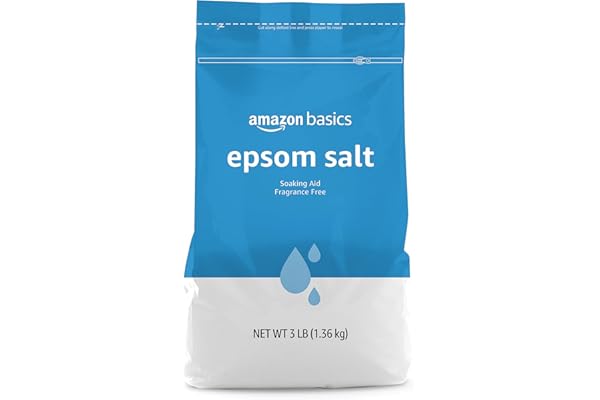
When you strip away the branding and the botanical marketing, what you need for most bath soak purposes is magnesium sulfate in a clean, food-grade form — and Amazon Basics delivers exactly that. This is USP pharmaceutical-grade Epsom salt, meaning it meets the same purity standards used in hospital settings and compounding pharmacies.
There’s a quiet confidence to buying something this straightforward. No dyes. No artificial fragrance (which can be a real problem for people with sensitive skin or respiratory sensitivity). Just magnesium sulfate in a resealable bag. The packaging itself is more functional than elegant, but if you’re using this regularly — as a weekly soak, a foot bath, or a post-workout ritual — you want something you can buy in volume without wincing at the price per ounce.
As the bestselling bath salt on Amazon, it’s earned that ranking through sheer consistent quality and price. Pair it with a few drops of your favorite essential oils for bath salts if you want a scent experience without committing to a pre-scented product.
Pros
- USP pharmaceutical-grade purity
- Unscented — ideal for sensitivities
- Exceptional value per pound
- Dissolves quickly in warm water
- Resealable packaging
Cons
- Purely utilitarian packaging
- No added botanicals or essential oils
- Single mineral type only
Amazon Basics Magnesium Sulfate Epsom Salt
Best everyday Epsom salt at unbeatable value
View on Amazon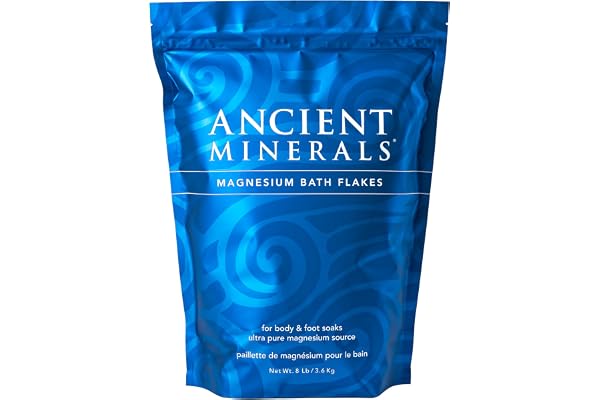
Ancient Minerals is the kind of product that changes how you think about bath salts. These aren’t Epsom salt with a premium label — they’re genuine magnesium chloride flakes sourced from the Zechstein Seabed in the Netherlands, an ancient underground geological deposit that’s been sealed from surface contamination for 250 million years.
What does that mean practically? Exceptionally pure magnesium chloride, free from the heavy metals and microplastics that can contaminate ocean-harvested minerals. And magnesium chloride itself is a different compound from the magnesium sulfate in Epsom salt — it’s more soluble, penetrates the skin more readily, and is generally considered more bioavailable. If your goal is genuine transdermal magnesium supplementation rather than a pleasant soak, this is where the science points.
People use these flakes for everything from chronic muscle tension and leg cramps to anxiety and sleep support. The flakes are noticeably softer on skin than granular Epsom salt. The water feels silkier. The experience after soaking is qualitatively different — a deeper, more immediate feeling of relaxation that’s hard to attribute to placebo alone.
For more on how this compares to standard Epsom salt, our magnesium flakes vs Epsom salt guide goes into the research in depth.
Pros
- Ultra-pure Zechstein source magnesium
- More bioavailable than Epsom salt
- Silky, skin-softening texture
- No additives or fragrances
- Highly concentrated — 1–3 cups per bath
Cons
- Significantly more expensive than Epsom
- Premium cost isn’t necessary for casual soaking
Ancient Minerals Magnesium Bath Flakes
Premium Zechstein magnesium chloride for deep therapeutic soaking
View on Amazon
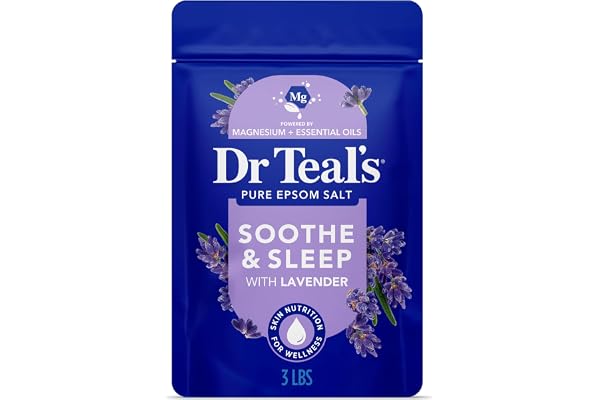
Dr Teal’s is the bath salt brand that lives in more bathrooms than any other, and the lavender version explains why. It takes pure Epsom salt and layers in lavender essential oil and vitamin E, creating a formula that works on two levels simultaneously: the magnesium sulfate soothes muscles and calms the nervous system, while the lavender scent triggers a well-documented aromatherapeutic relaxation response.
The fragrance is genuine and not overpowering — noticeably different from the synthetic floral scents you often find in drugstore bath products. The lavender lingers on the skin for a while after toweling off, which makes this particularly good as a nighttime wind-down ritual. Many users report noticeably better sleep quality after a pre-bed soak. This is one of the core recommendations in our best bath salts for relaxation and sleep roundup.
At 3 lbs, the bag typically handles about three standard-tub soaks using the recommended 1–2 cups. It’s not the cheapest per pound, but the addition of real essential oils and vitamin E justifies the modest price premium over plain Epsom.
Pros
- Genuinely relaxing lavender scent
- Vitamin E adds skin benefit
- Outstanding value for a scented formula
- Widely available — easy to repurchase
- Great for sleep prep routines
Cons
- Added fragrance may irritate very sensitive skin
- 3 lb bags go fast with regular use
- Lighter lavender scent than some expect
Dr Teal’s Lavender Epsom Salt Soaking Solution
The classic relaxation soak — lavender & Epsom, perfectly balanced
View on Amazon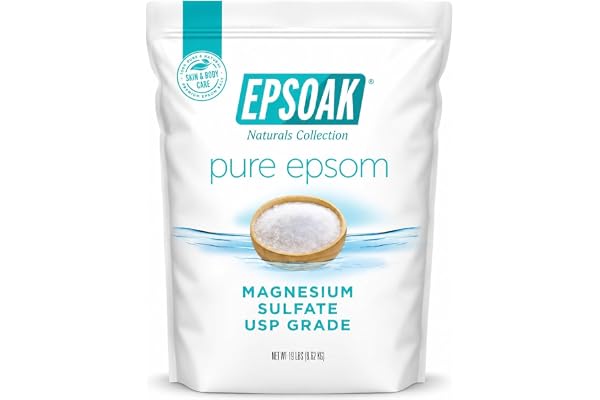
Epsoak is one of the most trusted names in pharmaceutical-grade Epsom salt, and the 5 lb resealable bag is their most practical format. It’s the pick for people who take their soaking seriously — regular soakers, athletes using baths as recovery tools, or households where more than one person uses Epsom salt regularly.
The purity is as clean as Amazon Basics, but the Epsoak brand has a stronger reputation in wellness communities and tends to be sourced from established pharmaceutical suppliers. For athletes looking for muscle recovery soaks, having a large supply on hand means you can use a generous amount (2 cups or more) without worrying about running out.
The bag design is genuinely thoughtful — it stays sealed between uses without clumping. For those who soak multiple times per week, this format eliminates the hassle of constantly reordering a smaller bag.
Pros
- USP pharmaceutical-grade purity
- 5 lb resealable bag — great for regulars
- Strong brand reputation in wellness community
- Excellent per-ounce value at this size
Cons
- No added scent or botanicals
- Larger bag can be cumbersome to store
Epsoak Epsom Salt — USP Grade, 5 lb Resealable Bag
The go-to choice for consistent, bulk Epsom salt soaking
View on Amazon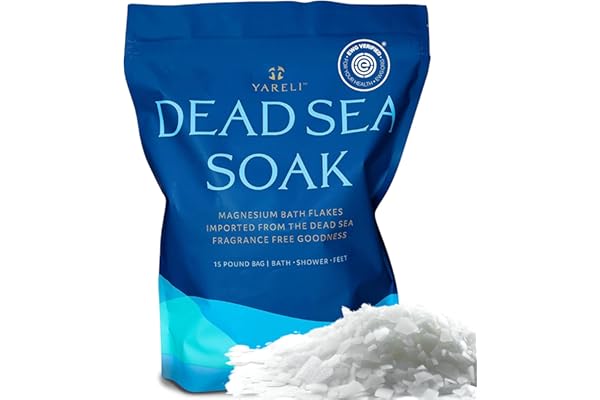
Yareli’s magnesium flakes give you the higher bioavailability of magnesium chloride without the premium price of Ancient Minerals. If you’re new to magnesium flake soaking and want to test the waters (quite literally) before committing to a more expensive brand, this is the smart entry point.
The flakes are noticeably larger and fluffier than granular Epsom salt, and they dissolve particularly well in warm-to-hot water. Users consistently report that the softening effect on skin is more pronounced than with Epsom salt. The soak feels noticeably luxurious without synthetic additives.
This product is frequently cited for leg cramps, restless sleep, and generalized muscle tension — which aligns with the research suggesting that transdermal magnesium absorption may be more efficient from chloride than from sulfate forms. If you find yourself on that end of the comparison, our best detox bath salts roundup also features magnesium flake options for whole-body cleansing protocols.
Pros
- More affordable than premium magnesium brands
- High-bioavailability magnesium chloride
- Non-GMO, no artificial additives
- Notably skin-softening
Cons
- Less established brand than Ancient Minerals
- Source information less transparent
Yareli Magnesium Flakes — Stronger Alternative to Epsom
Budget-friendly magnesium chloride flakes with real skin benefits
View on Amazon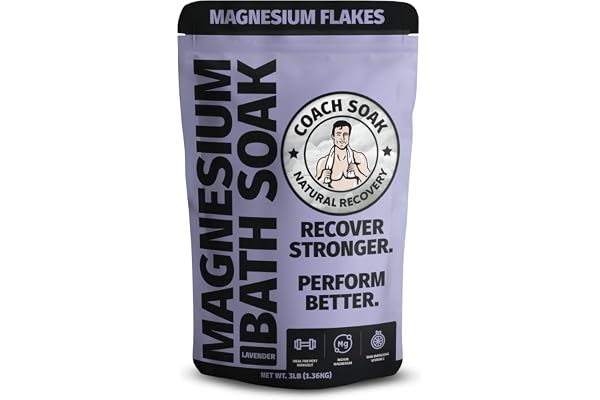
Coach Soak was purpose-built for athletic recovery, and it shows. Unlike general-purpose bath salts that athletes simply repurpose, this formula was developed with coaches and trainers in mind. The magnesium blend is combined with essential oils selected specifically for their muscle-targeting properties — primarily eucalyptus and peppermint, which both have topical analgesic properties and create a sensory experience that feels genuinely athletic rather than spa-like.
The scent profile is crisp and clean rather than floral, which makes it feel appropriately purposeful for a post-workout soak. Sweat hard, soak hard. It’s the bath salt the jar feels like it belongs in a recovery room, not a powder room.
If you’re looking for our complete picks for athletic recovery, this features prominently in our roundup of the best bath salts for athletes. For the right protocol, 20–30 minutes is typically the optimal soak window for post-exercise recovery.
Pros
- Purpose-formulated for athletic recovery
- Peppermint + eucalyptus have topical analgesic effect
- Magnesium blend more comprehensive than plain Epsom
- Strong reputation in fitness communities
Cons
- Strong scent not ideal for fragrance-sensitive users
- Higher price point than basic Epsom salt
- 2 lb may not last long for frequent athletes
Coach Soak Magnesium Bath Salt
The athlete’s soak — formulated for real recovery, not aesthetics
View on Amazon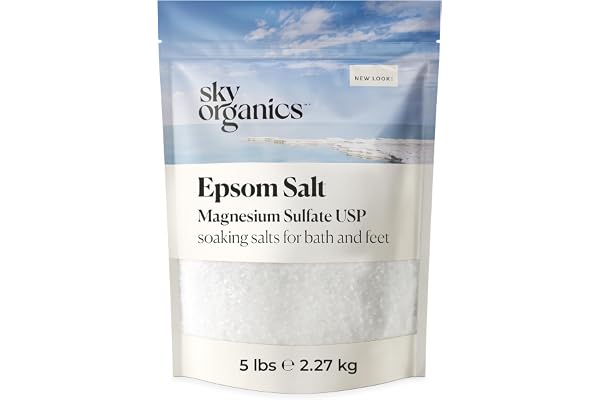
Sky Organics is one of the few bath salt brands that has pursued formal certification — their Epsom salt is USDA Organic and Non-GMO Project verified. For a mineral product that’s inherently a single compound (magnesium sulfate), certification is more about the purity of the source and the absence of contaminants in the supply chain than about the typical organic agriculture framework. But if certifications matter to you — especially for a product you’re soaking your skin in — this is the one to reach for.
The product performs identically to other pharmaceutical-grade Epsom salts in the bath, which makes sense because the chemistry is the same. What you’re paying a slight premium for is the verification that no unintended compounds made it into the bag. For buyers who are meticulous about what they expose their skin to, or who are using this for certified organic bath products specifically, that transparency has real value.
Pros
- USDA Organic & Non-GMO certified
- Clean, verified supply chain
- 5 lb value size
- Unscented and additive-free
Cons
- Slight premium for certifications vs uncertified alternatives
- No functional difference from standard pharma-grade Epsom
Sky Organics Epsom Salt — USDA Organic, Non-GMO
Certified clean Epsom salt for the purity-conscious soaker
View on Amazon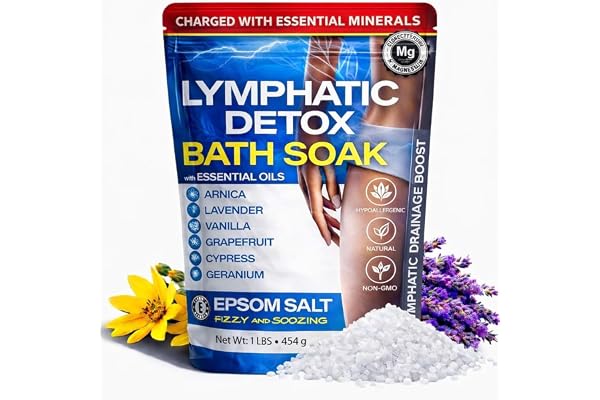
The Montana Lymphatic Drainage Salt occupies a specific niche: it’s designed to work alongside — not replace — a wellness routine focused on reducing puffiness, supporting lymphatic circulation, and relieving the sensation of water retention and swelling. The essential oil blend is selected for its circulation-supporting properties, and reviewers frequently cite it for use after long flights, during hormonal cycles when bloating is common, and for general detox support.
The “lymphatic drainage” language in bath salt marketing can lean toward the hyperbolic, so it’s worth being honest: the scientific evidence for dramatic lymphatic effects from bath soaking specifically is limited. That said, the combination of warm water (which does increase circulation and dilate vessels), mineral absorption, and targeted essential oils can genuinely support a sense of lightness and reduced puffiness that many users find valuable. This is a supplement to a wellness routine, not a replacement for manual lymphatic drainage techniques.
It works well as a complement to our recommendations in the best detox bath salts guide.
Pros
- Specifically formulated for swelling and puffiness
- Curated essential oil blend
- Strong positive reviews for bloating and water retention
- Distinctive use case — not duplicated by generic Epsom
Cons
- “Lymphatic drainage” claims are partly marketing
- Scented — not ideal for fragrance sensitivities
- Narrower appeal than general-purpose picks
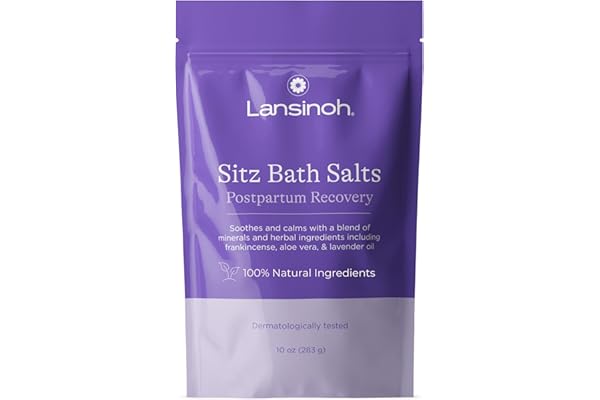
Postpartum recovery has its own set of physical needs, and Lansinoh has understood them for decades. Their sitz bath salts are designed specifically for perineal healing after delivery — whether vaginal birth, tearing, or episiotomy. The formula is intentionally simple: clean Epsom salt without fragrance, dyes, or additives that could irritate already-sensitive healing tissue.
Sitz baths are medically endorsed for postpartum recovery. Warm, mineral-salted water soothes inflammation, promotes blood flow to the healing area, and significantly reduces discomfort. Lansinoh is one of the most recognized names in postpartum care, and their bath salt formula reflects that expertise — it’s gentle enough for the most sensitive post-birth tissue, and the unscented formula means no risk of additional irritants.
If you’re building a postpartum wellness kit or looking for our full recommendations, our dedicated best bath salts for pregnancy and postpartum recovery guide covers sitz bath protocols in detail.
Pros
- Specifically formulated for postpartum healing
- Completely unscented — safe for healing tissue
- Trusted brand in maternal healthcare
- OB/GYN recommended sitz bath formula
Cons
- Specialized product — not a general-purpose bath salt
- Smaller quantity than bulk options
Lansinoh Sitz Bath Salts for Postpartum Recovery
Gentle, unscented postpartum healing — trusted by new mothers
View on Amazon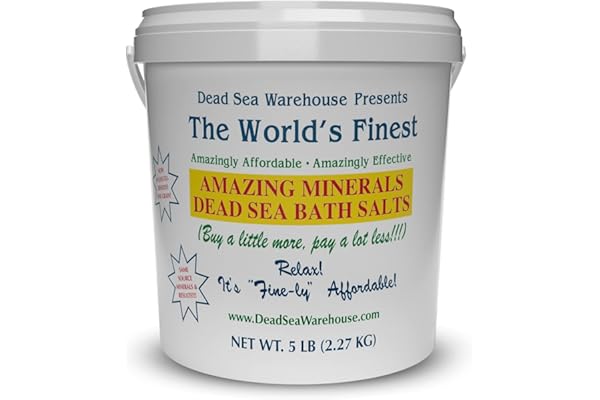
Dead Sea Warehouse sources its salt directly from the Dead Sea and has built a strong reputation for quality in the skincare and therapeutic bathing community. The mineral profile here is genuinely complex — magnesium, potassium, calcium, bromide, sulfates, and trace elements work together in ways that simple Epsom salt cannot replicate. Dead Sea salt has a meaningful body of peer-reviewed research behind it, particularly for inflammatory skin conditions like psoriasis and eczema.
The texture is coarser than Epsom salt, which also makes it useful for exfoliation when applied directly to skin before or during bathing. As a bath soak, it dissolves well and leaves skin noticeably smoother. The mineral content supports skin barrier function in ways that have been documented in dermatological studies — particularly the high magnesium content, which helps regulate inflammatory response.
Those dealing with eczema or psoriasis may find that regular Dead Sea salt soaks provide meaningful relief, though it’s always worth discussing with a dermatologist as part of a broader treatment plan.
Pros
- Genuine multi-mineral Dead Sea complex
- Clinical research supports skin condition benefits
- Excellent for exfoliation and skin barrier support
- No artificial additives
Cons
- Coarse texture can be abrasive on open wounds
- Higher cost than Epsom salt
- Quality of “Dead Sea” sourcing varies by brand
Dead Sea Warehouse Dead Sea Salt
Multi-mineral Dead Sea salt for skin care and therapeutic soaking
View on Amazon
Minera takes the Dead Sea salt category and brings it to a size and price point that makes regular therapeutic use practical. The 5 lb bag — finer grained than the Dead Sea Warehouse version — dissolves more readily in bathwater, which makes it more suitable for full-tub soaks than coarser grains.
What sets Minera apart in reviews is the consistency: users who have tried multiple Dead Sea salt brands consistently cite this as one of the most reliable in terms of quality and genuine mineral content. The fine grain also makes it more comfortable for use in a foot soak or smaller basin, where a coarser texture might feel harsh.
If you’re managing a chronic skin condition like psoriasis or eczema and want to use Dead Sea salt regularly, the 5 lb size makes that sustainable. For those exploring natural approaches to skin conditions, our eczema bath salt guide and the broader Dead Sea salt vs Epsom salt comparison will both be useful context.
Pros
- Fine grain dissolves easily
- 5 lb size supports regular therapeutic use
- Genuine Dead Sea mineral profile
- Great for both full baths and foot soaks
Cons
- More expensive per pound than Epsom alternatives
- Fine grain less effective for physical exfoliation
Minera Dead Sea Salt — Fine Grain, 5 lb
Fine-grain Dead Sea salt that dissolves fast and delivers real mineral benefit
View on Amazon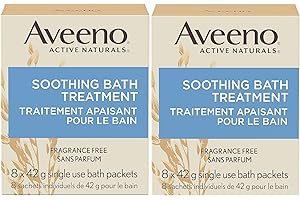
The Aveeno Soothing Bath Treatment sits in a category of its own. This isn’t technically a salt — it’s colloidal oatmeal, which is oatmeal ground to a fine powder and suspended in water. But it belongs in any roundup of bath soaking products because it is, clinically, the most effective option for sensitive and irritated skin.
Colloidal oatmeal is an FDA-approved over-the-counter skin protectant. That’s a rare designation — it means the active ingredient has passed clinical trials demonstrating that it relieves itching, irritation, redness, and scaling associated with eczema, chickenpox, sunburn, insect bites, and other inflammatory conditions. It’s not alternative medicine. It’s a drug class.
The packets dissolve into a milky, slightly slippery-feeling water that immediately coats and soothes irritated skin. Users who’ve tried everything for eczema often describe this as a genuine relief tool rather than just a comfort measure. It’s completely fragrance-free, dye-free, and appropriate for the most reactive skin types — including infants, though consult a pediatrician first.
For anyone managing extremely sensitive skin, or those using baths as part of an eczema management protocol, this is the one to reach for before anything else in this list. It’s not glamorous, but the science behind it is rock solid.
Pros
- FDA-approved skin protectant — not just wellness marketing
- Clinically proven for eczema, psoriasis, rashes
- Completely fragrance-free and dye-free
- Works for all ages including older children
- Immediately soothing — noticeable results in one soak
Cons
- Not a traditional mineral bath salt
- Tub can get slippery — use a bath mat
- 8-packet box runs out faster than bulk salts
Aveeno Soothing Bath Treatment — Colloidal Oatmeal
FDA-approved eczema and sensitive skin relief in a bath packet
View on AmazonHow to Choose the Right Bath Salt: What Actually Matters
With twelve solid options in this roundup, narrowing down to the right one for your specific situation isn’t about which product is “best” in an absolute sense — it’s about matching the mineral type, concentration, and any added ingredients to what your body actually needs. Here’s how to think through it.
Match Minerals to Your Goal
Muscle recovery → Epsom or magnesium flakes. Skin conditions → Dead Sea salt. Extreme sensitivity → colloidal oatmeal. Sleep → magnesium + lavender.
Scented or Unscented?
Fragranced formulas add aromatherapy benefits but can irritate sensitive skin. If you have reactive skin, start unscented — you can always add a drop of essential oil yourself.
Size and Frequency
Once a week → 3 lb bags work fine. Daily or near-daily soaker → invest in a 5 lb+ option. Regular soakers save significantly buying in bulk.
Purity Certifications
Look for USP pharmaceutical grade (for Epsom), or direct-source certification (for Dead Sea salt). Organic certifications verify supply chain cleanliness.
Grain Size Matters
Fine grain dissolves faster — better for standard baths. Coarse grain is better for exfoliation. For a foot soak, fine grain prevents gritty buildup in the basin.
Skin Conditions?
Eczema or psoriasis → Dead Sea salt or colloidal oatmeal. Dry skin → look for added oils. Acne-prone skin → avoid heavy oil additions. See our eczema guide for more.
Heavily fragranced bath salts using “fragrance” as an ingredient (rather than named essential oils) can contain synthetic chemical blends that irritate skin. Look for formulas that name specific oils — lavender oil, eucalyptus oil — rather than simply listing “fragrance.” Artificial dyes offer no benefit and are common irritants. If your bath water turns vivid pink or blue, that color is coming from synthetic dyes. Skip them.
How to Take a Proper Bath Salt Soak
The way you soak matters almost as much as what you soak in. A poorly structured bath diminishes the benefits significantly — and a well-structured one can feel genuinely transformative. Here’s the complete protocol.
Step 1: Water Temperature
Warm, not scalding. The ideal range for therapeutic soaking is approximately 38–40°C (100–104°F) — warm enough to open pores and increase circulation, but not so hot that it causes blood pressure changes or excessive dehydration. Very hot water also causes the body to sweat, which can actually increase mineral loss rather than absorption. For pregnant women, keeping water below 38°C (100°F) is especially important.
Step 2: How Much Salt to Add
The standard recommendation for a full-size bathtub (approximately 150–200 liters) is 1–2 cups of Epsom salt or Dead Sea salt. For magnesium chloride flakes, follow the brand’s guidance, as they vary in concentration. For a foot soak basin, reduce to 2–4 tablespoons. If you want the complete breakdown by use case, our guide on how much bath salt to use covers every scenario.
Step 3: Dissolve Before You Get In
Add your salt to the running tap water — not to a filled tub. The turbulence of filling water dissolves the minerals far more efficiently than stirring them into still water. Running the water over the salt granules as the tub fills also ensures even distribution throughout the bath.
Step 4: Soak for the Right Duration
Twenty to forty minutes is the optimal window for most purposes. Under 15 minutes and you’re unlikely to achieve full mineral absorption. Beyond 40–45 minutes and the water cools significantly, which reduces circulation benefits, and prolonged soaking can begin to dehydrate the skin. Full guidance is at our how long to soak in bath salts guide.
Step 5: Rinse (or Don’t)
For relaxation and skin benefit soaks, there’s no need to rinse off afterward — the mineral residue on the skin continues to absorb and provides some continued benefit. For very concentrated soaks or if your skin feels sticky, a light cool rinse is fine. Pat dry gently — don’t scrub off all the mineral coating. Moisturize within a few minutes of getting out while your skin is still slightly damp to lock in hydration, especially important if you’re using bath salts for dry skin.
For general wellness, 2–3 soaks per week is a common recommendation. For active recovery (athletic training) or intensive skin conditions, daily soaks for short periods can be appropriate. If you’re new to mineral soaking, start with once or twice per week to see how your skin responds before increasing frequency.
Matching the Right Soak to Your Specific Situation
Most people start with a general Epsom salt and quickly discover there’s a more specifically matched option for what they’re dealing with. Here’s a use-case guide for the most common scenarios we see in searches and questions.
For Cold and Flu Recovery
A hot bath can be one of the most comforting things when you’re sick. Epsom salt soaks help with body aches; eucalyptus-infused formulas can temporarily open congested nasal passages; and the warm soak helps reduce fever chills. Our best bath salts for cold and flu guide covers targeted picks and protocols for respiratory illness recovery.
For Athletes in Heavy Training
Delayed onset muscle soreness (DOMS) typically peaks 24–72 hours after an intense training session. Regular soaking in magnesium-rich water during this window helps by increasing circulation to worked muscles, reducing inflammatory markers, and directly supplementing magnesium that gets depleted through sweat. The best bath salts for athletes roundup includes dosing protocols used by sports medicine practitioners.
For Dry, Dehydrated Skin
Counter-intuitively, plain salt soaks can temporarily increase water loss from very dry skin if you soak for too long at high temperatures. The solution is to pair your salt soak with a moisturizer applied immediately after, and keep water temperature moderate. Dead Sea salt soaks are particularly well-suited for dry skin due to their potassium and magnesium content. Our dry skin bath salt guide includes our top three picks plus moisturizer pairing recommendations.
For Pregnancy Wellness
Pregnancy brings its own set of physical discomforts — swollen ankles, back and hip tension, hormonal stress. Plain, unscented Epsom salt soaks at appropriate temperatures are generally considered safe in the second and third trimesters, but always check with your care provider first. Avoid strong essential oils during pregnancy. Our pregnancy bath salts guide goes into the nuances.
Making Your Own
Once you’ve identified which mineral base works best for your body, you might find that making your own blend is the most cost-effective and customizable option. The base is simple and the process takes under ten minutes. Our homemade bath salt tutorial covers base ratios, essential oil pairing, and packaging for gifting.
Himalayan Pink Bath Salt: What Makes It Different and When to Use It
Himalayan pink salt gets more attention than almost any other bath mineral, and most of that attention is driven by its striking visual appearance. Those translucent rose-gold crystals look undeniably beautiful scattered across a bathtub, and there’s an intuitive sense that something so naturally colored must be inherently superior. But the reality is more nuanced than the Instagram photos suggest, and understanding what Himalayan salt actually offers — and where it falls short — will help you decide whether it deserves a place in your soaking routine.
Where It Comes From
Himalayan pink salt is mined primarily from the Khewra Salt Mine in the Punjab region of Pakistan, one of the oldest and largest salt mines in the world. The deposits formed roughly 250 to 300 million years ago when ancient seabeds were trapped by tectonic activity and sealed beneath layers of rock and lava. That geological isolation is what gives Himalayan salt its reputation for purity — these deposits predate modern industrial pollution by hundreds of millions of years.
The pink color comes from trace amounts of iron oxide (rust), which is present in varying concentrations depending on the specific vein of the mine. Some crystals are nearly white with a faint blush; others are deep rose or even amber. The color variation doesn’t indicate significant differences in mineral content between batches — it simply reflects the iron concentration in that particular layer.
What’s Actually in It
Here’s where expectations need calibrating. Himalayan pink salt is approximately 95–98% sodium chloride — the same compound as table salt and sea salt. The remaining 2–5% consists of trace minerals including potassium, magnesium, calcium, iron, and up to 84 different trace elements (as marketing materials love to claim). While that number is technically accurate, the quantities of most of these trace minerals are so small that they don’t deliver meaningful therapeutic benefit in a bath context. You would need to consume enormous quantities — far beyond what you’d absorb through skin soaking — to get a significant dose of most trace minerals.
That said, sodium chloride itself has genuine skin benefits in a bath context. It’s a natural exfoliant, helps soften callused skin, and creates osmotic effects that can draw excess fluid from swollen tissues. Salt water soaks have been used for wound care and skin conditions for centuries, and the mechanism is well understood. The trace minerals in Himalayan salt add a modest additional benefit beyond what plain sodium chloride provides, but the primary value of a Himalayan salt bath comes from the salt itself, not the trace elements.
When Himalayan Salt Makes Sense for Bathing
Himalayan pink salt is an excellent choice when your primary goals are skin softening, gentle exfoliation, and creating a visually appealing bath experience. It’s particularly well-suited for:
Foot soaks and hand soaks: The coarse grain texture provides excellent exfoliation for callused feet and dry hands. A warm Himalayan salt foot soak after a long day on your feet is one of the most accessible self-care rituals you can adopt.
Bath art and aesthetic soaking: If the visual beauty of your bath enhances your relaxation experience — and for many people it genuinely does — Himalayan salt delivers that better than any other mineral. The warm pink glow of crystals dissolving in the water creates a sensory experience that goes beyond the purely chemical.
Combining with other salts: Himalayan pink salt works beautifully as a blending component with Epsom salt or magnesium flakes. The sodium chloride provides exfoliation and skin softening while the Epsom or magnesium flakes deliver the therapeutic magnesium. Our guide on how to make bath salts at home includes several Himalayan blend recipes.
For a complete selection of the best Himalayan pink bath salt products, including both fine-grain and coarse-crystal options, see our dedicated best Himalayan pink bath salt guide. And if you want to understand how Himalayan salt compares to other mineral types for your specific needs, our best bath salts for every type of soak guide puts all the options side by side.
Common Myths About Himalayan Salt Baths
Let’s address a few claims you’ll encounter in marketing materials. First: Himalayan salt baths do not meaningfully “detoxify” your body. Your liver and kidneys handle detoxification; salt baths support relaxation, circulation, and skin health, but they don’t pull toxins from your body through your pores. Second: the “84 trace minerals” claim, while technically accurate, is misleading when presented as a health benefit — the concentrations are simply too low to deliver therapeutic doses through skin absorption alone. Third: Himalayan salt does not produce “negative ions” in meaningful quantities when dissolved in water. That claim has no supporting scientific evidence.
None of this means Himalayan salt is a bad bath product. It’s a genuinely good one — just for the right reasons. It softens skin, provides gentle exfoliation, looks beautiful, and the sodium chloride base has real traditional and scientific support for skin and wound care. Understanding what it actually does lets you use it effectively without paying a premium for benefits that exist only in marketing copy.
Bath Bomb vs. Bath Salt: Which Is Better for You?
If you’ve spent any time in the bath product aisle — or scrolling through bath products online — you’ve probably noticed two dominant categories: bath bombs and bath salts. They both go into the tub, they both promise relaxation, and they both come in a dizzying range of scents, colors, and formulations. But they serve fundamentally different purposes, and understanding those differences will save you from buying the wrong product for what you actually need.
What Bath Bombs Actually Are
A bath bomb is primarily a combination of baking soda (sodium bicarbonate) and citric acid, bound together with oils, butters, fragrances, and colorants. When these two dry chemicals hit water, they react — the iconic fizzing is a simple acid-base reaction that produces carbon dioxide gas. That fizz is visually entertaining and creates a pleasant sensory experience, but the chemical reaction itself doesn’t deliver therapeutic benefits. The actual functional ingredients in a bath bomb are the oils, butters, and any essential oils or skin-conditioning agents the manufacturer has added to the formula.
In other words, a bath bomb is a delivery mechanism for skin-conditioning oils wrapped in an entertaining fizz show. The base chemistry — baking soda and citric acid — is inert once the reaction completes. What you’re left with in the water is a mixture of dissolved oils, colorants, and fragrance compounds.
What Bath Salts Actually Are
Bath salts, by contrast, are mineral-based compounds that dissolve in water and interact with the body through transdermal mineral absorption and osmotic effects. Epsom salt delivers magnesium sulfate. Dead Sea salt delivers a complex of 20+ minerals. Magnesium chloride flakes deliver highly bioavailable magnesium. These minerals don’t just sit on the surface of your skin — they’re absorbed to varying degrees and interact with your body’s mineral balance, muscle function, and inflammatory response.
The difference in therapeutic depth is significant. Bath bombs make your skin feel soft temporarily because of the oils they leave behind. Bath salts alter your body’s mineral status and can produce measurable physiological effects — reduced cortisol, improved magnesium levels, decreased inflammatory markers. These aren’t marketing claims; they’re outcomes documented in peer-reviewed research.
Head-to-Head Comparison
| Factor | Bath Bombs | Bath Salts |
|---|---|---|
| Primary Benefit | Skin conditioning, visual/fragrance experience | Mineral absorption, muscle recovery, skin therapy |
| Active Ingredients | Oils, butters, essential oils | Magnesium sulfate, magnesium chloride, Dead Sea minerals |
| Scientific Support | Limited to individual essential oil/oil benefits | Extensive research on mineral soaking |
| Best For | Pampering, gift-giving, sensory enjoyment | Recovery, therapy, ongoing skin conditions |
| Cost Per Soak | $3 – $8+ per single-use bomb | $0.50 – $2 per soak (bulk salts) |
| Customizability | Low — pre-formed, fixed formula | High — control dose, add your own oils |
| Skin Sensitivity | Higher risk — colorants, fragrances, baking soda can irritate | Lower risk with plain/unscented varieties |
| Tub Residue | Oily residue, potential color staining | Minimal — dissolves cleanly |
When to Choose a Bath Bomb
Bath bombs are genuinely excellent for specific situations. If you’re treating yourself to a pampering session, giving a gift, or introducing someone to the concept of bathing as self-care, the visual spectacle and rich fragrance of a bath bomb create an experience that’s hard to replicate with plain salts. They’re also a great choice for occasional use — the birthday bath, the Friday night indulgence, the “I deserve this” soak after a particularly difficult week.
The key is understanding what you’re paying for. A $7 bath bomb delivers primarily an experience — a show, a scent, a moment. That’s a perfectly valid use of money. But if you’re buying bath products for ongoing therapeutic benefits — better sleep, muscle recovery, skin condition management — bath salts deliver dramatically more value per dollar and more measurable benefits per soak.
When to Choose Bath Salts
Choose bath salts when your goals extend beyond the sensory. If you’re soaking for muscle recovery after training, managing chronic skin conditions like eczema or psoriasis, supplementing magnesium, supporting sleep quality, or recovering from illness, the mineral compounds in bath salts provide benefits that bath bombs simply cannot match. The cost difference compounds over time too — a 5 lb bag of Epsom salt that costs the same as two bath bombs will provide 15–25 soaks.
And if you want the best of both worlds, you can absolutely combine them. Dissolve your Epsom salt or magnesium flakes first, then drop in a bath bomb for the visual and fragrance experience. You get the mineral therapy of salts with the sensory pleasure of a bomb. For a complete side-by-side breakdown with product recommendations for both categories, see our full bath bomb vs. bath salt comparison guide.
Sitz Bath vs. Regular Bath: Understanding the Difference
The term “sitz bath” comes up frequently in postpartum recovery, hemorrhoid treatment, and perineal healing contexts — but many people aren’t sure exactly what it is or how it differs from a regular bath. The distinction is important, especially if you’re dealing with a medical situation where the wrong approach could delay healing or increase discomfort.
What a Sitz Bath Is
A sitz bath is a shallow immersion of only the pelvic and hip region — essentially, you’re sitting in a small amount of warm water that covers your buttocks, hips, and genitals but doesn’t extend to your full body. The name comes from the German word “sitzen,” meaning “to sit.” Traditionally, sitz baths were taken in a specially designed basin that fits over a toilet seat, though many people accomplish the same effect by filling a standard bathtub with just a few inches of water and sitting in it.
Why the Difference Matters
The shallow immersion of a sitz bath isn’t just a smaller version of a regular bath — it serves a specific physiological purpose. When you sit in a few inches of warm mineral water, the hydrostatic pressure is concentrated on the perineal and pelvic region. This targeted immersion increases blood flow precisely to the areas that need healing, reduces swelling through gentle hydrostatic compression, and delivers mineral compounds directly to inflamed or damaged tissue. The warm water also relaxes the sphincter muscles, which is particularly important for postpartum recovery and hemorrhoid treatment where muscle tension increases pain.
A full-body bath dilutes these effects across your entire body. The hydrostatic pressure is distributed over a much larger surface area, the water temperature drops faster because of the larger volume, and the mineral concentration per unit of skin surface is lower. For general relaxation, a full bath is ideal. For targeted perineal or pelvic healing, a sitz bath is specifically superior.
How to Take a Sitz Bath
Fill your bathtub with 3–4 inches of warm water — not hot. The temperature should be comfortable to sit in without adjusting; approximately 37–38°C (98–100°F) is the standard recommendation. Add your sitz bath salts — plain, unscented Epsom salt is the gold standard, and products like the Lansinoh Sitz Bath Salts reviewed earlier in this guide are specifically formulated for this purpose.
Lower yourself gently into the water and sit for 15–20 minutes. You should feel a gradual reduction in soreness and swelling as the warm mineral water does its work. When you’re finished, stand up slowly (the warm water can cause a brief lightheaded sensation), pat the area dry with a soft towel — don’t rub — and apply any prescribed topical treatments while the skin is still slightly damp and receptive.
For postpartum recovery, sitz baths are typically recommended 2–3 times daily during the first two weeks after delivery, then once daily until discomfort resolves. Your healthcare provider will give you specific guidance based on your situation. For a complete exploration of when each bath type is appropriate, including specific protocols and product recommendations, our sitz bath vs. regular bath guide covers every scenario in detail.
You don’t need a special sitz bath basin for an effective sitz bath — a standard bathtub filled to just a few inches works perfectly well. Dedicated sitz bath basins are useful when mobility makes getting in and out of a full tub difficult, or when you want to conserve water. They cost between $10 and $25 and sit directly on the toilet seat.
Building the Perfect Bath Routine from Start to Finish
A single great bath is pleasant. A consistent bath routine — one that you look forward to, that serves a clear purpose in your week, and that delivers cumulative benefits over time — is transformative. The difference between occasional soaking and a structured bathing ritual is the difference between taking an aspirin when you have a headache and maintaining a daily practice that prevents the headaches from happening in the first place.
Building a bath routine isn’t complicated, but it does require a little intentionality. Here’s how to create one that actually sticks.
Step 1: Define Your Primary Goal
Every effective bath routine starts with a clear “why.” Are you soaking primarily for muscle recovery after training? For stress reduction and sleep improvement? For ongoing skin condition management? For general wellness maintenance? Your primary goal determines everything downstream — which salts you use, how often you soak, what temperature you set, and what complementary products you pair with the bath.
If you have multiple goals, assign each one to a specific day. For example: Monday and Thursday are recovery days (Epsom salt, 30 minutes, warm), and Sunday is a relaxation ritual (lavender Epsom, 40 minutes, candles, music). This prevents the “I don’t know what kind of bath to take” hesitation that kills routines before they start.
Step 2: Prepare Your Space
The physical environment of your bath has a surprisingly large impact on the quality of the experience. Our how to make a bath comfortable guide covers the practical details — bath pillow placement, water depth optimization, temperature management — but the core principle is this: your bathroom should feel like a place you want to spend time in, not a utilitarian room you tolerate.
Simple upgrades make a big difference. A non-slip bath pillow eliminates neck strain. A bath caddy or tray keeps your book, phone, or beverage within reach without risking a water disaster. Dim lighting (or candles) signals to your nervous system that this is a different mode from your workday. A clean, uncluttered space reduces visual noise and makes the whole experience feel more deliberate.
Step 3: Set Your Frequency
For most people, 2–3 baths per week is the sweet spot — frequent enough to build a habit and experience cumulative benefits, infrequent enough that each bath still feels like an event rather than a chore. Daily bathing is appropriate for athletes in heavy training or people managing active skin conditions, but for general wellness, there’s no evidence that daily soaks provide meaningfully better results than every-other-day soaking.
The key is consistency over intensity. A modest 20-minute Epsom salt soak twice a week, every week, for three months will deliver more cumulative benefit than a single extravagant two-hour spa bath once a quarter. Regularity is the mechanism that makes bathing therapeutic rather than merely recreational.
Step 4: Layer Your Ritual
The most effective bath routines include elements beyond the soak itself. Here’s a complete layering framework:
Pre-bath: Dry brush your skin before getting in. This stimulates lymphatic circulation, removes dead skin cells, and increases the effectiveness of mineral absorption during the soak. Start at your feet and brush upward toward your heart using long, firm strokes.
During the bath: Add your chosen salts to running water. If you’re using plain Epsom or magnesium flakes, add 3–5 drops of your preferred essential oil — or use a pre-scented salt like Dr Teal’s. Practice deep breathing: inhale for 4 counts, hold for 4, exhale for 6. This activates the parasympathetic nervous system and deepens the relaxation response beyond what the warm water alone achieves.
Post-bath: Pat dry gently. Apply moisturizer or body oil within 3 minutes while your skin is still slightly damp — this traps the mineral residue and hydrating water against your skin. Our how to make a bath more relaxing guide covers the complete post-bath ritual including the ideal moisturizer pairings for different skin types.
Step 5: Track What Works
After a month of consistent bathing, you’ll have enough data to refine your routine. Maybe you sleep noticeably better on the nights you take a lavender Epsom bath versus the nights you don’t. Maybe magnesium flakes produce a more immediate relaxation effect than Epsom salt for your body. Maybe Dead Sea salt soaks clear up that persistent patch of dry skin on your shins that nothing else has touched. These observations are personal and specific — and they’re what transforms a generic recommendation into your own optimized routine. For our complete framework on building bath routines with specific product recommendations, see our best bath routine guide.
Bath vs. Shower: When to Soak and When to Stand
The bath-versus-shower debate tends to generate strong opinions, but the honest answer is that neither is universally superior — they optimize for different things. A shower is an efficient cleaning tool. A bath is a therapeutic and restorative tool. They answer different questions, and the best personal hygiene routine probably includes both.
What Showers Do Better
Showers are faster, use less water (a typical 8-minute shower uses about 17 gallons versus 30–50 gallons for a full bath), and are more hygienic for basic body cleaning because the dirty water runs off immediately rather than sitting around you. For daily washing, a shower is the more practical choice. The mechanical action of water pressure hitting your skin also provides a mild form of skin stimulation that can be invigorating in the morning.
Showers also have the advantage of temperature control for specific purposes. Contrast showers — alternating between hot and cold water — are used by athletes for circulation enhancement and recovery. A hot shower can loosen tight muscles before stretching, and a cool shower can reduce inflammation after intense exercise. These are legitimate therapeutic uses that don’t require a tub.
What Baths Do Better
Baths are categorically superior for relaxation, stress reduction, mineral therapy, skin treatment, and pain management. The reasons are both physical and psychological.
Physically: Full immersion in warm water creates uniform hydrostatic pressure across the entire body, which promotes circulation, reduces swelling, and supports cardiovascular function in ways that standing under a shower stream cannot replicate. The buoyancy of the water reduces the load on joints and muscles, providing genuine decompression for people with arthritis, back pain, or post-exercise soreness. And the ability to dissolve minerals in the bathwater — Epsom salt, Dead Sea salt, magnesium flakes — creates a transdermal delivery system that a shower simply cannot match.
Psychologically: The warm-water immersion triggers a measurable reduction in cortisol (the stress hormone) and promotes the production of serotonin. A 2018 study published in Evidence-Based Complementary and Alternative Medicine found that regular warm baths improved mood and reduced symptoms of depression more effectively than physical exercise alone. The bath creates a natural boundary — you’re physically enclosed in a warm, quiet, low-stimulation environment that allows your nervous system to shift from sympathetic (fight-or-flight) to parasympathetic (rest-and-digest) mode. Showers don’t typically achieve this because they’re shorter, more utilitarian, and taken in a standing position that doesn’t allow full physical relaxation.
The Hybrid Approach
The most practical approach for most people is to shower for daily hygiene and reserve baths for therapeutic sessions — 2–3 times per week for most people, or more frequently for athletes and those managing specific conditions. On bath days, you can shower briefly before or after the bath to rinse off soap residue and salt minerals, or simply use the bath itself as your cleaning session by adding a mild body wash to the water.
For those with only a shower (no bathtub), there are workarounds. Foot soaks in a basin deliver many of the same mineral benefits in a more accessible format. Magnesium oil sprays provide transdermal magnesium without requiring a tub. And targeted compresses soaked in mineral water can provide localized relief for specific muscle groups. But if you have access to a bathtub and you’re not using it for regular mineral soaks, you’re leaving one of the simplest and most effective wellness tools on the table. Our complete bath vs. shower comparison guide explores the research, practical considerations, and specific scenarios where each option shines.
How to Take a Bath Properly: The Complete Walkthrough
It sounds almost absurd to write a guide on how to take a bath — you fill a tub, get in, and get out. But there’s a meaningful difference between a bath that’s merely adequate and one that’s genuinely optimized for your body and goals. Small adjustments in temperature, timing, product selection, and post-bath care can transform a mundane hygiene task into a therapeutic ritual.
Before You Fill the Tub
Start with a clean tub. Residual soap scum, body oils, and mineral deposits from previous baths can affect water quality and introduce bacteria. A quick wipe with a damp cloth is usually sufficient between deep cleanings — but do invest in periodic thorough cleaning. Our guides on how to remove soap scum and how to deep clean a bathroom cover the details if your tub needs attention.
Gather everything you’ll need before you start filling: bath salts, a towel within arm’s reach, any reading material or devices (on a stable surface or bath caddy), a glass of water (hydration during warm soaking is genuinely important), and your post-bath moisturizer. Getting out of a warm tub to retrieve something you forgot defeats the entire relaxation purpose.
Filling and Adding Products
Start filling the tub with water at your target temperature — 38–40°C (100–104°F) for most therapeutic soaks. Add your bath salts under the running water as the tub fills. The turbulence from the tap dissolves granular salts far more efficiently than adding them to still water and trying to stir. If you’re using essential oils in addition to salts, add them at this stage too — a few drops on the surface of the running water disperses them throughout the tub.
For women specifically, there are some additional considerations around hygiene and comfort during bathing. Water temperature affects vaginal pH, prolonged soaking can disrupt the natural bacterial balance, and certain products (heavily fragranced bubble baths, for example) increase the risk of irritation or infection. Using plain mineral salts without synthetic fragrances minimizes these risks. Our dedicated guide on how to bath as a woman covers the complete protocol including hygiene best practices and product recommendations specific to women’s health.
Getting In and Soaking
Lower yourself into the water gradually, especially if you have blood pressure sensitivity or are pregnant. The sudden immersion in warm water can cause a brief lightheadedness as blood vessels dilate. Once settled, allow your body to acclimate for a minute or two before beginning any active relaxation techniques.
The soaking portion should last 20–40 minutes for most purposes, as we covered in the how-to-soak section above. During this time, practice conscious relaxation: close your eyes, focus on your breathing, and let the warm water support your body weight. This isn’t wasted time — it’s the mechanism by which the bath delivers its stress-reduction and muscle-relaxation benefits.
Getting Out and Post-Bath Care
Stand up slowly. The transition from horizontal soaking to vertical standing can cause a brief blood pressure drop. Hold the edge of the tub if needed. Step onto a non-slip mat and wrap yourself in a warm towel immediately — the rapid cooling after a warm bath can trigger muscle tension that partially undoes the relaxation benefits you just achieved.
Moisturize while your skin is still slightly damp. Apply body lotion, oil, or butter within 3 minutes of toweling off to lock in the hydration and mineral residue from the bath. This is especially important if you’re managing dry skin or eczema — the post-bath moisturizer application is as important as the soak itself. For a complete overview covering every aspect of proper bathing technique, including specific protocols for different body types and health conditions, see our comprehensive how do you take a bath guide.
Seven Common Bath Salt Mistakes (and How to Avoid Them)
Using bath salts seems simple — and it is, fundamentally. But there are a handful of common mistakes that can significantly reduce the effectiveness of your soak, waste product, or even cause minor discomfort. Here are the seven most frequent errors we see, and how to correct each one.
Mistake #1: Adding Salts to a Full Tub
This is the single most common error. Many people fill the bathtub completely, then dump in their bath salts and try to stir them into the still water. The result: uneven dissolution, undissolved granules collecting at the bottom of the tub (which feel gritty against your skin), and inconsistent mineral distribution. The correct approach is to add your salts to the running water as the tub fills. The turbulence from the tap dissolves the minerals evenly and thoroughly. By the time the tub is full, the salts are fully dissolved and distributed throughout the water.
Mistake #2: Using Too Little (or Too Much)
Under-dosing is more common than over-dosing. A tablespoon of Epsom salt in a full bathtub produces negligible mineral concentration — you’re essentially taking a warm water bath with a trace amount of magnesium sulfate. For therapeutic benefit, you need 1–2 cups for a standard tub. Conversely, more isn’t always better. Adding 4–5 cups of salt to a single bath creates an extremely hypertonic solution that can actually draw moisture out of your skin through osmosis, leaving you feeling dry and tight rather than soft and relaxed. Follow the dosing guidelines in our how much bath salt to use guide, and adjust gradually based on your personal response.
Mistake #3: Water Too Hot
The instinct is to make the bath as hot as tolerable — especially when you’re cold, sore, or stressed. But water above 40°C (104°F) causes excessive sweating, which dehydrates the skin and can actually increase muscle soreness by depleting fluids and electrolytes. Very hot water also causes vasodilation that can lead to dizziness, especially in people with low blood pressure or cardiovascular conditions. The therapeutic sweet spot is 38–40°C — warm enough to feel deeply relaxing and open pores, but not so hot that your body starts fighting the heat instead of absorbing the minerals.
Mistake #4: Soaking Too Long
More time in the tub doesn’t equal more benefit. Beyond 40–45 minutes, the water temperature drops significantly, your skin begins to wrinkle (which indicates the outer skin layer is becoming waterlogged), and the osmotic balance shifts. Extended soaking can leave skin feeling dry and papery rather than soft and supple. Set a timer for 20–30 minutes and honor it. The quality of the soak matters more than its duration. See our how long to soak in bath salts guide for research-backed duration recommendations for different goals.
Mistake #5: Choosing the Wrong Salt for Your Goal
Using Himalayan pink salt for muscle recovery, or Epsom salt for severe eczema — these mismatches won’t cause harm, but they leave benefits on the table. Each mineral type has a specific therapeutic profile. Magnesium sulfate (Epsom) excels at muscle relaxation and stress relief. Magnesium chloride flakes are superior for transdermal magnesium supplementation. Dead Sea salt is the best choice for inflammatory skin conditions. Colloidal oatmeal is the gold standard for eczema and sensitive skin. Matching your salt to your goal is the single highest-impact decision in the entire process. Review the product-by-product breakdown in our 12 best picks above to make the right match.
Mistake #6: Ignoring Water Quality
The water coming out of your tap isn’t neutral — it contains chlorine, fluoride, various dissolved minerals, and potentially trace contaminants depending on your local water supply. Hard water, in particular, contains high levels of calcium and magnesium carbonates that can react with bath salts and reduce their effectiveness. If you live in a hard water area, consider a shower head filter for your tub’s faucet, or add a water-softening agent to the bath alongside your salts. We cover this in detail in the best bath products guide.
Mistake #7: Not Moisturizing After
The bath itself hydrates your skin, but the evaporation that occurs after you get out can leave skin drier than before you started — especially with mineral salt soaks, which create a mildly hypertonic solution. Applying a moisturizer or body oil within 3 minutes of toweling off traps the hydration and mineral residue against your skin. This single step transforms the lasting effect of the bath from temporary to sustained. If you skip it, you’re losing a significant portion of the skin benefits.
Add salts to running water. Use 1–2 cups per standard tub. Keep temperature at 38–40°C. Soak for 20–30 minutes. Moisturize within 3 minutes of getting out. Follow these five rules and you’ll get 90% of the benefit that bath salts can deliver.
Bath Salts for Joint Pain, Arthritis, and Chronic Conditions
While most of the conversation around bath salts focuses on post-workout soreness and general relaxation, there’s a significant population of people using mineral soaks for chronic pain management — particularly joint pain associated with osteoarthritis, rheumatoid arthritis, fibromyalgia, and general age-related stiffness. The evidence supporting this use case is actually stronger than many people realize.
The Research Behind Mineral Baths and Joint Pain
Balneotherapy — the medical use of mineral water bathing — has been studied extensively in Europe, where it’s often integrated into conventional treatment protocols for musculoskeletal conditions. A comprehensive review published in the journal Rheumatology found that balneotherapy produced statistically significant improvements in pain, function, and quality of life in patients with osteoarthritis of the knee and hip. The benefits persisted for months after the treatment period ended, suggesting that regular mineral bathing produces cumulative rather than merely temporary effects.
The mechanisms aren’t fully understood, but several contributing factors have been identified. Warm water immersion reduces joint stiffness by increasing the viscoelastic properties of connective tissues. The hydrostatic pressure of full immersion improves circulation to joints that may have reduced blood flow due to inflammation or degeneration. Magnesium absorption through the skin may modulate pain signaling pathways and reduce inflammatory cytokine production. And the buoyancy of the water provides temporary weight relief for load-bearing joints, allowing movement and gentle exercise that would be painful on land.
Best Bath Salts for Arthritis and Joint Pain
For arthritis and chronic joint pain, the most evidence-supported mineral options are:
Dead Sea salt: The combination of magnesium, potassium, calcium, and bromide has been specifically studied for rheumatic conditions. Clinical trials conducted at the Dead Sea — where patients bathe in the actual sea water — have shown significant improvements in arthritis symptoms. You can replicate much of this effect at home with genuine Dead Sea salt products like those from Dead Sea Warehouse or Minera, both reviewed earlier in this guide.
Epsom salt (magnesium sulfate): The most accessible and cost-effective option for joint pain. Magnesium plays a critical role in muscle and nerve function, and deficiency is associated with increased pain sensitivity and inflammation. Regular Epsom salt baths provide a consistent, gentle source of transdermal magnesium that can help maintain optimal levels over time.
Magnesium chloride flakes: For those seeking maximum magnesium absorption, magnesium chloride flakes offer higher bioavailability than Epsom salt. The Ancient Minerals brand reviewed in our picks section sources from the Zechstein Seabed and is widely recommended by integrative medicine practitioners for chronic pain patients.
Protocol for Chronic Pain Management
For chronic joint pain, consistency matters more than intensity. A moderate soak (1–2 cups of salt, 38–39°C water, 20–30 minutes) taken 3–5 times per week will produce better results than an aggressive soak taken once a week. The cumulative mineral absorption and the regular exposure to warm-water hydrostatic effects build on each other over time. Many patients report that the most significant improvements appear after 3–4 weeks of consistent bathing rather than after any single session.
Gentle movement during the bath — flexing and extending affected joints, rotating ankles, opening and closing hands — can enhance the benefits by combining the warm-water joint mobilization with mineral therapy. This is particularly valuable for morning stiffness associated with arthritis. A 20-minute morning soak with gentle range-of-motion exercises can significantly reduce the stiffness that makes the first hours of the day so difficult for arthritis sufferers.
Bath salt soaks are a complementary approach to chronic pain management, not a replacement for medical treatment. Always work with your healthcare provider to ensure your soaking routine is compatible with your medications, overall treatment plan, and specific condition. People with open wounds, active infections, or severe cardiovascular conditions should consult their doctor before beginning regular mineral bathing.
How Water Quality Affects Your Bath Salt Soak
Most guides on bath salts treat water as a neutral medium — you turn on the tap, fill the tub, add salt, and you’re done. But the water itself varies enormously depending on where you live, and those variations can meaningfully affect how your bath salts perform, how your skin responds, and even how much of the mineral benefit you actually absorb.
Hard Water vs. Soft Water
Hard water contains elevated levels of dissolved calcium and magnesium carbonates, typically measured in grains per gallon (gpg) or parts per million (ppm). Water above 7 gpg (120 ppm) is considered hard. If you live in a hard water area — which includes much of the American Midwest, the Southwest, and parts of the UK and Australia — your tap water already contains significant dissolved minerals before you add any bath salts.
Hard water creates several problems for bath salt soakers. First, the calcium carbonate in hard water can react with the magnesium sulfate in Epsom salt, forming calcium sulfate — which is less soluble and can leave a chalky residue on your skin and tub. This reaction effectively reduces the available magnesium in the water. Second, hard water makes it harder for soaps and bath products to lather and rinse clean, which can leave a film on your skin that blocks mineral absorption. Third, the mineral content of hard water is already contributing to your body’s mineral load, which changes the optimal dose of additional bath salts.
If you live in a hard water area, consider these adjustments: reduce your bath salt dose slightly (since you’re already getting some mineral supplementation from the water itself), add a water-softening product like baking soda (sodium bicarbonate) to the bath before adding salts — about half a cup for a full tub — and consider a faucet-mounted water filter that reduces mineral content. For specific product recommendations that work well in hard water conditions, see our best bath products guide.
Chlorine in Tap Water
Municipal water treatment adds chlorine (or chloramine) to kill bacteria and make water safe for drinking. While this is clearly important for public health, chlorine in bath water can irritate sensitive skin, dry out hair, and potentially react with organic compounds in bath salts to form disinfection byproducts. The concentrations are low enough that most people don’t notice, but if you have eczema, psoriasis, or very reactive skin, the chlorine in your bath water may be contributing to flare-ups.
A simple carbon filter on your tub’s faucet can remove most of the chlorine and chloramine from your bath water. Vitamin C (ascorbic acid) tablets dissolved in the water before adding salts also neutralize chlorine effectively — about 1,000 mg of ascorbic acid per standard tub is sufficient. These are inexpensive interventions that can make a meaningful difference for sensitive skin soakers.
Optimal Water Conditions for Bath Salts
The ideal bath water for mineral soaking is slightly soft (low calcium), dechlorinated, and at a neutral to slightly alkaline pH. You don’t need to test your water with scientific instruments — but knowing whether your area has hard or soft water gives you a useful starting point for adjusting your bath salt routine. Most municipal water authorities publish annual water quality reports that include hardness data. A quick search for your city’s water hardness will tell you what you’re working with and whether adjustments are warranted.
Add ½ cup of baking soda to the running bathwater before adding your salts. Baking soda softens the water, raises the pH slightly (which helps salt dissolution), and adds its own skin-soothing properties. It’s a simple, inexpensive addition that significantly improves the bath salt experience in hard water areas.
Five DIY Bath Salt Recipes for Every Need
Once you understand the base minerals and how they work, making your own bath salt blends is surprisingly simple — and it gives you complete control over the ingredients, scent, and therapeutic focus. Commercial products are convenient, but a homemade blend lets you avoid the synthetic fragrances, dyes, and preservatives that many store-bought options include. Plus, DIY bath salts make excellent gifts.
The base formula is straightforward: mineral salt + carrier oil + essential oils + optional additives. Here are five recipes optimized for different goals, each taking less than ten minutes to prepare.
Recipe 1: The Everyday Recovery Soak
A versatile Epsom salt blend for general muscle relief and stress reduction — the workhorse of your bath shelf.
Ingredients
- 2 cups Epsom salt (pharmaceutical grade)
- ½ cup coarse sea salt or Himalayan pink salt
- 2 tablespoons sweet almond oil or jojoba oil
- 5 drops lavender essential oil
- 3 drops eucalyptus essential oil
Instructions
- Combine the Epsom salt and sea salt in a large bowl. Stir thoroughly.
- Drizzle the carrier oil over the salt mixture and stir until evenly distributed. The oil prevents the salts from clumping and adds skin-moisturizing properties.
- Add the essential oils drop by drop, stirring between each addition to ensure even scent distribution.
- Transfer to an airtight glass jar. Store in a cool, dry place. Use ½–1 cup per bath. Keeps for 6 months.
Recipe 2: The Deep Magnesium Therapy Soak
Maximum magnesium absorption for athletes, chronic pain sufferers, and anyone with low magnesium levels.
Ingredients
- 2 cups magnesium chloride flakes
- 1 cup Epsom salt
- 2 tablespoons fractionated coconut oil
- 4 drops peppermint essential oil
- 4 drops rosemary essential oil
- 2 drops ginger essential oil
Instructions
- Combine magnesium flakes and Epsom salt in a large bowl.
- Add the coconut oil and stir until the mixture has a slightly damp, cohesive texture.
- Add essential oils and stir thoroughly. The peppermint provides a cooling sensation, rosemary supports circulation, and ginger adds warming properties.
- Store in an airtight container. Use 1–2 cups per bath. This blend is concentrated — start with 1 cup and increase if your body responds well.
Recipe 3: The Sleep Ritual Blend
Designed to be used 60–90 minutes before bedtime. The combination of magnesium and sedative essential oils creates a powerful sleep-preparation tool.
Ingredients
- 2 cups Epsom salt
- ½ cup Dead Sea salt (fine grain)
- 1 tablespoon jojoba oil
- 6 drops lavender essential oil
- 3 drops chamomile (Roman) essential oil
- 2 drops cedarwood essential oil
- 1 drop vetiver essential oil
Instructions
- Combine Epsom salt and Dead Sea salt in a mixing bowl.
- Add jojoba oil and stir until evenly distributed.
- Add each essential oil, stirring between additions. Vetiver is extremely potent — one drop is sufficient. It provides a deep, earthy base note that anchors the lighter lavender and chamomile.
- Store in a dark glass jar (essential oils degrade in light). Use ½–1 cup per bath. Keep the water at 38°C — warm, not hot, to avoid overstimulating the nervous system before sleep.
Recipe 4: The Skin-Soothing Blend
For dry, irritated, or eczema-prone skin. This blend combines Dead Sea minerals with colloidal oatmeal for comprehensive skin barrier support.
Ingredients
- 1 cup Dead Sea salt (fine grain)
- 1 cup Epsom salt
- ½ cup colloidal oatmeal (available at pharmacies)
- 2 tablespoons extra-virgin olive oil or argan oil
- 3 drops frankincense essential oil (optional — omit for very reactive skin)
Instructions
- Combine Dead Sea salt and Epsom salt in a large bowl.
- Add colloidal oatmeal and stir well. The oatmeal will make the mixture slightly powdery and clumpy — this is normal.
- Add olive oil and optional essential oil, stirring until the mixture holds together slightly when pressed.
- Store in an airtight container. Use 1 cup per bath. Note: the oatmeal makes the tub slippery — use a bath mat. Do not add fragrance if your skin is actively inflamed or broken.
Recipe 5: The Detox and Revival Soak
A stimulating blend for days when you feel sluggish, puffy, or heavy. The combination of minerals and circulation-boosting essential oils creates a genuinely invigorating soak.
Ingredients
- 1 cup Epsom salt
- 1 cup Dead Sea salt
- ½ cup baking soda (water softener and skin soother)
- 2 tablespoons fractionated coconut oil
- 4 drops grapefruit essential oil
- 3 drops juniper berry essential oil
- 2 drops cypress essential oil
Instructions
- Combine Epsom salt, Dead Sea salt, and baking soda in a large bowl. Stir until uniform.
- Add coconut oil and essential oils. The citrus and juniper combination creates a bright, clean scent that feels genuinely energizing.
- Store in an airtight jar. Use 1 cup per bath. This blend pairs well with a slightly warmer bath (39–40°C) and gentle dry brushing beforehand. Follow our full protocol for detox bath salts for best results.
For more detailed guidance on sourcing ingredients, choosing essential oil brands, packaging for gifts, and scaling recipes for large batches, see our complete how to make bath salts at home tutorial. And if you want to explore which essential oils pair best with different bath salt bases — including which oils are safe during pregnancy and which to avoid — our best essential oils for bath salts guide covers the complete pairing framework.
The Complete Bath Experience: Beyond Salts into Other Bath Types
Bath salts are the foundation of therapeutic bathing, but they’re not the only tool in the toolkit. Several other bath types offer distinct benefits that salts alone don’t provide, and understanding the broader landscape of bath therapy helps you build a more versatile and effective self-care routine.
Milk Baths
Cleopatra’s legendary milk baths weren’t just indulgence — there’s genuine skin science behind them. Milk contains lactic acid, a gentle alpha-hydroxy acid (AHA) that exfoliates dead skin cells, promotes cell turnover, and softens rough patches without the abrasion of physical exfoliants. The fat and protein in whole milk also coat and moisturize the skin in a way that mineral salts alone don’t.
A milk bath is an excellent complement to a salt bath. You can alternate them through the week — mineral salt baths for magnesium and muscle recovery on Monday and Thursday, milk baths for skin softening and gentle exfoliation on Saturday. Or combine them: dissolve your Epsom salt first, then add 2–4 cups of whole milk or coconut milk to the same bath. The combination delivers both mineral therapy and lactic acid exfoliation in a single soak.
For those with dairy sensitivities or lactose intolerance, coconut milk is an excellent alternative — it provides similar fat and protein content for skin conditioning without any dairy-derived proteins. Oat milk works well for very sensitive skin, combining the soothing properties of oat proteins with the moisturizing effect of the milk base. For a complete exploration of milk bath techniques, recipes, and comparisons, our milk bath vs. regular bath guide covers everything.
Infrared Bathing
Infrared saunas and infrared bath systems use far-infrared radiation to heat the body directly rather than heating the surrounding air. This produces a deeper, more penetrating heat that reaches muscles and joints several inches below the skin surface. The research on infrared therapy suggests benefits for chronic pain, cardiovascular health, and detoxification through deep sweating.
While infrared bathing is fundamentally different from mineral salt soaking — one delivers targeted radiation heat, the other delivers dissolved minerals — they’re complementary rather than competitive therapies. An infrared session followed by a mineral salt soak combines deep-tissue heat therapy with transdermal mineral absorption. Some modern bath systems even integrate infrared heating elements into soaking tubs, creating a combined experience.
For those interested in exploring infrared therapy, portable infrared sauna blankets and foldable infrared sauna units have made this technology accessible for home use at a fraction of the cost of dedicated infrared spa rooms. Our infrared bath vs. regular bath comparison breaks down the research, practical considerations, and cost analysis of each approach.
Building a Multi-Modal Bath Routine
The most sophisticated approach to therapeutic bathing combines multiple modalities across a weekly schedule. Here’s a sample framework:
| Day | Bath Type | Duration | Primary Benefit |
|---|---|---|---|
| Monday | Epsom salt + eucalyptus | 25 min | Week-start muscle recovery |
| Wednesday | Magnesium chloride flakes | 30 min | Deep magnesium supplementation |
| Friday | Milk bath + Epsom salt | 20 min | Skin softening and gentle exfoliation |
| Sunday | Lavender Epsom salt (sleep ritual) | 30 min | Relaxation and week-ending decompression |
This rotation covers muscle recovery, magnesium supplementation, skin care, and stress management without requiring any single bath to accomplish everything. The variety also prevents the routine from becoming stale — a real threat to long-term consistency. For our complete guide to building a bath product collection that covers all these modalities, see our best bath products guide.
Caring for Your Bathroom After Bath Salt Soaking
Regular bath salt use brings genuine benefits to your body — but it can also leave traces in your bathroom that build up over time. Mineral residue on tub surfaces, salt crystals around drains, and the oily film from carrier oils and essential oils all require attention. With a simple maintenance routine, you can keep your bathroom clean without spending significant time or effort.
Tub Residue and Mineral Buildup
Epsom salt and Dead Sea salt dissolve completely in warm water, but as the water cools or evaporates, dissolved minerals can re-crystallize on tub surfaces — particularly at the waterline and around the drain. This manifests as a white, slightly chalky film that’s harmless but visually unappealing. In hard water areas, this buildup combines with existing calcium deposits and becomes more persistent.
The fix is simple: rinse the tub with warm water immediately after draining. A quick 30-second rinse removes the vast majority of dissolved mineral residue before it has a chance to dry and crystallize. For weekly cleaning, a solution of equal parts white vinegar and water sprayed on the tub surface, left for 10 minutes, then wiped clean dissolves mineral deposits effectively. For more stubborn buildup, our guide on how to remove soap scum covers techniques that work equally well for mineral deposits.
Drain Maintenance
Bath salts don’t clog drains — they dissolve in water and flow through the plumbing without issues. However, the carrier oils (coconut, jojoba, almond) used in scented bath salts and DIY blends can accumulate in drain pipes over time, particularly in cooler climates where the pipes are colder and oils solidify more readily. This oily buildup can combine with hair and soap residue to create slow drains.
Monthly drain maintenance prevents this: pour a kettle of boiling water down the drain, followed by ½ cup of baking soda, then 1 cup of white vinegar. Let it fizz for 10 minutes, then flush with more boiling water. This dissolves oil buildup and clears organic residue. For drain problems that have already developed, our how to clean a shower drain guide covers both prevention and remediation.
Grout and Tile Care
If your bath area has tiled surfaces, mineral water splashes can leave deposits in grout lines that gradually darken or discolor. The essential oils in bath salts can also seep into unsealed grout and attract dirt. Sealing your grout annually with a quality grout sealer prevents absorption and makes cleaning vastly easier. For cleaning grout that’s already stained, our how to clean grout without scrubbing guide uses enzymatic cleaners that dissolve stains without the arm-numbing effort of manual scrubbing.
Mold Prevention
The warm, humid environment created by regular bathing is ideal for mold growth — particularly on silicone caulk around the tub, in tile grout, and on shower curtains. Bath salts themselves don’t cause mold, but the increased humidity from regular bathing accelerates it. Running the bathroom exhaust fan during and for 30 minutes after every bath is the single most effective prevention measure. Wiping down wet surfaces with a squeegee or towel after each bath also helps.
If mold has already appeared, our how to get rid of bathroom mold guide covers both immediate removal and long-term prevention strategies. And for a comprehensive approach to keeping your entire bathing space pristine, our how to deep clean a bathroom guide provides a room-by-room, surface-by-surface cleaning protocol. If you need specific cleaning product recommendations, our best bathroom cleaner guide tests and reviews the most effective options.
After every bath salt soak: (1) drain the tub, (2) rinse the surface with warm water for 30 seconds, (3) wipe the waterline with a damp cloth, (4) run the exhaust fan for 30 minutes. This 2-minute routine prevents 90% of the maintenance issues associated with regular mineral bathing.
Bath Salts and the Whole Family: Safe Soaking for Every Age
Bath salts aren’t exclusively for adults. With appropriate precautions and age-appropriate products, mineral bathing can benefit the entire family — from active toddlers who need calming bedtime routines to school-age children dealing with skin sensitivities, and from teenagers managing sports soreness to grandparents seeking joint pain relief. The key is knowing what’s safe at each age and how to modify the experience for different body sizes and needs.
Bath Salts for Infants and Toddlers (Under 3)
For babies and very young children, plain Epsom salt is the only mineral salt to consider — and only in very small amounts. A tablespoon of unscented Epsom salt in a baby bathtub, or ¼ cup in a standard tub with shallow water, is sufficient. The warm mineral water can soothe irritated skin, calm fussy babies, and ease the discomfort of diaper rash or cradle cap. However, always consult your pediatrician before adding anything to your baby’s bath, and never use scented products, essential oils, or Dead Sea salt with infants — their skin barrier is still developing and is significantly more permeable than adult skin.
For toddlers, bath time is also play time — and keeping them safely entertained in the tub is part of the routine. Age-appropriate bath toys make the experience enjoyable for them while giving you the time to incorporate a brief mineral soak. Our guides to bath toys for 1-year-olds and bath toys for 2-year-olds cover safe, engaging options for this age group.
Bath Salts for Children (Ages 3–12)
Older children can benefit from modest Epsom salt baths — ½ to 1 cup in a standard tub — particularly for growing pains, minor sports soreness, and the general restlessness that sometimes makes bedtime difficult. Children who are active in sports often experience the same kind of muscle tightness and soreness as adults, just at a smaller scale. A warm Epsom salt bath before bed can help them wind down physically and mentally.
Avoid Dead Sea salt and magnesium chloride flakes with children unless specifically recommended by a healthcare provider — the higher mineral concentration can be too strong for smaller bodies. Unscented products are essential; children’s skin is more reactive than adult skin, and synthetic fragrances are a common source of irritation. If your child enjoys bath time and you want to make the experience more engaging without compromising the mineral benefits, our guides to cool bath toys for 3-year-olds and bath toys for 4-year-olds provide age-appropriate recommendations that are compatible with mineral bath water.
Keeping Bath Toys Clean
One practical consideration for families: bath toys and mineral salts require slightly different maintenance than bath toys used in plain water. The mineral residue from Epsom and Dead Sea salts can accumulate inside squeeze toys and squirt toys, creating a potential breeding ground for bacteria when combined with trapped moisture. Rinse bath toys thoroughly after each mineral bath, squeeze out all trapped water, and allow them to dry completely between uses.
Monthly sanitization is important for any bath toy, but especially for toys used in mineral water. A solution of ½ cup white vinegar per gallon of water, with toys soaked for 10–15 minutes, effectively removes mineral deposits and kills surface bacteria. Our guides on how to sanitize bath toys and how to clean mold from bath toys cover both routine maintenance and remediation for toys that have developed visible mold or mildew. Proper bath toy storage — mesh bags, wall-mounted organizers, or open bins that allow air circulation — prevents the trapped-moisture problems that lead to mold growth in the first place.
Teenagers and Young Adults
Teenagers involved in competitive sports or intense physical training can benefit from the same athletic recovery protocols as adult athletes — Epsom salt or magnesium flake baths at 1–2 cups per tub, 20–30 minutes, within a few hours of training. This is a simple, low-cost intervention that can significantly reduce DOMS and support consistent training schedules. For teenagers dealing with acne-prone skin, plain unscented Epsom salt baths are gentle enough to avoid exacerbating breakouts while providing anti-inflammatory benefits that may help calm active acne.
Never leave young children unattended in the bath, even for a moment — regardless of how shallow the water is. Bath salts and essential oils should be stored out of reach of children. If a child ingests bath salt water, small amounts are generally harmless, but contact poison control if a large quantity is consumed. Always supervise children during and after any mineral bath, and rinse their skin with plain water afterward if they have any history of skin sensitivity.
Pingback: Sitz Bath vs Regular Bath: Which Helps You Relax?