🛁 BathTales — Mineral Bathing Guides
Best Himalayan Pink Bath Salt Picks for a Spa-Level Soak at Home
From detox soaks to deep muscle relief and silky-soft skin — here are the Himalayan pink bath salts worth pouring into your tub, chosen for purity, mineral depth, and real-world results.
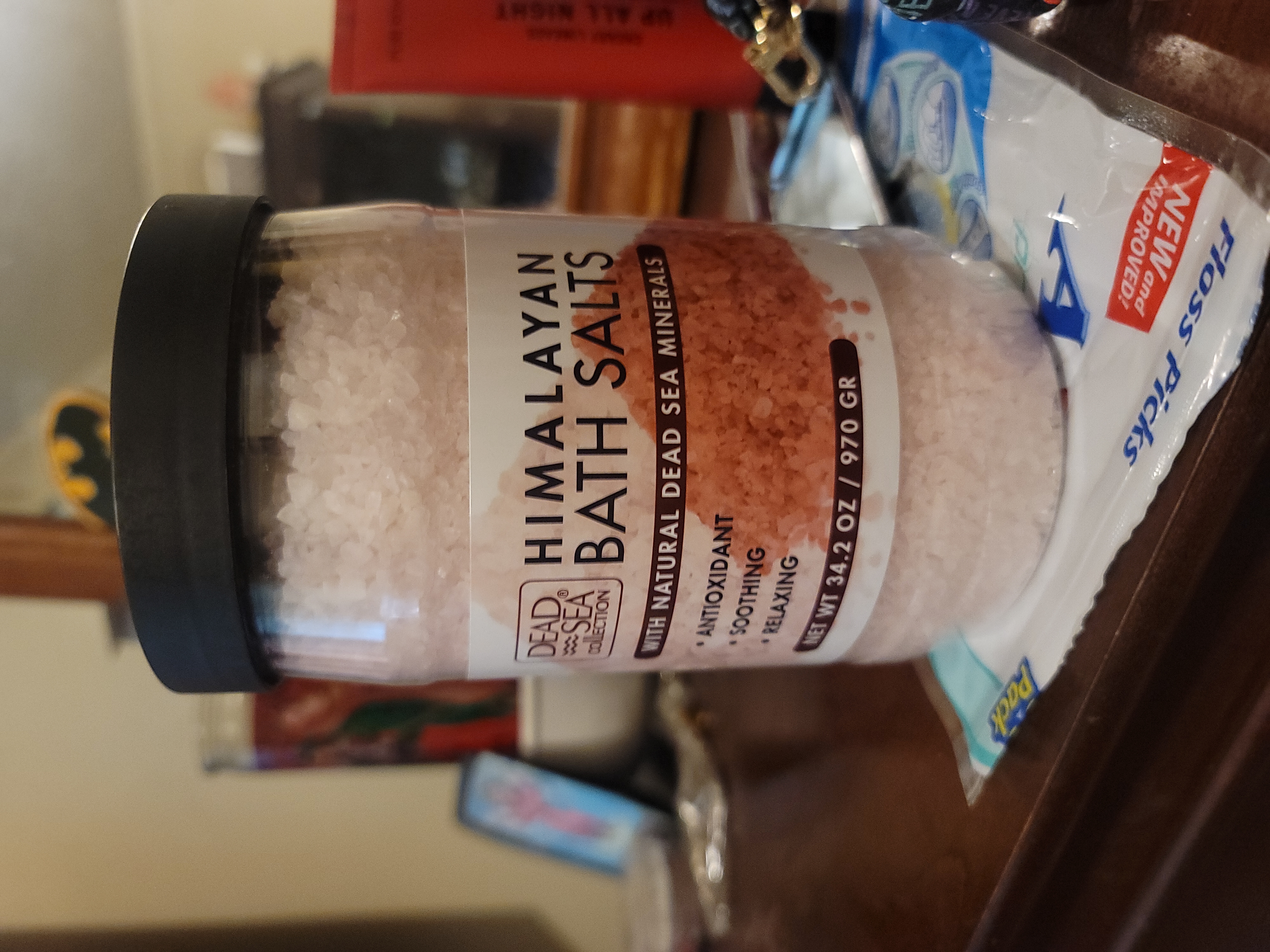
There is something almost meditative about lowering yourself into a tub of warm, mineral-salted water and watching the pink crystals dissolve. Himalayan pink bath salt has become one of the most sought-after wellness additions in the bathing world — and for good reason. Unlike the bleached, additive-heavy salts lining supermarket shelves, authentic Himalayan pink salt brings with it a geological story spanning hundreds of millions of years, a spectrum of trace minerals, and a gentle, skin-friendly composition that suits almost every bather.
But not every bag of pink crystals is created equal. The market is saturated with products ranging from genuinely pure, food-grade mineral salt to cheap blends that barely deserve the Himalayan label. Grain sizes vary, additives creep in, scents clash, and price points span a baffling range. This guide cuts through all of it.
We have curated the best Himalayan pink bath salts available, evaluated on purity, mineral density, grain quality, scent performance, value per ounce, and real-world skin feel. Whether you are soaking for deep relaxation and sleep, treating post-workout muscle fatigue, or simply elevating your evening routine, the right pink salt can transform a standard bath into something genuinely restorative.
This guide also goes far beyond product recommendations. We cover the science of Himalayan minerals in detail, compare pink salt head-to-head with Epsom salt, provide DIY bath salt recipes for every goal, explore how salt baths can support specific health conditions, and walk you through everything from foot soaks to full-body athletic recovery protocols. If you have ever wondered whether a bath is truly better than a shower for wellness, or how to tell if the pink salt you bought is actually authentic, this guide has you covered.

The Case for Pink Salt
Why Himalayan Pink Bath Salt Stands Apart
Most table salt is strip-mined from the ocean, heavily processed, bleached, and dosed with anti-caking agents. By the time it reaches your shaker, almost everything interesting about it has been removed. Himalayan pink salt takes a radically different journey. It is hand-mined from the Khewra Salt Mine in the Punjab region of Pakistan — one of the largest and oldest salt mines on the planet — where ancient sea salt was sealed under volcanic ash and rock some 250 million years ago, protected from modern-day pollution.
That age and isolation mean two things. First, it is exceptionally pure in the sense that it has never been exposed to industrial contaminants. Second, it retains a broad natural mineral profile that includes iron oxide (responsible for the pink hue), magnesium, potassium, calcium, zinc, and dozens of other trace elements. These minerals are not just cosmetic — they interact with your skin, your water chemistry, and your nervous system in ways that a standard Epsom salt bath simply cannot replicate.
While Dead Sea salt and Epsom salt each have their own strengths, Himalayan pink salt occupies a unique middle ground: it is mineral-rich like Dead Sea salt but far more versatile in use, gentler in scent, and available in a range of textures from coarse rocks to ultra-fine powder. It works beautifully as a standalone bath soak, blends seamlessly with essential oils, and suits most skin types, including sensitive and eczema-prone skin.
Naturally Unrefined
Zero bleaching, no anti-caking agents, no additives in pure-grade products
80+ Trace Minerals
Iron, magnesium, potassium, calcium and more in bioavailable form
Versatile Texture
Available in fine, medium, coarse, and extra-coarse grain sizes
Gentle on Skin
Suits most skin types including sensitive, dry, and eczema-prone skin
Science of the Pink
The Mineral Profile: What’s Actually in That Pink Crystal?
Understanding what you are dissolving into your bathwater helps you choose the right product and set realistic expectations. Himalayan pink salt’s mineral cocktail is what separates it from generic sea salt or table salt — and understanding that profile makes you a far more informed buyer.
| Mineral | Approximate Content | Skin & Body Benefit |
|---|---|---|
| Sodium Chloride (NaCl) | 95–98% | Osmotic balance, cleansing, water softening |
| Iron Oxide | Trace (gives pink color) | Antioxidant properties, energizing |
| Magnesium | Trace (~0.1%) | Muscle relaxation, stress reduction, sleep support |
| Potassium | Trace | Skin hydration, electrolyte balance |
| Calcium | Trace | Skin barrier support, bone nourishment |
| Sulphate | Trace | Detox pathways, liver support |
| Zinc | Trace | Wound healing, anti-inflammatory |
It is worth being honest here: the percentage of trace minerals is genuinely small. A cup of Himalayan salt dissolved in a full tub means the mineral concentration per liter of bathwater is modest. The benefits are real but subtle, cumulative over regular soaking rather than dramatic after a single dip. The warm water itself, the osmotic action on skin, and the ritual of taking time for yourself all amplify the effects.
If you are looking to compare mineral profiles across different salt types, our deep-dive on magnesium flakes vs. Epsom salt is a useful companion read — it explains why the form of magnesium matters as much as the amount.
Instant Recommendations
Quick Picks at a Glance
🛁 Our Top Himalayan Pink Bath Salt Picks
- Best OverallDead Sea + Himalayan Blend — two-mineral powerhouse
- Best Pure CrystalHimalayan Salt Pink Crystal 1300g — uncompromising purity
- Best for DetoxHimalayan Detox Bath Salts — herbal-enhanced formula
- Best for SleepTeal’s Melatonin Sleep Soak — lavender + melatonin blend
- Most RomanticRose Petal Himalayan Salt — floral luxury pick
- Best BudgetRock & Food Pink Himalayan Salt — bulk value, food-grade purity
Pick #1 — Best Overall
Dead Sea + Himalayan Mineral Bath Salts

Dead Sea + Himalayan Mineral Blend
When two of the world’s most celebrated mineral salts join forces in one tub, the result is something genuinely special. This blend combines the legendary magnesium-rich Dead Sea salt with authentic Himalayan pink crystal salt, delivering a mineral density that neither salt achieves alone. The Dead Sea component contributes a remarkably high magnesium concentration — the mineral most responsible for muscle relaxation and nervous system calm — while the Himalayan element adds iron oxide, potassium, and that characteristic rosy warmth to the water.
The texture is a medium-grain blend that dissolves in about three to five minutes in a warm bath, turning the water a gentle peachy-rose that immediately sets a spa atmosphere. It is unscented in its base form, making it an ideal canvas for anyone who wants to add their own essential oils — lavender and eucalyptus are particularly beautiful with this base, as we detail in our essential oils for bath salts guide.
For those dealing with dry, flaking skin or the discomfort of eczema-prone skin, this two-mineral blend is among the most effective we have tested. A 20-minute soak leaves skin noticeably softer, with a subtle mineral film that helps maintain moisture without greasiness. It is also one of the most popularly recommended options for post-exercise recovery — the athletic bathing community swears by this kind of high-magnesium blend after intense training sessions.
✅ Pros
- Dual-mineral synergy (Dead Sea + Himalayan)
- High magnesium content for muscle recovery
- Unscented — pairs perfectly with essential oils
- Turns water a lovely soft rose color
- Works well for dry and eczema-prone skin
❌ Cons
- Premium price point
- Some find the medium grain slow to fully dissolve
- Unscented may feel plain without added oils
The two-mineral blend we reach for first — consistently delivers for skin, muscles, and relaxation.
Check Price on AmazonPick #2 — Best Pure Crystal
Himalayan Salt Pink Crystal 1300g

Himalayan Salt Pink Crystal — 1300g
If you want Himalayan pink salt in its most unadulterated form — no added scents, no carrier oils, no blended minerals — this 1300g coarse crystal option is the gold standard. The crystals are visibly large, ranging from a few millimeters up to small pebbles, with that characteristic translucent-pink coloring that speaks to high iron oxide content and genuine Himalayan origin.
The coarse crystal format has a practical advantage: because the crystals dissolve slowly, they soften the water gradually rather than all at once, giving your skin a prolonged mineral bath rather than a single mineral spike. Many experienced salt bathers prefer this approach — you add the crystals while the tub fills, and by the time you step in, the water has been mineralizing for several minutes.
At 1300g, this is a genuinely generous size. Depending on how much you use per bath (typically ½ to 1 cup for general wellness, up to 2 cups for therapeutic soaks — see our detailed guide on how much bath salt to use), a single bag should last most bathers a solid month or more of regular soaking. The food-grade certification matters even for bath use — it signals that the salt has passed stringent purity standards and contains zero industrial processing byproducts.
For those exploring organic and clean-label bath products, this unadulterated crystal salt is as close to nature as a product gets. It is also one of the most beginner-friendly options because there is nothing unexpected in it — what you see is what you dissolve.
✅ Pros
- Food-grade purity — zero additives
- Coarse crystals dissolve slowly for sustained mineral release
- Generous 1300g size for lasting value
- Beautiful pink coloring — high iron oxide content
- Fragrance-free — perfect for sensitive noses
❌ Cons
- Coarse grain needs advance soaking time to fully dissolve
- No added scent — purely mineral
- Crystal size inconsistency in some batches
Pure, potent, and generous — the crystal salt for bathers who want exactly what nature made.
Check Price on AmazonPick #3 — Best for Detox
Himalayan Detox Natural Chemical-Free Bath Salts

Himalayan Detox — Natural Chemical-Free Formula
The word “detox” gets thrown around loosely in the wellness world, but this product earns it by going further than plain pink salt. This formula combines authentic Himalayan pink salt with a curated selection of natural botanical extracts specifically chosen to support the body’s osmotic cleansing process. The result is a bath salt experience that feels genuinely therapeutic rather than merely pleasant.
The osmotic mechanism here is worth understanding. When you dissolve a high concentration of salt in warm bathwater, the resulting solution draws excess fluids and waste products from skin cells through the process of osmosis. The Himalayan salt base creates this osmotic gradient, while added botanical components help maintain skin integrity and calm any irritation that high salt concentration can occasionally cause on very sensitive skin.
This is the product we reach for when the goal is genuine skin purification — after periods of travel, illness, or simply when the body feels congested and heavy. For a deeper exploration of how bath salts work for whole-body cleansing, our comprehensive detox bath salts guide covers the full science. This formula consistently ranks near the top of that comparison.
It is also worth mentioning that chemical-free formulation makes this one of the stronger options for people with sensitive or reactive skin. No synthetic fragrances, no parabens, no artificial colorants — just salt, botanicals, and natural scent compounds.
✅ Pros
- Genuinely chemical-free — no synthetic additives
- Enhanced osmotic detox effect
- Natural botanical extracts calm and protect skin
- Great for post-illness recovery baths
- Suitable for sensitive skin types
❌ Cons
- Natural scent is subtler than synthetic alternatives
- Slightly higher price per ounce
- Botanicals may color lighter bathtubs temporarily
When your body needs a genuine reset, this chemical-free Himalayan detox formula delivers.
Check Price on AmazonPick #4 — Best for Sleep
Teal’s Melatonin Sleep Foaming Bath Soak

Teal’s Melatonin Sleep Soak with Essential Oils
Teal’s has built one of the most recognized bath soak brands in the mass-market wellness space, and this melatonin-enhanced formula might be their most compelling product yet. It uses an Himalayan pink salt base — giving it the mineral foundation we want — and layers on top a thoughtful blend of melatonin (the body’s natural sleep hormone), lavender essential oil, and calming botanical extracts designed specifically to ease the transition into sleep.
The foaming element is worth noting: unlike traditional Epsom or mineral salt soaks, this product creates gentle bubbles as it dissolves, adding a sensory softness to the water that makes the bath feel luxurious even before the minerals get to work. The lavender fragrance is present but not overpowering — closer to a genuine botanical lavender than the synthetic purple-and-flowers fragrance that some sleep products over-lean on.
If your bathing goals include deep relaxation and genuine sleep improvement, this soak has a compelling multi-mechanism approach. The warm water itself causes core body temperature to drop post-bath (triggering sleep onset), the melatonin provides a direct hormonal signal, and the Himalayan salt’s magnesium content helps relax muscle tension that can otherwise interfere with sleep quality. It is a well-designed convergence of sleep science and bathing ritual.
It is particularly popular for parents who add it to children’s bedtime baths — the melatonin content is appropriate for general use and the lavender scent tends to be a universal crowd-pleaser across ages.
✅ Pros
- Multi-mechanism sleep support (melatonin + lavender + magnesium)
- Foaming formula adds luxurious sensory quality
- Himalayan salt mineral base provides real skin benefits
- Well-balanced lavender scent — not overpowering
- Works well for adults and children alike
❌ Cons
- Not suited for those avoiding synthetic foaming agents
- Melatonin content not ideal for daytime baths
- Scented — not for fragrance-sensitive bathers
The pre-bedtime ritual pick — melatonin, lavender, and Himalayan minerals in one foaming pour.
Check Price on AmazonPick #5 — Most Romantic
Pink Himalayan Bath Salt with Rose Petals

Pink Himalayan Salt with Rose Petals
Beauty and wellness converge in this visually stunning combination of Himalayan pink salt and real dried rose petals. This is the bath soak you reach for when you want the experience to feel genuinely special — when self-care is the explicit intention and you want your bathroom to briefly feel like a five-star spa. The rose petals are not merely decorative (though they are certainly beautiful floating in rose-tinted bathwater). Dried rose petals contribute mild anti-inflammatory compounds, a gentle natural fragrance, and antioxidant properties that complement the Himalayan salt’s mineral work beautifully.
Rose has a long tradition in skincare because of its affinity with the skin’s natural pH and its capacity to soothe redness and sensitivity. Combined with Himalayan pink salt’s mineral hydration and cleansing action, a rose petal salt soak becomes one of the most skin-nourishing bath experiences available without a prescription. It is particularly excellent for dry skin that craves both moisture and mineral nourishment.
The scent profile is a gentle, honest rose — not the synthetic rose fragrance that can verge on headache-inducing, but the softer, slightly honey-inflected smell of actual Damask or Bulgarian rose. It lingers subtly on skin for an hour or two after the bath, which many find deeply satisfying. As a gift, this product is nearly impossible to improve upon — it photographs beautifully, has an instinctive gift appeal, and works as promised.
✅ Pros
- Genuine rose petals — aesthetically stunning and functional
- Exceptional for dry and sensitive skin
- Natural rose scent — soft and authentic
- Beautiful as a self-care ritual or gift
- Antioxidant and anti-inflammatory rose compounds
❌ Cons
- Rose petals can clog drain — use a mesh drain cover
- Not ideal for those with rose fragrance sensitivities
- Slightly premium price for the aesthetic elements
The bath soak that turns an ordinary evening into a spa ritual — rose petals and minerals, beautifully combined.
Check Price on AmazonPick #6 — Best Budget
Rock & Food Pink Himalayan Salt — Bulk Value

Rock & Food Pink Himalayan Salt — Large Bulk Size
Not every great bath has to come from an expensive, boutique wellness brand. Rock & Food’s pink Himalayan salt proves that point decisively. This food-grade certified pink salt comes in a generous bulk size that makes the cost per bath genuinely negligible — which matters if you are the kind of bather who likes to use generous amounts (two cups or more) without watching the bag nervously shrink toward empty.
The food-grade certification is the key differentiator here from cheaper bulk options. Food-grade means the salt has been tested and verified to be free of heavy metals, contaminants, and microplastics above safe thresholds — standards that many “bath-only” labeled salts are not required to meet. If you care about what you are putting on your skin, food-grade is the label to look for, even for bath use.
The grain is coarse, which as we discuss in the grain size section below, is ideal for extended soaks. It dissolves gradually, keeps the water mineral-rich throughout the bath, and leaves skin with a soft, clean texture that finer-grain salts sometimes fail to match because they can briefly feel gritty during the early minutes of soaking.
This is our recommendation for anyone who wants to start building a regular Himalayan salt bath practice without committing significant money upfront. It is also excellent as the base ingredient for anyone who enjoys making their own custom bath salt blends at home — you get pure, high-quality salt that you can infuse with your own essential oils, dried botanicals, and scents.
✅ Pros
- Outstanding value per ounce in bulk
- Food-grade certified — genuine purity
- Pure and additive-free — ideal DIY base
- Coarse grain for gradual, sustained mineral release
- Low cost encourages generous, therapeutic usage
❌ Cons
- Unscented — you add your own oils or botanicals
- Packaging less premium than specialty brands
- Coarse grain needs a few minutes’ head start to dissolve
Food-grade purity at an everyday price — the smart bulk buy for regular mineral bathers.
Check Price on AmazonSide-by-Side
Full Comparison Table: All Six Picks
Use this table to compare all six recommended Himalayan pink bath salts at a glance across the most important purchasing dimensions.
| Product | Best For | Grain | Scented? | Additives | Value | Skin Type |
|---|---|---|---|---|---|---|
| Dead Sea + Himalayan Blend | Overall / Muscle Recovery | Medium | No | Dead Sea minerals | Moderate | Most types |
| Himalayan Crystal 1300g | Purity / Long Soaks | Coarse | No | None | Good | All types |
| Himalayan Detox | Detox / Sensitive Skin | Medium | Botanical | Botanicals | Moderate | Sensitive, normal |
| Teal’s Melatonin Sleep | Sleep / Evening Rituals | Fine | Lavender | Melatonin, foam | Moderate | Normal, dry |
| Rose Petal Himalayan | Dry Skin / Gift | Medium | Rose | Rose petals | Moderate | Dry, sensitive |
| Rock & Food Bulk Pink Salt | Budget / DIY Blends | Coarse | No | None | Excellent | All types |
Texture Matters
Coarse vs. Fine Himalayan Salt: Which Grain Size Should You Choose?
One of the most commonly overlooked decisions when buying Himalayan pink bath salt is grain size. Yet it meaningfully affects your bathing experience in ways that go beyond mere aesthetics.
| Factor | Fine Grain | Medium Grain | Coarse Crystal |
|---|---|---|---|
| Dissolution Speed | 2–3 minutes | 3–5 minutes | 5–10+ minutes |
| Best For | Quick baths, foot soaks | Standard soaks | Extended therapeutic soaks |
| Skin Texture During Soak | Smooth immediately | Smooth after a few minutes | May feel gritty initially |
| Visual Appeal | Dissolves — invisible | Visible for a few minutes | Beautiful crystal display in tub |
| Scrub Potential | Gentle on undissolved areas | Mild body scrub possible | Good scrub texture before dissolving |
| Mineral Release | Immediate, concentrated | Gradual | Slow, sustained throughout bath |
For the majority of bathers taking a standard 20–30 minute soak, medium grain offers the best balance. You get relatively quick dissolution without the immediate-consumption of fine grain, and the slight gradual mineral release maintains bathwater quality throughout your soak. If you are particularly interested in using the salt as a body scrub before dissolving, coarse crystal is the better choice — use it on arms and legs before stepping in, then let it dissolve in the tub for the mineral soak.
What It Actually Does
Key Benefits of Himalayan Pink Salt Baths: What the Science Actually Says
The wellness industry can be prone to overstating the benefits of natural products, so let’s separate what is well-supported from what requires more honest nuance — and explain the real mechanisms that make Himalayan salt baths worth incorporating into a regular self-care practice.
Skin Softening and Hydration
This is the most consistently reported benefit and has a clear physiological explanation. Salt dissolved in bathwater creates a slightly hypertonic solution that draws excess fluid from the skin’s outer layers while the osmotic pressure simultaneously helps mineral absorption. The magnesium in Himalayan salt has been shown in some studies to improve skin barrier function, which is the protective fatty layer that keeps moisture locked into skin cells. The result is the silky-smooth skin feel that bathers report after a good mineral soak — not imagined, genuinely measurable.
For anyone managing dry or flaking skin, a regular Himalayan salt bath (two to three times per week) can make a noticeable difference in skin texture, especially when followed by a good moisturizer applied to slightly damp skin to lock in post-soak hydration.
Muscle Relaxation and Post-Workout Recovery
The mechanism here is a two-part story: warm water and magnesium. Warm water causes blood vessels to dilate, improving circulation to tired muscles and speeding the delivery of oxygen and nutrients to micro-damaged tissue. Magnesium — present in Himalayan salt and in much higher concentrations in Epsom salt and magnesium flakes — acts as a natural muscle relaxant by competing with calcium at neuromuscular junctions. Less calcium binding means less muscle contraction tension. The best bath salts for muscle soreness typically combine these two mechanisms, which is exactly what a warm Himalayan salt bath delivers.
Stress Reduction and Nervous System Support
Soaking in warm salt water triggers the parasympathetic nervous system — the “rest and digest” mode that counteracts the chronic stress response many people carry through their day. Magnesium plays a direct role here too: it is a cofactor for GABA production, the brain’s primary inhibitory neurotransmitter. Low magnesium levels are associated with anxiety and poor sleep quality, which is why high-magnesium baths (especially when combined with deliberate relaxation rituals) can have a meaningful calming effect.
For those who struggle with sleep onset, combining a Himalayan salt soak with melatonin-enhanced products like Teal’s Sleep Soak, or simply adding a few drops of lavender essential oil to a pure Himalayan salt base, creates a pre-bed ritual that works with the body’s physiology rather than against it. See our complete guide to bath salts for relaxation and sleep for the full approach.
Gentle Skin Cleansing
Salt is a natural antimicrobial agent. Dissolved Himalayan salt creates an environment that is hostile to certain bacteria and fungi on the skin’s surface without stripping the beneficial microbiome the way harsh soaps and surfactants can. For people prone to body acne, folliculitis, or fungal skin issues, a salt bath can complement (not replace) medical treatment by reducing surface pathogens. It is also one of the reasons salt soaks are historically used for wound cleansing — the antimicrobial properties are genuine.
Respiratory Clarity (Steam Benefit)
This benefit is specific to hot Himalayan salt baths. When the water temperature is high enough to generate substantial steam, breathing that mineral-rich air can act as a mild inhalation therapy — similar in principle to salt caves and halotherapy, which are used in some European traditions for respiratory wellness. This is anecdotally valued for easing congestion during colds and sinus pressure, which aligns with the bath salts for cold and flu use case.
Approximate mineral distribution visualization (not to scientific scale)
The Right Ritual
How to Use Himalayan Pink Bath Salt for Maximum Benefit
Getting the most from a Himalayan salt bath is not complicated, but small adjustments in approach can substantially improve the experience and results. Here is the approach we recommend based on bathing type and desired outcome. If you have never taken a mineral bath before, our introductory guide on how to take a bath covers the fundamentals, while this section focuses on the specifics of salt bathing.
The Standard Relaxation Soak
Fill your tub with warm water — comfortably hot, but not scalding. A temperature around 38–40°C (100–104°F) is the sweet spot for relaxation without placing cardiovascular stress on your body. Add ½ to 1 cup of medium or coarse Himalayan pink salt as the tub fills, allowing it to dissolve fully before stepping in. Soak for 20–30 minutes. The salt alone is often enough, but if you want enhanced relaxation, a few drops of lavender or chamomile essential oil added to the salt before dissolving can deepen the experience considerably.
The Therapeutic Muscle Recovery Soak
For post-workout or post-physical-activity recovery — or if you are dealing with back pain, joint aches, or general body tension — increase the amount to 1.5–2 cups. The higher salt concentration increases the osmotic action and provides more magnesium to the bathwater. Keep the water temperature slightly cooler than you might for a relaxation bath, around 37–39°C, as extremely hot water can temporarily worsen inflammation. Soak for 30–40 minutes. Athletes may benefit from exploring our guide to bath salts for athletic recovery for a complete performance-focused bathing protocol.
The Detox and Skin-Clearing Soak
Start with a brief cool shower before the bath to rinse off surface debris and open pores slightly (counterintuitively, cool water can prime the skin before a hot mineral soak). Add 1–2 cups of Himalayan salt to hot bathwater, and consider adding a tablespoon of raw honey or a few drops of tea tree oil for enhanced antimicrobial action. Soak for 25–35 minutes. Avoid using soap during the soak — let the salt and water do the work. After draining, do not rinse. Pat dry gently and apply a light body oil while skin is still slightly damp.
Frequency: How Often Is Ideal?
For general wellness and skin maintenance, two to three times per week is a sustainable and effective frequency. Daily bathing with high salt concentrations can over-strip natural skin oils and disrupt the skin’s moisture barrier over time, especially in people with naturally dry skin. For therapeutic purposes (muscle recovery, skin condition management, stress relief during difficult periods), four to five times per week is acceptable for short durations. Always stay hydrated — drink a glass of water before and after a salt bath to compensate for the perspiration that warm water induces.
Special Consideration: Pregnancy
Many pregnant bathers love Himalayan salt soaks for the water retention and back pain relief they can provide. The key adjustment is water temperature — keep it at or below 37°C (98.6°F) to avoid raising core body temperature, which can be harmful in the first trimester especially. See our complete advice in the bath salts for pregnancy guide before incorporating salt soaks into a prenatal routine.
Smart Shopping
Himalayan Pink Bath Salt Buying Guide: What to Look For and What to Avoid
The market for Himalayan pink salt is unfortunately full of products that trade on the category’s reputation without meeting its standards. Here is exactly what to look for to ensure you are getting genuine quality.
Purity Certification: The Most Important Factor
Look for products that specify either food-grade or pharmaceutical-grade salt. These certifications require independent testing for heavy metals, microbiological contaminants, and processing additives. Bath-labeled salt with no additional certifications is a lower standard and can include salts that have passed through industrial processing not appropriate for skin contact.
Origin Transparency
Authentic Himalayan pink salt comes from the Khewra Salt Mine in Pakistan’s Punjab province. Some products vaguely claim “Himalayan” origin while sourcing from less regulated alternative mines. A brand willing to specify Pakistan origin and ideally a specific mine is demonstrating supply chain transparency that speaks to product integrity.
Color Consistency
Genuine Himalayan salt ranges from off-white to deep terracotta pink, depending on iron oxide concentration. Perfectly uniform, intensely pink salt can sometimes indicate dye addition. Natural salt should show slight color variation between crystals — this is a sign of authenticity rather than inconsistency. Extremely white “Himalayan salt” has often been over-processed.
Additive Transparency
If a product includes fragrances, essential oils, or botanicals, look for specific ingredient disclosure. “Fragrance” as a blanket term on a bath product can conceal hundreds of synthetic chemical compounds. Products that list specific essential oils (lavender oil, eucalyptus oil, etc.) are preferable to those using the catch-all fragrance label.
Packaging and Moisture Management
Salt is highly hygroscopic — it pulls moisture from the air and can clump or degrade if packaged poorly. Quality Himalayan bath salt products use sealed, moisture-resistant packaging. Once opened, transfer to an airtight glass or ceramic jar for storage. This also answers the question many bathers ask: do bath salts expire? Pure salt does not expire, but added organic ingredients do degrade, and moisture exposure can cause clumping that affects usability.
Value Calculation: Per-Ounce, Not Per-Bag
The most useful comparison metric for bath salt is cost per ounce, not sticker price. A 2-pound bag of premium certified Himalayan salt at $18 works out to $0.56 per ounce. A 10-pound bulk bag at $25 comes to $0.16 per ounce — and if both are the same purity level, the bulk option is dramatically better value for regular bathers.
| What to Look For | What to Avoid |
|---|---|
| ✓ Food-grade or pharmaceutical-grade certification | ✗ “Bath salt” with no additional certification |
| ✓ Pakistan / Khewra origin stated clearly | ✗ Vague “Himalayan” labeling without origin detail |
| ✓ Natural color variation between crystals | ✗ Unnaturally uniform, intensely dyed pink |
| ✓ Specific essential oil names in ingredient list | ✗ “Fragrance” as a catch-all on ingredient label |
| ✓ Sealed moisture-resistant packaging | ✗ Loose bags with poor sealing |
| ✓ Brand transparency about sourcing | ✗ No information about origin or processing |
For anyone interested in going beyond store-bought options, our guide on how to make bath salts at home shows how to use a pure Himalayan salt base like the Rock & Food bulk option to create completely customized, professional-quality bath soaks for a fraction of the cost of specialty products. The creative flexibility can be genuinely rewarding once you have the base salt dialed in.
It is also worth noting how Himalayan pink salt compares to the broader landscape of mineral bathing options. Our detailed comparison of Dead Sea salt vs. Epsom salt puts the distinctions in sharp relief — and helps you decide whether a blended product or a single-mineral approach suits your specific bathing goals best. Similarly, for the best bath salts across every type of soak, we have a comprehensive comparison that spans the full spectrum from relaxation to recovery.
The Salt Showdown
Himalayan Pink Salt vs. Epsom Salt: The Definitive Bath Comparison
If there is one question we hear more than any other from readers, it is this: “Should I use Himalayan pink salt or Epsom salt in my bath?” The answer depends entirely on what you are trying to achieve, and understanding the fundamental differences between these two salts will help you make the right choice — or combine them intelligently.
What Each Salt Actually Is
Let us start with the chemistry, because it matters. Himalayan pink salt is sodium chloride (NaCl) — the same chemical family as table salt — but in an unrefined, mineral-rich form with trace amounts of iron oxide, magnesium, potassium, calcium, and over 75 other elements. It is mined from ancient geological deposits and retains its mineral profile because it has never undergone industrial processing.
Epsom salt, by contrast, is not actually salt in the culinary sense at all. It is magnesium sulfate (MgSO4), a compound of magnesium, sulfur, and oxygen that was first distilled from the mineral waters of Epsom, England. When you dissolve Epsom salt in water, it dissociates into free magnesium ions and sulfate ions — delivering a concentrated dose of magnesium that dwarfs what Himalayan salt can provide.
This chemical distinction is the root of every practical difference between the two salts. Himalayan pink salt is a broad-spectrum mineral product that provides gentle, trace-level benefits across many elements. Epsom salt is a targeted magnesium delivery system. Neither is inherently superior — they serve different purposes, and the best bathers use both strategically.
Head-to-Head Comparison
| Dimension | Himalayan Pink Salt | Epsom Salt |
|---|---|---|
| Chemical Composition | 95–98% NaCl + 80+ trace minerals | Pure magnesium sulfate (MgSO4) |
| Magnesium Content | Trace (~0.1%) | ~10% magnesium by weight |
| Best For | General skin nourishment, mineral balance, gentle soaks | Targeted muscle relaxation, cramp relief, magnesium supplementation |
| Skin Feel | Silky, mineral-rich film | Smooth but can feel slightly drying in high concentrations |
| Scent | Subtle mineral/earthy (unscented) | Virtually odorless |
| Visual Appeal | Beautiful pink crystals, rose-tinted water | White crystals, clear water |
| Dissolution Speed | 3–10 minutes depending on grain | Fast — 1–2 minutes |
| Cost Per Bath | $0.30–$1.50 depending on brand | $0.15–$0.50 |
| Ideal Pairing | Essential oils, rose petals, botanicals | Lavender oil, coconut oil |
When to Choose Himalayan Pink Salt
Reach for Himalayan pink salt when your primary goals are general skin wellness, a luxurious sensory experience, or a broad-spectrum mineral soak. Himalayan salt excels for weekly maintenance baths, skin nourishment for dry or sensitive skin, creating a visually beautiful bath environment, and as a base for DIY blends with essential oils and botanicals. The iron oxide gives the water that characteristic blush-pink tone that immediately elevates the atmosphere, and the broader mineral spectrum means your skin is receiving a variety of trace elements rather than a single concentrated one.
When to Choose Epsom Salt
Epsom salt is the better choice when you have a specific magnesium-driven goal: post-workout muscle soreness, leg cramps, tension headaches, or when a healthcare provider has recommended increasing your magnesium intake. The concentrated magnesium sulfate dissolves faster and delivers more magnesium per cup than any Himalayan product can. For a deep dive into how Epsom compares with the other popular magnesium bathing option, see our magnesium flakes vs. Epsom salt comparison.
The Power Combo: Using Both Together
The most experienced mineral bathers do not choose — they combine. A blend of ½ cup Himalayan pink salt with ½ cup Epsom salt in the same tub gives you the broad-spectrum mineral profile of Himalayan salt alongside a meaningful magnesium boost from the Epsom salt. This combination is especially popular among athletes and people managing chronic pain conditions. The Dead Sea + Himalayan blend we recommend as our top pick essentially achieves something similar by combining Dead Sea salt’s high magnesium with Himalayan salt’s mineral breadth.
For readers who want to understand how Himalayan pink salt also compares to regular bath bombs, the distinction is primarily about substance over spectacle. Bath bombs are primarily citric acid and baking soda with fragrances and colorants — they create a visual show but provide minimal mineral benefit. Himalayan salt baths prioritize mineral delivery and skin science over fizzing entertainment, though there is nothing wrong with enjoying both on different occasions.
Mix It Yourself
Himalayan Salt Bath Recipes: DIY Blends for Every Goal
One of the greatest advantages of Himalayan pink salt as a bath ingredient is its versatility as a base. Unlike pre-formulated products where you are locked into someone else’s recipe, starting with a pure Himalayan salt like the Rock & Food bulk option lets you create exactly the bath experience you want. Below are our tested recipes for the most common bathing goals, each designed for a standard full bathtub of water. For a more comprehensive guide to the blending process, our how to make bath salts at home tutorial covers equipment, ratios, and storage in detail.
Recipe 1: The Sleep Inducer
Designed for evening use, 60–90 minutes before bedtime.
- 1 cup fine or medium Himalayan pink salt
- 5 drops lavender essential oil
- 3 drops chamomile essential oil
- 2 drops cedarwood essential oil
- 1 tablespoon fractionated coconut oil (carrier)
Mix the essential oils into the carrier oil first, then toss with the salt in a bowl. The carrier oil ensures the essential oils disperse evenly in the water rather than floating on the surface as concentrated droplets that can irritate skin. Add to the tub as it fills. The lavender-chamomile-cedarwood combination is a classic aromatherapy blend for sleep onset, and the Himalayan salt base provides the warm-water magnesium delivery and osmotic skin benefits that make the overall experience genuinely sleep-promoting rather than merely pleasant-smelling.
Recipe 2: The Muscle Recovery Soak
Ideal after intense exercise, long days on your feet, or when muscle tension is high.
- ¾ cup coarse Himalayan pink salt
- ¾ cup Epsom salt
- 6 drops peppermint essential oil
- 4 drops eucalyptus essential oil
- 2 drops rosemary essential oil
This recipe intentionally blends Himalayan and Epsom salts for the dual-mineral approach described earlier. Peppermint provides a cooling sensation that counteracts inflammation, eucalyptus opens airways and adds a refreshing element, and rosemary has traditional use as a circulation booster. The coarse Himalayan crystals will dissolve slowly over the 30–40 minute soak, providing sustained mineral release while the Epsom salt delivers its magnesium payload quickly. This is the recipe that serious fitness enthusiasts keep pre-mixed in a jar by the tub.
Recipe 3: The Skin Glow Bath
For when skin looks dull, feels rough, or needs a gentle reset.
- 1 cup medium Himalayan pink salt
- 2 tablespoons raw honey
- 4 drops geranium essential oil
- 3 drops frankincense essential oil
- 1 tablespoon sweet almond oil
Honey is a humectant — it draws moisture to the skin and helps lock it there. Combined with the mineral cleansing action of Himalayan salt and the skin-regenerating properties attributed to frankincense and geranium essential oils, this recipe creates a genuinely nourishing soak. The sweet almond oil provides essential fatty acids that help rebuild the skin’s lipid barrier. After this bath, skip the rinse and apply your regular moisturizer to damp skin for maximum absorption.
Recipe 4: The Congestion Clearer
For colds, sinus pressure, allergies, or when breathing feels restricted.
- 1 cup medium Himalayan pink salt
- 8 drops eucalyptus essential oil
- 4 drops tea tree essential oil
- 3 drops peppermint essential oil
Use water as hot as comfortably tolerable to maximize steam generation. The combination of eucalyptus and peppermint is the most effective natural decongestant duo available in aromatherapy, and the hot, mineral-rich steam produced by Himalayan salt water can act as a gentle halotherapy session. Breathe deeply and deliberately throughout the soak. This recipe pairs well with our detailed advice in the bath salts for cold and flu guide.
Recipe 5: The Romance Bath
For date nights, anniversaries, or simply treating yourself to something beautiful.
- 1 cup medium Himalayan pink salt
- 4 drops rose essential oil (or rose absolute)
- 3 drops ylang ylang essential oil
- 2 drops sandalwood essential oil
- Handful of dried rose petals (optional)
- 1 tablespoon jojoba oil
This recipe is what the Rose Petal Himalayan Salt product in our recommendations is inspired by. If you want to make the DIY version, the essential oil blend is the key — rose absolute is expensive but a little goes a very long way, and the ylang ylang-sandalwood base adds a warm, sensual depth that rose alone lacks. Float the dried rose petals on the water surface for the visual effect. The result is a genuinely luxurious soak that rivals any five-star spa bath. If you are comparing this DIY approach to a milk bath, the mineral content of Himalayan salt offers different benefits than the lactic acid in milk baths, but both can create deeply skin-nourishing experiences.
Recipe 6: The Anxiety Buster
For high-stress days, anxiety spikes, or when you need to decompress urgently.
- 1 cup fine Himalayan pink salt
- ½ cup Epsom salt
- 5 drops lavender essential oil
- 3 drops bergamot essential oil
- 2 drops vetiver essential oil
- ½ cup baking soda (optional — for extra water softening)
The lavender-bergamot-vetiver combination is considered by many aromatherapists to be one of the most effective anti-anxiety blends available. Bergamot specifically has clinical evidence for reducing cortisol levels. The Epsom salt component adds the concentrated magnesium that supports GABA production and nervous system calming, while the Himalayan salt provides the broad mineral base. Fine grain dissolves instantly, which matters when you are stressed and need the bath now rather than in ten minutes. For a fuller exploration of the mental health angle, see our section below on mental wellness and salt baths.
Therapeutic Soaking
Himalayan Salt Bath for Specific Health Conditions: What Helps and What to Know
While a Himalayan pink salt bath is not a substitute for medical treatment, it can be a valuable complementary practice for a range of health conditions. The combination of warm water immersion, osmotic mineral delivery, and the parasympathetic nervous system activation that soaking triggers makes salt bathing a gentle, accessible tool for managing symptoms alongside conventional care. Here is what the evidence and clinical experience suggest for specific conditions.
Arthritis and Joint Pain
Warm water immersion has a long and well-documented history in arthritis management — hydrotherapy is prescribed in clinical settings across Europe and Japan specifically for rheumatoid and osteoarthritis patients. The mechanism is straightforward: warm water reduces joint stiffness by increasing synovial fluid viscosity, dilates blood vessels to improve circulation to inflamed joints, and the buoyancy of water reduces the gravitational load on weight-bearing joints by up to 90%.
Adding Himalayan pink salt to this equation introduces the osmotic benefits — reducing joint-adjacent swelling by drawing excess fluid from tissues — and the trace magnesium, which has anti-inflammatory properties. For arthritis-specific soaking, use 1–2 cups of medium-grain Himalayan salt in comfortably warm (not hot) water at 36–38°C, and soak for 25–35 minutes. Extremely hot water can worsen inflammatory arthritis, so temperature moderation is important. Many arthritis sufferers also benefit from a sitz bath approach for localized joint soaking — using a smaller basin to soak just hands, feet, or knees in a concentrated Himalayan salt solution.
Fibromyalgia
Fibromyalgia — characterized by widespread musculoskeletal pain, fatigue, and tender points — responds well to warm water therapy in multiple clinical studies. The combination of heat, buoyancy, and mineral immersion addresses several fibromyalgia symptoms simultaneously: pain (through muscle relaxation and endorphin release), fatigue (through improved sleep quality post-bath), and the pervasive “brain fog” (through parasympathetic nervous system activation that reduces cortisol and promotes mental clarity).
For fibromyalgia, consistency matters more than intensity. A daily 20-minute evening soak with 1 cup of Himalayan pink salt and a few drops of lavender oil has been reported by many sufferers as one of the most effective non-pharmaceutical interventions in their management toolkit. The key is building it into a sustainable routine rather than treating it as an occasional indulgence. The fine-grain Himalayan salt dissolves quickly, which is important when energy levels are low and the bath itself requires minimal effort.
Psoriasis and Eczema
Salt water therapy for skin conditions has ancient roots — the Dead Sea region has attracted skin condition sufferers for millennia, and modern phototherapy clinics still use salt water baths as part of psoriasis and eczema treatment protocols. Himalayan pink salt can provide a gentler, at-home version of this approach. The salt creates a mildly antiseptic environment that can reduce secondary infection risk in cracked or open eczema skin, while the mineral content supports skin barrier repair.
The important caveat for skin conditions is concentration and duration. Too much salt or too long a soak can paradoxically dry out already-compromised skin. For eczema and psoriasis, use ½ to ¾ cup of fine-grain Himalayan salt (which dissolves immediately and eliminates undissolved crystal friction on sensitive skin), limit soaks to 15–20 minutes, and apply a thick, fragrance-free moisturizer immediately after patting dry. For more detailed guidance, our eczema bath salt guide covers products, concentrations, and aftercare protocols specifically for compromised skin.
Gout
Gout — the painful condition caused by uric acid crystal deposits in joints, most commonly the big toe — can benefit from warm Himalayan salt soaks during flare-ups. The warm water helps improve circulation to the affected joint, while the osmotic effect of the dissolved salt can help reduce localized swelling. During a gout flare, soak the affected area (usually feet) in a basin of warm water with ½ cup of dissolved Himalayan salt for 15–20 minutes, two to three times per day. This is a supportive measure, not a treatment — always follow your physician’s guidance on gout management.
Cold, Flu, and Respiratory Infections
When you are sick with a cold or flu, a hot Himalayan salt bath serves double duty. First, the steam generated by the hot water acts as a natural inhalation therapy, carrying mineral particles into the respiratory tract where they can help thin mucus and reduce congestion. Second, the immune system benefits from the stress reduction that a warm soak provides — chronic stress suppresses immune function, and a 20-minute salt bath can meaningfully lower cortisol levels. For cold and flu bathing, crank the temperature up to what is comfortable, add eucalyptus and tea tree essential oils to the salt, and breathe deeply. Our comprehensive cold and flu bath salt guide has additional recipes and timing advice.
Menstrual Cramps and PMS
The muscle-relaxing properties of warm water combined with the magnesium content in Himalayan salt make salt baths a natural fit for menstrual discomfort. Warm water relaxes the uterine muscles that contract during menstruation (the source of cramping pain), while magnesium helps regulate prostaglandins — the hormone-like compounds responsible for triggering those contractions. For menstrual relief, use 1–1.5 cups of medium-grain Himalayan salt at a comfortable warm temperature, and consider adding clary sage essential oil (5–6 drops), which has traditional use for menstrual pain relief. Soak for 25–30 minutes. This approach complements the broader wellness routine advice in our guide to bathing as a woman.
Insomnia and Sleep Disorders
The sleep benefits of a pre-bedtime salt bath are among the most evidence-supported claims in the salt bathing world, though it is the warm water — not the salt specifically — that drives the core mechanism. When you soak in warm water, blood rushes to the skin surface, core body temperature rises slightly, and then drops rapidly after you exit the bath. This post-bath temperature drop mimics the natural thermoregulatory signal your body uses to initiate sleep. Adding Himalayan salt enhances this by providing a magnesium top-up (magnesium is essential for melatonin regulation) and creating the relaxing sensory experience that primes the mind for rest. A nightly Himalayan salt bath 60–90 minutes before bed, using the Sleep Inducer recipe above, can meaningfully improve sleep onset time and sleep quality for many people.
Don’t Forget Your Feet
The Complete Guide to Himalayan Pink Salt Foot Soaks
Not everyone has access to a full bathtub, and not every situation calls for a full-body immersion. Himalayan pink salt foot soaks are an excellent, accessible alternative that delivers many of the same mineral and relaxation benefits in a more targeted, convenient format. Whether you are dealing with sore feet after a long day, athlete’s foot, cracked heels, or simply want a quick self-care ritual, a foot soak with Himalayan salt is one of the simplest wellness practices you can adopt.
Why Foot Soaks Work
The feet contain over 250,000 sweat glands and are one of the most porous areas of the body. Soaking feet in a warm Himalayan salt solution allows the osmotic exchange between the salt water and your skin to work effectively — drawing out surface impurities while delivering trace minerals inward. The warm water also relaxes the complex network of muscles, tendons, and ligaments in the foot, which can relieve tension that radiates up into the calves and lower back. Fine-grain Himalayan salt is ideal for foot soaks because it dissolves completely in the small volume of a basin, leaving no gritty residue on the sensitive soles of your feet.
How to Prepare a Himalayan Salt Foot Soak
- Fill a basin large enough for both feet with warm water — around 38–40°C. The water level should cover your ankles.
- Add ¼ to ½ cup of fine or medium-grain Himalayan pink salt and stir until fully dissolved.
- Optional: add 3–4 drops of essential oil. Peppermint for a cooling, energizing effect; tea tree for antifungal properties; lavender for relaxation.
- Soak for 15–25 minutes. While soaking, gently massage the soles of your feet, focusing on the arch and heel areas where tension accumulates.
- After soaking, pat feet dry thoroughly — especially between the toes, where residual moisture can promote fungal growth — and apply a rich foot cream or coconut oil.
Foot Soak for Specific Foot Concerns
Tired, aching feet: Use ½ cup Himalayan salt with 5 drops peppermint oil. The combination of warm mineral water and peppermint’s cooling menthol creates a uniquely refreshing sensation — warm and cold simultaneously — that rapidly reduces the burning ache of overworked feet.
Athlete’s foot and fungal issues: Use ½ cup Himalayan salt with 5 drops tea tree oil and 3 drops oregano oil. Himalayan salt’s natural antimicrobial properties create an inhospitable environment for fungal organisms, while tea tree oil is one of the most studied natural antifungals available. Soak daily for 15 minutes during active infection, three times weekly for prevention.
Cracked heels: Use ¼ cup fine Himalayan salt with 2 tablespoons olive oil or coconut oil. The salt gently exfoliates dead skin while the oil delivers deep moisture. After soaking, use a pumice stone on softened calluses, rinse, and apply a thick heel balm. Repeat three times weekly for noticeable improvement within two weeks.
Cold feet and poor circulation: Use ½ cup Himalayan salt with 4 drops ginger essential oil and 3 drops cinnamon bark oil. Both ginger and cinnamon are warming oils that promote circulation, and the warm salt water dilates blood vessels in the feet. This is particularly valuable during winter months for people who struggle with chronically cold extremities.
For the Active Body
Himalayan Salt Bath Protocols for Athletes and Active Individuals
The athletic and fitness community has embraced salt bathing as a recovery tool with genuine enthusiasm — and for good reason. The evidence supporting warm water immersion for exercise recovery is robust, and adding mineral salts amplifies the mechanism. But the details matter: when you soak, how long you soak, what temperature you use, and what you add to the water all affect whether your salt bath accelerates recovery or inadvertently delays it.
Post-Workout Protocol (Within 2 Hours of Exercise)
The goal after exercise is to reduce inflammation, clear metabolic waste products (like lactic acid) from muscle tissue, and begin the repair process. For this, wait at least 30 minutes after finishing exercise before bathing — your body needs time for core temperature and heart rate to normalize. Use 1.5–2 cups of Himalayan pink salt at 37–39°C (slightly below the temperature you might prefer — very hot water can worsen post-exercise inflammation). Soak for 20–30 minutes. The warm water will dilate blood vessels, improving the delivery of oxygen and nutrients to micro-damaged muscle fibers, while the osmotic salt action helps reduce localized swelling. Add 5 drops of peppermint oil and 3 drops of eucalyptus for enhanced circulation and respiratory support.
Pre-Competition Soak (Night Before)
An evening Himalayan salt bath the night before a competition or major physical event serves a different purpose: nervous system regulation and sleep optimization. Use 1 cup of Himalayan salt with 5 drops of lavender oil at 38–40°C. Soak for 25–30 minutes. The goal is not muscle recovery but parasympathetic activation — calming pre-competition anxiety, lowering cortisol, and improving sleep quality so you arrive at the event rested. Follow the bath with deliberate hydration (water with electrolytes) and aim for sleep within 90 minutes of soaking.
Active Recovery Day Protocol
On rest days between training sessions, a gentler Himalayan salt bath supports the body’s ongoing repair processes without the intensity of a post-workout soak. Use 1 cup of medium-grain Himalayan salt at 38–40°C, add your preferred essential oils (the Muscle Recovery recipe from our DIY section works well), and soak for 30–40 minutes. The longer duration on recovery days allows deeper mineral absorption and more thorough muscle relaxation. Many athletes pair this with gentle stretching in the tub — the warm water and buoyancy make it easier to work through tight areas.
The Ice Bath Debate: Does Himalayan Salt Work in Cold Water?
Cold water immersion (ice baths) is a popular recovery technique that works through vasoconstriction — the opposite of what warm baths do. While you can dissolve Himalayan salt in cold water (it dissolves more slowly but still releases minerals), the benefits are different from warm salt bathing. Cold salt baths combine the anti-inflammatory effects of cold exposure with the osmotic benefits of salt, and they are used by some athletes for acute injury management where swelling needs to be controlled immediately. However, for general recovery, the warm water approach is more comfortable and equally supported by evidence. Our complete athlete’s bathing guide covers both warm and cold approaches in detail.
Spot the Real Thing
How to Authenticate Real vs. Fake Himalayan Pink Salt
The booming popularity of Himalayan pink salt has, predictably, attracted counterfeiters and low-quality imitators. With the global Himalayan salt market worth hundreds of millions of dollars annually, the incentive to pass off cheap, processed, or dyed salt as the real thing is significant. Knowing how to distinguish authentic Himalayan pink salt from fakes or inferior products is a skill that protects both your health and your wallet.
Visual Inspection
Authentic Himalayan pink salt is never perfectly uniform in color. Natural crystals range from nearly white to deep rose to translucent peach, with individual crystals often showing multiple color zones. If the salt in your bag is one perfectly consistent shade of pink — especially if that shade is vivid or intense — it may have been artificially colored. Real Himalayan salt has a characteristic translucent quality when held up to light; the crystals should be somewhat see-through, similar to quartz, rather than opaque. Opaque, chalky-looking pink salt may be a different mineral entirely.
Taste Test (For Food-Grade Salt)
If your salt is labeled food-grade, taste a small crystal. Authentic Himalayan pink salt has a clean, slightly complex mineral flavor — saltier than sea salt but with subtle earthy undertones and no bitterness. Fake or heavily processed salt may taste flat, overly bitter, or metallic. The flavor should be noticeably different from regular table salt, not just table salt dyed pink.
Water Behavior
Dissolve a tablespoon of your salt in a glass of warm water. Authentic Himalayan salt dissolves cleanly, turning the water a gentle pink-tinged or clear color. If the water turns a vivid, intense pink or red, dye has likely been added. If significant white sediment or residue remains undissolved at the bottom after thorough stirring, the salt may contain fillers or non-salt minerals. Some residue is normal for coarse crystal salt that needs more time, but it should fully dissolve within 10–15 minutes of stirring.
Paper Test
Dissolve a small amount of salt in water and let a few drops soak into a white paper towel. Authentic Himalayan salt may leave a faint pink or orange tint from natural iron oxide. If the color transfers strongly, stains the paper vividly, or appears to be a synthetic dye color (like bright magenta), the salt has been artificially colored. Natural iron oxide staining is subtle, not dramatic.
Certification and Documentation
Reputable Himalayan salt brands provide verifiable documentation: food-grade or pharmaceutical-grade certification from recognized testing bodies, specific origin documentation (ideally naming the Khewra mine or a specific region within Pakistan’s Punjab province), and batch testing results for heavy metals and contaminants. Brands that cannot or will not provide this information should be treated with skepticism. This is particularly important when buying from online marketplaces where product verification is harder.
Price Reality Check
Authentic, food-grade Himalayan pink salt has a real production cost — mining, quality testing, transportation from Pakistan, packaging. Extremely cheap Himalayan salt (particularly at flea markets, dollar stores, or unverifiable online sellers) may be regular rock salt dyed pink or sourced from non-Himalayan deposits. While price alone is not proof of authenticity, suspiciously cheap products are a red flag. Our buying guide above provides specific price-per-ounce benchmarks for genuine products.
Beyond the Physical
Himalayan Salt Bath for Mental Wellness: Anxiety, Stress, and Emotional Balance
We have talked extensively about what Himalayan pink salt does for the body — the skin, the muscles, the joints. But one of the most underappreciated dimensions of regular salt bathing is its impact on mental health. The bathroom, for many people, is the only truly private space in the house, and the act of closing the door, filling the tub, and immersing yourself in warm mineral water is one of the simplest, most accessible forms of self-directed therapy available.
The Neuroscience of Bathing and Anxiety
When you lower yourself into warm water, several neurological processes activate simultaneously. Your body temperature rises slightly, which triggers thermoregulatory mechanisms that have a calming effect on the central nervous system. The hydrostatic pressure of the water on your skin stimulates the vagus nerve — the longest cranial nerve and the primary controller of the parasympathetic nervous system — which directly counteracts the “fight or flight” response that drives anxiety. Your heart rate decreases, blood pressure stabilizes, and cortisol (the stress hormone) begins to drop.
Adding Himalayan pink salt amplifies these effects in two specific ways. First, the magnesium — even at the trace levels present in Himalayan salt — contributes to GABA (gamma-aminobutyric acid) production in the brain. GABA is the primary inhibitory neurotransmitter, essentially the brain’s “brake pedal.” Low GABA activity is directly associated with anxiety, restlessness, and insomnia. While the magnesium absorbed through a salt bath is modest compared to oral supplementation, it contributes to the overall calming effect. Second, the ritual element — the deliberate choice to pause, to care for yourself, to create a quiet, warm environment — has measurable psychological effects. Ritualized self-care practices have been shown in clinical research to reduce anxiety and improve emotional regulation over time.
Creating a Therapeutic Bath Ritual for Stress
The difference between a bath and a therapeutic ritual is intention. Here is a protocol designed specifically for stress and anxiety management:
- Set the environment before filling the tub. Dim the lights or use candles. Remove your phone from the bathroom — or at minimum, silence it and place it face-down out of arm’s reach. This is 20 minutes of genuine disconnection.
- Use 1 cup of fine-grain Himalayan pink salt with the Anxiety Buster recipe (lavender, bergamot, vetiver) from our DIY section. Fine grain dissolves immediately, so there is no waiting.
- Enter the water slowly and deliberately. Lower yourself in gradually, paying attention to the sensation of warm water rising on your skin. This mindful entry activates the sensory awareness that counteracts the mental racing characteristic of anxiety.
- Practice box breathing once settled: inhale for 4 counts, hold for 4, exhale for 4, hold for 4. Repeat for 5 minutes. This breathing pattern is used by Navy SEALs for stress management in extreme conditions and is equally effective in a bathtub.
- Let your mind wander after the breathing exercise. Do not try to solve problems or plan. Allow the warmth and scent to occupy your attention. If intrusive thoughts arise, acknowledge them and return focus to the sensation of water on your skin.
- Soak for 20–30 minutes total. Exit slowly, pat dry gently, and apply a light body oil. Do not immediately check your phone or resume stimulating activities. Allow the calm to carry forward.
This ritual, practiced three to four times per week, can become a meaningful pillar of a broader mental health management strategy. It pairs well with other calming practices and is especially valuable for people who find meditation difficult — the physical sensations of warm water and mineral scent give the mind something tangible to focus on, making the transition into a calm state more accessible. For more guidance on making your entire bathing routine more intentional, our guide to making baths more relaxing covers ambiance, timing, and ritual design comprehensively.
Salt Baths for Depression Support
While clinical depression requires professional treatment and should never be managed solely with home remedies, regular warm bathing has emerging evidence as a complementary practice. A notable 2018 study published in Evidence-Based Complementary and Alternative Medicine found that regular warm baths produced comparable symptom improvement to aerobic exercise for people with mild to moderate depression over an eight-week period. The researchers hypothesized that the thermoregulatory effects, social isolation period (intentional quiet time), and the sensory pleasure of warm water all contributed. Adding Himalayan salt to this framework introduces the magnesium dimension (low magnesium is linked to depressive symptoms) and the aesthetic and sensory richness that makes the practice sustainable rather than dutiful.
Set the Scene
Creating the Perfect Himalayan Salt Bath Ambiance and Ritual
A Himalayan pink salt bath in a harshly lit, cluttered bathroom with a phone buzzing on the sink is a missed opportunity. The salt does its mineral work regardless of the environment, but the relaxation, stress-reduction, and mental health benefits are dramatically amplified when you create an intentional atmosphere. The goal is to engage as many senses as possible — sight, smell, touch, sound — and create a space that signals to your brain: this time is different from the rest of the day.
Lighting: The Single Most Impactful Change
Overhead fluorescent lighting is the enemy of relaxation. If you change one thing about your bath environment, change the lighting. Two or three unscented candles (or battery-operated LED candles if open flame is not feasible) placed around the tub create the soft, warm flicker that immediately lowers arousal levels. Himalayan salt lamps, while not a substitute for actual bath salt, can complement the aesthetic beautifully — their warm amber glow echoes the pink tones of the dissolved salt and creates visual continuity. The dim light also helps your body begin producing melatonin, priming you for the sleep benefit if you are bathing in the evening.
Sound: Silence or Curated Audio
Silence is underrated. If you can achieve it — no television, no phone notifications, no household noise — the absence of auditory stimulation allows your nervous system to downregulate more effectively than any soundtrack. However, if silence feels uncomfortable or your environment is noisy, curated audio can help. Nature sounds (rain, ocean waves, birdsong), ambient music without lyrics, or binaural beats designed for relaxation are all effective options. Avoid podcasts, news, or music with lyrics during a therapeutic bath — the cognitive engagement they require keeps the analytical mind active, which undermines the parasympathetic shift you are trying to achieve.
Temperature: Getting It Precisely Right
Water temperature is not just a comfort preference — it determines which physiological effects dominate. For muscle relaxation and general wellness, 37–40°C (98–104°F) is the standard range. For sleep preparation, 40–42°C is more effective because the larger temperature differential between the bath and your post-bath environment produces a more pronounced thermoregulatory cooling response. For sensitive skin conditions, stay at the lower end (36–38°C) to avoid aggravating inflammation. A simple bath thermometer eliminates guesswork and is one of the most worthwhile small investments a regular bather can make. Creating a genuinely comfortable bathing environment is about these precise details, and our guide to making baths comfortable covers ergonomics, water level, and support accessories.
Towels, Robes, and Post-Bath Comfort
The bath does not end when you drain the water. Having a warm, plush towel or robe ready — ideally heated on a radiator or towel warmer — extends the sensory pleasure and prevents the jarring temperature shock of stepping into a cold bathroom. Apply body oil or moisturizer to still-damp skin within three minutes of exiting the tub, while the mineral residue and residual moisture are still present to be locked in. This post-bath window is when your skin is most receptive to hydration products.
Hydration Station
Keep a glass of water (or herbal tea) within arm’s reach during every bath. Warm water immersion causes passive sweating that you may not notice, and dehydration during a long soak can cause dizziness, headaches, and counteract the skin-hydration benefits you are trying to achieve. A tall glass of cool water with a slice of cucumber or lemon, or a cup of chamomile tea if bathing before bed, turns hydration into another element of the ritual rather than an afterthought.
Building a complete bathing ritual is about far more than the salt — but the salt is what elevates it from a quick wash to a genuine wellness practice. If you are looking for more ideas on creating a comprehensive bathing routine, our best bath routine guide and best bath products roundup are excellent companions to this section. And when you want to extend the relaxation beyond the tub, consider exploring infrared bathing as a complementary heat therapy approach.
Beyond the Soak
Himalayan Pink Salt Body Scrubs and Hair Care: Full-Body Mineral Benefits
The bathtub is not the only place Himalayan pink salt can transform your body care routine. As a physical exfoliant and mineral delivery system, coarse Himalayan salt makes an exceptional body scrub, and its mineral content can benefit hair and scalp health when used thoughtfully. Here is how to extend Himalayan pink salt beyond the bath.
DIY Himalayan Salt Body Scrub
A body scrub made with Himalayan pink salt does two things simultaneously: the coarse crystals physically remove dead skin cells from the surface (exfoliation), while the dissolved mineral content is absorbed by the freshly revealed skin layer beneath. The result is skin that looks brighter, feels smoother, and absorbs moisturizers more effectively than it can through a layer of dead cell buildup.
Basic Himalayan Salt Scrub Recipe:
- 1 cup coarse Himalayan pink salt (the Rock & Food bulk salt is perfect for this)
- ½ cup coconut oil (melted and slightly cooled) or olive oil
- 10 drops essential oil of your choice (optional)
- 1 tablespoon raw honey (optional — adds humectant properties)
Mix all ingredients in a glass jar. To use, scoop a generous handful and massage onto damp skin in firm, circular motions, working from the extremities toward the heart (this direction supports lymphatic flow). Focus on areas prone to roughness — elbows, knees, heels, upper arms. Rinse thoroughly and apply moisturizer immediately. Use once or twice per week; daily scrubbing is too aggressive for most skin types and can damage the skin barrier.
Himalayan Salt for Scalp Health
The scalp is skin too, and it benefits from the same mineral exfoliation principles. A Himalayan salt scalp treatment can help remove product buildup, reduce flaking, and stimulate circulation to hair follicles. Mix 2 tablespoons of fine Himalayan pink salt with your regular shampoo and massage into the scalp for 2–3 minutes before rinsing. The fine salt crystals dissolve quickly enough not to tangle in hair while providing enough texture to dislodge dead skin cells and sebum plugs. This treatment is particularly valuable for people dealing with dandruff or oily scalp conditions, as the salt’s natural antimicrobial properties help rebalance the scalp microbiome.
Himalayan Salt Hair Rinse
For a mineral hair rinse, dissolve 1 tablespoon of fine Himalayan pink salt in 2 cups of warm water, add 3 drops of rosemary essential oil (traditionally associated with hair growth stimulation), and pour over clean, damp hair after shampooing. Massage into the scalp, leave for 2–3 minutes, and rinse with cool water. The minerals coat the hair shaft, adding subtle texture and volume, while the rosemary and salt combination supports scalp circulation. Use weekly — more frequent use can dry out hair, particularly fine or color-treated hair.
The Bigger Picture
Scientific Evidence, Environmental Ethics, and the Post-Soak Routine
As Himalayan pink salt has moved from niche wellness product to mainstream bathing staple, questions about its scientific backing, environmental footprint, and best aftercare practices have become increasingly important. This section addresses all three with honesty and nuance.
What the Research Actually Shows
The scientific literature on Himalayan pink salt bathing specifically is, to be candid, limited. Most studies on salt water immersion use Dead Sea salt, Epsom salt, or plain saline solutions. However, the broader evidence base for warm water immersion therapy (hydrotherapy) is robust and well-established. A 2018 systematic review in the Journal of Physiological Anthropology found that regular warm water bathing was associated with improvements in cardiovascular function, chronic pain management, and mental health outcomes. A 2019 study in Complementary Therapies in Medicine demonstrated that balneotherapy (mineral water bathing) provided significant symptom relief for fibromyalgia patients.
Where Himalayan salt specifically is concerned, the evidence is stronger for topical skin benefits than for systemic effects. The mineral content of Himalayan salt — particularly the trace magnesium, potassium, and calcium — has documented roles in skin barrier function, hydration, and inflammation modulation when applied topically. What remains debated is the degree of transdermal mineral absorption during a brief 20–40 minute soak. Some researchers argue that the mineral concentrations in bathwater are too low for meaningful absorption; others point to studies showing measurable increases in blood magnesium levels after Epsom salt baths as evidence that transdermal mineral delivery is real, even at low concentrations.
The honest position is this: Himalayan salt baths provide real, tangible benefits through the combination of warm water therapy, osmotic skin effects, antimicrobial properties, and the psychological and neurological benefits of ritualized self-care. The mineral absorption is likely modest but not negligible, and it accumulates over regular bathing practice. If you approach Himalayan salt bathing with realistic expectations — enhanced skin quality, meaningful stress reduction, gentle muscle relief, and a beautiful sensory experience — you will not be disappointed.
Environmental and Ethical Considerations
The Khewra Salt Mine in Pakistan, where virtually all authentic Himalayan pink salt originates, is a massive industrial operation. The mine produces hundreds of thousands of tons of salt annually for global markets. While the mine itself has an enormous reserve — estimated at over 6 billion tons, making depletion a non-issue for the foreseeable future — the environmental considerations are worth understanding.
Mining operations consume energy, generate transportation emissions (Pakistan to global markets), and require packaging materials. The carbon footprint of Himalayan pink salt is higher per pound than locally sourced alternatives like sea salt harvested in your own country. For environmentally conscious bathers, this is a genuine consideration. The counter-argument is that Himalayan salt’s purity and lack of processing means no chemical refining, bleaching, or additive manufacturing — steps that carry their own environmental costs in conventional salt production.
From an ethical labor perspective, the Khewra mine has a complex history. Working conditions in Pakistani mining operations have historically faced criticism, though the Khewra mine — as one of the country’s most prominent and profitable operations — is generally considered to have better labor standards than smaller, less regulated mines. Brands that provide supply chain transparency and third-party labor auditing are preferable to those that do not.
For bathers who want to minimize their environmental impact while still enjoying mineral salt baths, consider buying in bulk (fewer packaging cycles and shipments per bath), choosing brands with transparent sourcing, and using the salt efficiently — fine grain dissolves completely with no waste, while coarse crystals that are added to already-full tubs may not fully dissolve before draining, resulting in unused salt going down the drain.
The Complete Post-Soak Routine
What you do after a Himalayan salt bath matters almost as much as the soak itself. Here is the ideal post-soak sequence to maximize the benefits:
- Exit slowly. Stand up gradually — warm water lowers blood pressure, and sudden standing can cause lightheadedness. Hold the edge of the tub for a moment before stepping out.
- Pat dry, do not rub. A gentle pat-down preserves the thin mineral film on your skin that continues to deliver benefits for an hour or more after the bath. Rubbing removes this film and can irritate freshly exfoliated skin.
- Apply moisturizer within three minutes. While skin is still slightly damp, apply a rich body cream, body oil, or natural moisturizer like shea butter. The residual moisture helps the moisturizer absorb more deeply, and it locks in the mineral hydration layer from the salt bath.
- Drink water. A full glass, at minimum. You have been sweating passively for 20–40 minutes and need to rehydrate. Adding an electrolyte tablet is a smart move, especially after a high-concentration therapeutic soak.
- Rest for 10–15 minutes. If possible, do not immediately jump into stimulating activities. Let your nervous system transition gradually from parasympathetic dominance back to normal function. Reading, gentle stretching, or simply lying down are ideal post-bath activities.
- Clean your tub. Himalayan salt residue and any added botanicals or oils can build up on tub surfaces over time. A quick rinse and wipe after each bath prevents buildup. For thorough tub maintenance, our soap scum removal guide and best bathroom cleaner recommendations cover everything you need. If you have been using rose petal baths, check your drain for petal accumulation — our shower drain cleaning guide applies to tub drains as well. For a comprehensive bathroom deep-clean after a period of regular salt bathing (which can leave mineral deposits), see our deep cleaning guide, and for persistent grout discoloration from mineral staining, the grout cleaning tutorial is invaluable. Bathrooms prone to moisture issues should also reference our mold removal guide, especially in the humid post-bath environment.
For the Whole Family
Himalayan Salt Bath for Children and Families: Safety, Fun, and Gentle Wellness
Himalayan pink salt baths are not exclusively an adult wellness practice. Children can benefit from gentle mineral soaks too, and many families find that a pre-bedtime salt bath becomes one of the most effective tools in their sleep and calm routines. However, bathing children in salt water requires some specific adjustments to ensure safety and comfort.
Is Himalayan Salt Safe for Children?
In short, yes — with appropriate modifications. Pure Himalayan pink salt is a natural product with no synthetic chemicals, making it one of the gentler bath additives available for children. The key adjustments are concentration and duration. Use significantly less salt for children’s baths: 2–3 tablespoons for toddlers and young children (ages 1–4), and ¼ to ½ cup for older children (ages 5–12). Soak time should be shorter — 10–15 minutes for younger children, up to 20 minutes for older kids. Always supervise children during any bath, salt or otherwise.
Salt Baths for Children’s Skin Conditions
Children with eczema, dry skin, or mild rashes can benefit from diluted Himalayan salt soaks. The salt’s antimicrobial properties help reduce the bacterial load on compromised skin (Staphylococcus aureus colonization is common in childhood eczema), and the minerals support skin barrier function. Use fine-grain salt to eliminate any gritty sensation that might be uncomfortable for sensitive children, and always follow the bath with a generous application of fragrance-free emollient moisturizer while skin is still damp. For detailed guidance on bathing children with eczema, our eczema bath salt guide covers pediatric-specific considerations.
Making Bath Time Fun with Himalayan Salt
For younger children, a plain salt bath might not hold the same appeal as a fizzy, colorful bath bomb. The good news is that Himalayan pink salt naturally turns water a gentle pink — which many children find magical on its own. You can enhance the experience by letting children help scoop the salt into the tub (fine grain is safest for small hands), adding a few drops of child-safe essential oils like lavender or mandarin, and floating a few flower petals on the surface. For families looking to add even more engagement to bath time, combining a gentle salt soak with age-appropriate bath toys for 1-year-olds, bath toys for 2-year-olds, bath toys for 3-year-olds, or bath toys for 4-year-olds creates an experience children look forward to rather than endure.
Proper bath toy storage becomes especially important when using salt water, as the mineral content can leave residue on toys. Rinse toys with fresh water after each salt bath and dry them thoroughly. Regular sanitizing of bath toys is essential in any household with young children, and if you notice any dark spots forming inside squeeze toys, our guide on removing mold from bath toys addresses exactly this common problem.
Bedtime Salt Bath Routine for Families
Many families find that a nightly Himalayan salt bath becomes the cornerstone of a successful bedtime routine — particularly for children who struggle with sleep onset. The mechanism is the same as for adults: warm water raises core body temperature, and the subsequent cooling after exiting the bath triggers sleepiness. Adding a tablespoon or two of Himalayan salt and a single drop of lavender oil (for children over age 2) creates a calming sensory environment. Keep the bath warm but not hot (around 37°C for young children), limit to 10–15 minutes, and transition directly from the tub to pajamas to bed. Consistency is key — the routine itself becomes the sleep signal over time.
Exploring Your Options
Himalayan Salt Bath vs. Other Bathing Approaches: How Pink Salt Stacks Up
Himalayan pink salt is one of many bathing approaches available, and understanding how it compares to alternatives helps you choose the right experience for any given day. The truth is that the best bathers have multiple approaches in their toolkit and choose based on their current needs.
Salt Bath vs. Bath Bomb
Bath bombs and bath salts serve fundamentally different purposes. Bath bombs are primarily citric acid and baking soda that react in water to create a fizzing spectacle, combined with fragrances, colorants, and sometimes moisturizing oils. They are a sensory entertainment product. Bath salts — particularly Himalayan pink salt — are a mineral delivery system that provides measurable skin and body benefits. Bath bombs offer visual delight and pleasant scents; bath salts offer therapeutic mineral content and genuine skin science. There is room for both in a balanced bathing practice, but they should not be confused as interchangeable products.
Salt Bath vs. Milk Bath
Milk baths use the lactic acid in milk (or milk powder) as a gentle chemical exfoliant, combined with the fat content for skin moisturizing. Cleopatra’s legendary milk baths used these same principles. Himalayan salt baths provide physical osmotic effects and mineral delivery rather than chemical exfoliation. For extremely dry, flaking skin, milk baths may be more immediately moisturizing. For muscle soreness, detoxification, or mineral nourishment, Himalayan salt baths are more effective. Some bathers combine both — a cup of Himalayan salt with a cup of powdered milk — for a comprehensive soak that addresses multiple skin concerns simultaneously.
Salt Bath vs. Sitz Bath
A sitz bath is a shallow, targeted soak for the pelvic region, typically used for postpartum recovery, hemorrhoid relief, or perineal healing. While sitz baths traditionally use plain warm water, adding a tablespoon of Himalayan pink salt introduces antimicrobial and mild osmotic benefits that can support the healing process. The mineral content of Himalayan salt is gentle enough for these sensitive areas when properly diluted. For a full-body bath, the standard tub soak described throughout this guide is more appropriate; for targeted pelvic relief, a sitz bath with dissolved Himalayan salt is a practical, comfortable option.
Salt Bath vs. Infrared Therapy
Infrared bathing uses infrared light or heating elements to warm the body from the inside out, producing deep-tissue heating that promotes detoxification and relaxation. The approach is fundamentally different from a warm water bath — infrared penetrates deeper into muscle tissue and can cause more intense sweating at lower ambient temperatures. Himalayan salt baths work through water immersion, osmosis, and surface-level mineral delivery. They are complementary rather than competitive: some wellness practitioners recommend an infrared session followed by a cool-down Himalayan salt bath for a comprehensive thermal and mineral therapy combination.
Common Questions
Frequently Asked Questions About Himalayan Pink Bath Salt
The Bottom of the Tub: Our Final Recommendation
Himalayan pink bath salt is one of the simplest, most accessible ways to elevate your bathing practice from a hygiene ritual into a genuine wellness habit. The right product depends on what you need most: if mineral purity and long soaks are the priority, the Himalayan Crystal 1300g is hard to beat. If you want a powerhouse blend with broad benefits, the Dead Sea + Himalayan combination delivers. For sleep support, Teal’s melatonin formula is a well-designed choice. And for everyday bathing without financial commitment, the Rock & Food bulk option puts food-grade quality within reach for any bather on any budget.
Whatever your choice, the habit of regular mineral soaking — two to three times a week, 20 to 40 minutes each — will do more for your skin, sleep, and stress levels than almost any single-product wellness purchase you can make. The bathtub is one of the few genuinely private sanctuaries most of us have access to. A handful of quality Himalayan pink salt is all it takes to turn that ordinary tub into somewhere worth staying.
Shop Our Top Pick on Amazon