
The Safest, Most Soothing Bath Salts to Use When You’re Expecting
Swollen ankles, backaches, restless nights — the right mineral soak can help with all of it. Here’s exactly what’s safe, what’s not, and what actually works.
Disclosure: BathTales earns a small commission from qualifying Amazon purchases. This doesn’t affect our recommendations — we only feature products we’d genuinely suggest to someone we care about.
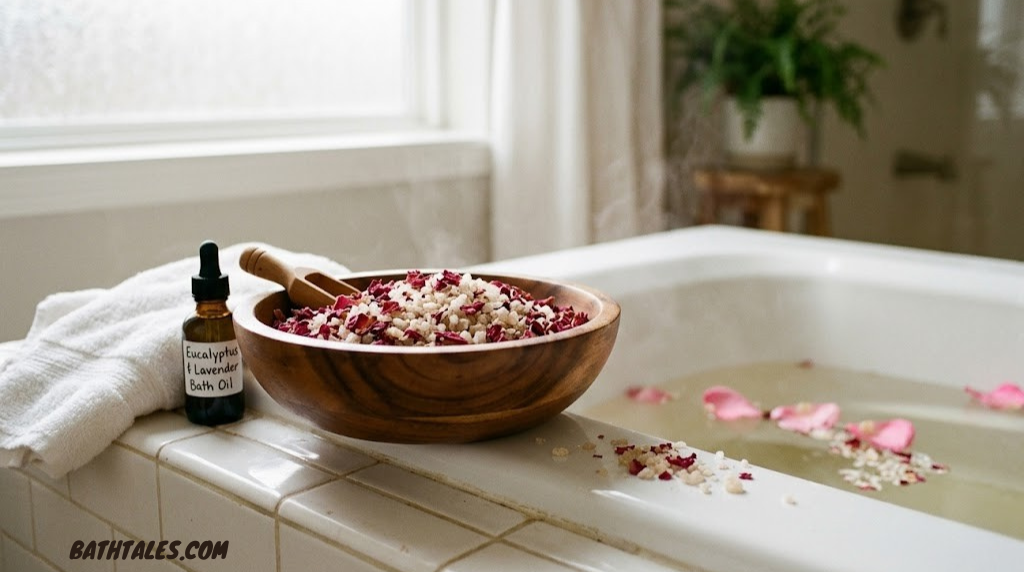
There’s a particular kind of exhaustion that comes with pregnancy — the kind that goes beyond tiredness and settles deep in your lower back, your swollen feet, your restless, uncomfortable nights. You want relief that’s gentle enough for two, but effective enough to actually matter.
The good news: warm mineral baths are one of the most evidence-supported, genuinely safe wellness tools available to pregnant women. The nuance is in knowing which minerals to reach for, which additives to leave on the shelf, and how to soak in a way that keeps both you and your baby comfortable. This guide covers all of it — from first trimester caution to third trimester swelling relief — with specific product recommendations and a clear set of rules to follow.
Are Bath Salts Actually Safe During Pregnancy?
The direct answer is yes — with important conditions. Plain mineral bath salts (magnesium chloride, magnesium sulfate, Himalayan salt, Dead Sea salt) have no known risks to pregnancy when used correctly. The mineral content that makes these salts beneficial doesn’t change during pregnancy; if anything, it becomes more relevant, since magnesium needs increase significantly when you’re expecting.
The real risks in pregnancy bathing come from two sources: heat and chemical additives. Not the minerals themselves.
The Temperature Rule — Non-Negotiable
Core body temperature above 102.2°F (39°C) has been linked to neural tube defects in early pregnancy and potential fetal stress in later trimesters. Your bath water should never exceed 100°F (38°C). A simple bath thermometer — widely available for a few dollars — removes all guesswork. If you don’t have one, a good rule of thumb: if you’re sweating within the first two minutes of entering the bath, the water is too hot.
Shallow soaking is another useful adaptation. Many midwives advise pregnant women to avoid submerging the abdomen in very warm water, particularly in the first trimester — a gentle warm footbath or shallow soak covering the lower legs and pelvis is often all that’s needed for swelling and pain relief.
Additive Safety
Plain mineral salts are safe. The issue arises with bath products that use minerals as a vehicle for delivering other ingredients — synthetic fragrances, certain essential oils, preservatives, artificial colors, and detergent-based foaming agents. During pregnancy, skin permeability increases and the blood-skin barrier becomes more permeable, meaning more of what’s in your bathwater reaches your bloodstream. This is exactly why mineral absorption improves — but it’s also why chemical additives deserve more scrutiny.
Your Trimester-by-Trimester Soaking Guide
Pregnancy isn’t a single, uniform experience — what your body needs in week 8 is very different from what it needs in week 34. Here’s how to adjust your mineral bath routine through each stage.
1st Trimester
Weeks 1–12
- Water: Keep below 98–99°F — extra conservative
- Duration: 10–15 min max
- Minerals: Plain Epsom salt or magnesium flakes, fragrance-free
- Essential oils: Avoid completely
- Depth: Shallow soak — avoid full submersion of abdomen
2nd Trimester
Weeks 13–27
- Water: Up to 100°F
- Duration: 15–20 min
- Minerals: All major mineral types safe
- Oils: Lavender, chamomile ok with provider approval
- Focus: Back pain, leg cramps, stress relief
3rd Trimester
Weeks 28–40
- Water: Up to 100°F — easier to overheat now
- Duration: 15–20 min
- Minerals: Magnesium flakes especially valuable
- Focus: Swelling, sleep, hip and back pain
- Foot soaks: Excellent, daily use fine
Most of the pregnancy-specific bath salt benefits become most relevant from the second trimester onward, as back pain, leg cramps, and swelling become increasingly common. That said, a gentle Epsom salt or magnesium flake foot soak can be a valuable ritual even in the first trimester — warm, soothing, and nausea-neutral, since it doesn’t involve heat near the core.
Which Mineral Types Are Best for Pregnancy?
Not all mineral bath salts are created equal in a pregnancy context. Here’s a breakdown of each major type, what it offers, and how it fits into a pregnancy bath routine.
Magnesium Flakes (Magnesium Chloride)
Magnesium flakes are arguably the single most valuable bath mineral for pregnancy. Here’s why: magnesium deficiency is one of the most common nutritional shortfalls during pregnancy. The body’s magnesium requirements increase substantially to support fetal development, placental function, and the expanding cardiovascular and musculoskeletal demands on the mother’s body. Many pregnant women — even those taking prenatal vitamins — fall short.
Magnesium chloride is more bioavailable than magnesium sulfate (Epsom salt), meaning more magnesium actually reaches your tissues per bath. It’s also gentler on skin — the hygroscopic nature of the chloride form leaves skin feeling softer and more moisturized rather than tight and dry. For women dealing with pregnancy-related itchy skin or stretch marks, this is a meaningful difference.
If you’re already familiar with the magnesium chloride vs magnesium sulfate comparison, our full breakdown at magnesium flakes vs Epsom salt covers all the technical differences in detail.
Epsom Salt (Magnesium Sulfate)
Epsom salt is the most widely used and most accessible option, and it earns its place in a pregnancy bath routine. The magnesium sulfate it contains supports muscle relaxation, fluid balance, and sleep — all things pregnant women genuinely need. It also has a longer track record in clinical use: magnesium sulfate is actually administered intravenously by obstetricians for managing pre-eclampsia and preventing seizures, which speaks to the mineral’s deep integration into pregnancy care.
At typical bath concentrations, Epsom salt is extremely safe. The only relative downside compared to magnesium flakes is the mildly drying effect of the sulfate component on very dry or sensitive pregnancy skin. For women whose skin is holding up well, this is a non-issue — and the cost advantage of Epsom salt makes daily soaking financially accessible.
Dead Sea Salt
Dead Sea salt has a uniquely complex mineral profile: it’s rich in magnesium chloride, potassium, calcium, and bromide, with only about 12–18% sodium chloride (compared to nearly 98% in table salt). The magnesium chloride content makes it functionally similar to magnesium flakes but with additional trace minerals. Dead Sea salt has the most robust clinical evidence base for skin conditions — particularly psoriasis and eczema — which can flare during pregnancy due to hormonal shifts. Our Dead Sea salt vs Epsom salt comparison examines the full profile if you want to go deeper.
Himalayan Pink Salt
Himalayan pink salt provides a broad trace mineral spectrum alongside its primary sodium chloride base. While it doesn’t deliver the same concentrated magnesium dose as flakes or Epsom salt, it’s gentle, visually appealing, and well-tolerated by sensitive pregnancy skin. Many women find it a pleasant middle ground — more mineralrich than plain sea salt, without the intensity of magnesium chloride. For a full breakdown of options, our guide to the best Himalayan pink bath salt covers sourcing and quality markers.
| Mineral Type | Pregnancy Safety | Key Benefits in Pregnancy | Best Trimester |
|---|---|---|---|
| Magnesium Flakes | ✔ Safe | Leg cramps, sleep, skin hydration, higher Mg absorption | All, especially T3 |
| Epsom Salt | ✔ Safe | Muscle relaxation, swelling, constipation relief, cost-effective | All trimesters |
| Dead Sea Salt | ✔ Safe | Skin conditions, broad trace minerals, softening | T2 and T3 |
| Himalayan Pink Salt | ✔ Safe | Gentle mineral top-up, skin softening, broad trace minerals | All trimesters |
| Herbal bath salts | ⚠ Caution | Depends entirely on botanical ingredients | Verify every ingredient |
| Scented/fragranced | ✗ Avoid | No additional benefit; synthetic fragrance risk | Avoid throughout |
The Best Bath Salts for Pregnancy: Our Top Picks
Every product below is fragrance-free or uses only pregnancy-vetted natural scent, free from synthetic additives, and from a brand with verifiable ingredient transparency. These are real picks — not padded lists.

Ancient Minerals Magnesium Bath Flakes — Zechstein Source
The gold standard for transdermal magnesium in pregnancy
Sourced from the ancient Zechstein seabed and tested to pharmaceutical-grade purity standards, these magnesium chloride flakes are the cleanest, most bioavailable mineral bath option available. The absence of any additives, fragrances, or fillers makes them the safest choice for pregnancy use. High magnesium chloride concentration means more per soak. The skin-softening effect is particularly noticeable for the stretching, itchy belly skin of the second and third trimesters. Use 1 cup in warm (not hot) water for 15–20 minutes.
Check Price on Amazon →
Dr Teal’s Pure Epsom Salt — Unscented, Fragrance-Free
Reliable, affordable, pregnancy-safe daily soaking
Note: choose the explicitly fragrance-free, unscented version rather than the scented lavender lines (which contain fragrance oils). The plain USP-grade Epsom salt from Dr Teal’s is a completely clean product — just pharmaceutical-grade magnesium sulfate, nothing added. At this price point, you can afford to soak daily without worrying about cost. Excellent for third-trimester swollen feet and ankles, and a solid daily option for muscle tension through the second trimester.
Check Price on Amazon →
San Francisco Salt Co. Dead Sea Salt — Fine Grain, No Additives
Ideal for pregnancy skin changes, itching, and eczema flares
Pregnancy hormones frequently trigger skin changes — increased sensitivity, dry patches, pregnancy-induced eczema, and the general tightness of stretching skin. Dead Sea salt’s high magnesium chloride content alongside its unique trace mineral profile (bromide, potassium, calcium) makes it particularly effective for these complaints. This brand keeps things clean: no fragrances, colorants, or oils added. The fine grain dissolves quickly and completely. Many users specifically call out its effect on itchy pregnancy belly skin as genuinely noticeable.
View on Amazon →
Majestic Pure Himalayan Salt Bath Crystals — Fine Grain
Gentle mineral soaking with a broad trace mineral profile
For pregnant women who want a gentler mineral option without the intensity of straight magnesium chloride, Himalayan pink salt is an excellent choice — particularly in the first trimester when extra caution is warranted. Majestic Pure’s version is additive-free and fine-grain, making it easy to dissolve quickly. Use 1–2 cups in a comfortably warm bath. The natural pink color adds a small, zero-chemical visual warmth to the bath water that many expectant mothers appreciate. No fragrance, no dyes, no fillers.
Check Price on Amazon →
Life-flo Pure Magnesium Flakes — 44 oz Bulk
Daily magnesium soaking made affordable — excellent for foot soaks
For pregnant women who want the superior absorption of magnesium chloride but need to manage cost across a nine-month daily routine, Life-flo’s bulk 44 oz format brings the per-bath price down significantly. These are pure magnesium chloride flakes, fragrance-free with no additives. Particularly popular among pregnant women for evening foot soaks — the feet become one of the primary swelling and aching sites in the third trimester, and they’re also an excellent absorption site for magnesium. A ½ cup in a basin of warm water, 20 minutes before bed, is a genuinely powerful end-of-day ritual.
View on Amazon →What to Avoid: Ingredients That Don’t Belong in a Pregnancy Bath
The “don’t use” list matters just as much as the “do use” list, particularly because the bath salt market is full of beautifully packaged products that contain ingredients you wouldn’t knowingly choose for pregnancy. Here’s what to look for and leave on the shelf.
Pregnancy Bath Salt — Avoid List
- Synthetic fragrances — Listed as “fragrance,” “parfum,” or “perfume.” These are chemical cocktails that can include hormone-disrupting phthalates and unlisted sensitizers.
- Artificial colors / dyes — FD&C dyes, colorants. No evidence of benefit; unnecessary chemical exposure.
- Uterotonic essential oils — Clary sage, rosemary, thyme, basil, juniper, cinnamon, oregano, sage. These can stimulate uterine contractions and are contraindicated in pregnancy, especially the first trimester.
- High-dose peppermint — Small amounts may be fine in later pregnancy, but high-concentration peppermint oil should be avoided; it reduces milk supply and has emmenagogue properties.
- Retinol / vitamin A derivatives — Occasionally found in premium bath products. Topical retinoids are contraindicated in pregnancy.
- SLS / SLES (sulfates as foaming agents) — Sodium lauryl sulfate, sodium laureth sulfate. Drying, potentially irritating — not a pregnancy-specific risk, but unnecessary in a mineral soak.
- Parabens — Methylparaben, propylparaben. Potential endocrine disruption; best avoided during pregnancy and breastfeeding.
- Unspecified “botanical extracts” — Without a specific plant name and safety profile, these are unknowns. When pregnant, unknowns are risks.
The safest approach is choosing single-ingredient or clearly labeled two-to-three ingredient products: mineral salt + carrier oil (like fractionated coconut or jojoba) + a specifically pregnancy-approved essential oil if desired, in very low concentration.
Essential Oil Safety in Pregnancy Baths
Essential oils are one of the most complex topics in pregnancy wellness. The popular perception is that they’re “natural and therefore safe,” but this significantly underestimates their potency — many essential oils contain pharmacologically active compounds that cross the placental barrier. The better framing: essential oils are powerful, and like most powerful things, some are safe in pregnancy and some are not.
The Generally Considered Safe List (2nd and 3rd Trimester)
- Lavender (Lavandula angustifolia) — The most studied and most widely approved. Gentle anxiolytic and sleep-supporting properties. Use 2–3 drops pre-diluted in carrier oil per bath.
- Roman chamomile — Calming, anti-inflammatory, gentle. Avoid large amounts in first trimester.
- Frankincense — Anti-inflammatory, grounding, skin-supportive. Widely considered safe in second and third trimesters.
- Ylang ylang — Relaxing, euphoric. Safe in low dilution; can cause headaches at high concentrations.
- Sandalwood — Deeply calming, skin-supportive. Generally considered safe throughout.
- Neroli (bitter orange blossom) — Gentle anxiety relief. Used in birth preparation in some midwifery traditions.
Always Avoid During Pregnancy
- Clary sage, rosemary (high-1,8-cineole type), thyme, oregano, basil
- Juniper berry, cypress (may have diuretic or uterotonic effects)
- Fennel, anise, tarragon (high estragole content)
- Mugwort, pennyroyal, wormwood, tansy — absolutely contraindicated
- Camphor, wintergreen
When in doubt, skip the oils entirely. The mineral content alone provides genuine, measurable benefit. A fragrance-free magnesium bath is a completely valid and excellent choice throughout pregnancy.
Specific Pregnancy Symptoms and How Mineral Baths Help
Pregnancy brings a constellation of physical complaints that mineral bathing addresses with surprising effectiveness. Here’s the evidence-backed breakdown by symptom.
Swelling (Edema) — Especially Feet and Ankles
Pregnancy-related edema affects up to 80% of expectant mothers, becoming most pronounced in the third trimester. Warm water immersion triggers vasodilation and supports lymphatic drainage — both of which actively reduce swelling. Studies on hydrotherapy in pregnancy have shown measurable reductions in lower extremity edema following warm baths and foot soaks. Magnesium’s role in fluid regulation adds an additional layer of benefit, particularly for magnesium-deficient women.
For swelling specifically, foot soaks are often more practical than full baths in late pregnancy: you don’t have to lower yourself into a tub, and the feet — the primary swelling site — get maximum mineral contact. Use ½–1 cup of magnesium flakes or Epsom salt in a warm basin, elevate legs after the soak, and repeat daily.
Leg Cramps and Restless Legs
Pregnancy leg cramps are almost universally related to magnesium insufficiency, electrolyte imbalances, and the increasing cardiovascular demand on the circulatory system. The direct link between magnesium deficiency and muscle cramping is one of the better-established connections in clinical nutrition. Regular magnesium baths — particularly using higher-bioavailability magnesium flakes — can meaningfully reduce both frequency and severity of nighttime leg cramps.
If muscle cramping is a significant issue, also check our guides on best bath salts for muscle soreness and best bath salts for athletes — the recovery-focused mineral protocols translate well to pregnancy muscle care.
Back Pain and Pelvic Girdle Pain
Warm water immersion reduces the mechanical load on the spine — in water, you effectively lose up to 90% of your body weight’s gravitational effect. For a pregnant woman carrying significant additional weight forward of center, this temporary unloading is genuine relief. Combined with magnesium’s muscle-relaxant properties, a 15–20 minute warm mineral bath can provide relief that rivals gentle massage for lower back and sacroiliac pain.
Sleep Difficulties and Anxiety
Pregnancy insomnia affects a large proportion of women, particularly in the first and third trimesters. The warm bath-then-cool effect — where soaking in warm water triggers a post-bath core temperature drop that mimics the body’s natural sleep-onset signal — is one of the most studied non-pharmacological sleep aids. Magnesium’s support of GABA receptor activity and melatonin synthesis adds a direct neurological layer. A 15–20 minute magnesium soak 60–90 minutes before bedtime is one of the most consistently recommended evening rituals by midwives and sleep specialists alike.
For a deeper dive into mineral bathing and sleep, see best bath salts for relaxation and sleep.
Skin Changes: Dryness, Itching, Stretch Marks
Pregnancy skin changes are driven by hormonal shifts and the physical stretching of skin over the growing abdomen and breasts. Magnesium chloride (flakes or Dead Sea salt) can significantly improve skin hydration due to its hygroscopic properties, and the mineral content supports skin barrier function. While bath salts won’t prevent stretch marks (no topical product reliably does), keeping skin supple and well-hydrated reduces the tightness and itching that often accompanies rapid skin expansion.
For women whose skin becomes reactive during pregnancy, our guide to best bath salts for sensitive skin and best bath salts for dry skin provide product-specific recommendations for reactive pregnancy skin.
Hemorrhoids and Perineal Discomfort
Hemorrhoids affect a significant proportion of pregnant women, particularly in the third trimester. A shallow warm sitz bath with plain Epsom salt (½ cup in a few inches of warm water) is a time-honored comfort measure for hemorrhoid pain, anal fissures, and general perineal discomfort. This practice is common enough that it’s frequently recommended by OBs and midwives — and it also applies postpartum for perineal healing after birth.
How to Take a Safe Pregnancy Mineral Bath
The protocol matters as much as the product. Follow these steps for every mineral bath throughout your pregnancy.
Check the water temperature before getting in. Use a bath thermometer (inexpensive and worth having). Ideal range: 98–100°F (37–38°C). If you don’t have a thermometer, the water should feel comfortably warm — not steaming, not making you sweat within the first minute.
Add minerals while the tap is still running. This ensures complete dissolution before you enter. Stir the water to help dissolve. For magnesium flakes especially, undissolved crystals can feel concentrated on skin.
Drink a glass of water before you get in. Warm water bathing is mildly dehydrating, and pregnancy already increases your fluid needs. Dehydration can trigger Braxton-Hicks contractions in some women.
Keep a clock nearby. Set a 15–20 minute limit and stick to it. The benefits plateau after about 20 minutes, and overly long soaks increase dehydration and overheating risk.
Exit slowly and carefully. In the third trimester especially, stand up slowly — the combination of relaxed muscles and shifted center of gravity increases fall risk. Use a non-slip bath mat and a wall-mounted grab bar if available. Having a partner nearby is wise in late pregnancy.
Pat dry gently and moisturize immediately. Apply an unscented, pregnancy-safe body oil or lotion while skin is still slightly damp to lock in the hydration benefit. Avoid retinol-containing moisturizers.
For a full guide on how long to soak and how frequently, see our article on how long to soak in bath salts — including guidance for specific pregnancy symptoms and trimester-specific recommendations.
DIY Pregnancy Bath Salt Blends
Making your own pregnancy bath salts is both safer and more economical than buying pre-blended products — because you control every ingredient. Here are three simple blends designed specifically for common pregnancy needs.
Blend 1: Third Trimester Swelling Relief
- 1 cup magnesium flakes (or Epsom salt)
- ½ cup fine Dead Sea salt
- 1 tablespoon fractionated coconut oil (helps skin barrier)
- Optional: 2 drops lavender essential oil, pre-mixed into the coconut oil
Blend 2: Evening Sleep & Relaxation (All Trimesters)
- 1.5 cups magnesium flakes
- 1 tablespoon jojoba oil
- Optional (T2/T3 only): 2 drops Roman chamomile in jojoba
Blend 3: Itchy Belly Skin Soak (All Trimesters)
- 1 cup fine-grain Dead Sea salt
- 1 cup Himalayan pink salt
- 2 tablespoons colloidal oat (add directly to water — deeply soothing for itchy skin)
- No essential oils
For a more detailed guide to custom blending — including ratios, carrier oil choices, and how to incorporate botanicals safely — see our full tutorial on how to make bath salts at home.
Full Mineral Comparison for Pregnancy Use
| Feature | Magnesium Flakes | Epsom Salt | Dead Sea Salt | Himalayan Salt |
|---|---|---|---|---|
| Mg absorption | Highest | Good | High (MgCl₂) | Low–moderate |
| Leg cramps | Excellent | Good | Good | Moderate |
| Skin hydration | Excellent | Moderate | Excellent | Good |
| Swelling relief | Excellent | Good | Good | Moderate |
| Sleep support | Excellent | Good | Good | Moderate |
| Sensitive skin | Very gentle | Moderate | Very gentle | Gentle |
| Cost per bath | $4–$8 | $0.80–$2 | $2–$5 | $1–$3 |
| First trimester safety | ✔ Safe | ✔ Safe | ✔ Safe | ✔ Safe |
| Overall pregnancy rating | ⭐⭐⭐⭐⭐ | ⭐⭐⭐⭐ | ⭐⭐⭐⭐⭐ | ⭐⭐⭐⭐ |
For families on a budget, the blend strategy makes the most sense: an affordable Epsom salt base with a small amount of magnesium flakes or Dead Sea salt added lifts the quality profile significantly without dramatically increasing cost. See how these compare in our broader guides on best bath salts for every type of soak and best organic bath salts.
Frequently Asked Questions
Plain mineral bath salts — Epsom salt, magnesium flakes, Himalayan salt, and Dead Sea salt — are generally considered safe during pregnancy when used at recommended concentrations and with water kept below 100°F (38°C). The main risks come from overheating, not from the minerals themselves. Avoid products with synthetic fragrances, uterotonic essential oils, parabens, or artificial colors. Always check with your midwife or OB before starting a new bath routine, especially in the first trimester.
Avoid bath salts containing essential oils not approved for pregnancy — particularly clary sage, rosemary, juniper, thyme, basil, peppermint in high concentrations, and any emmenagogue botanicals. Also avoid products with artificial fragrances (listed as “fragrance” or “parfum”), parabens, synthetic colors, and detergent-based foaming agents. Herbal bath salts with unspecified botanical ingredients should be treated with caution — if you can’t verify the safety of every ingredient, choose a different product.
Yes — warm Epsom salt baths can help reduce pregnancy-related swelling, particularly in the feet, ankles, and legs. The warm water encourages vasodilation and lymphatic movement, while magnesium sulfate may support fluid balance. Foot soaks are often more practical than full baths in late pregnancy. Keep the temperature below 100°F and soak for no more than 20 minutes. Elevate your legs after the soak to further support drainage.
Yes, plain Dead Sea salt is safe during pregnancy. It has a high magnesium chloride content alongside other trace minerals that support skin hydration and muscle relaxation. Dead Sea salt is particularly useful for pregnancy-related skin conditions including eczema flares, itchy skin, and the general dryness that accompanies rapid skin stretching. Choose fragrance-free, additive-free Dead Sea salt and use 1–2 cups in warm (not hot) bathwater. See our comparison of Dead Sea salt vs Epsom salt for more detail.
Bath water should not exceed 100°F (38°C) during pregnancy. Core body temperature above 102.2°F has been associated with neural tube defects in early pregnancy and potential fetal stress in later trimesters. A comfortable warm bath — where you don’t sweat within the first few minutes — is the safe zone. Use a bath thermometer if you’re unsure. Hot tubs and Jacuzzis routinely exceed 104°F and should be avoided throughout pregnancy.
Magnesium baths — using either magnesium flakes (magnesium chloride) or Epsom salt (magnesium sulfate) — are widely considered safe and beneficial during pregnancy. Magnesium requirements increase significantly in pregnancy, and many women are deficient. Topical magnesium exposure may help manage leg cramps, back pain, and sleep difficulties. Use warm water (below 100°F) and consult your provider if you have any kidney conditions. Our full guide to magnesium flakes vs Epsom salt explains the absorption differences between the two forms.
Plain mineral bath salts can be used throughout pregnancy with appropriate precautions. The second trimester is generally considered the most comfortable period for mineral soaking — morning sickness has typically passed, and discomforts like back pain and leg cramps are increasing. First trimester requires the most caution with heat and essential oils. Third trimester baths are particularly valuable for swelling, back pain, and sleep — but getting in and out of the tub requires more care as balance shifts.
Pregnant women should limit bath salt soaks to 15–20 minutes, compared to the 20–40 minutes often recommended for non-pregnant adults. Shorter soaks reduce the risk of overheating and cardiovascular strain. You can soak daily if the water is kept below 100°F and you feel comfortable. For timing guidance, see our full article on how long to soak in bath salts.
Yes — warm mineral baths are one of the most effective non-pharmacological approaches to pregnancy back pain. The warm water reduces spinal loading and muscle tension, while magnesium supports muscle relaxation and nerve signal regulation. Soaking the lower back in a warm tub for 15–20 minutes can provide meaningful relief, especially in the second and third trimesters. For targeted relief, try combining a mineral soak with gentle hip stretches performed at the water’s edge after exiting the bath.
The most widely considered safe essential oils for pregnancy (particularly second and third trimesters) include lavender, Roman chamomile, frankincense, ylang ylang, and sandalwood. Use them in very dilute concentrations — no more than 2–3 drops total per bath, pre-diluted in a carrier oil before adding to the water. Always consult your midwife or OB. For a full guide on dilution and blending, see best essential oils for bath salts.
Yes — a warm magnesium bath 60–90 minutes before bedtime is one of the most evidence-supported non-pharmacological sleep aids for pregnant women. The combination of magnesium’s support for GABA and melatonin regulation, plus the post-bath core temperature drop that acts as a natural sleep-onset signal, makes this a genuinely effective evening ritual. Use magnesium flakes or Epsom salt at a standard dose (1 cup) in water no hotter than 100°F. See our guide on best bath salts for relaxation and sleep for more detail.
Yes, Himalayan pink salt is safe to use in pregnancy baths. It contains a broad trace mineral profile including magnesium, potassium, and calcium alongside sodium chloride. For bathing purposes, it’s gentle and mineral-rich. Choose additive-free, fragrance-free Himalayan bath salt and use 1–2 cups per bath in warm water. It’s a particularly good option in the first trimester when extra caution is appropriate, as it’s gentler than straight magnesium chloride.
Final Thoughts: Bathing Well Throughout Your Pregnancy
A warm mineral bath is one of the simplest, safest, and most genuinely effective wellness tools available to you during pregnancy. It costs very little, requires no prescription, has no drug interactions, and addresses several of the most common pregnancy complaints — swelling, back pain, leg cramps, sleep difficulties, and skin changes — all in one gentle, daily ritual.
The key is choosing the right minerals (plain, additive-free, fragrance-free), respecting the temperature limit (below 100°F, always), keeping soaks short (15–20 minutes), and listening to your body throughout. Magnesium flakes are the top pick for pregnancy-specific benefits; Epsom salt is the accessible, affordable everyday option; Dead Sea salt is the best choice if skin is your primary concern.
Whatever you choose, the simple act of carving out 20 quiet minutes to warm your muscles, ease your back, and breathe deeply is itself worthwhile — and pregnancy is one of the times when that rest is most deserved.
Explore All Bath Salt Guides at BathTales →Extended Pregnancy Bath Guide
The sections below go deeper into the topics that expecting mothers ask about most — from transdermal absorption science to bathroom safety setups, from morning sickness to postpartum recovery, and everything between.
How Transdermal Magnesium Absorption Works During Pregnancy
There’s a reason midwives and integrative health practitioners recommend magnesium baths over oral supplements for many pregnant women, and it comes down to biochemistry. Understanding how magnesium actually gets from your bathwater into your bloodstream — and why pregnancy changes the equation — helps explain why mineral baths aren’t just a comfort measure but a genuinely therapeutic one.
The Skin as an Absorption Pathway
Your skin is not a waterproof barrier. It’s a semi-permeable organ with roughly 26 million pores, and its outermost layer — the stratum corneum — functions more like a selective filter than a wall. Small mineral ions, particularly magnesium, can pass through this layer via two primary routes: through the hair follicles and sweat glands (the appendageal route), and directly through the lipid matrix between corneocytes (the intercellular route). Both pathways are enhanced when the skin is warm and hydrated — which is exactly what a warm bath provides.
The critical variable is ion size. Magnesium ions (Mg²⁺) are small enough to traverse the stratum corneum, particularly in the chloride form. Magnesium chloride dissociates readily in water, releasing free magnesium ions that are available for skin contact. Magnesium sulfate (Epsom salt) also releases magnesium ions, but the sulfate component can slightly impede penetration and has a mild drying effect on the outer skin layer that may reduce absorption efficiency over the course of a single bath. This is one of the reasons magnesium chloride flakes consistently outperform Epsom salt in absorption studies — though both are effective.
Why Pregnancy Increases Absorption Rates
During pregnancy, several physiological changes converge to make transdermal absorption more efficient. First, blood volume increases by 40–50% by the third trimester, which means greater dermal perfusion — more blood flowing through the skin’s capillary network, carrying absorbed minerals into systemic circulation more quickly. Second, pregnancy hormones (particularly estrogen and progesterone) alter the lipid composition of the stratum corneum, making it slightly more permeable. Third, the increased hydration status and vasodilation that characterize pregnancy create warmer, more receptive skin.
This increased absorption is a double-edged sword: it makes mineral baths more effective at delivering magnesium, but it also means chemical additives in bath products are absorbed more readily. This is precisely why ingredient scrutiny becomes more important during pregnancy — not less.
How Much Magnesium Do You Actually Absorb?
The honest answer is that the research is still evolving. The most commonly cited studies on transdermal magnesium absorption show measurable increases in serum magnesium and intracellular magnesium levels after regular soaking protocols (typically 15–20 minutes, 3–4 times per week for 4–6 weeks). A 2017 study published in Nutrients found that participants using magnesium chloride foot soaks showed significant increases in cellular magnesium levels over a 12-week period. However, the degree of absorption varies based on water temperature, soak duration, individual skin permeability, and starting magnesium status.
For pregnant women who are already magnesium-deficient — which is the majority, given that recommended intake increases from 310–320 mg/day to 350–360 mg/day during pregnancy — the body’s absorption gradient favors even greater uptake. Your tissues are essentially “pulling in” magnesium more aggressively when stores are low.
Bath Salts for Morning Sickness and First Trimester Nausea
Nausea is the unwelcome hallmark of the first trimester, affecting an estimated 70–80% of pregnant women. While mineral baths won’t directly cure morning sickness — the causes are primarily hormonal (hCG and rising estrogen) — they can meaningfully ease the experience and provide a window of relief that many women describe as one of the few moments during the day when they feel human again.
How Warm Baths Ease Nausea
The mechanism is primarily parasympathetic. A warm, comfortable bath activates the parasympathetic nervous system — the “rest and digest” branch — which directly counteracts the sympathetic overdrive that often accompanies nausea. When your body shifts into parasympathetic dominance, gastric motility normalizes, cortisol levels drop, and the general sense of malaise that intensifies nausea begins to soften. The warmth also relaxes the diaphragmatic and abdominal muscles, which can relieve the tight, cramp-like sensation that often accompanies pregnancy nausea.
Magnesium plays a supporting role here as well. Magnesium deficiency is associated with increased nausea sensitivity and heightened stress response. By maintaining adequate magnesium levels — which transdermal absorption supports — you’re giving your nervous system the mineral cofactor it needs to regulate the stress-nausea cycle more effectively.
First Trimester Bath Protocol for Nausea
The first trimester demands extra caution with temperature and additives, so here’s a conservative protocol specifically designed for nausea relief:
- Temperature: 97–99°F (36–37°C) — slightly cooler than the standard pregnancy recommendation. When you’re already nauseated, heat can make it worse.
- Duration: 10–15 minutes. Shorter soaks reduce the risk of overheating and are better tolerated when you feel unwell.
- Minerals: Plain Epsom salt or magnesium flakes, fragrance-free. No essential oils in the first trimester.
- Position: Semi-reclined if possible, with your upper body elevated slightly. Lying flat can worsen nausea in some women.
- Hydration: Sip cool water or diluted ginger tea before and during the soak. Dehydration worsens nausea and is especially common in the first trimester.
- Timing: Mid-morning or early afternoon often works best — these are frequently the windows when nausea is most manageable.
The Foot Soak Alternative
On days when the idea of a full bath feels overwhelming — and in the first trimester, there are many such days — a simple foot soak can deliver the core benefits with minimal effort. Fill a basin with comfortably warm water, add ½ cup of Epsom salt or magnesium flakes, and sit with your feet immersed for 15–20 minutes. The magnesium absorption through the feet is effective (the soles of the feet have some of the thickest but also most vascular skin on the body), and the warm water still triggers parasympathetic activation. Many women find this approach more tolerable during acute nausea because there’s no submersion of the torso, no getting in and out of a tub, and it can be done while sitting on the couch watching television — a meaningful practical advantage when you feel terrible.
Varicose Veins and Circulation: How Mineral Baths Help
Varicose veins are one of the less discussed but genuinely uncomfortable pregnancy complications, affecting up to 40% of pregnant women. The combination of increased blood volume, hormonal relaxation of vein walls, and the growing uterus compressing pelvic veins creates a perfect storm for venous insufficiency in the lower extremities. While mineral baths can’t prevent varicose veins (they’re largely hereditary and hormonally driven), they can meaningfully reduce the symptoms — heaviness, aching, swelling, and the restless, throbbing sensation in the legs.
Why Warm Mineral Water Supports Venous Return
Warm water immersion creates a hydrostatic pressure gradient that actively assists venous return — the flow of blood back up from the legs to the heart. When you’re immersed in warm water, the water pressure compresses the superficial veins, effectively acting like a gentle, uniform compression garment. This reduces venous pooling in the lower legs and decreases the pressure in the smaller veins that contribute to the aching and swelling of varicosity.
Simultaneously, the warmth triggers vasodilation in the arteriolar network, increasing blood flow through the microcirculation and helping to clear the metabolic waste products that accumulate in poorly draining tissues. The magnesium component adds muscle-relaxant and anti-inflammatory effects — both relevant for the perivenous muscle pumps that help push blood upward against gravity.
Practical Protocol for Varicose Vein Relief
- Foot and lower leg soaks are more practical than full baths for this purpose. Use a basin deep enough to cover your feet and calves.
- Temperature: 98–100°F. Warm enough to promote vasodilation, not so hot as to cause further vein dilation and increased pooling.
- Minerals: 1 cup Epsom salt or magnesium flakes per basin of warm water.
- After the soak: Elevate your legs above heart level for 10–15 minutes. This is when the real venous drainage benefit occurs — the combination of post-soak vasodilation plus gravitational assist is powerful.
- Frequency: Daily use is safe and recommended, particularly in the third trimester when varicosity symptoms peak.
It’s worth noting that this protocol is well-established in European hydrotherapy traditions, where warm mineral foot baths followed by leg elevation are a standard recommendation for pregnancy-related venous insufficiency. Our guide to best bath salts for every type of soak covers foot bath options in more detail.
Pregnancy Skin Conditions: Eczema, PUPPP, and Dermatitis
Pregnancy transforms skin in ways that catch many women off guard. Beyond the expected stretch marks and dry patches, a significant percentage of expectant mothers develop or experience flare-ups of dermatological conditions that can range from mildly annoying to genuinely debilitating. Mineral baths — particularly those using Dead Sea salt — have meaningful clinical evidence supporting their role in managing several of these conditions.
Pregnancy-Related Eczema
Eczema (atopic dermatitis) can either worsen during pregnancy or appear for the first time — a phenomenon called “pregnancy-onset eczema.” The hormonal shifts of pregnancy alter the immune system’s balance, often tilting toward a Th2-dominant response that favors eczema flares. The typical presentation is intensely itchy, dry, red patches on the hands, elbows, behind the knees, and increasingly on the abdomen as it stretches.
Dead Sea salt baths have the strongest clinical evidence base for eczema of any bath salt type. Multiple controlled studies have demonstrated significant improvements in skin barrier function, reduced transepidermal water loss, and decreased eczema severity scores after regular Dead Sea salt bathing protocols. The mechanism involves the magnesium and bromide content strengthening the skin’s lipid barrier, while the trace minerals reduce inflammatory markers in the epidermis.
For pregnancy-specific eczema, our dedicated guide to the best bath salts for eczema provides detailed product recommendations and protocols that translate directly to pregnancy use — just remove any products containing essential oils not approved for pregnancy, and you have a pregnancy-safe eczema bathing protocol.
PUPPP Rash (Pruritic Urticarial Papules and Plaques of Pregnancy)
PUPPP is a pregnancy-specific skin condition that affects approximately 1 in 150–200 pregnancies, typically beginning in the third trimester. It presents as intensely itchy, hive-like bumps that usually start in the stretch marks of the abdomen and can spread to the thighs, buttocks, and arms. The cause is not fully understood, but it’s associated with rapid abdominal stretching and is more common in first pregnancies and multiple gestations.
While mineral baths don’t treat the underlying cause of PUPPP, they can significantly reduce the itching and inflammation that make it so miserable. A lukewarm (not warm — heat worsens PUPPP itching) bath with Dead Sea salt or magnesium flakes provides anti-inflammatory minerals directly to the affected skin. Keep the temperature at 96–98°F for PUPPP — cooler than standard pregnancy bath recommendations — and limit the soak to 15 minutes. Pat skin dry gently (never rub) and apply an unscented, thick emollient immediately after.
Contact Dermatitis and Pregnancy Skin Sensitivity
Pregnancy increases skin sensitivity through multiple mechanisms: hormonal changes thin the stratum corneum slightly, increase blood flow to the dermis, and alter the skin’s immune response. Products that were tolerated pre-pregnancy can suddenly trigger contact dermatitis — redness, itching, and irritation from ingredients that previously caused no issues. This is especially relevant for scented bath products, laundry detergents on towels, and even certain “natural” bath products containing botanical extracts.
The safest approach for sensitive pregnancy skin is the simplest one: plain mineral salts with no additives whatsoever. Magnesium flakes are the gentlest option, followed by Dead Sea salt (the trace minerals actually support skin barrier function), then Epsom salt (slightly more drying but still well-tolerated by most), and finally Himalayan salt (very gentle but lower magnesium content). If you’re experiencing active dermatitis, skip any carrier oils as well — even jojoba and coconut oil can exacerbate contact dermatitis in sensitized individuals.
Our guides to best bath salts for sensitive skin and best bath salts for dry skin provide additional product guidance specifically selected for reactive skin types — recommendations that apply directly to the heightened sensitivity of pregnancy.
Bath vs. Shower During Pregnancy: When Each Makes More Sense
One of the most common questions expecting mothers ask is whether baths are fundamentally better than showers during pregnancy, or whether it matters at all. The honest answer is that each has its place, and the best approach uses both strategically depending on your trimester, symptoms, and energy level on any given day.
When Baths Are the Better Choice
Baths win when you need sustained relief from physical symptoms — swelling, back pain, muscle cramps, and skin conditions all respond better to immersion than to the brief, targeted contact of a shower. The hydrostatic pressure of full-body immersion provides benefits (circulation support, weight offloading, systematic mineral absorption) that showers simply cannot replicate. Baths are also superior for stress reduction and sleep preparation — the warm-then-cool temperature arc is a genuinely therapeutic physiological event that a shower doesn’t trigger as effectively.
In the second trimester, when most women feel their best, baths are the ideal daily wellness practice. In the third trimester, they remain the best option for symptom management, though getting in and out of the tub requires more caution.
When Showers Are the Better Choice
Showers make more sense when you’re dealing with first-trimester nausea and the idea of lowering yourself into a warm tub is unappealing, when you’re short on time or energy, when you’re in late pregnancy and the logistics of getting in and out of the tub feel risky, or when you simply want a quick refresh without the setup and cleanup that a mineral bath requires. Showers are also fine for daily hygiene — you don’t need a bath every day to maintain cleanliness.
A practical hybrid approach many pregnant women adopt: daily showers for hygiene, supplemented by 3–4 mineral baths per week specifically for symptom relief and magnesium absorption. This gives you the best of both worlds — the convenience and safety of showers with the targeted therapeutic benefits of mineral soaking.
The Safety Differences
Showers have one inherent safety advantage: there’s no risk of prolonged heat exposure or the dizziness that can accompany getting out of a hot bath. They’re also less dehydrating. However, showers don’t offer the immersion benefits that make mineral baths therapeutic. For a deeper exploration of the trade-offs, our complete guide to bath vs. shower covers every angle.
The bottom line for pregnancy: showers are perfectly fine for daily cleaning, but if you want the specific therapeutic benefits of mineral bathing — magnesium absorption, hydrostatic circulation support, weight offloading for your back, and the sleep-preparation temperature arc — you need the bath. And with the right minerals and temperature control, it’s safe throughout all three trimesters.
Bath Bombs vs. Bath Salts for Expecting Mothers
Bath bombs are visually delightful — the fizzing, the color, the fragrance explosion — and during pregnancy, when you’re looking for small luxuries to brighten difficult days, their appeal is understandable. But from a safety and effectiveness standpoint, bath bombs are generally a worse choice than plain mineral bath salts during pregnancy. Here’s why.
The Ingredient Problem
Most commercial bath bombs contain a cocktail of ingredients that deserve scrutiny during pregnancy: synthetic fragrances (often listed simply as “fragrance” — a blanket term that can include dozens of undisclosed chemicals), FD&C dyes and artificial colorants, sodium bicarbonate (baking soda) combined with citric acid (the fizzing reaction), and frequently preservatives, emulsifiers, and skin-conditioning agents of varying safety profiles. While each individual ingredient may be within normal cosmetic safety limits, pregnancy changes the calculus: your skin is more permeable, your liver is processing more waste products, and the threshold for “acceptable chemical exposure” shifts when you’re building a human.
Mineral Baths vs. Bath Bombs: A Direct Comparison
| Factor | Mineral Bath Salts | Typical Bath Bombs |
|---|---|---|
| Ingredient transparency | Single or few ingredients, clearly listed | Often 10+ ingredients, “fragrance” masks many |
| Fragrance | None (fragrance-free versions) | Almost always synthetic fragrance |
| Colorants | None | Artificial dyes common |
| Active mineral content | High — primary purpose | Low to none — cosmetic purpose |
| Pregnancy symptom relief | Significant — evidence-based | Minimal — primarily sensory pleasure |
| Skin effects | Hydrating, barrier-supportive | Variable — some are drying or irritating |
| Pregnancy safety | ✔ Safe (plain, additive-free) | ⚠ Case-by-case (verify all ingredients) |
The one exception: a handful of artisanal bath bomb makers now produce pregnancy-safe formulations using only mineral salt bases, naturally derived colorants (like beetroot powder), and pregnancy-safe essential oils at low concentrations. If you genuinely want the bath bomb experience during pregnancy, seek out these specific products — but read every ingredient on the label first, and apply the same scrutiny you would to any bath product during pregnancy.
For most expecting mothers, the better strategy is: use plain mineral bath salts for your therapeutic soaks (where you want magnesium absorption and symptom relief), and save the bath bomb for an occasional postpartum treat when ingredient scrutiny can relax slightly. Our full bath bomb vs. bath salt comparison covers the safety and effectiveness differences in more detail.
Sitz Baths During Pregnancy: A Targeted Approach
The sitz bath — a shallow soak designed to immerse only the pelvic region, typically using a basin that fits over the toilet seat — is one of the most underutilized tools in pregnancy comfort care. While most pregnancy bath guides focus on full-body immersion, the sitz bath offers targeted relief for conditions that full baths don’t always address effectively, particularly in the third trimester when getting in and out of a bathtub becomes its own challenge.
What a Sitz Bath Treats
Sitz baths are primarily used for perineal and anal area conditions — and pregnancy creates or worsens several of these. Hemorrhoids, which affect a majority of pregnant women by the third trimester due to increased pelvic pressure and constipation, respond well to warm sitz baths with Epsom salt. The warm water increases blood flow to the area, reduces muscle spasm in the anal sphincter, and the magnesium sulfate provides mild anti-inflammatory effects. Anal fissures, which can develop from the chronic constipation of pregnancy, also benefit significantly.
Beyond hemorrhoids, sitz baths can relieve the generalized perineal heaviness and pressure that many women experience in late pregnancy as the baby descends into the pelvis. The warm water relaxes the pelvic floor muscles and provides a gentle counter-pressure that many women find deeply soothing.
How to Take a Pregnancy Sitz Bath
- Equipment: A sitz bath basin (available at pharmacies for a few dollars) that fits over your toilet seat, or simply use a few inches of warm water in the bathtub.
- Minerals: ½ cup plain Epsom salt dissolved in the basin water. No essential oils, no additives — the perineal area is highly absorbent and sensitive.
- Temperature: 98–100°F. Comfortably warm, not hot.
- Duration: 15–20 minutes, 1–2 times daily during active hemorrhoid symptoms.
- After: Pat dry gently with a soft towel (never rub). Apply a pregnancy-safe hemorrhoid cream or plain coconut oil if desired.
This same sitz bath protocol extends into the postpartum period — it’s one of the most commonly recommended comfort measures after vaginal delivery, where it supports perineal healing, reduces swelling from tears or episiotomy, and eases the general soreness of the immediate post-delivery period.
For a detailed comparison of sitz baths against regular full-body baths — including which is better for which conditions — see our sitz bath vs. regular bath guide.
Detox Baths and Pregnancy: Separating Fact from Fiction
“Detox bath” is one of those terms that gets used loosely in wellness circles, and during pregnancy — when women are understandably more cautious about what they put in and on their bodies — it’s worth understanding what detox bathing actually means, what it doesn’t, and whether it has any place in a pregnancy routine.
What “Detox” Actually Means in a Bath Context
Your body’s primary detoxification organs are the liver and kidneys, not the skin. A bath cannot “pull toxins” from your body through your pores in any meaningful clinical sense. This is a persistent myth in the bath product world. What a warm mineral bath can do is support the physiological processes that your liver and kidneys rely on — by improving circulation (delivering waste products to the organs of elimination more efficiently), supporting lymphatic drainage (reducing fluid congestion), and providing minerals like magnesium that serve as cofactors in enzymatic detoxification pathways.
In other words, the benefit isn’t that the bath “detoxes” you — it’s that the bath supports your body’s existing, highly sophisticated detoxification systems. For pregnant women, this distinction matters more than usual, because the body’s detoxification load genuinely increases during pregnancy (the liver is processing hormones, metabolizing medications, and handling waste products from both mother and fetus), and supporting these systems through adequate magnesium intake, hydration, and circulation is physiologically sound.
What to Avoid in “Detox” Bath Products
The detox bath market is full of products that add ingredients specifically marketed as “detoxifying” — activated charcoal, bentonite clay, essential oil blends, and various herbal extracts. During pregnancy, many of these additions are either unnecessary (charcoal and clay in a bath have no meaningful detox benefit) or potentially problematic (detox-focused essential oil blends often contain rosemary, juniper, or other oils contraindicated in pregnancy).
The safest and most effective pregnancy “detox bath” is simply a plain mineral bath with Epsom salt or magnesium flakes. The magnesium supports your liver’s enzymatic processes, the warm water promotes circulation and lymphatic drainage, and you avoid any questionable additives. Add a glass of water and you’ve created a genuinely supportive wellness practice without any of the marketing-driven extras.
If you’re interested in detox bathing outside of pregnancy, our guide to the best detox bath salts covers the topic more broadly — though we’d recommend adapting those recommendations for pregnancy by stripping out any products with essential oil blends or unspecified ingredients.
Milk Baths vs. Mineral Baths for Pregnancy Skin
The milk bath has ancient roots — Cleopatra’s legendary beauty ritual, centuries of European spa tradition — and during pregnancy, when skin is changing rapidly and many women are looking for gentle, “natural” treatments, the appeal of adding milk to bathwater is understandable. But how does a milk bath compare to a mineral bath for pregnancy-specific skin needs?
What Milk Does in Bathwater
Milk contains lactic acid, a naturally occurring alpha-hydroxy acid (AHA) that provides gentle exfoliation, along with fats and proteins that coat and soften skin. A milk bath can leave skin feeling noticeably smoother and more supple after a single soak. For pregnancy skin that’s dry, tight, or mildly itchy, this is a genuinely pleasant experience.
However, the benefits are primarily surface-level. Milk acts on the outermost dead skin cells and temporarily improves the skin’s moisture barrier through fat deposition, but it doesn’t deliver minerals that support deeper physiological processes — no magnesium absorption, no electrolyte rebalancing, no muscle-relaxant or anti-inflammatory mineral effects.
The Combined Approach
The good news is that milk and mineral salts aren’t mutually exclusive. A pregnancy bath that combines 1 cup of Epsom salt or magnesium flakes with 1–2 cups of whole milk (or ½ cup of powdered milk) delivers the best of both approaches: transdermal magnesium for the deeper therapeutic benefits, plus the surface-softening and gentle exfoliation of the lactic acid and milk fats. The milk also tends to make the water feel silkier, which is a sensory benefit that shouldn’t be underestimated when you’re dealing with the general discomfort of pregnancy.
If you have a dairy allergy, oat milk is an alternative — colloidal oat added directly to bathwater provides similar skin-soothing benefits through a different mechanism (beta-glucans and avenanthramides rather than lactic acid).
Our complete milk bath vs. regular bath comparison covers the full range of benefits and limitations for each approach.
Infrared Baths and Pregnancy: What to Know
Infrared bathing — which uses far-infrared heat to warm the body more deeply than conventional warm water — has grown in popularity as a wellness practice. The claim is that infrared energy penetrates deeper into tissues, providing enhanced pain relief, improved circulation, and more effective “detoxification” through deeper sweating. But during pregnancy, the safety picture changes substantially.
The Heat Concern
The primary concern with infrared bathing during pregnancy is the same as with any heat-based therapy: core body temperature. Infrared heat is specifically designed to raise internal body temperature more efficiently than conventional warm water, which is the opposite of what you want during pregnancy. While a standard warm bath at 100°F presents a low risk of core temperature elevation (the water cools your skin surface even as it warms you), infrared heat bypasses this cooling mechanism and can raise core temperature more rapidly and to higher levels.
The established threshold — core temperature above 102.2°F — is easier to reach with infrared exposure than with standard warm water immersion. This is why most healthcare providers advise pregnant women to avoid infrared saunas, infrared blankets, and infrared bath systems entirely, particularly in the first trimester.
The Bottom Line
Standard warm mineral baths at 100°F or below are the safe choice for pregnancy. If you enjoy infrared bathing and want to continue some form of it during pregnancy, a qualified healthcare provider should be consulted — and even then, the risks generally outweigh the benefits when standard warm water immersion provides such substantial therapeutic advantages on its own.
For more detail on the differences between infrared and regular bathing, see our infrared bath vs. regular bath comparison.
Cold and Flu During Pregnancy: Can Bath Salts Help?
Getting sick during pregnancy is a uniquely stressful experience. Your medication options are limited — most over-the-counter cold and flu remedies carry at least some pregnancy risk, and the instinct to “power through” is complicated by the reality that your body is already doing the hardest work it will ever do. A warm mineral bath won’t cure a cold or the flu, but it can provide meaningful symptom relief in a completely drug-free way.
How Mineral Baths Ease Cold and Flu Symptoms
A warm bath creates a gentle steam environment that helps loosen nasal congestion — the same principle as inhaling steam over a bowl, but more comfortable and sustained. The warm water also relaxes the body-wide muscle aches that accompany fever and viral infection, and the magnesium supports the immune system’s enzymatic processes. The post-bath temperature drop, which in a normal context aids sleep, also mimics the natural fever-breaking cycle that your body uses to fight infection.
Pregnancy-Safe Cold Bath Protocol
- Temperature: Keep at 98–100°F. If you already have a fever, keep the bath cooler than your current body temperature — the goal is gentle warming and congestion relief, not additional heat load.
- Minerals: 1–2 cups Epsom salt or magnesium flakes. The magnesium supports immune function and muscle aches.
- Steam enhancement: A warm (not hot) washcloth draped over the edge of the tub near your face creates gentle steam. Do NOT add essential oils to create steam during pregnancy without provider approval — many decongestant oils (eucalyptus, peppermint, rosemary) are not recommended.
- Duration: 15–20 minutes, with extra hydration before and after.
- Rest: Go directly to bed after the bath. The warm-to-cool transition will support restorative sleep, which is the single most important factor in recovering from illness.
Our complete guide to best bath salts for cold and flu covers symptom-specific protocols for illness — adapt those recommendations for pregnancy by removing any essential oils not on the approved list and keeping temperature conservative.
Building a Complete Pregnancy Bath Ritual
A mineral bath during pregnancy isn’t just a physical therapy session — it can be one of the most powerful daily self-care rituals available to you during a period of profound physical and emotional transformation. The difference between “taking a bath” and “having a bath ritual” is intentionality, and when you build a consistent practice around your mineral soaks, the benefits compound well beyond the mineral absorption itself.
Setting the Environment
Your nervous system responds to environmental cues faster than your conscious mind does. Before you even turn on the tap, set the stage: dim the lights (or use a single candle — placed safely on a stable surface away from any fabric), choose your background sound (many pregnant women find that nature sounds, gentle instrumental music, or even silence works better than podcasts or audiobooks during bath time, because the goal is parasympathetic activation, not stimulation), and make sure the bathroom is warm enough that stepping out of the tub won’t be a shock.
Small details matter: a folded towel on the edge of the tub to rest your head on, a glass of water within reach (not just for hydration — the act of sipping slowly is itself a parasympathetic trigger), and a non-slip mat both inside and outside the tub. If you’re in the third trimester, having your partner available — not hovering, but within earshot — provides a safety net that lets you relax more completely.
The Pre-Bath Preparation
The ritual begins before the water. A few minutes of gentle stretching — hip circles, cat-cow movements done standing, ankle rotations — prepares your muscles to benefit more fully from the mineral soak. A glass of water with a squeeze of lemon (if citrus doesn’t trigger nausea for you) starts the hydration process. Check the water temperature with a thermometer every time, not just the first few times — building this habit ensures consistency and removes the nagging doubt that can undermine relaxation.
The Soak Itself
Once you’re in the water, give yourself permission to do nothing. This is not the time to scroll through your phone, plan nursery logistics, or mentally rehearse your birth plan. Close your eyes. Breathe slowly — a simple 4-count inhale through the nose, 6-count exhale through the mouth is enough to shift your nervous system toward parasympathetic dominance within a few minutes. Place one hand on your belly if it feels comfortable — many women find this simple gesture grounding and bonding.
If you’re using this time for magnesium absorption, stay still for at least the first 10 minutes — moving and splashing reduces mineral contact time with your skin. After 10 minutes, gentle stretching in the water (hip circles, ankle pumps, shoulder rolls) combines the mineral benefits with the relief of warm-water-assisted movement.
The Post-Bath Transition
The post-bath period is where the sleep-preparation benefit happens, so don’t rush it. Exit slowly, pat dry gently, and apply an unscented body oil or rich moisturizer while skin is still slightly damp — this locks in both the hydration from the bath and the mineral residue on the skin surface. Put on your most comfortable clothes (cotton, loose-fitting, soft), and spend the next 30–60 minutes in a calm, screen-minimal environment. If you’re bathing before bed, this wind-down period is when your core temperature drops, signaling melatonin production and preparing your body for sleep onset.
For a broader guide to building a bathing routine — one that applies to pregnancy and beyond — see our best bath routine guide. If comfort is your primary concern as your body changes, how to make a bath comfortable and how to make a bath more relaxing cover the practical and sensory details that transform a good bath into a great one.
Pregnancy Bath Safety: Setting Up Your Bathroom
The bathroom is statistically the most dangerous room in the house — wet surfaces, hard edges, and the postural instability of getting in and out of a tub. During pregnancy, the risk profile increases due to shifted center of gravity, ligament laxity (caused by the hormone relaxin), lower blood pressure, and the general clumsiness that many women experience in the third trimester. A few simple upgrades to your bathroom can substantially reduce these risks.
Non-Slip Solutions
A quality non-slip bath mat inside the tub is non-negotiable. Look for mats with suction cups on the bottom and a textured surface on top — the cheap, thin mats tend to slide. Outside the tub, a thick, absorbent bath mat with a rubber backing prevents the most common pregnancy bathroom accident: stepping out of the tub onto a slippery floor. If your bathroom floor is tile, consider adding adhesive non-slip strips near the tub.
Support and Stability
A wall-mounted grab bar near the tub provides a stable handhold for getting in and out — far more reliable than holding onto a towel bar (which is not designed to bear weight and can pull out of the wall). This is one of the most impactful safety upgrades you can make, and it’s inexpensive. If you rent and can’t install permanent fixtures, a tension-mounted floor-to-ceiling pole near the tub serves the same purpose.
Bathroom Hygiene and Pregnancy
A clean bathroom matters more during pregnancy. The warm, humid environment of a bathroom is ideal for mold and mildew growth, and pregnancy can increase respiratory sensitivity to mold spores. Regular cleaning — particularly in the tub, shower, grout lines, and around drains — helps maintain air quality. Using non-toxic, pregnancy-safe cleaning products is equally important; avoid bleach-heavy sprays and strong chemical cleaners in favor of simpler, less irritating alternatives.
Our guides to best bathroom cleaner, how to remove soap scum, how to clean grout without scrubbing, how to get rid of bathroom mold, how to clean a shower drain, and how to deep clean a bathroom cover the full spectrum of bathroom maintenance — relevant during pregnancy when you want a clean, safe, irritant-free environment for your daily soak.
Temperature Control
Set your water heater to no higher than 120°F (49°C). This prevents scalding if you accidentally turn the tap too far toward hot while adjusting temperature — a real risk when you’re reaching around a third-trimester belly. Use a bath thermometer every time, and test the water with your elbow (more temperature-sensitive than your hand) before getting in.
Pregnancy Bath Accessories Worth Having
The right accessories can transform a functional mineral soak into a genuinely comfortable experience — and as your pregnancy progresses, comfort in the bathtub becomes increasingly about ergonomic support rather than luxury. Here are the accessories that make a real difference.
Essential Items
- Bath thermometer: The single most important purchase. An inexpensive digital thermometer that clips to the side of the tub removes all guesswork from temperature safety. This is a tool, not a luxury — use it every time.
- Non-slip bath mat: Inside the tub, with strong suction cups and a textured surface. Replace it if the suction cups lose grip.
- Bath pillow or rolled towel: Neck and head support becomes essential as lying back in the tub becomes less comfortable with a growing belly. A waterproof bath pillow that suctions to the tub wall provides comfortable head support. A rolled towel behind your neck achieves a similar effect in a pinch.
- Grab bar: Wall-mounted, within reach of the tub entry point. Install it before you need it — ideally by the end of the second trimester.
Nice-to-Have Items
- Bath tray or caddy: A tray that spans the width of the tub, holding your water glass, a book, and your bath thermometer within reach without you having to lean or stretch.
- Large towel or robe within reach: Having a warm, absorbent towel immediately accessible when you stand up prevents the need to step across the bathroom while wet. A terry robe hung on a hook within arm’s reach of the tub is ideal.
- Foot basin for separate foot soaks: A dedicated basin means you can do daily foot soaks without the setup and cleanup of a full bath. On days when you’re tired but your feet are aching, this lowers the barrier to getting the magnesium relief you need.
Our guide to best bath products covers a wider range of bath accessories and products, some of which may be useful for creating your ideal pregnancy bathing setup. And for the basics of how to take a bath properly — a surprisingly useful refresher as your body changes and the mechanics of getting in and out shift — how do you take a bath and how to bath as a woman cover the practical fundamentals.
Pregnancy Bath Myths vs. Facts
Pregnancy generates more old wives’ tales than almost any other life event, and bathing is a particularly fertile ground for misinformation. Let’s address the most common myths directly.
The Facts
- Plain mineral bath salts are safe throughout pregnancy at correct temperatures
- Warm baths do not “cook” the baby — core temperature is tightly regulated by the body
- Magnesium absorption through the skin is real and physiologically meaningful
- Epsom salt baths are regularly recommended by OBs and midwives
- Foot soaks are safe at any stage of pregnancy
- Bathing does not cause water to enter the vagina or reach the baby
- Daily mineral baths are safe when temperature guidelines are followed
- Bath water does not cause infections — the baby is sealed behind the cervix and amniotic sac
The Myths
- “All bath salts are dangerous during pregnancy” — Confuses synthetic drug compounds with mineral bath salts
- “Hot baths are fine as long as you don’t stay in long” — Even brief hot exposure can spike core temperature
- “Bath bombs are just as safe as plain salts” — Most contain fragrances, dyes, and chemicals not vetted for pregnancy
- “If it’s natural, it’s safe for pregnancy” — Many natural compounds (essential oils, herbs) are contraindicated
- “Epsom salt baths can induce labor” — No evidence supports this at bath concentrations
- “You shouldn’t bathe after your water breaks” — This is actually when medical guidance specifically applies (not during normal pregnancy)
- “Sea salt and table salt are the same” — Mineral bath salts have entirely different compositions
- “Scented products are fine if they’re ‘natural'” — “Natural fragrance” can still contain compounds problematic in pregnancy
The Epsom salt labor myth deserves special attention, because it circulates widely in online pregnancy forums. At the concentrations used in a standard bath (1–2 cups in a full tub), magnesium sulfate does not stimulate uterine contractions. The much higher concentrations used intravenously in hospital settings for pre-eclampsia management are an entirely different situation and are administered under close medical supervision. Your evening Epsom salt bath will not put you into labor.
When to Skip the Bath: Warning Signs and Medical Conditions
While mineral baths are safe for the vast majority of pregnant women, there are specific situations where you should either skip the bath entirely or consult your healthcare provider before soaking. Being aware of these isn’t meant to create anxiety — it’s meant to give you a clear framework so you can soak with confidence on the days when it’s appropriate.
Conditions That May Require Avoiding Baths
- Placenta previa: If diagnosed with placenta previa (placenta covering the cervix), your provider may advise against full baths, particularly in the third trimester. The concern is primarily about potential bleeding triggers, not about the minerals themselves. Follow your OB’s specific guidance.
- Preterm labor risk: If you’re at risk for preterm labor — including a history of preterm birth, a short cervix, or a current cerclage — your provider may advise caution with warm baths. The heat and the relaxation response can theoretically influence uterine activity in susceptible women. Again, follow your provider’s advice specifically.
- Active vaginal bleeding: Any unexplained vaginal bleeding during pregnancy should be evaluated by a healthcare provider before you take a bath. While the bath itself is unlikely to cause harm, submerging in water when the source of bleeding is undetermined isn’t advisable.
- Ruptured membranes (water broken): Once your water has broken, the barrier between the outside environment and the amniotic sac is compromised. Your healthcare provider will give specific guidance about bathing at this point — it may be fine or it may not be, depending on your specific situation.
- Kidney conditions: Women with pre-existing kidney disease should consult their nephrologist before using magnesium baths. While transdermal absorption at bath concentrations is generally safe, impaired kidney function can alter magnesium excretion.
- Active skin infection: If you have a skin infection in the bathing area — cellulitis, infected wound, or active herpes outbreak — avoid soaking until the infection has cleared or your provider approves.
- Preeclampsia: If diagnosed with preeclampsia, follow your provider’s guidance precisely. The magnesium sulfate used to treat preeclampsia is administered intravenously at carefully controlled doses — this is very different from a bath, and your bathing routine should be directed by your medical team.
Situations That Warrant Caution (Not Avoidance)
- Feeling dizzy or lightheaded: Get out of the bath. Sit down. Drink water. Don’t try to “push through” — dizziness in the bath is a fall risk, and pregnancy-related low blood pressure can make this more common.
- Braxton-Hicks contractions during the bath: Mild Braxton-Hicks are normal in the second and third trimesters, and warm water can actually help relax them. However, if contractions are regular, increasing in intensity, or accompanied by back pain, get out and call your provider.
- Rapid heartbeat or shortness of breath: These can be signs of overheating. Exit the bath, cool down gradually, and hydrate. If symptoms persist, contact your provider.
Postpartum Bath Salts: Continuing Your Journey After Birth
The conversation about bath salts and pregnancy doesn’t end at delivery — in many ways, it becomes even more relevant. The immediate postpartum period brings a new set of physical challenges that mineral bathing addresses with the same evidence-based effectiveness it provided during pregnancy, and the transition from pregnancy bath routine to postpartum recovery routine is both natural and seamless.
The First Two Weeks: Sitz Baths and Perineal Healing
Whether you had a vaginal delivery with or without tearing, or a cesarean section once the incision has been cleared for water exposure, the first two weeks postpartum are dominated by healing. For vaginal deliveries, perineal soreness is often the most acute physical complaint. A sitz bath with plain Epsom salt — ½ cup in warm water, 15–20 minutes, 2–3 times daily — is one of the most consistently recommended comfort measures by both OBs and midwives. The magnesium sulfate reduces swelling, supports tissue healing, and provides gentle pain relief without medication.
For C-section deliveries, your provider will advise when the incision is healed enough for submersion — typically 2–4 weeks post-surgery. Until then, Epsom salt foot soaks provide the magnesium benefits without involving the surgical site.
Weeks 2–6: Recovery and Restoring Sleep
Once you’re cleared for full baths, the same magnesium bath protocol that supported your sleep during pregnancy becomes even more valuable postpartum. Newborn care disrupts sleep architecture profoundly, and a 15–20 minute magnesium soak whenever you can fit it in — morning, afternoon, or evening — provides measurable magnesium repletion and parasympathetic activation that helps your body make the most of whatever sleep windows you get.
Breastfeeding and Bath Salts
Plain mineral bath salts are completely safe during breastfeeding. The minerals don’t transfer to breast milk in significant concentrations from topical bath exposure. The caution with breastfeeding is the same as with pregnancy regarding essential oils: some oils that are fine for adults can pass into breast milk and affect the infant. Lavender in very low concentrations is generally considered safe during breastfeeding, but rosemary, peppermint (which can reduce milk supply), and the other oils on the avoid list should continue to be avoided until you’ve weaned.
Back pain, hip pain, and general muscle soreness from the physical demands of newborn care — carrying, feeding positions, bending over the crib — respond well to the same mineral bath approach that helped during pregnancy. Many new mothers find that their postpartum bath routine is one of the few moments of genuine rest and self-care during the intense early weeks, and the therapeutic benefits of the minerals make it more than just a mental break.
Preparing for Baby: Bath Time Basics for Your New Arrival
While you’re perfecting your own pregnancy bath routine, it’s worth noting that the bathing conversation is about to expand to include a very small person. Baby bath time is one of the first care rituals you’ll master as a new parent, and the same principles of safety, gentle ingredients, and temperature awareness that guide your pregnancy baths apply — in even more conservative form — to your newborn.
Newborn Bath Basics
Newborns don’t need daily baths — 2–3 times per week is sufficient, with gentle wipe-downs in between. The water temperature should be around 98–100°F (37–38°C) — the same as your pregnancy bath — and tested with the inside of your wrist or elbow before the baby goes in. No bath salts, no bubble bath, no essential oils — just plain warm water for the first several months. Newborn skin has a developing barrier function that is easily disrupted by additives.
As your baby grows, bath time evolves from a practical cleaning task into one of the most important bonding and sensory experiences of early childhood. Having the right bath toys, a safe bath setup, and a consistent routine all contribute to making this a positive experience for both of you.
For when the time comes, our guides to best bath toys for 1 year olds, best bath toys for 2 year olds, cool bath toys for 3 year olds, and best bath toys for 4 year olds cover age-appropriate options for each stage. Practical matters like how to store bath toys, how to sanitize bath toys, and how to clean mold from bath toys address the hygiene concerns that come with having wet toys in a humid bathroom — something you’ll become very familiar with.
It’s a journey that starts with your own mineral bath tonight and extends forward through years of splashing, rubber ducks, and bedtime routines — each one rooted in the same principles of safety, gentleness, and the simple comfort of warm water.