Sitz Bath 101: What It Is, What to Put In It, and How to Do One Right
A calm, practical, head-to-toe guide to sitz baths — the small soak that does a surprising amount of healing.
If you’ve ever left a doctor’s office, a delivery room, or a colorectal specialist’s clinic clutching a small plastic basin and a vague instruction to “sit in warm water a few times a day,” you already know that a sitz bath sounds simpler than it feels the first time you try it. What water temperature counts as warm enough? Do you need salt, or does plain water work just as well? How long is too long, and how often is too often? Those questions are exactly what this guide is built to answer, in plain language, without the clinical jargon that usually makes this topic feel more complicated than it is.
A sitz bath — sometimes called a “sitz” for short, from the German word sitzen, meaning “to sit” — is a shallow, warm soak that submerges only the hips and buttocks rather than the entire body. It is one of the oldest, cheapest, and most consistently recommended home remedies in medicine, prescribed for everything from postpartum recovery to hemorrhoids to minor surgical healing. Despite that long track record, most people are handed a basin and sent home with almost no explanation, which is exactly the gap this article is meant to close.
Below, you’ll find a complete walkthrough: what a sitz bath actually does, who tends to benefit most, the different types of basins and tubs available, what to add to the water for specific goals, a full step-by-step routine (illustrated so you can follow along visually), how long and how often to soak, special notes for postpartum recovery, guidance specific to hemorrhoids and fissures, safety precautions, how to choose a basin if you’re shopping for one, and how to keep the whole setup clean between uses.
Whether you landed here because a nurse handed you a basin on your way out the hospital door, a doctor mentioned it during a rushed appointment about hemorrhoids, or you’re simply trying to be prepared before a recovery period begins, the goal of this guide is the same: give you enough context that the routine feels intentional rather than mysterious, and specific enough that you’re not left guessing at the basics.
1. What Is a Sitz Bath?
At its simplest, a sitz bath is a shallow soak in warm water that covers just the perineal and rectal area — roughly from the hips down to the upper thighs — rather than the whole body the way a regular bath does. It can be done in a few different ways: a small plastic basin that fits over the rim of a toilet, a few inches of warm water run into a regular bathtub, or a standalone sitz bath tub sized for exactly this purpose.
The concept isn’t new. Warm, localized soaking has been used therapeutically for centuries, and the modern basin version became a hospital and midwifery staple because it’s inexpensive, requires no special plumbing, and can be done in a normal bathroom in under half an hour. Today it shows up most often in three settings: postpartum recovery units, colorectal and general surgery discharge instructions, and home remedy routines for conditions like hemorrhoids, anal fissures, and general perineal discomfort.
What sets a sitz bath apart from just sitting in a regular bath is precision. A full bathtub soak submerges your entire body, dilutes any additive across a large volume of water, and often runs hotter than is ideal for healing tissue. A sitz bath keeps the water shallow and concentrated exactly where it’s needed, which is part of why clinicians still recommend it over “just take a warm bath” even though the two might sound interchangeable at first glance.
It’s also worth clarifying what a sitz bath is not. It isn’t a spa treatment, a scented self-care ritual, or a substitute for medical care when something more serious is going on. It’s a small, functional piece of a healing routine — closer in spirit to changing a bandage than to a relaxing evening soak — even though it can end up feeling pleasant and calming as a side effect of doing it correctly.
2. How a Sitz Bath Actually Works
Warm water does several useful things to the body all at once, and a sitz bath is designed to concentrate every one of those effects on the exact tissue that needs them. The first is increased blood flow. Warmth causes local blood vessels to dilate, which brings more oxygen and nutrients to the area and helps carry away inflammatory byproducts that contribute to soreness and swelling.
The second effect is muscle relaxation. The pelvic floor and anal sphincter are made of smooth and skeletal muscle that can tense involuntarily in response to pain — which is part of why conditions like anal fissures can become a self-perpetuating cycle of pain causing tension causing more pain. Warm water interrupts that cycle by encouraging the muscles to relax, which in turn reduces pressure on already-irritated tissue.
The third is simple mechanical cleansing. For anyone recovering from childbirth, hemorrhoid flare-ups, or anorectal surgery, keeping the area clean without harsh rubbing or soap is important, and warm water alone does a gentle, thorough job of that. When salt, particularly plain non-iodized salt or Epsom salt, is added to the water, there’s also a mild osmotic effect that many people find reduces localized swelling further, alongside the antiseptic reputation salt has long held in folk and clinical use alike.
Put together, those three mechanisms — better circulation, muscle relaxation, and gentle cleansing — explain why a routine that looks almost too simple to matter (sit in warm water, do nothing else) shows up again and again across completely different medical specialties as a first-line recommendation.
There’s also a psychological piece that’s easy to overlook. Conditions treated with sitz baths — hemorrhoids, fissures, postpartum tearing — tend to come with a fair amount of anxiety and self-consciousness alongside the physical discomfort. A quiet, private, ten-minute routine that reliably brings some relief also gives people a sense of control over a healing process that can otherwise feel unpredictable, and that psychological steadiness is a real, if less measurable, part of why the habit tends to stick once people start it.
3. Who Benefits Most From Sitz Baths
Sitz baths are recommended across a surprisingly wide range of situations, which is part of why the instruction to “try a sitz bath” can feel generic. Here’s a more specific breakdown of who tends to get the most benefit, and why.
Postpartum recovery
Vaginal childbirth, whether or not it involves stitches, tearing, or an episiotomy, leaves the perineal tissue swollen, tender, and often bruised. Sitz baths are one of the most consistently recommended postpartum comfort measures because they reduce swelling, soothe soreness, and support gentle healing during the first one to two weeks after delivery.
Hemorrhoids
Both internal and external hemorrhoids respond well to warm soaking, which reduces the swelling of the affected veins and eases the itching, burning, and pain that flare-ups bring.
Anal fissures
Small tears in the lining of the anus are notoriously painful because they sit across a muscle that tightens reflexively in response to pain. Sitz baths relax that muscle, breaking the pain-spasm cycle and giving the fissure a better chance to heal.
Post-surgical recovery
Procedures like hemorrhoidectomy, fistula repair, and other anorectal surgeries almost always come with sitz bath instructions in discharge paperwork, since the combination of cleansing and circulation support speeds healing and reduces infection risk.
General perineal or pelvic discomfort
Even without a specific diagnosis, some people use sitz baths simply to relieve everyday discomfort from long periods of sitting, minor irritation, or urinary tract-related tenderness (note that a sitz bath treats discomfort, not the underlying infection, so a suspected UTI still needs medical evaluation).
It’s worth noting what a sitz bath is not. It isn’t a cure for any of the conditions above, and it isn’t a substitute for antibiotics, prescribed medication, or a follow-up appointment when one is warranted. What it reliably does is reduce the day-to-day discomfort that comes along with these conditions while the underlying issue heals on its own timeline, or in parallel with whatever other treatment a provider has recommended. That distinction matters, because expecting a sitz bath to resolve something like an infection outright can lead to delaying care that’s actually needed.
4. Types of Sitz Baths
There isn’t just one way to take a sitz bath, and which method makes sense for you usually comes down to convenience, comfort, and how often you’ll need to do it.
The over-the-toilet basin
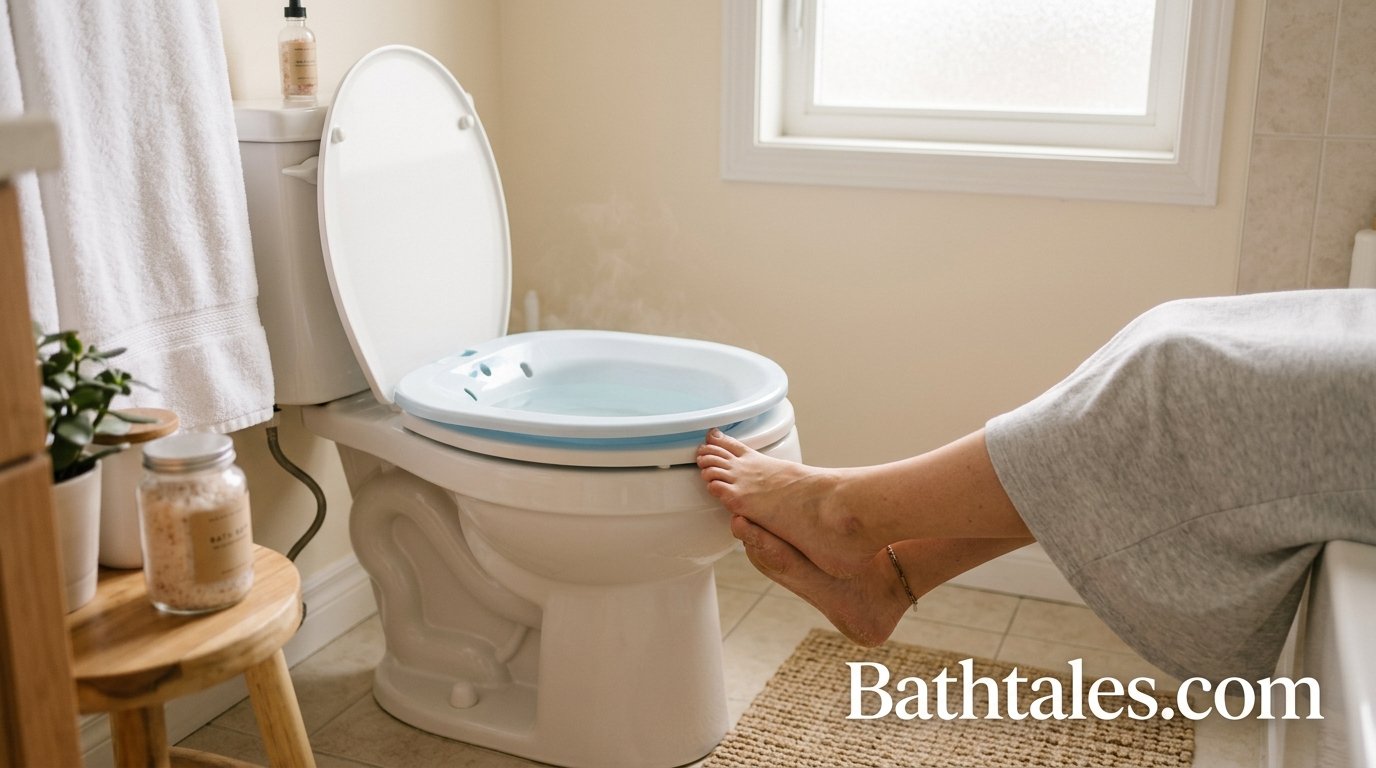
This is the version most people picture, and it’s what hospitals typically send new mothers home with. A shallow plastic basin sits directly on top of the toilet bowl, under the seat, so you can soak while sitting in a natural position without needing to get in and out of a tub. Many kits include a bag with a drip tube so you can irrigate the area with a steady, gentle stream of warm water rather than fully submerging.
The bathtub method
If you don’t have a dedicated basin, running two to four inches of warm water into a clean bathtub and sitting with your knees bent works almost as well, especially for a single occasional use. The tradeoff is that a full bathtub uses far more water and, in a shared bathroom, means fully clearing and cleaning the tub before and after.
Standalone sitz bath tubs
Freestanding, portable sitz tubs — essentially small, low, wide basins designed to be filled and used independently of a toilet — are common in clinics and increasingly available for home use. They tend to be more stable and comfortable for longer soaks than an over-the-toilet basin, at the cost of needing somewhere to store and fill them.
None of these three options is objectively “better” across the board — the right choice depends mostly on how often you’ll need to soak and how much bathroom space and privacy you have. Someone doing three soaks a day for two weeks postpartum will likely appreciate the convenience of an over-the-toilet basin that stays in place, while someone treating an occasional hemorrhoid flare-up once every few months may never need more than a clean bathtub and a few inches of warm water.
| Type | Best For | Setup Effort | Approx. Cost |
|---|---|---|---|
| Over-the-toilet basin | Frequent, short daily soaks (postpartum, hemorrhoids) | Low | $ |
| Bathtub method | Occasional use, no basin on hand | Medium | Free |
| Standalone tub | Longer, more comfortable soaks | Medium | $$ |
5. What to Put in a Sitz Bath
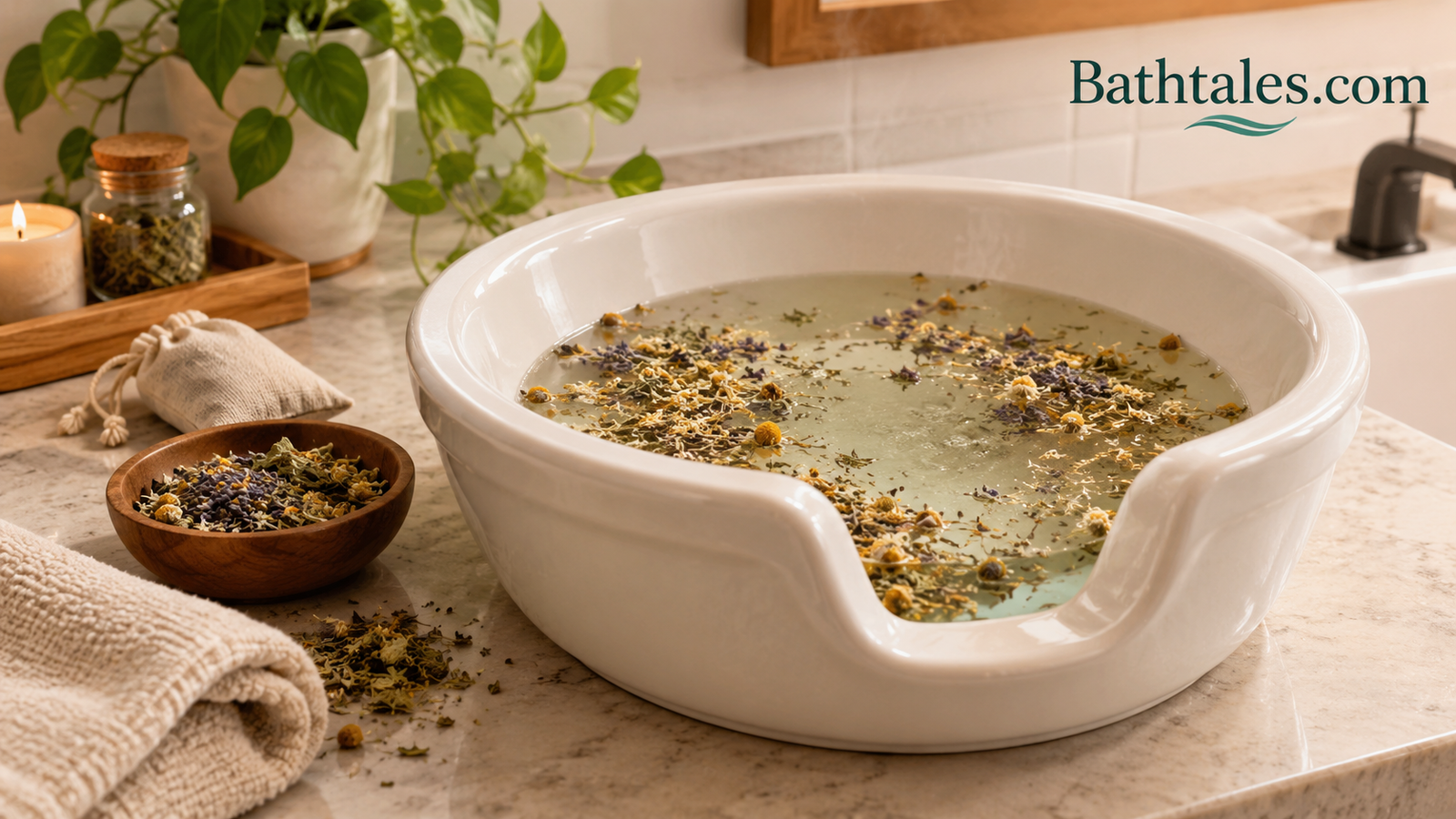
Plain warm water is genuinely enough to get most of the benefit of a sitz bath, but certain additives are widely used to boost comfort or target specific symptoms. Here’s what’s commonly added, and why.
Plain (non-iodized) salt or Epsom salt
The most traditional addition, salt is believed to draw down swelling through a mild osmotic effect and has a long-standing reputation for gentle antisepsis. If you’re weighing which type to use, it helps to know how much bath salt to use for a shallow soak — generally far less than a full bathtub would call for.
Baking soda
A tablespoon or two of baking soda is a popular alternative or addition to salt, especially for itching related to hemorrhoids or healing incisions, since it helps neutralize irritation on sensitive skin.
Witch hazel
A small amount of witch hazel is sometimes added for its mild astringent properties, which many people find soothing for hemorrhoid-related swelling and itching.
Diluted essential oils
Lavender and tea tree are the most commonly mentioned options, always heavily diluted and used sparingly, more for the calming, relaxation-and-sleep side of the routine than for any medical effect on the tissue itself.
What to leave out
Bubble bath, scented soaps, and anything containing dyes or heavy fragrance should stay out of a sitz bath. These are common irritants on already-sensitive skin, and they undercut the entire point of a gentle, cleansing soak. If your interest in additives is more about overall detox-style wellness soaking than targeted healing, that’s a slightly different goal — our guide to detox bath salts covers that use case separately.
A reasonable rule of thumb is that anything you’d hesitate to put directly on a fresh scrape or a healing incision probably doesn’t belong in a sitz bath either, since the tissue you’re treating is functionally in a similar state. When in doubt, plain warm water with a small amount of salt is a safe default that almost never causes irritation, and it’s a perfectly effective starting point before experimenting with anything more elaborate.
6. How to Do a Sitz Bath, Step by Step
This is the part most people actually need help visualizing, so each step below includes a simple illustration alongside the instructions. The steps assume you’re using an over-the-toilet basin, but they translate directly to the bathtub or standalone tub methods as well.
Step 1 — Clean the basin and gather supplies
Wash the basin with warm soapy water and rinse thoroughly before every use, especially if it’s shared. Set out a clean towel, your chosen additive (salt, baking soda, or witch hazel), and a cup or pitcher if your basin doesn’t have a fill spout.
Step 2 — Fill with warm (not hot) water
Test the water on the inside of your wrist first — it should feel warm and comfortable, similar to a baby’s bathwater, never hot enough to sting or redden skin. Fill the basin to about two to three inches, enough to cover the hips when seated.
Step 3 — Add your chosen solution
Stir in your salt, baking soda, or diluted witch hazel until it’s fully dissolved. Adding it after the water is in the basin, rather than before, makes it much easier to get an even mix.
Step 4 — Position yourself and sit
Place the basin under the toilet seat (or use the filled tub) and lower yourself down slowly, letting the water fully surround the perineal area. Keep your knees slightly apart and relax your shoulders — tensing up works against the whole purpose of the soak.
Step 5 — Soak for the recommended time
Stay seated for roughly ten to twenty minutes (more on exact timing in the next section). Breathe normally, let your muscles relax, and top up with a little more warm water partway through if it starts to cool.
Step 6 — Pat dry gently and clean up
Rise slowly, and pat (never rub) the area dry with a clean, soft towel dedicated to this purpose. Empty and rinse the basin right away so it doesn’t sit with standing water, and let it air dry before storing.
7. How Long and How Often to Soak
The most common guidance across postpartum units, colorectal clinics, and general home-remedy use is ten to twenty minutes per soak, done two to three times a day, with an additional soak after each bowel movement if the condition being treated is hemorrhoids, a fissure, or a healing surgical site.
Soaking longer than twenty minutes doesn’t meaningfully speed healing and can actually oversoften and irritate already-sensitive skin, particularly around stitches or an incision. If you’re unsure how long is genuinely appropriate for your specific situation, our deeper breakdown of how long to soak in bath salts covers the general principles that apply here as well.
Frequency should generally taper as healing progresses. Most postpartum and post-surgical recommendations run for the first one to two weeks, then reduce as swelling and tenderness subside. Chronic hemorrhoid sufferers sometimes keep a lighter maintenance routine of one soak a day during flare-ups, dropping it once symptoms resolve.
A useful way to think about tapering is to track how the area feels immediately after a soak rather than sticking rigidly to a fixed schedule. In the early days of healing, most people notice a clear difference in comfort right after soaking, which naturally supports more frequent use. As that difference becomes less noticeable — meaning the tissue feels roughly the same before and after — it’s usually a sign the acute healing phase is winding down and once-daily maintenance, or stopping altogether, is reasonable. There’s no strict cap on how long someone can safely continue sitz baths if they genuinely find them soothing; the guidance above reflects when they tend to be most medically useful, not a hard limit on ongoing use.
8. Sitz Baths After Childbirth
Postpartum sitz baths deserve their own section because they’re by far the most common reason people search for this topic in the first place. Whether delivery involved tearing, an episiotomy, or no visible trauma at all, the perineum takes on significant swelling and pressure during birth, and a sitz bath is one of the simplest, most effective comfort measures available in the first two weeks afterward.
Most hospitals and midwives recommend starting sitz baths within the first day or two after delivery, generally two to three times daily, and always after using the bathroom. Cool water is sometimes preferred over warm in the very first 24 hours to reduce acute swelling, after which warm soaks take over for the remainder of recovery. Because postpartum bodies are also managing hormonal shifts and general fatigue, this is a good moment to also think about bath salts safe for the postpartum period, since not every additive that’s fine for general use is appropriate immediately after delivery.
Watch for signs that need medical attention rather than home care alone: worsening pain instead of gradual improvement, foul-smelling discharge, fever, or increasing redness and swelling around any stitches. A sitz bath is a comfort and healing aid, not a substitute for follow-up care if something looks or feels wrong.
Helpful Postpartum Habits
- Soak 2–3x daily for the first two weeks
- Always soak after using the bathroom
- Pat dry, never rub, healing tissue
- Use a peri bottle alongside soaking for extra comfort
Avoid
- Scented soaps or bubble bath in the water
- Water that feels hot rather than warm
- Vigorous wiping or rubbing after soaking
- Ignoring fever, foul odor, or worsening pain
9. Sitz Baths for Hemorrhoids and Fissures
For hemorrhoids specifically, warm water soaking reduces the swelling in the affected veins and relieves the intense itching and burning that flare-ups cause. Many people find noticeable relief within a few days of consistent sitz baths, especially when combined with dietary fiber increases and adequate hydration to reduce straining, since straining is what triggers most flare-ups in the first place.
For anal fissures, the goal is slightly different: relaxing the internal anal sphincter, which tends to spasm in response to the pain of the tear itself. That spasm restricts blood flow to the area, which slows healing and perpetuates pain — so breaking that cycle through muscle relaxation is arguably the single most important thing a sitz bath does for a fissure. Consistency matters more than intensity here; a shorter daily soak done reliably outperforms an occasional long one.
Neither condition should rely on sitz baths alone if symptoms are severe, persistent beyond a couple of weeks, or accompanied by significant bleeding. Warm soaking is a genuinely effective supportive treatment, but it works alongside, not instead of, medical evaluation when symptoms don’t improve.
It also helps to think of the sitz bath as one part of a broader routine rather than a standalone fix. For hemorrhoids, that usually means pairing soaks with more fiber and water in the diet to soften stool and reduce straining, avoiding long periods of sitting on the toilet, and using a cushion rather than a hard chair surface during flare-ups. For fissures, gentle stool softening and avoiding constipation are just as important as the soak itself, since a single hard bowel movement can undo several days of healing progress. None of this replaces medical guidance for anything that isn’t improving, but it does explain why some people find sitz baths alone underwhelming — the soak is doing its job, but the other contributing habits haven’t changed.
10. Safety Precautions and When to Skip It
Sitz baths are low-risk for most people, but a few precautions are worth knowing before you start a routine.
- Water temperature: Always test with your wrist or elbow first. Water that feels hot to touch can burn already-irritated skin far more easily than it would healthy skin.
- Diabetes or nerve conditions: Reduced sensation can make it harder to judge water temperature accurately, so err on the cooler side of “warm.”
- Open, unhealed surgical wounds: Always follow your surgeon’s specific instructions rather than general guidance, since some procedures call for different timing or additives than others.
- Skin sensitivity: If a particular additive causes stinging, redness, or increased itching, stop and switch to plain warm water — you can revisit additives like those discussed in our guide to bath salts for dry or sensitive skin once things settle.
- Worsening symptoms: Fever, spreading redness, increasing pain, or foul odor are all reasons to contact a healthcare provider rather than continuing home treatment alone.
As a general habit, it helps to check in with yourself briefly after each soak rather than running the routine on autopilot. Noticing that pain is trending down over days, rather than staying flat or increasing, is the clearest sign the routine is working as intended and worth continuing.
11. Choosing a Sitz Bath Basin
If you’re shopping for a basin rather than improvising with a bathtub, a few features make a real difference in day-to-day comfort, especially if you’ll be using it multiple times a day for a couple of weeks.
Look For
- A contoured, padded rim for tender sitting
- A built-in fill bag or drip tube for gentle irrigation
- A drain plug so you don’t have to lift and pour
- Smooth, easy-to-clean plastic with no rough seams
Skip
- Very shallow basins that don’t fully cover the hips
- Hard plastic rims with no cushioning
- Basins that wobble on standard toilet shapes
- No drain or spout, meaning full manual lifting to empty
A basic, reliable basin is inexpensive, and for most people it’s worth having one on hand even before it’s needed, since postpartum recovery and unexpected hemorrhoid flare-ups rarely come with advance notice. Pairing your basin with a broader look at bath products worth keeping stocked is a reasonable way to build out a small home recovery kit.
12. Cleaning and Maintaining Your Basin
Because a sitz bath basin sits directly against sensitive, sometimes healing skin, keeping it genuinely clean between uses matters more than it might for an everyday bathroom item. Rinse it immediately after each use so nothing has a chance to dry onto the surface, then wash with warm soapy water at least once daily during periods of frequent use.
Once a week, a deeper clean with a diluted vinegar or mild disinfectant solution helps prevent any buildup, especially in the fill tube or drip bag if your basin has one — these narrow tubes are the easiest part of the kit to overlook and the most likely to harbor residue. Let every part air dry completely before storing, since trapped moisture in plastic seams is where bacteria and mildew are most likely to develop. If you’re setting up a broader bathroom cleaning rhythm around this routine, our guide to a full bathroom deep clean is a useful companion for keeping the whole space genuinely hygienic during a recovery period.
Replace the basin altogether if you notice cracking, persistent discoloration, or a lingering odor that cleaning doesn’t resolve — at the low price point of most kits, it’s rarely worth trying to rescue a basin that’s past its useful life, particularly when it’s used on healing or sensitive skin.
If more than one person in the household might need to use a sitz bath at different times — for instance, a new parent recovering from delivery and a partner managing an unrelated hemorrhoid flare-up — it’s worth having separate basins rather than sharing one, even with thorough cleaning between uses. Basins are inexpensive enough that labeling and keeping individual kits removes any uncertainty about hygiene, and it avoids the minor but real inconvenience of two people needing the same basin during overlapping recovery windows.
Frequently Asked Questions
What is a sitz bath used for?
A sitz bath is a shallow, warm soak used to relieve pain, swelling, and irritation in the perineal and rectal area. It’s most commonly used for postpartum recovery, hemorrhoids, anal fissures, and healing after anorectal surgery.
Can I take a sitz bath in a regular bathtub?
Yes. Running two to four inches of warm water into a clean tub and sitting with your knees bent achieves a similar effect to a basin, though it uses more water and requires clearing the tub fully before and after.
How long should a sitz bath last?
Most guidance recommends ten to twenty minutes per soak. Longer soaking doesn’t add meaningful benefit and can oversoften sensitive or healing skin.
How many times a day should I do a sitz bath?
Two to three times daily is typical, with an additional soak after each bowel movement if you’re treating hemorrhoids, a fissure, or a healing surgical site.
What should I put in a sitz bath?
Plain warm water is effective on its own. Non-iodized salt, Epsom salt, baking soda, or a small amount of witch hazel are common additions depending on the goal. Avoid bubble bath, scented soap, or heavily fragranced products.
Should the water be warm or cold?
Warm water is standard for most uses. Some postpartum protocols recommend cool water specifically in the first 24 hours after delivery to reduce acute swelling, then switch to warm for the remainder of recovery.
Can I use a sitz bath every day?
Yes, daily use is common and often recommended during active healing periods, such as the first two weeks postpartum or during a hemorrhoid flare-up.
Do sitz baths help with hemorrhoids?
Yes. Warm soaking reduces swelling in hemorrhoidal veins and relieves associated itching and burning, and it’s one of the most consistently recommended home treatments alongside dietary changes.
Is a sitz bath the same as soaking in Epsom salt?
Not exactly. A sitz bath refers to the shallow, localized soaking method itself, while Epsom salt is simply one optional additive some people include in the water.
Can pregnant women use a sitz bath before delivery?
Sitz baths are generally considered safe during pregnancy for general perineal comfort, but it’s always worth confirming with your provider, especially if there are pregnancy-specific complications.
How do I clean a sitz bath basin?
Rinse it immediately after each use, wash with warm soapy water daily during frequent use, and do a deeper clean with a diluted vinegar solution weekly, paying particular attention to any fill tube or drip bag.
When should I stop doing sitz baths and see a doctor instead?
Stop relying on home treatment alone and contact a healthcare provider if you notice fever, worsening rather than improving pain, spreading redness, foul-smelling discharge, or significant bleeding.
The Bottom Line
A sitz bath is a small, low-cost routine that consistently earns its place across very different areas of medicine, from postpartum wards to colorectal clinics, because the basic mechanism — warm, gentle, targeted soaking — genuinely works. A few inches of warm water, ten to twenty minutes, and a little consistency is most of what it takes to get real relief.
Shop Sitz Bath Kits on Amazon