How Much Bath Salt to Use: The Complete Master Guide to Ratios and Dosing
Unlock the exact science behind measuring perfect salt-to-water ratios for muscle relief, skin hydration, and deep therapeutic relaxation.
1. The Ultimate Guide to Bath Salt Dosages: Why Measurement Matters
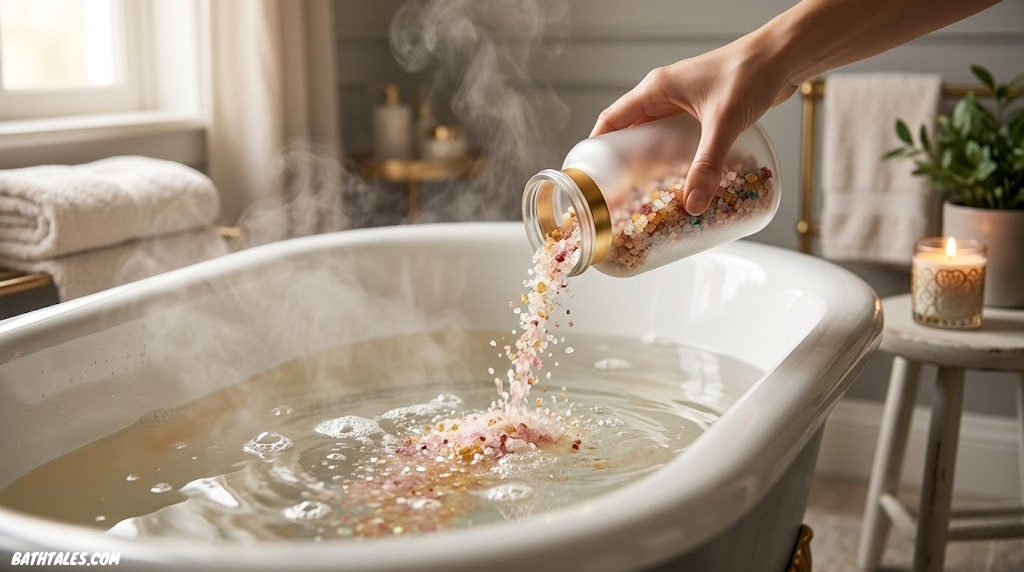
Pouring bath salts into a warm tub seems like the ultimate intuitive ritual. Most people tip the bag over the running water, let a generous white cascade drop into the depths, and consider their job done. However, treating your bath salts with this casual disregard undermines the biochemical potential of your soak. Knowing exactly how much bath salt to use is the dividing line between a basic warm wash and a profound, biologically active therapeutic experience.
When you measure your bath salts accurately, you control the concentration of minerals dissolved in your tub. This concentration regulates osmotic pressure against your skin barrier, determines the rate of transdermal mineral interaction, and ensures you aren’t wasting premium products. Under-dosing leaves you with slightly scented, ineffective water, while over-dosing can leave your skin stripped, intensely dry, or coated in an uncomfortable chalky residue.
To master the art of the soak, you must understand that there is no single “correct” amount. The perfect portion changes based on the specific type of mineral you are introducing, the physical size of your tub, and the distinct physiological goal you intend to achieve. By exploring the detailed breakdowns below, you can discover how to select and tailor the ideal amount for your body’s changing needs.

Pure USP Grade Epsom Salt (10 lbs)
High-purity magnesium sulfate crystals perfect for customized, high-dose therapeutic muscle recovery baths.
Check Price on Amazon2. Epsom Salt vs. Dead Sea Salt vs. Magnesium Flakes: Dosing Differences
Not all bath salts are built from the same chemical framework. To understand how much bath salt to use, you must first distinguish between the three primary options dominating the wellness market: Epsom salt, Dead Sea salt, and Magnesium flakes. Each has a distinct chemical composition, grain density, and solubility level, which dramatically changes their ideal measuring metrics.
Epsom salt is a pure compound of magnesium and sulfate. It is highly crystalline, easily soluble, and behaves predictably in warm water. When examining Dead Sea salt vs epsom salt, the core difference lies in structural complexity. Dead Sea salt contains a diverse matrix of over 20 minerals, including calcium, potassium, bromides, and zinc, with a significantly lower concentration of sodium chloride than standard table salt. This complex profile means it targets skin barrier repair and hydration differently than pure magnesium choices.
Meanwhile, comparing magnesium flakes vs epsom salt introduces a crucial lesson in bioavailability. Magnesium flakes are made from magnesium chloride, which the human body often absorbs more rapidly and comfortably through transdermal processing than the magnesium sulfate found in Epsom salt. Because magnesium chloride flakes are incredibly concentrated and highly hygroscopic (meaning they eagerly attract water from the atmosphere), their required volumetric dosage is lower to produce an equivalent physiological benefit.
| Salt Category | Primary Active Compound | Standard Relaxation Dose | Advanced Therapeutic Dose |
|---|---|---|---|
| Epsom Salt | Magnesium Sulfate | 1 to 2 cups | 3 to 4 cups |
| Dead Sea Salt | Multi-mineral Matrix (Ca, K, Mg, Br) | 0.5 to 1 cup | 2 to 3 cups |
| Magnesium Flakes | Magnesium Chloride | 0.5 to 1 cup | 1.5 to 2 cups |

Pure Magnesium Chloride Flakes
Rapid-absorbing transdermal magnesium flakes collected from ancient mineral beds for rapid systemic absorption.
Shop Magnesium Flakes on Amazon3. Standard Relaxation Soak vs. Therapeutic/Medical Dosing
Defining your core intention for getting into the tub tells you instantly how to map out your quantities. A basic relaxation session is geared toward sensory decompression, light skin softening, and mental grounding after a chaotic day. For these light wellness rituals, choosing an option from the best bath salts for every type of soak and using 1 to 2 cups of crystals in a standard tub is perfect. This light concentration shifts the water’s tactile properties without triggering intensive cellular changes.
Therapeutic or medical dosing, on the other hand, requires an entirely different approach to scale. If you are seeking deep biological interventions, you must increase the mineral concentration significantly to create a truly hypertonic environment. This high mineral density encourages cellular fluid exchanges and targets deep-seated structural issues directly.
Relaxation Dosing Profile
- Volume: 1-2 standard measuring cups
- Goal: Mental calm, mild skin hydration, nervous system down-regulation
- Frequency: 3-5 times a week safely
- Water Feel: Light, soft, lightly aromatic
Therapeutic Dosing Profile
- Volume: 3-4 standard measuring cups
- Goal: Intense muscle restoration, deep tissue detox, skin health management
- Frequency: 1-2 times a week max
- Water Feel: Highly dense, oily/silky glide, intense heat retention
When selecting the best bath salts for relaxation and sleep, lower doses keep your skin comfortable and your breathing steady throughout a leisurely soak. Conversely, when dealing with persistent body soreness, targeting target issues with robust quantities ensures optimal physiological immersion.

Ancient Dead Sea Therapy Mineral Salt
100% authentic multi-mineral crystals harvested straight from the Dead Sea to help manage skin hydration balances.
View Dead Sea Salts on Amazon4. Step-by-Step Guide to Measuring and Dissolving Bath Salts
To maximize the biochemical value of your bath, follow this precise method for measuring, integrating, and melting your bath salts cleanly without wasting raw materials or leaving irritating grit at the bottom of your tub.
Step 1: Determine Your Target Dose and Measure
Assess your physical needs for the day and select your volume using a dedicated, dry kitchen measuring cup. Do not simply guess or hand-scoop the salts directly from the packaging, as this regularly leads to wild inconsistencies in your water chemistry.
Step 2: Initiate Water Stream at Ideal Temperature
Turn on your faucet and adjust the temperature until it sits comfortably between warm and hot. The ideal target window is 92°F to 102°F (33°C to 39°C). Avoid using boiling hot water, as it places excessive stress on your cardiovascular system and breaks down essential compounds too quickly.
Step 3: Pour Salt Directly Under the Running Water
Slowly scatter your measured salts directly underneath the falling stream of water. The localized kinetic energy and pressure of the running water acts as an automatic stirring mechanism, jumping into action to dissolve the tough crystals instantly.
Step 4: Incorporate Essential Oils or Carrier Elements Separately
If you are formulating custom aromatic blends, never drop pure essential oils directly onto raw salt crystals or open water pools. Always mix them into a rich lipid carrier base, like jojoba or sweet almond oil, before introduction to prevent localized skin irritation.
Step 5: Agitate the Tub Water by Hand
Swirl your hand through the deep water using broad, circular sweeps. Check the bottom surfaces of the tub with your fingers to ensure all grainy residue has fully melted away into the liquid before you step inside.
Step 6: Secure Storage Caps to Prevent Clumping
As soon as you finish pouring, tightly seal your storage containers. Because bath salts absorb ambient humidity like a sponge, leaving bags cracked open causes immediate clumping, reducing product freshness over time.

Ergonomic Beechwood Bath Measuring Scoop
Moisture-resistant wooden scoop engineered to hold exactly one cup of dry mineral salts per level draw.
Buy Wooden Scoop on Amazon5. Bath Salt Dosing for Specific Ailments (Muscle Soreness, Cold/Flu, Eczema)
To target specific physical issues effectively, you need to adjust your salt concentration based on what you are trying to treat. A generic sprinkle won’t help you find relief if your body is dealing with real discomfort or inflammation.
For individuals dealing with systemic fatigue, hard training cycles, or body stress, utilizing the best bath salts for muscle soreness means stepping up your dose to 3 full cups of pure Epsom salt. This large quantity provides the ideal mineral concentration to help relax tight muscles and ease tension after intense activity. Athletes looking to support muscle recovery or ease stiffness can optimize their routines with specialized blends from the best bath salts for athletes, which are designed for high-demand physical recovery.
When you’re dealing with respiratory stuffiness or seasonal chills, choosing a formula from the best bath salts for cold and flu works best in moderate doses (1.5 to 2 cups). This amount keeps the water comfortable while allowing clean, soothing steam to help open your airways. For skin concerns like chronic dryness or irritation, using 1 cup of a formula from the best bath salts for eczema provides gentle, non-irritating comfort that protects your skin barrier without causing extra flare-ups.
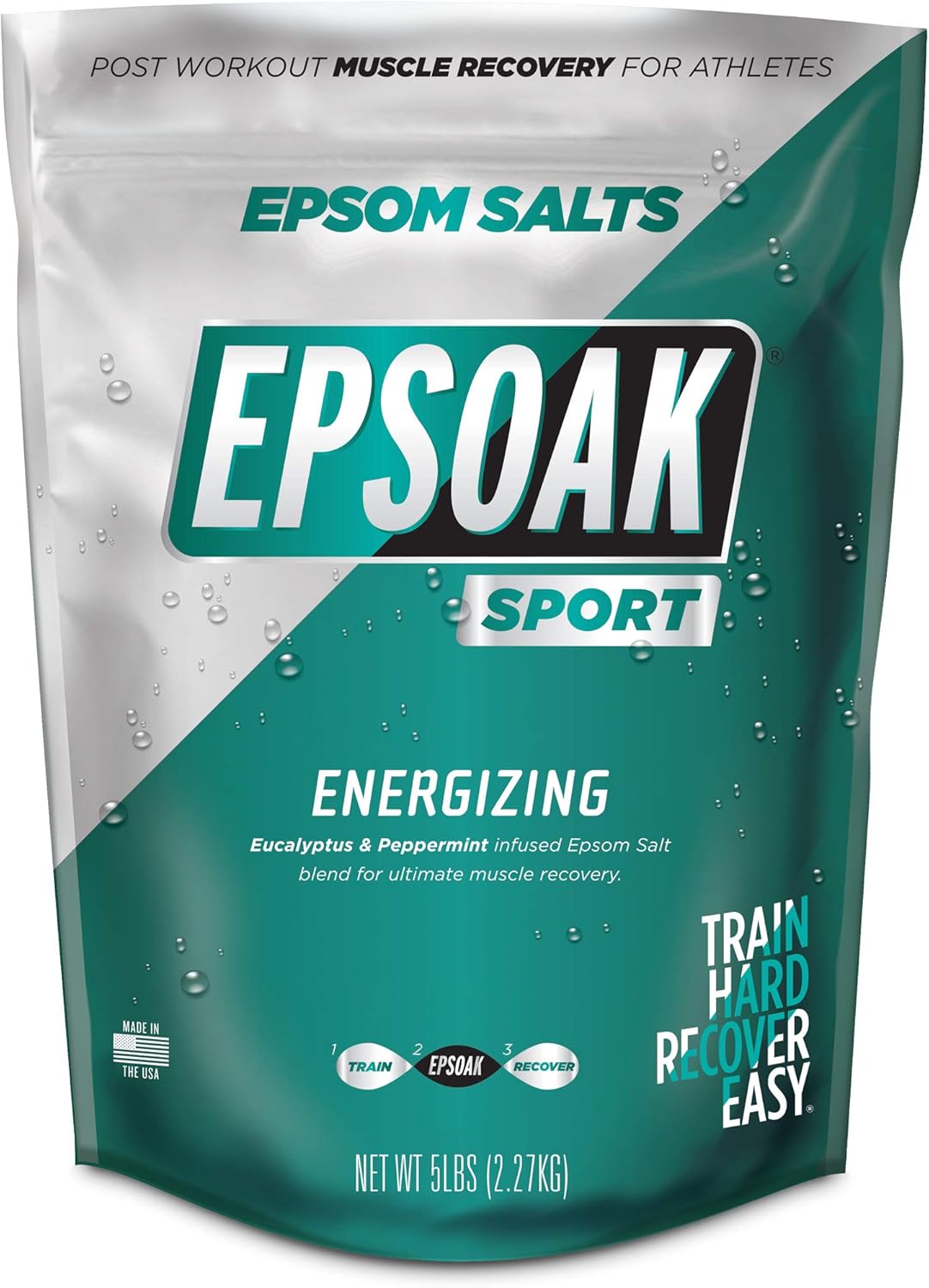
Pro-Grade Athletic Recovery Soaking Salt
Infused with natural menthol and organic essential oils to cool hot, tired muscles and jumpstart recovery.
Order Recovery Salts on Amazon6. Age and Condition Adjustments: Pregnancy, Kids, and Sensitive Skin
Mineral concentrations interact directly with your circulatory system and skin barrier, meaning vulnerable groups need carefully modified dosing routines to enjoy their bath safely.
Pregnant women looking to soothe back tension, reduce leg swelling, and improve sleep should choose options from the best bath salts for pregnancy. Keep your measurements capped at a modest 1 cup per bath, and always keep the water comfortably warm rather than hot to protect your core body temperature. For children or anyone managing highly delicate skin profiles, using a mild formula from the best bath salts for sensitive skin at a gentle dose of 0.5 cup provides excellent skin-softening benefits without over-activating blood flow or causing irritation.
“When prepping mineral baths for children or pregnant individuals, prioritize safety by keeping water temperatures mild and lowering your salt measurements by half.”
If your skin tends to run dry or flakes easily during seasonal transitions, choosing a moisturizing option from the best bath salts for dry skin can help. Sticking to a 1-cup limit keeps the bath deeply hydrating, ensuring the minerals soothe your skin without stripping away its natural, protective oils.

Hypoallergenic Sensitive Skin Soaking Crystals
A fragrance-free, dye-free formulation designed to provide all the mineral benefits of a bath without triggering skin irritation.
Shop Sensitive Salts on Amazon7. Enhancing Your Soak: Adding Essential Oils and Carrier Oils Safely
Pure bath salts excel at delivering mineral benefits, but pairing them with aromatic plant extracts can elevate your bath into a true sensory experience. However, throwing raw essential oils directly into open water is a recipe for skin irritation. Because oil and water don’t mix, those highly concentrated drops will float directly on the surface, clinging straight to your skin as you step into the tub.
To blend your ingredients safely, always look for high-quality products from the best essential oils for bath salts and blend them into a nourishing carrier base first. Mixing 5 to 8 drops of your chosen essential oil into a tablespoon of jojoba, argan, or sweet almond oil coats the molecules perfectly, allowing them to disperse evenly throughout the warm bath water.
If you prefer a simpler routine, choosing pre-blended products from the best organic bath salts offers a wonderful alternative. These curated blends combine clean, raw minerals with plant-derived oils that are pre-measured and ready to enjoy, giving you a luxurious, balanced soak right out of the package.

Organic Therapeutic Lavender Essential Oil
100% steam-distilled, certified organic lavender extract designed to blend seamlessly with mineral bath bases.
View Essential Oils on Amazon8. How Tub Size Affects Your Water-to-Salt Ratio
Standard product labels usually assume you’re using a basic, apartment-sized alcove tub filled with roughly 30 gallons of water. If your bathroom features a deeper soaking tub or a larger freestanding setup, sticking to standard label directions will leave your bath diluted and ineffective.
To get the best results, you need to match your salt measurements to the actual volume of water in your tub. Think of it like cooking: a larger pot of water needs a bit more seasoning to achieve the right balance.
| Tub Configuration | Average Liquid Volume | Standard Salt Target | Therapeutic Salt Target |
|---|---|---|---|
| Standard Alcove Tub | 30 Gallons | 1.5 Cups | 3 Cups |
| Deep Freestanding Oval Soaker | 50 Gallons | 2.5 Cups | 4.5 Cups |
| Corner Multi-Person Garden Tub | 70 Gallons | 3.5 Cups | 6 Cups |
| Whirlpool / Residential Jacuzzi Unit | 80+ Gallons | 4 Cups (Check Jets Info) | 7 Cups |

Bulk Fine-Grain Mineral Salt Container (25 lbs)
An economical, high-volume bulk supply designed for deep soaking tubs and daily bath routines.
Buy Bulk Salts on Amazon9. The Science of Osmosis and Absorption: How Long Should You Soak?
The magic of a mineral bath comes down to a simple scientific process called osmosis. When you add a generous amount of premium crystals to your tub, you create a mineral-dense environment. This prompts your skin barrier to interact with the warm water, helping to ease muscle tension, soften rough skin, and balance hydration levels across your body.
To let these natural processes do their work, timing is everything. Understanding how long to soak in bath salts ensures you find the sweet spot for your body. Plan to stay in the tub for 20 to 30 minutes; staying in much longer can start to dry out your skin or leave you feeling drained.
If you’re using specialized blends like a deep best detox bath salts formula, sticking to this time frame is even more important. A focused 20-minute soak gives the minerals plenty of time to refresh and restore your body, leaving you feeling renewed without overdoing it.

Waterproof Digital Countdown Spa Timer
A sleek, water-resistant digital timer to help monitor your soaking windows perfectly and avoid skin dehydration.
Check Timer on Amazon10. Common Mistakes to Avoid When Using Bath Salts
Even with the best intentions, a few simple missteps can take away from the comfort of your bath. Avoid these common mistakes to keep your soaking routine relaxing and effective:
- Clumpy Pouring: Adding your salts in one large pile can cause them to clump together, making them slow to melt and leaving a gritty texture at the bottom of the tub.
- Overly Hot Water: Scorching water can stress your body and cause you to sweat heavily, which limits how well your skin can absorb the bath’s beneficial minerals.
- Skipping the Post-Bath Rinse: Leaving highly concentrated minerals on your skin after a therapeutic soak can sometimes lead to mild itching or dryness. A quick rinse with fresh water leaves your skin feeling clean and comfortable.
- Pouring Salts with Active Whirlpool Jets: Adding loose, undissolved crystals while your tub’s jets are running can pull grit into the internal pump system, potentially damaging the mechanism over time. Always dissolve your salts completely in the water before turning on any mechanical jets.

Collapsible Soft-Grip Bath Rinser Pitcher
A lightweight, easy-to-use rinsing pitcher perfect for a quick clean-water rinse right before you step out of the tub.
Buy Rinser on Amazon11. Storage, Shelf Life, and Freshness: Do Bath Salts Expire?
Pure minerals like magnesium sulfate and sodium chloride don’t spoil or go bad on their own. However, learning more about do bath salts expire helps you spot when elements like added essential oils, natural colors, or botanical pieces might begin to lose their freshness over time.
When bath salts are exposed to bathroom humidity, they readily absorb moisture from the air, which can cause them to harden into a solid block. To keep your blends fresh and easy to scoop, store them in an airtight jar or container kept in a cool, dry place away from direct steam.

Airtight Borosilicate Glass Storage Jars (Set of 3)
Equipped with secure silicone seals to keep moisture out and preserve your bath salts for long-lasting freshness.
Order Glass Jars on Amazon12. Crafting Your Own Blends: How to Make Custom Bath Salts at Home
Making your own bath salts at home is a wonderful way to tailor your soak to your exact preferences, whether you want to focus on deep relaxation or a refreshing energy boost. Learning how to make bath salts at home lets you choose the perfect balance of mineral crystals and natural botanicals for your needs.
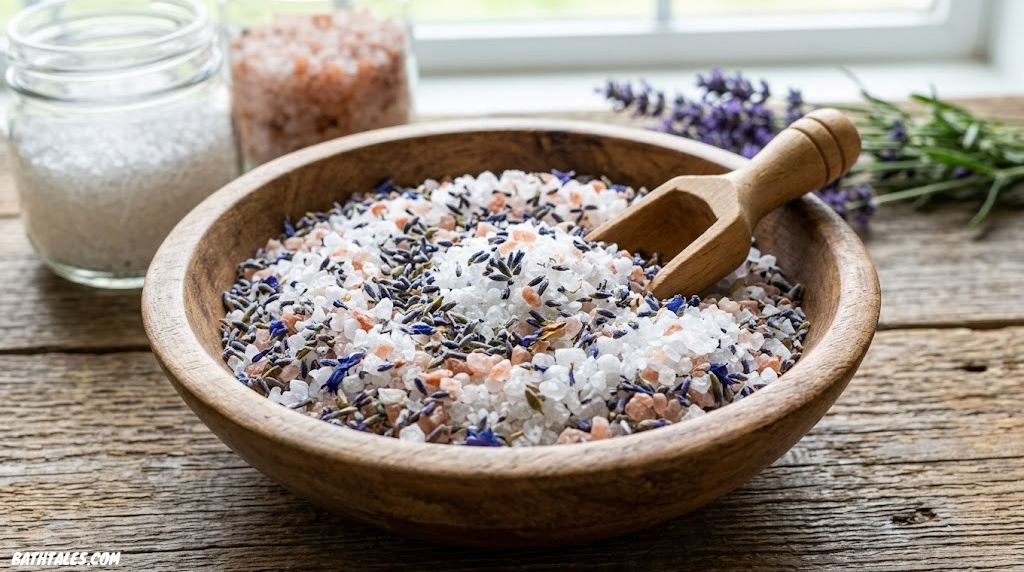
For a beautiful, all-purpose mineral blend, start with a rich foundation of coarse Epsom salt. Toss in a generous scoop of vibrant, mineral-packed pink crystals from the best himalayan pink bath salt selection, then gently stir in a few drops of your favorite skin-safe essential oil blend. This simple combination creates a lovely, personalized bath that looks beautiful on your counter and makes every soak feel like a special occasion.

Artisan DIY Bath Salt Crafting Base Kit
A premium assortment of pure mineral salts and mixing supplies to help you create your own custom bath blends at home.
Shop DIY Kit on Amazon13. Bath Salts and Water Quality: How Hard Water and Soft Water Change Your Dosing
One of the most frequently overlooked variables in the entire bath salt equation is the water itself. Before a single crystal of Epsom salt ever touches your tub, the water flowing from your faucet already carries its own dissolved mineral profile, chemical treatments, and unique molecular personality. Ignoring this baseline chemistry means you are working with an incomplete picture of what is actually happening in your bath, and that can lead to underwhelming results or unexpected skin reactions even when your dosing measurements seem perfectly correct on paper.
Hard Water: The Silent Saboteur of Salt Dissolution
Hard water is defined by elevated concentrations of dissolved calcium and magnesium carbonates, typically originating from limestone and chalk deposits in your local water supply. If you live in a region classified as having moderately hard to very hard water (above 120 parts per million of dissolved calcium carbonate), your faucet water already carries a significant mineral payload before you add anything to the tub. This pre-existing mineral load creates a subtle but measurable competition when you introduce bath salts into the equation.
When Epsom salt (magnesium sulfate) encounters hard water, the dissolved calcium ions can interfere with the complete dissociation of magnesium and sulfate molecules. In practical terms, this means a cup of Epsom salt dissolved in hard water produces a slightly lower concentration of free magnesium ions than the same cup dissolved in soft water. For casual relaxation soaks, this difference is negligible and unlikely to impact your experience in any noticeable way. However, for therapeutic high-dose baths targeting muscle recovery or transdermal magnesium supplementation, you may need to increase your measurement by roughly 10 to 15 percent to compensate for the reduced mineral availability. If you normally use 2 cups for a therapeutic session, bumping to 2.25 or 2.5 cups in hard water conditions can restore the balance you are seeking.
Hard water also has a practical impact on the dissolution process itself. The calcium carbonate in hard water can form a thin, insoluble film on the surface of salt crystals as they dissolve, slightly slowing the melting process. This means you may need to stir or agitate the water more vigorously and for a longer period to achieve a fully clear, grit-free bath. Taking an extra minute or two to swirl the water with your hand ensures that every crystal has fully melted before you step in.
Soft Water: Faster Dissolution, Stronger Concentration
If your home is equipped with a water softening system or you live in a naturally soft water region (below 60 parts per million), your bath water behaves very differently. Soft water contains minimal dissolved minerals, which means it acts as a nearly blank canvas for whatever you introduce to it. Bath salts dissolve rapidly and completely in soft water, with virtually no mineral competition to slow the process or dilute the available active compounds.
This heightened efficiency means that soft water users should exercise a degree of caution with their dosing. The same cup of Epsom salt that delivers a moderate effect in hard water will produce a noticeably stronger concentration in soft water. If you have recently moved from a hard water area to a soft water area, or if you have just installed a water softener, consider reducing your initial measurements by about 10 percent and gradually increasing them until you find your new sweet spot. Starting at 0.9 cups instead of a full cup gives you a safe baseline to experiment from without risking the dry, tight skin that can accompany an overly concentrated bath.
Municipal Water Treatment: Chlorine and Chemical Interactions
Most municipal water supplies are treated with chlorine or chloramine to eliminate bacterial contaminants. While these chemicals are present at levels considered safe for drinking, they do interact with bath salts in subtle ways. Chlorine is a volatile compound that begins to off-gas when exposed to warm, agitated water. When you run a hot bath and pour salts into the stream, the mechanical agitation actually accelerates the release of chlorine gas from the water surface. This is beneficial, as it means the chlorine concentration in your bath water decreases significantly within the first few minutes of filling.
However, if you are particularly sensitive to chlorine or if your local water supply uses chloramine (a more stable chlorine-ammonia compound that does not off-gas as readily), you may want to consider installing a simple shower-head or bath-spout filter rated for chlorine and chloramine removal. These affordable attachments strip the majority of chemical treatments from your water before it enters the tub, creating a cleaner baseline for your mineral bath. The result is a more predictable interaction between the salts and your skin, with fewer variables competing for your body’s attention.
Well Water Considerations
Households relying on private well water face a completely different set of considerations. Well water is unchlorinated, which eliminates the chemical interaction problem entirely, but it often carries elevated levels of iron, sulfur, manganese, or other trace minerals depending on the local geology. High iron content, for example, can react with certain bath salt additives and cause an unpleasant rusty discoloration in your water. If your well water has a metallic smell or leaves orange-brown stains on your fixtures, consider having it tested by a local laboratory before using it as a bath base. A simple iron filter or sediment pre-filter attached to your main water line can resolve most well water quality issues at a modest cost.
Sulfur-rich well water, sometimes called “rotten egg water” due to its hydrogen sulfide content, deserves particular attention. Ironically, the sulfate component of sulfur-rich water is chemically similar to the sulfate in Epsom salt (magnesium sulfate). While this does not create a harmful reaction, it does mean your water is already carrying a sulfate load that may slightly alter the osmotic balance of your bath. In most cases, you can simply use your standard dose and enjoy the soak, but if you notice any unusual skin tightness or dryness, reducing your salt quantity by a small margin is a sensible adjustment.
Optimizing Your Water for the Best Bath Salt Experience
Regardless of your water source, a few universal practices can improve the quality of every mineral bath. Running the tap for 30 seconds before plugging the tub flushes out any stagnant water sitting in your pipes, which may have picked up trace metals or sediment. Allowing the water to reach your target temperature before adding salts ensures the crystals dissolve in the warmest possible water, maximizing their solubility. And if you are unsure about your water’s mineral content, most local water utility companies publish annual water quality reports that break down the exact concentrations of calcium, magnesium, chlorine, and other key parameters. Reviewing this report gives you the data you need to fine-tune your bath salt dosing with scientific precision.
“Your tap water is not a neutral blank slate — it carries its own mineral profile that directly influences how bath salts dissolve and interact with your skin. Understanding your water quality is the hidden key to perfect dosing every time.”
14. Bath Salt vs. Bath Bomb: Which Delivers Better Results and How Dosing Differs
The modern bath product market offers two dominant formats for transforming your tub water: traditional bath salts and the increasingly popular bath bomb. While both products promise relaxation, skin benefits, and an elevated bathing experience, they operate on fundamentally different chemical principles, deliver their active ingredients through different mechanisms, and require completely different approaches to dosing. Understanding these differences helps you choose the right product for your specific goals and avoid the common mistake of treating them as interchangeable.
For a comprehensive side-by-side breakdown of ingredients, effects, and value, our detailed comparison of bath bomb vs bath salt covers every angle. Here, we focus specifically on how dosing philosophy differs between the two formats and what that means for your wallet, your skin, and your overall soak quality.
The Chemistry of Bath Bombs: Pre-Formulated and Fixed
A bath bomb is essentially a compressed puck of baking soda (sodium bicarbonate) and citric acid, held together with binders and loaded with fragrance oils, colorants, and occasionally small amounts of skin-conditioning agents like cocoa butter or kaolin clay. When a bath bomb contacts water, the acid-base reaction between the baking soda and citric acid produces carbon dioxide gas — the fizzy, bubbling spectacle that makes bath bombs so visually appealing. This reaction is fast, dramatic, and entirely self-contained within the bomb’s structure.
The critical limitation of a bath bomb from a dosing perspective is its fixed formulation. Each bomb is manufactured with a specific, unchangeable amount of every ingredient. You cannot increase the mineral concentration of a bath bomb any more than you can adjust the seasoning of a sealed, pre-packaged meal. If you need a stronger mineral dose for therapeutic purposes, you would need to drop multiple bombs into the tub, which quickly becomes prohibitively expensive at $6 to $15 per unit.
The Flexibility of Bath Salts: Fully Customizable Concentration
Bath salts, by contrast, give you complete control over every variable. You decide exactly how much to use, which mineral type to select, and whether to add essential oils, carrier bases, or complementary ingredients. This granular control is what makes bath salts the superior choice for anyone with specific therapeutic goals. Whether you need a light 1-cup relaxation soak or an intensive 4-cup muscle recovery session, bath salts let you dial the exact concentration with the precision of a laboratory scale. No bath bomb can offer that range.
Choose Bath Salts When You Want
- Full control over mineral concentration and dosing
- Targeted therapeutic outcomes (muscle relief, skin health, detox)
- Lower cost per soak ($0.50 to $3.00 per bath)
- Customizable aromatherapy blends
- Higher mineral content per bath
Choose Bath Bombs When You Want
- A visually entertaining, colorful, fizzy experience
- A convenient, single-use, no-measuring-required option
- A gift-worthy, luxurious presentation
- Light skin conditioning with shea butter or similar additives
- An occasional treat rather than a regular routine
Can You Use Bath Salts and Bath Bombs Together?
Absolutely, and many seasoned bath enthusiasts swear by the combination. The strategy is to add your measured bath salts first, allowing them to dissolve fully under the running water to establish your mineral base concentration. Once the salts are completely melted and the water is clear, drop in your bath bomb for the visual and aromatic experience. This layered approach gives you the therapeutic mineral benefits of salts combined with the sensory delight of a fizzing, color-changing bomb. Just be mindful that the citric acid in the bath bomb slightly lowers the pH of the water, which can marginally affect how your skin interacts with the dissolved minerals. For most people, this shift is imperceptible, but those with extremely sensitive skin may prefer to use one product at a time to isolate any potential reactions.
Cost Comparison: Salts Win on Value
From a pure economics standpoint, bath salts offer dramatically better value per soak. A 10-pound bag of quality Epsom salt costs between $10 and $20 and provides roughly 20 to 40 baths depending on your dosing level. That works out to approximately $0.50 to $1.00 per soak. A single bath bomb, by contrast, costs $6 to $15 and is used once. If you bathe three times per week, bath bombs would cost you $18 to $45 weekly, while bath salts would cost $1.50 to $3.00 weekly. Over the course of a year, the savings from choosing salts over bombs can easily exceed $800, making salts the practical choice for anyone building a regular bathing routine rather than an occasional indulgence.
15. Foot Soaks, Sitz Baths, and Partial-Body Salt Soaks: Adjusting Ratios for Smaller Vessels
Not every mineral soak requires a full bathtub. Some of the most effective therapeutic applications of bath salts happen in much smaller vessels — from a humble basin of warm water for tired feet to a specialized sitz bath designed for targeted lower-body relief. Because these smaller containers hold significantly less water than a standard tub, the dosing math changes dramatically. Applying full-tub measurements to a foot soak or sitz bath would create an uncomfortably dense mineral solution that could irritate sensitive skin rather than soothe it.
Understanding how to scale your salt measurements down to match the volume of your vessel ensures that you get all the therapeutic benefits without any of the discomfort. For readers comparing different bathing formats for targeted relief, our guide to sitz bath vs regular bath provides additional context on when each approach is most beneficial.
Foot Soak Dosing: Small Volume, Big Relief
A standard foot soaking basin or bucket typically holds between 2 and 5 gallons of water. This is roughly one-sixth to one-seventh the volume of a standard 30-gallon bathtub. Applying the same proportional reduction to your salt measurements means your foot soak should contain approximately 2 to 4 tablespoons of Epsom salt for a standard relaxation dose, or up to half a cup for a more concentrated therapeutic session targeting sore arches, cracked heels, or post-exercise foot fatigue.
The temperature of your foot soak water deserves special attention as well. Because your feet have a dense network of blood vessels close to the skin surface and are less thermally sensitive than your torso, foot soaks can comfortably tolerate slightly warmer water than full-body baths. A target range of 97°F to 104°F (36°C to 40°C) is ideal for foot soaking, as the warmth opens pores and accelerates mineral absorption through the thick plantar skin of your soles.
For an enhanced foot soak experience, consider adding a tablespoon of coconut oil or olive oil to the warm salt water. The oil creates a silky, moisturizing film that softens calluses and rough patches while the dissolved minerals work on deeper tissue tension. Soaking for 15 to 20 minutes is sufficient for most foot soak goals, after which you can gently exfoliate with a pumice stone while the skin is still soft and pliable.
Sitz Bath Salt Dosing: Precision for Sensitive Areas
A sitz bath is a shallow basin designed to submerge only the pelvic and hip region, typically used for postpartum recovery, hemorrhoid relief, or perineal healing after medical procedures. The water volume in a sitz bath is quite small — usually between 2 and 4 quarts (roughly 0.5 to 1 gallon). This tiny volume means that even a small amount of salt creates a proportionally high concentration.
For sitz bath use, start with just 2 to 3 tablespoons of Epsom salt dissolved completely in the warm water before sitting down. The goal is to create a mildly mineral-rich soak that gently cleanses and soothes without stinging or irritating delicate, healing tissue. Always ensure the water temperature is warm but never hot — a comfortable 92°F to 98°F (33°C to 37°C) is perfect for this sensitive application.
Dead Sea salt is another excellent option for sitz baths, particularly for individuals dealing with skin irritation or inflammation in the pelvic region. The multi-mineral profile of Dead Sea salt, especially its bromide and zinc content, provides anti-inflammatory benefits that pure Epsom salt does not. Use 1 to 2 tablespoons of finely ground Dead Sea salt for a sitz bath, and soak for 10 to 15 minutes per session.
Scaling Guide: Salt-to-Water Ratios for Any Vessel
| Vessel Type | Water Volume | Relaxation Dose | Therapeutic Dose |
|---|---|---|---|
| Foot Basin / Bucket | 2-5 Gallons | 2-4 Tablespoons | Up to ½ Cup |
| Sitz Bath Basin | 0.5-1 Gallon | 2-3 Tablespoons | ¼ Cup |
| Hand/Wrist Soak Bowl | 1-2 Quarts | 1-2 Tablespoons | 2-3 Tablespoons |
| Pediatric Mini Tub | 5-10 Gallons | ¼ to ½ Cup | ¾ to 1 Cup |
Hand and Wrist Soaks for Repetitive Strain
For individuals who spend long hours typing, crafting, or performing manual labor, a targeted hand and wrist soak can provide surprising relief. Fill a deep bowl with 1 to 2 quarts of warm water and dissolve 1 to 2 tablespoons of Epsom salt. Submerge your hands and wrists for 10 to 15 minutes, gently flexing and extending your fingers underwater to encourage blood flow through the small joints and tendons. The magnesium in the solution helps relax the tiny muscles of the hand and forearm, while the warm water increases circulation to areas that are chronically stressed by repetitive motion. This miniature soak is easy to do at your desk during a break and requires only a fraction of the product you would use in a full bath.
16. Can You Use Bath Salts in the Shower? Bath vs. Shower Methods Compared
Not everyone has access to a bathtub. Apartment dwellers, travelers, and individuals with mobility challenges often rely exclusively on showers for their hygiene routine. The good news is that bath salts are not exclusively limited to tub soaking — there are several creative methods to bring their mineral benefits into your shower experience, though the delivery mechanism and expected results differ considerably from a full immersion bath.
For a comprehensive exploration of when each bathing format excels, our detailed bath vs shower comparison examines hygiene, relaxation, skin health, and water conservation. Here, we focus specifically on how to extract meaningful bath salt benefits within the shower environment.
Method 1: Bath Salt Body Scrub
The most effective shower application of bath salts is as a physical exfoliant. Scoop a small handful of coarse-grain Epsom salt or Dead Sea salt (approximately 2 to 3 tablespoons) into your palm and mix it with a drizzle of coconut oil, olive oil, or your favorite body wash. The oil or soap acts as a lubricant that prevents the salt crystals from scratching your skin while still allowing their rough texture to mechanically lift dead skin cells from the surface.
Apply the scrub to damp skin using gentle, circular motions, working from your feet upward toward your heart. This directional movement supports natural lymphatic drainage while the salt exfoliates. Focus on rough areas like elbows, knees, heels, and the backs of your arms where dead skin tends to accumulate. Rinse thoroughly with warm water and follow with a moisturizer while your skin is still slightly damp to lock in the fresh hydration.
This scrub method delivers the exfoliating and topical mineral benefits of bath salts but does not provide the deep transdermal absorption that comes from prolonged immersion in a mineral-rich solution. Think of it as a surface-level treatment that refreshes and smooths your skin rather than a systemic therapeutic intervention.
Method 2: Dissolved Salt Rinse
For a more immersive mineral experience without a bathtub, dissolve half a cup of Epsom salt in a large bowl or pitcher of very warm water. Once fully dissolved, slowly pour the mineral-rich solution over your body at the end of your shower, allowing it to cascade over your shoulders, back, and limbs. Stand in the stream for a minute or two to let the minerals make contact with your skin before the water washes them away.
This method provides a brief but meaningful window of mineral contact. While it cannot replicate the 20 to 30 minutes of continuous immersion that a full bath offers, it does deposit a thin layer of dissolved minerals on your skin surface that continues to interact with your skin barrier even after you step out of the shower. Following immediately with a magnesium-rich body lotion or oil amplifies this residual effect.
Method 3: Steam Inhalation with Aromatic Salts
If your primary goal is respiratory relief or aromatic relaxation rather than skin benefits, place a small dish containing 2 tablespoons of aromatic bath salts (lavender, eucalyptus, or peppermint blends work beautifully) on the floor of your shower, positioned where the hot water spray can strike the dish indirectly. As the steam fills your shower enclosure, the heat and moisture activate the essential oils embedded in the salt crystals, releasing them into the warm vapor you breathe. This creates a spa-like steam room effect that opens your airways and calms your mind without requiring any direct skin contact with the salt solution.
Limitations of Shower Salt Use
It is important to set realistic expectations for shower-based salt applications. The fundamental limitation is contact time. A full bath submerges your entire body in mineral-rich water for 20 to 30 minutes, providing sustained osmotic pressure and prolonged mineral exposure. A shower rinse, even a generous one, delivers only 1 to 3 minutes of mineral contact before the water carries everything down the drain. This means the therapeutic depth of a shower salt experience is inherently shallower than a bath. For casual skin refreshing and exfoliation, shower methods work wonderfully. For deep muscle recovery, transdermal magnesium supplementation, or intensive skin therapy, a full soaking bath remains the superior delivery mechanism.
17. Bath Salts for Mental Health: Using Mineral Soaks for Stress, Anxiety, and Emotional Balance
While most bath salt discussions center on physical benefits — muscle relief, skin hydration, pain management — there is a growing body of evidence and a long tradition of anecdotal support for the mental health benefits of mineral bathing. The combination of warm water immersion, magnesium absorption, aromatic therapy, and deliberate ritual creates a multi-sensory intervention that addresses stress, anxiety, and emotional imbalance from several angles simultaneously.
The Neurochemistry of Warm Water Immersion
When you submerge your body in warm water, several neurological processes activate in rapid succession. First, the hydrostatic pressure of the water against your skin stimulates your vagus nerve, the primary pathway of your parasympathetic nervous system — the “rest and digest” branch that counteracts the “fight or flight” stress response. This vagal stimulation triggers a measurable reduction in heart rate, lowers blood pressure, and decreases circulating cortisol levels, all within the first 10 minutes of soaking.
Second, the warmth of the water raises your core body temperature by a fraction of a degree. This slight elevation in core temperature mimics the natural thermoregulatory pattern that occurs in the hour before sleep, signaling to your brain that it is time to wind down. When you exit the bath and your body begins to cool, the subsequent temperature drop further reinforces this sleep-preparation signal, making a warm mineral bath one of the most effective natural sleep aids available.
Magnesium’s Role in Stress and Anxiety Management
Magnesium is sometimes called “nature’s tranquilizer” because of its critical role in regulating neurotransmitters that govern mood and stress response. Specifically, magnesium binds to and activates GABA (gamma-aminobutyric acid) receptors in the brain — the same receptors targeted by anti-anxiety medications like benzodiazepines, though through a gentler, non-pharmaceutical mechanism. GABA is the brain’s primary inhibitory neurotransmitter, meaning it reduces neural excitability and promotes a sense of calm.
Modern diets frequently fall short of optimal magnesium intake. Studies suggest that a significant percentage of adults in developed countries consume below the recommended daily amount of magnesium, creating a chronic, low-grade deficiency that may contribute to heightened anxiety, irritability, and poor sleep quality. Regular mineral baths with Epsom salt or magnesium flakes provide a supplemental route of magnesium delivery through transdermal absorption, helping to restore depleted levels over time.
For mental health applications, a moderate dose of 2 cups of Epsom salt or 1 cup of magnesium flakes in a standard tub is ideal. This concentration provides a meaningful magnesium presence without the intensity of a full therapeutic dose. Soaking for 20 to 25 minutes in water between 97°F and 100°F (36°C to 38°C) — slightly cooler than a muscle recovery bath — keeps your nervous system relaxed rather than stimulated.
Building a Mindful Bath Practice
The mental health benefits of bath salts extend beyond chemistry into the realm of mindfulness and intentional self-care. The act of measuring your salts, drawing your bath, and committing to 20 minutes of uninterrupted stillness is itself a powerful counterweight to the constant stimulation and decision fatigue of modern life. To maximize this psychological dimension, consider these practices:
- Phone-free zone: Leave your phone outside the bathroom entirely. The absence of notifications, news feeds, and incoming messages creates a rare pocket of genuine mental silence.
- Conscious breathing: While soaking, practice slow diaphragmatic breathing — inhale for 4 counts, hold for 4 counts, exhale for 6 counts. This breathing pattern directly activates the parasympathetic nervous system and compounds the vagal stimulation already occurring from the warm water.
- Body scan meditation: Starting from the crown of your head, slowly direct your attention downward through each body part, consciously releasing tension in your jaw, shoulders, lower back, and legs. The warm water makes this release significantly easier, as muscles are already partially relaxed from the heat.
- Aromatic anchoring: Choose a specific essential oil scent (lavender is the most studied for anxiety reduction) and use it consistently in your evening baths. Over time, your brain will form an associative link between that scent and the state of relaxation you experience, creating a Pavlovian calming trigger you can access even outside the bath.
When Bath Salts Are Not Enough
While mineral baths are a genuinely valuable tool for managing everyday stress and supporting emotional wellness, they are not a substitute for professional mental health care. If you are experiencing persistent anxiety, clinical depression, panic attacks, or any mental health condition that significantly impacts your daily functioning, please consult a qualified mental health professional. Think of bath salts as one supportive element within a broader self-care strategy that may include therapy, medication, exercise, social connection, and other evidence-based interventions.
18. Seasonal Bath Salt Adjustments: Summer Cooling Soaks vs. Winter Warming Rituals
Your body’s needs shift with the seasons, and your bath salt routine should shift accordingly. The same dosing strategy that provides deep comfort during a cold January evening may feel oppressive and overheated during a sweltering July night. By adjusting your water temperature, salt quantity, essential oil selections, and soak duration to match the ambient climate, you ensure that every bath delivers maximum comfort and benefit year-round.
For readers exploring alternative bathing technologies that adapt to seasonal needs, the comparison of infrared bath vs regular bath offers valuable insights into how different heat delivery systems affect your soaking experience across temperature ranges.
Winter: Deep Warming and Immune Support
Cold weather places unique demands on your body. Peripheral blood vessels constrict to conserve core heat, muscle tissue becomes stiffer and more injury-prone, and the immune system faces increased pressure from indoor crowding and seasonal pathogens. Your winter bath routine should address all three of these challenges simultaneously.
Raise your water temperature to the upper end of the safe range: 100°F to 102°F (38°C to 39°C). This warmth penetrates deeply into stiff muscles and promotes vasodilation throughout your extremities, improving circulation to cold hands and feet. Increase your salt dosage by 25 percent above your standard measurement — if you normally use 2 cups of Epsom salt, move to 2.5 cups for winter soaks. The higher mineral concentration compensates for the tendency of warm water to strip more natural oils from your skin during the dry winter months.
Select warming essential oils like ginger, black pepper, cinnamon bark (used sparingly — just 2 to 3 drops, as it is a “hot” oil), rosemary, or sweet orange. These oils promote circulation and create an olfactory sense of warmth and comfort that enhances the physical experience. A winter bath of 25 to 30 minutes allows the heat to fully penetrate your core body temperature, creating a lasting warming effect that continues for 30 to 60 minutes after you exit the tub.
Summer: Cooling, Light, and Refreshing
Summer bathing serves a fundamentally different purpose. Rather than seeking deep warmth, you are looking to cool down, refresh fatigued skin exposed to sun and sweat, and provide light mineral replenishment without raising your body temperature. Your summer bath water should be noticeably cooler: 85°F to 95°F (29°C to 35°C). This lukewarm temperature still supports salt dissolution and mineral absorption but does not add external heat to an already warm body.
Reduce your salt dose to the lower end of the relaxation range — 1 cup in a standard tub is typically sufficient for summer use. The lighter concentration prevents any sensation of heaviness or skin overload in a season when your pores are already more open and your skin is more absorptive due to heat and humidity.
Cooling essential oils transform a summer bath into a genuinely refreshing experience. Peppermint is the premier choice — its menthol component activates cold-sensitive receptors in your skin, creating a genuine sensation of cooling even in lukewarm water. Eucalyptus provides a similar effect with the added benefit of opening airways, which can feel particularly welcome if summer allergens are causing congestion. Add 5 to 6 drops of peppermint or eucalyptus oil blended into a tablespoon of carrier oil for a perfectly balanced summer soak.
Spring and Fall: Transition Periods
The shoulder seasons are ideal for detox-focused bathing and immune preparation. Spring baths can emphasize cleansing and renewal with moderate temperatures (95°F to 98°F) and stimulating oils like lemon, grapefruit, and tea tree. Fall baths bridge the gap between summer lightness and winter intensity, gradually increasing temperature and salt concentration as the ambient air grows cooler. These transitional periods are also the best times to experiment with new products and blends, as your skin is in its most balanced and receptive state.
19. Bath Salt Safety and Contraindications: Who Should Avoid or Modify Their Soak
Bath salts are generally safe for the vast majority of healthy adults when used at recommended dosages. However, like any wellness intervention that introduces foreign substances to your body through a highly permeable delivery surface (your skin), there are specific medical conditions, medications, and physical circumstances that require caution, modification, or outright avoidance of mineral baths. Knowing these boundaries is essential for responsible, safe enjoyment.
Cardiovascular Conditions
Hot water immersion causes significant cardiovascular changes. Your heart rate increases by 10 to 20 beats per minute, blood vessels dilate throughout your body, and blood pressure can fluctuate as your circulatory system adjusts to the hydrostatic pressure of the water. For individuals with diagnosed heart conditions, uncontrolled hypertension, or a history of stroke, these changes can pose real risks. If you have any cardiovascular condition, consult your physician before beginning a regular bath salt routine. Your doctor may recommend lower water temperatures (below 98°F), shorter soak times (10 to 15 minutes maximum), and reduced salt concentrations to minimize the cardiovascular load.
Diabetes and Peripheral Neuropathy
Diabetic neuropathy — nerve damage in the extremities caused by chronically elevated blood sugar — reduces or eliminates temperature sensation in the feet and lower legs. This creates a dangerous scenario where bath water that feels comfortable to your hand could be scalding the skin of your feet without your awareness. If you have diabetes, particularly with diagnosed neuropathy, always test water temperature with a thermometer rather than your extremities, keep temperatures below 100°F (38°C), and limit soak times to 15 minutes or less. Inspect your skin carefully after each bath for any signs of redness, blistering, or irritation that you may not have felt during the soak.
Kidney Disease
Your kidneys are responsible for filtering and excreting excess minerals from your bloodstream. When kidney function is compromised, the minerals absorbed through your skin during a bath salt soak can accumulate to problematic levels more quickly than in a person with healthy kidneys. Individuals with chronic kidney disease, those on dialysis, or anyone with a history of kidney stones should consult their nephrologist before using bath salts, particularly at therapeutic concentrations. Your medical team may recommend using only relaxation-level doses (1 cup or less) or may advise against mineral bathing entirely depending on the severity of your condition.
Open Wounds, Surgical Incisions, and Skin Infections
Introducing dissolved mineral salts into open wounds, recent surgical incisions, active skin infections, or areas affected by severe dermatological conditions (like psoriasis flares with cracked, bleeding skin) can cause significant stinging, pain, and potential tissue irritation. While Epsom salt soaks are sometimes recommended in wound care protocols, those recommendations involve specific concentrations and sterile preparation that are very different from a recreational bath. If you have any open skin lesions, wait until they have fully closed and healed before resuming your bath salt routine.
Allergic Reactions and Skin Sensitivities
True mineral allergies are exceedingly rare, but allergic or sensitivity reactions to bath salt additives — fragrances, dyes, botanical particles, essential oils — are considerably more common. If you are trying a new bath salt product for the first time, perform a simple patch test: dissolve a small pinch of the salt in a tablespoon of warm water and apply the solution to a small area of your inner forearm. Wait 24 hours and check for any redness, itching, swelling, or irritation before using the product in a full bath.
Medication Interactions
Certain medications can alter how your body responds to mineral baths. Blood pressure medications, diuretics, and vasodilators can amplify the blood pressure-lowering effects of warm water immersion, potentially causing dizziness or fainting when you stand up after soaking. Topical medications applied to your skin before a bath may be washed off or their absorption rates altered by the mineral-rich water. If you take any prescription medications, a brief conversation with your pharmacist or physician can identify any potential interactions and help you adjust your bathing routine accordingly.
Signs You Have Used Too Much Bath Salt
Your body will communicate clearly if your bath salt concentration is too high. Watch for these signals during and after your soak:
- Skin that feels unusually tight, dry, or “squeaky” immediately after the bath
- A chalky white residue or film left on your skin after drying off
- Mild itching or prickling sensations that persist for more than 30 minutes after bathing
- Redness or flushing that does not fade within an hour of exiting the tub
- Feeling lightheaded, dizzy, or unusually fatigued during or immediately after the bath
If you experience any of these symptoms, reduce your salt concentration by 25 to 50 percent on your next bath and ensure you rinse your skin with fresh water after soaking. Persistent symptoms that do not resolve with these adjustments warrant a conversation with your healthcare provider.
20. Building the Complete Bath Ritual: From Preparation to Aftercare
A bath salt soak does not begin when you step into the tub, and it does not end when you pull the drain plug. The most restorative bathing experiences follow a deliberate arc — a sequence of preparation, immersion, and aftercare that transforms a simple wash into a full-body wellness ritual. By approaching your mineral bath with the same intentionality you would bring to a yoga session or meditation practice, you amplify every benefit — physical, mental, and emotional — that the salts provide.
For a comprehensive guide to designing your ideal bathing routine from start to finish, explore our detailed resource on the best bath routine, which covers everything from pre-bath skincare to post-soak hydration. Below, we break down each phase of the ritual with specific attention to how bath salts integrate into the broader experience.
Phase 1: Pre-Bath Preparation (10 to 15 Minutes Before)
Before you even enter the bathroom, spend a few minutes setting the stage. Gather everything you will need — your measured bath salts, any essential oils or carrier bases, a glass of water or herbal tea for hydration during the soak, a bath pillow or rolled towel for neck support, and a fresh towel and robe laid out for when you exit. This small act of preparation prevents the disruption of having to climb out of a warm tub to retrieve something you forgot.
Adjust the lighting in your bathroom to support relaxation. Overhead fluorescent lighting activates alertness and is the enemy of deep relaxation. Instead, use candles (real or LED), a dimmer switch set to its lowest setting, or a small warm-toned lamp. The shift in lighting signals to your brain that this is a transitional space between the demands of your day and the restoration of your evening.
If you enjoy music, nature sounds, or guided meditations during your bath, queue your audio now and place your speaker in a safe, dry location outside the splash zone. Many bath enthusiasts find that ambient soundscapes — rainfall, ocean waves, Tibetan singing bowls — create a more immersive experience than lyrical music, which can engage the analytical mind rather than allowing it to rest.
For readers who want to explore every dimension of creating an ideal bathing environment, our guides to how to make a bath comfortable and how to make a bath more relaxing provide dozens of additional tips on ergonomics, ambiance, and sensory enhancement. If you are newer to bathing as a self-care practice, our foundational guide on how do you take a bath covers the basics in a warm, approachable way.
Phase 2: The Active Soak (20 to 30 Minutes)
Begin filling the tub and add your measured salts under the running water as described in the measurement guide earlier in this article. While the tub fills, step into the shower briefly to rinse off surface dirt, sweat, sunscreen, or makeup. Starting with clean skin allows the mineral-rich bath water to interact directly with your skin barrier rather than being blocked by a layer of surface contaminants.
Once you enter the tub, take the first two minutes to simply breathe. Close your eyes, settle into the warmth, and allow your body to adjust to the hydrostatic pressure of the water. Resist the urge to immediately read, scroll your phone, or engage in any activity. This initial settling period is when your parasympathetic nervous system begins to activate, and interrupting it with cognitive stimulation delays the relaxation response.
After the initial settling, you can gently explore mindful movements underwater — rolling your shoulders, flexing your ankles, stretching your neck from side to side. These micro-movements help distribute the warm, mineral-rich water across more of your body’s surface area and release tension in areas that static soaking might miss.
For those seeking a comprehensive product selection to elevate their bath ritual, our curated collection of the best bath products includes everything from bath pillows and caddies to exfoliating tools and post-soak moisturizers that pair perfectly with your salt routine.
Phase 3: Post-Bath Aftercare (10 to 15 Minutes After)
When your soak time is complete, stand up slowly and carefully. The combination of warm water and lowered blood pressure can cause momentary dizziness if you rise too quickly. Step out of the tub onto a non-slip mat and pat your skin gently with a soft towel rather than rubbing vigorously. Your skin is at its most absorbent state immediately after a mineral bath, making this the perfect window to apply your richest body moisturizer, body oil, or targeted treatment creams.
Drink the glass of water or herbal tea you prepared earlier. Warm water immersion increases perspiration and fluid loss through your skin, and rehydrating immediately helps your body process and distribute the minerals it has absorbed during the soak. Continue to rest quietly for at least 10 minutes after your bath, allowing your body temperature to normalize gradually and your nervous system to maintain its relaxed state before reintroducing the stimulation of screens, tasks, or conversation.
“The most powerful bath ritual is not about the products you use — it is about the intention you bring. Preparation creates the container, immersion fills it with restoration, and aftercare seals the benefits into your body and mind.”
21. Post-Soak Tub Care: Cleaning Mineral Residue and Maintaining Your Bathroom
Regular bath salt use, while tremendously beneficial for your body, introduces a maintenance consideration that many bath enthusiasts overlook: mineral residue. Dissolved magnesium sulfate, Dead Sea minerals, and especially Himalayan pink salt leave behind microscopic deposits on your tub surface, fixtures, grout lines, and drain components. Over time, these deposits accumulate into a visible white film, chalky buildup, or stubborn ring-around-the-tub that can be difficult to remove once it hardens. Establishing a simple post-bath cleaning routine prevents this buildup from ever gaining a foothold.
For readers looking for professional-grade cleaning solutions and techniques, our comprehensive guide to the how to deep clean a bathroom covers every surface and fixture in detail.
Immediate Post-Bath Rinse: The 60-Second Rule
The single most effective thing you can do to prevent mineral buildup takes less than a minute. After you pull the drain plug and the tub empties, immediately turn on the faucet and run warm water over the entire interior surface of the tub for 30 to 60 seconds. Use your hand or a soft cloth to wipe the waterline ring and any areas where the salt concentration was highest (typically around the drain and along the bottom). This quick rinse dissolves and flushes away the fresh mineral film before it has a chance to dry, harden, and bond to the tub surface.
If you skip this step and allow the residue to dry — which can happen within 15 to 20 minutes in a warm bathroom — the minerals crystallize onto the surface and become progressively harder to remove with each passing hour. What would have rinsed away effortlessly with plain water now requires a cleaning solution and physical scrubbing.
Weekly Deep Clean for Salt Bath Users
Even with diligent post-bath rinsing, a thin mineral film will gradually accumulate over the course of several baths. A weekly cleaning session keeps this film from becoming visible or problematic. The most effective and least toxic cleaning solution for mineral deposits is plain white vinegar, which dissolves calcium and magnesium carbonate deposits through a simple acid-base reaction.
Spray undiluted white vinegar generously over the entire interior surface of your tub, paying special attention to the waterline, the area around the drain, and any textured or non-slip surfaces where residue tends to collect. Let the vinegar sit for 10 to 15 minutes to soften the mineral deposits, then wipe clean with a soft cloth or non-abrasive sponge. Rinse thoroughly with warm water and dry with a clean towel to prevent water spots.
For particularly stubborn buildup, make a paste of baking soda and vinegar and apply it directly to the affected area. The mild abrasive action of the baking soda combined with the dissolving power of the vinegar lifts even hardened mineral deposits without scratching most tub surfaces (acrylic, porcelain, and fiberglass are all safe with this method; natural stone tubs may require a specialized stone cleaner).
To learn more about preventing soap scum buildup that often accompanies regular bathing products, visit our guide on how to remove soap scum, which covers techniques that work equally well for mineral residue.
Drain Maintenance: Preventing Clogs from Botanical Additives
If your bath salt routine includes dried flower petals, herbs, oatmeal, or other botanical additives, your drain faces an additional challenge. These organic materials do not dissolve in water and can accumulate in your drain trap, creating slow drainage and eventual clogs. After any bath that includes botanical elements, remove visible particles from the tub before draining by scooping them out with a fine mesh strainer or your hand. Follow the drain with a pot of boiling water poured slowly down the opening to flush any remaining particles through the trap and into the main waste line.
Once a month, pour half a cup of baking soda down the drain followed by half a cup of white vinegar. Allow the fizzing reaction to work for 15 minutes, then flush with a full kettle of boiling water. This simple maintenance protocol keeps your drain flowing freely and eliminates any organic buildup that could develop odors or attract mold. For detailed drain care techniques, our resource on how to clean a shower drain provides step-by-step instructions for every drain type.
Protecting Fixtures and Grout from Mineral Deposits
Chrome, brushed nickel, and stainless steel fixtures are particularly susceptible to mineral deposit staining. The same white film that appears on your tub will also coat your faucet handles, shower head, and overflow plate. Wiping these fixtures with a damp cloth after each bath prevents accumulation. For weekly cleaning, a 50-50 mixture of water and white vinegar in a spray bottle, applied and wiped with a microfiber cloth, keeps fixtures gleaming.
Grout lines between tiles absorb mineral-laden bath water through capillary action, gradually developing a white, chalky residue that can be confused with mold or mildew. Regular cleaning with a grout-safe cleaner prevents this buildup from becoming permanent. If your grout is already affected, our detailed guide on how to clean grout without scrubbing offers effortless methods that dissolve mineral deposits without damaging your tile work. And for persistent mold issues in bathrooms with poor ventilation, consult our resource on how to get rid of bathroom mold for comprehensive prevention and removal strategies.
Choosing the Right Cleaning Products
Not all bathroom cleaners are equally effective against mineral deposits. Standard soap-scum removers are formulated to dissolve organic surfactant residue, not inorganic mineral crystals. For the specific type of buildup created by bath salts, acidic cleaners (containing citric acid, acetic acid, or glycolic acid) outperform alkaline or neutral cleaners by a significant margin. Our curated guide to the best bathroom cleaner options includes products specifically rated for mineral deposit removal, helping you choose the right tool for the job without wasting money on formulas that are not designed for your specific cleaning challenge.
22. Getting Maximum Value: Cost-Per-Soak Analysis and Smart Bath Salt Shopping
Building a regular bath salt routine is an investment in your physical and mental well-being, but it is still an investment that deserves the same financial mindfulness you would bring to any recurring wellness expense. Understanding the true cost per soak across different product categories helps you make informed purchasing decisions, avoid overpaying for marketing hype, and find the sweet spot between quality and economy that works for your budget and your bathing frequency.
For readers exploring how different bathing modalities compare in both experience and value, our comparison of milk bath vs regular bath examines another luxurious bathing option and its associated costs alongside traditional mineral soaking.
Calculating Your True Cost Per Soak
The cost per soak depends on three variables: the retail price of the product, the recommended dose per bath, and the size of the package. To calculate your actual cost, divide the total price by the number of baths the package provides. Here is a detailed breakdown across the most common bath salt categories:
| Product Type | Typical Package | Price Range | Baths Per Package | Cost Per Soak |
|---|---|---|---|---|
| Basic Epsom Salt | 10 lbs | $8 – $15 | 20 – 30 baths | $0.30 – $0.75 |
| Premium USP Epsom Salt | 10 lbs | $15 – $25 | 20 – 30 baths | $0.50 – $1.25 |
| Dead Sea Salt (Fine Grain) | 5 lbs | $15 – $30 | 10 – 20 baths | $0.75 – $3.00 |
| Pure Magnesium Chloride Flakes | 5 lbs | $20 – $40 | 10 – 20 baths | $1.00 – $4.00 |
| Himalayan Pink Salt | 5 lbs | $10 – $20 | 10 – 15 baths | $0.67 – $2.00 |
| Pre-Blended Aromatic Salts | 2 lbs | $12 – $30 | 4 – 8 baths | $1.50 – $7.50 |
| Single Bath Bomb | 1 unit | $6 – $15 | 1 bath | $6.00 – $15.00 |
Strategies for Reducing Your Bath Salt Costs
The most impactful cost-saving strategy is buying in bulk. Purchasing Epsom salt in 20-pound or 25-pound bags instead of 2-pound retail packages can reduce your per-pound cost by 40 to 60 percent. If you have the storage space (remember to keep bulk salts in sealed, airtight containers away from bathroom humidity), buying large quantities two or three times per year provides the best value.
Blending your own bath salts at home from raw, bulk ingredients is another powerful cost-reduction technique. A homemade blend of bulk Epsom salt, a small quantity of Dead Sea salt for its mineral complexity, and a few drops of affordable essential oil (lavender and eucalyptus are both inexpensive and versatile) delivers a bathing experience comparable to premium pre-blended products at a fraction of the cost. A homemade therapeutic blend can cost as little as $0.50 to $1.00 per bath while offering full customization of scent, texture, and mineral concentration.
Finally, consider your bathing frequency strategically. A gentle relaxation bath three to four times per week with a standard 1-cup dose delivers excellent cumulative benefits while keeping your product consumption moderate. Reserve your higher-dose therapeutic baths (3 to 4 cups) for once a week or as needed after particularly demanding physical activity. This tiered approach ensures you are not burning through expensive therapeutic quantities during baths that only require a standard dose.
When to Invest More
There are specific situations where spending more on premium bath salt products delivers genuinely better results. If you are targeting a specific skin condition like eczema or psoriasis, pharmaceutical-grade Dead Sea salt with verified mineral composition and purity testing provides a more predictable and reliable therapeutic profile than generic or untested alternatives. If you are using magnesium flakes for transdermal supplementation under medical guidance, choosing a reputable brand with transparent sourcing and third-party quality verification ensures you are actually getting the bioavailable magnesium chloride you are paying for rather than a diluted or adulterated product.
For everyday relaxation and general wellness, however, basic high-quality Epsom salt from a reputable brand performs beautifully at a fraction of the cost. The key is matching your product investment to your actual need — reserving premium formulations for situations where their specific properties genuinely matter, and using simple, clean, affordable salts for your daily or weekly routine.
Frequently Asked Questions
What happens if I use too much bath salt?
Using too much salt increases the mineral concentration significantly, which can pull moisture from your skin and leave it feeling dry or itchy. Stick to recommended ratios to keep your soak comfortable and balanced.
Can I use regular table salt if I run out of bath salts?
It’s best to avoid regular table salt, as it is highly processed and typically stripped of beneficial minerals like magnesium and calcium. Stick to dedicated bath crystals for a truly restorative soak.
How many cups of bath salt should I use for a standard tub size?
For a standard 30-gallon alcove tub, 1 to 2 cups of crystals are ideal for a relaxing soak, while 3 cups work beautifully for a more therapeutic muscle recovery routine.
Should I rinse off after taking an Epsom or Dead Sea salt bath?
Yes, a quick rinse with clean, warm water right after your bath helps clear away any residual minerals, keeping your skin feeling fresh, soft, and comfortable.
Can I use bath salts safely in an active hot tub or Jacuzzi?
Always check your manufacturer’s guidelines first. In many units, loose, undissolved crystals can find their way into the internal pump system and wear down the machinery over time.
How often during the week can I take a bath with salts?
A gentle, standard-dose relaxation bath can be enjoyed safely 3 to 5 times a week, while richer, high-concentration therapeutic baths are best enjoyed 1 to 2 times a week.
Do bath salts lose their strength if they form hard clumps?
The core minerals stay perfectly effective, but clumps mean the salts have absorbed moisture from the air. Break them up gently or dissolve them directly under warm running water.
Can I safely combine Epsom salt and Dead Sea salt in one bath?
Absolutely! Mixing the two gives you the muscle-soothing benefits of magnesium sulfate alongside the skin-nourishing minerals found in Dead Sea salt.
Why does my skin feel dry after taking a mineral bath?
This usually happens if the water temperature was a bit too hot or if you stayed in the tub past the 30-minute mark. Keeping your water warm and your soak time balanced will help keep your skin hydrated.
Are bath salts safe to use for individuals with sensitive skin?
Yes, look for pure, fragrance-free formulations and start with a gentle, half-cup measurement to ensure your skin stays happy and comfortable.
Can I use bath salts with hard water or well water?
Yes, but you may need to adjust your dosing slightly. Hard water contains pre-existing minerals that can compete with your bath salts, so increasing your measurement by 10 to 15 percent for therapeutic baths can help compensate. Well water users should test for elevated iron or sulfur content, which can discolor water or alter the bathing experience.
Are bath bombs or bath salts better for you?
Bath salts offer more control over mineral concentration, better therapeutic value, and a lower cost per soak. Bath bombs excel at providing a visually entertaining, aromatic experience. For health-focused bathing, bath salts are the superior choice due to their adjustable dosing and higher mineral content.
How much Epsom salt should I use for a foot soak?
For a standard foot basin holding 2 to 5 gallons of water, use 2 to 4 tablespoons of Epsom salt for a relaxation soak, or up to half a cup for a more concentrated therapeutic foot treatment targeting sore arches or post-exercise fatigue.
Can I use bath salts in the shower if I don’t have a bathtub?
Yes, you can create a body scrub by mixing 2 to 3 tablespoons of Epsom salt with a carrier oil or body wash and applying it to damp skin in the shower. You can also dissolve half a cup of salt in a bowl of warm water and pour the solution over your body for a brief mineral rinse. These methods provide exfoliation and surface-level mineral benefits but cannot fully replicate the deep absorption of a full tub soak.
Are Epsom salt baths good for anxiety?
Warm Epsom salt baths can support anxiety management through multiple mechanisms: magnesium absorption supports GABA neurotransmitter function, warm water activates the parasympathetic nervous system, and the ritual of bathing promotes mindfulness. Use 2 cups of Epsom salt at a comfortable temperature (97°F to 100°F) for 20 to 25 minutes. Bath salts are a supportive wellness tool but are not a substitute for professional mental health treatment.
Can bath salts damage my bathtub?
Bath salts themselves do not damage most tub materials, but mineral residue can accumulate on surfaces if left uncleaned. A simple post-bath rinse with warm water and a weekly wipe with white vinegar prevents buildup on acrylic, porcelain, and fiberglass tubs. Natural stone tubs may require specialized care products.
Who should not use bath salts?
Individuals with severe kidney disease, uncontrolled cardiovascular conditions, open wounds or recent surgical incisions, or diabetic neuropathy should consult a healthcare provider before using bath salts. Anyone trying a new product for the first time should perform a patch test to check for sensitivity to added fragrances or botanicals.
Conclusion: Elevate Your Bath Routine
Finding the right amount of bath salt turns a simple soak into a truly refreshing, restorative ritual. By choosing the right minerals for your goals and matching them to your tub’s size, you can unlock the full, relaxing potential of every bath.
Ready to upgrade your self-care routine? Take a look at our curated selection of premium, ethically sourced mineral blends and find the perfect match for your next relaxing soak.