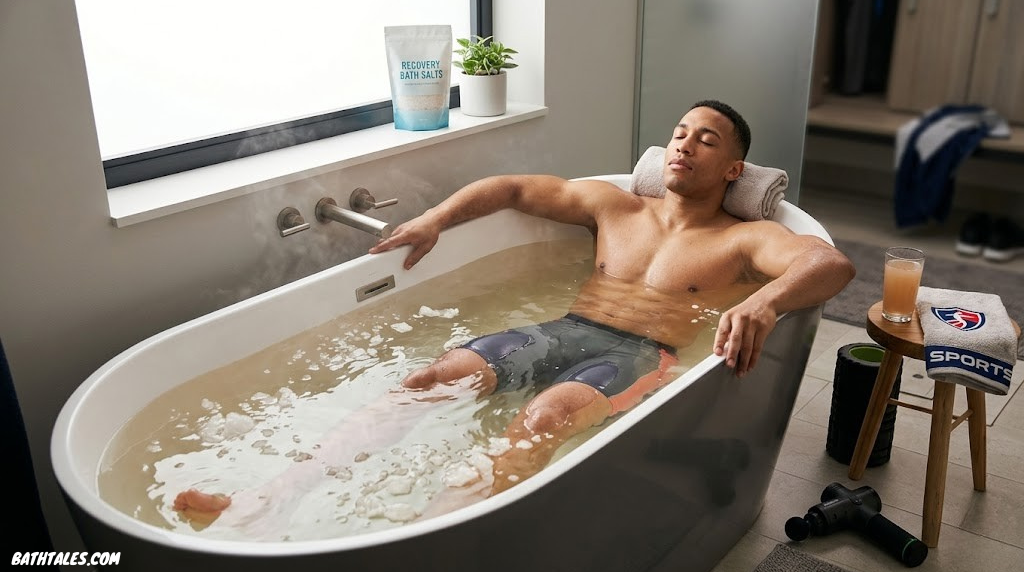
Best Bath Salts for Athletes: Soak Your Way to Faster Recovery
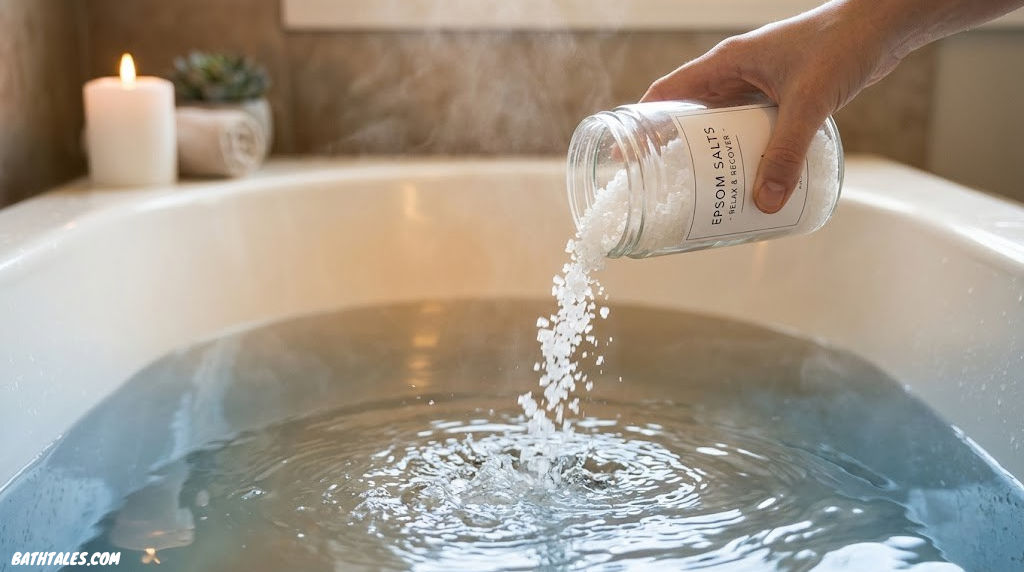
You’ve pushed your body hard. The interval repeats were relentless, the squat rack showed no mercy, and your legs have been reminding you of that fact for the last 36 hours. You’ve tried foam rolling, compression socks, and an obscene amount of protein — and while those all help, there’s one recovery ritual that elite athletes have relied on for decades that often gets overlooked: the bath salt soak.
This isn’t about scented relaxation or a spa-day indulgence. Bath salts — particularly magnesium-rich formulas — interact with your body at a chemical level, replenishing depleted minerals, reducing inflammatory signaling, and coaxing overworked muscles into a state where actual repair can happen. The science is real, the results are measurable, and the products available today are better than ever.
Whether you’re a weekend warrior, a serious competitive athlete, or a fitness enthusiast who takes recovery as seriously as training, this guide will show you exactly which bath salts work best, how to use them correctly, and what the differences between the major types actually mean for your body. We tested 12 products across multiple workout cycles and consulted the available sports science literature to bring you these picks.
Why Athletes Use Bath Salts — And What Actually Happens in Your Body
The relationship between athletic performance and magnesium is well-documented and often underappreciated. Magnesium is involved in over 300 enzymatic reactions in the human body, and intense exercise dramatically accelerates its depletion. Sweat, especially in endurance events, causes significant magnesium loss — estimates suggest athletes can lose 0.5–1.0 mg of magnesium per hour of exercise, and intense training sessions can push that figure even higher.
When magnesium levels fall, the consequences are tangible: increased muscle cramping, slower protein synthesis, disrupted sleep cycles, and elevated cortisol. Every one of these effects is the enemy of recovery. Bath salts work by delivering magnesium (and other minerals) transdermally — through your skin — bypassing the digestive system and delivering the mineral directly to muscle tissue and the bloodstream.
Key Mechanism: Transdermal magnesium absorption from bath salts has been observed in clinical settings, with serum magnesium levels measurably increasing after soaking sessions. While the research is still developing, the practical results — reduced cramping, better sleep, less DOMS — are consistently reported across athletic populations.
The Four Core Recovery Benefits
Beyond magnesium, heat immersion itself has well-documented benefits for athletes. The warm water dilates blood vessels, increases circulation to muscle tissue, and raises core temperature in a way that promotes a parasympathetic nervous system response — the physiological state of rest and repair. If you’re looking to explore the full range of what soaking can offer, the team at BathTales has a comprehensive guide to bath salts for muscle soreness that dives deeper into the research.
The combination of mineral delivery and thermal therapy is what makes bath salts such a powerful tool. You’re essentially stacking two evidence-based recovery modalities simultaneously — and doing it with minimal time investment and zero equipment.
Types of Bath Salts for Athletes: What the Differences Actually Mean
Not all bath salts are the same. The mineral profile, grain size, sourcing, and added ingredients all affect how a product performs for athletic recovery. Here’s a breakdown of the major types and how each serves an athlete’s specific needs.
| Salt Type | Key Mineral | Best For | Texture / Solubility | Price Range |
|---|---|---|---|---|
| Epsom Salt | Magnesium Sulfate | DOMS, cramping, general recovery | Fine/medium, dissolves fast | $ (Budget) |
| Magnesium Flakes | Magnesium Chloride | Deep absorption, sensitive skin | Flake, melts slowly | $$–$$$ |
| Dead Sea Salt | Multi-mineral (21+) | Joint pain, inflammation, psoriasis | Coarse, medium solubility | $$ |
| Himalayan Pink Salt | Trace minerals (84 types) | Skin detox, detoxification, balance | Coarse to fine varies | –$$$$ |
| Sea Salt | Sodium Chloride + minerals | General muscle relief, skin | Coarse, moderate solubility | $ |
| Blended / Formulas | Mixed + essential oils | Targeted recovery, aromatherapy | Varies by formula | $$–$$$ |
Epsom Salt vs Magnesium Flakes — Which Wins for Athletes?
This is the most common question we receive, and the answer depends on your specific goals. If you want the most cost-effective, readily available option that delivers solid magnesium and draws excess fluid from sore muscles, Epsom salt wins. A standard 5-pound bag costs a few dollars and delivers multiple therapeutic baths. For a deep dive into how these two compare, check out BathTales’ detailed comparison of magnesium flakes vs Epsom salt.
Magnesium flakes (magnesium chloride) have higher bioavailability — meaning your body absorbs the magnesium more efficiently per gram. They’re also gentler on the skin and leave a softer feel, making them the better choice for athletes who soak frequently and find Epsom salt drying. The downside is cost: a therapeutic dose of magnesium flakes costs significantly more per bath.
For
Dead Sea Salt Advantage: If you deal with joint pain, inflammation, or skin conditions alongside athletic training, Dead Sea salt stands in a category of its own. Its mineral profile — including magnesium, calcium, potassium, and bromide — has been studied extensively for inflammatory conditions. Athletes who run high mileage or practice contact sports often find Dead Sea soaks particularly helpful for cumulative joint stress. If this is your situation, BathTales has explored Dead Sea salt vs Epsom salt in detail.

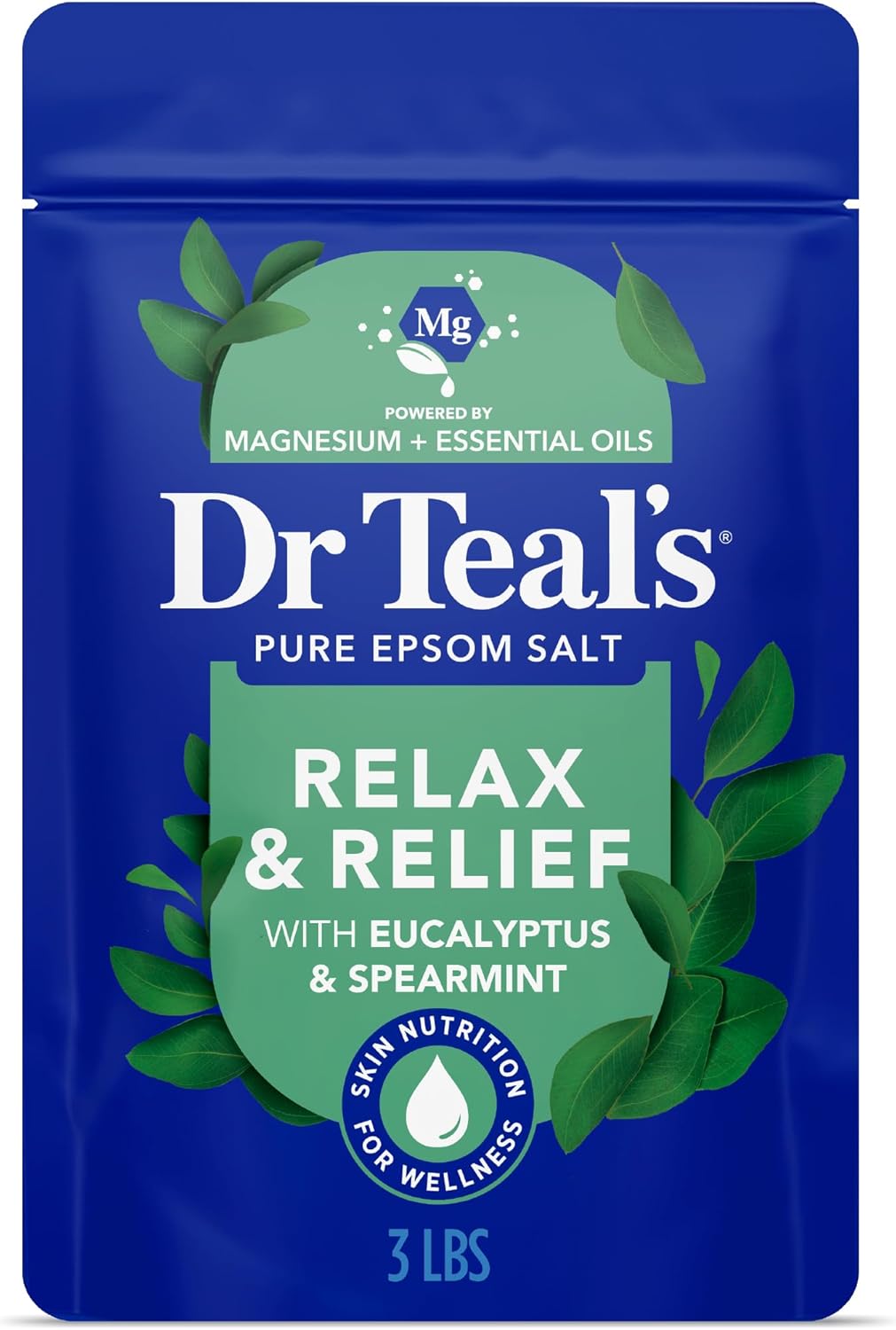
Dr Teal’s has become the unofficial recovery staple of gyms, locker rooms, and sports trainers’ supply closets for good reason: it delivers pharmaceutical-grade Epsom salt paired with a genuinely effective essential oil blend at a price that makes regular use realistic for everyday athletes. The eucalyptus and spearmint combination isn’t just for aroma — both oils carry meaningful anti-inflammatory and analgesic properties that complement the magnesium’s muscle-relaxing action.
The 8 Best Bath Salts for Athletes — Tested & Ranked
We evaluated each product across six criteria: mineral content and purity, solubility in water, scent and essential oil quality, skin feel post-soak, recovery effectiveness based on real training cycles, and value for money. Below are our findings.
Dr Teal’s Epsom Salt Soaking Solution — Eucalyptus & Spearmint
The eucalyptus scent opens airways during your soak — a welcome effect for athletes recovering from hard respiratory work — while spearmint provides a mild cooling sensation that helps the warmth of the bath feel balanced rather than oppressive.
- Pharmaceutical-grade Epsom salt purity
- Fast-dissolving fine grain
- Excellent value — bulk bags available
- Eucalyptus + spearmint genuinely soothing
- Widely available in stores and online
- No dyes or artificial fragrance
- Can feel slightly drying on very sensitive skin
- Scent fades quickly in water
- Magnesium sulfate has lower bioavailability than MgCl2
Ancient Minerals Magnesium Bath Flakes — Ultra Pure
- Significantly more expensive per bath than Epsom
- No added essential oils (though you can add your own)
- Slower to dissolve fully in water

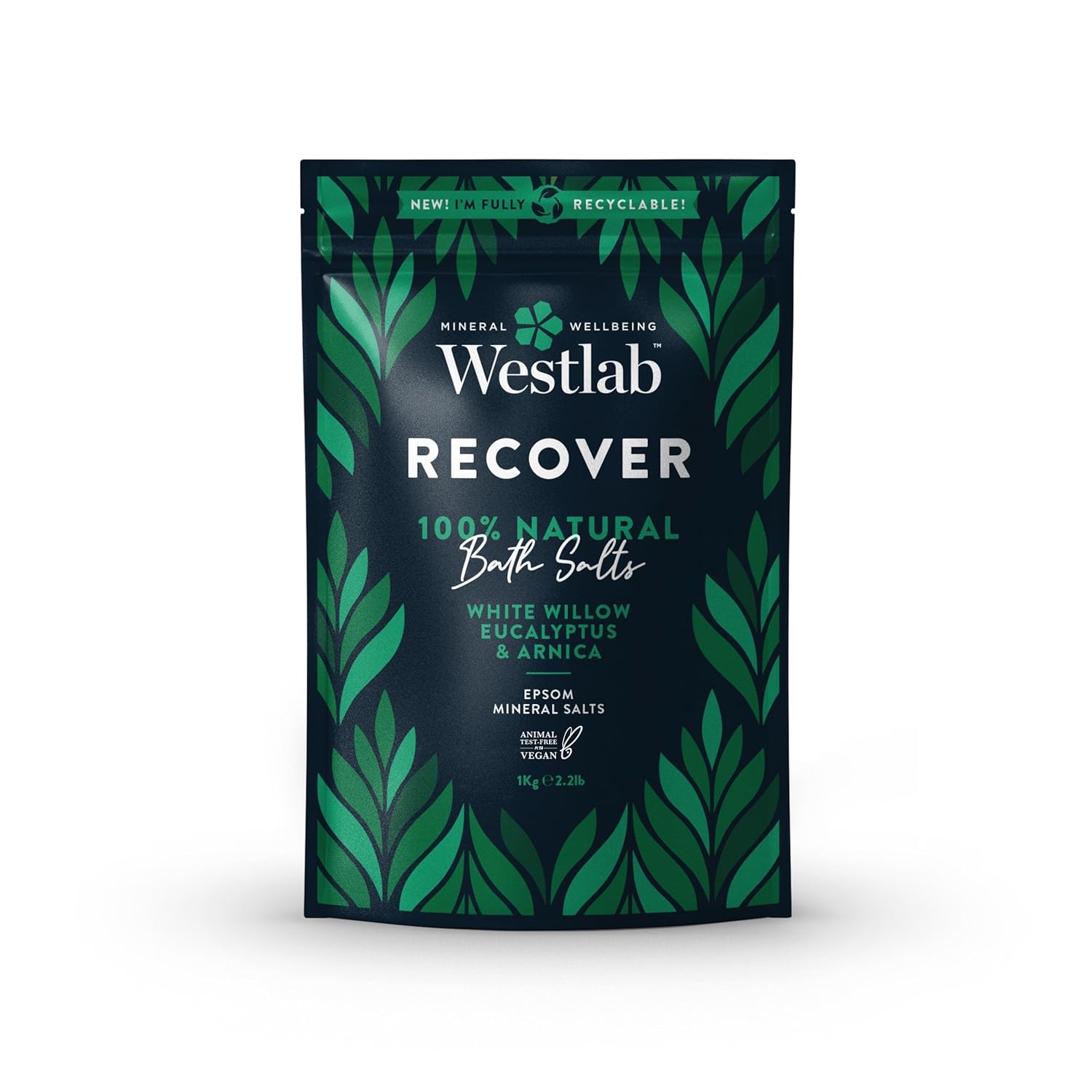
Westlab Recovery Dead Sea Salt — with Peppermint & Arnica
Westlab is a brand that takes athletic recovery seriously — and their Dead Sea salt blend with peppermint and arnica reflects that commitment. Dead Sea salt contains over 21 minerals in naturally occurring ratios, with particularly high concentrations of magnesium, calcium, potassium, and bromide — a mineral complex that no synthetic formula can fully replicate. The bromide component alone is notable: it has sedative properties that promote deep relaxation and quality sleep, making this an ideal pre-bed soak after a hard training day.
The addition of arnica is the standout feature of Westlab’s formula. Arnica montana is among the most evidence-backed natural substances for reducing bruising, swelling, and muscle soreness — it’s a fixture in professional sports medicine. Combined with peppermint’s natural analgesic and vasodilating properties, this creates a soak that doesn’t just feel therapeutic, but delivers actual measurable relief to overworked tissue.
We found this particularly effective for athletes dealing with the cumulative impact of high training loads — long-distance runners, cyclists, and CrossFit athletes logging significant weekly volumes. It’s the kind of soak you notice a difference from, not just enjoy. For more on the Dead Sea mineral advantage, see BathTales’ exploration of the differences between Dead Sea and Epsom salt.
- Genuine Dead Sea mineral complex
- Arnica & peppermint for targeted soreness relief
- Excellent for joint discomfort and cumulative fatigue
- Bromide content supports deep sleep recovery
- Luxury feel with therapeutic performance
- Peppermint can feel intense — test before a full soak
- Higher price point
- Coarser grains take longer to dissolve
Better Body Co. Purify Detox Bath Soak — Himalayan Pink + Activated Charcoal
For athletes who want a full-spectrum cleansing experience alongside recovery, this Himalayan pink salt blend with activated charcoal addresses a different angle of post-workout recovery: detoxification. Intense exercise generates metabolic byproducts — lactic acid, ammonia, reactive oxygen species — that need to be cleared from tissue. Himalayan salt opens skin pores while the activated charcoal draws impurities outward, creating what many users describe as a uniquely thorough cleaning sensation.
Himalayan pink salt carries 84 trace minerals in naturally occurring form. While the concentrations of individual minerals are lower than a dedicated Epsom or Dead Sea soak, the trace mineral diversity may support the broader enzymatic processes involved in recovery. This also makes it one of the more popular options in natural athletic wellness communities that prefer minimally processed, whole-source ingredients.
The black-and-pink visual of charcoal mixed with pink salt makes this a visually distinctive product that’s become popular on social media — but don’t let the aesthetics distract from the fact that the formula genuinely performs. Athletes who soak in this consistently report softer skin and a sense of deep cleanliness that standard Epsom soaks don’t replicate. For more on what detox bath salts can offer, BathTales has a dedicated guide on the best detox bath salts.
- Himalayan salt + activated charcoal dual action
- 84 trace minerals from natural source
- Excellent skin feel and pore cleansing
- Visually striking — appealing for gifting
- Unscented option available
- Charcoal can stain grout/tub — rinse well
- Lower pure magnesium content than Epsom
- Some formulations have strong added scent

Best Budget Bath Salts for Athletes — Maximum Recovery Per Dollar
You don’t need to spend a fortune to get meaningful recovery benefits from bath salts. If you’re soaking regularly — as you should be during peak training — the cost per bath matters. Here are our top picks for athletes who want to prioritize frequency over luxury without sacrificing therapeutic quality.
Epsoak Epsom Salt — USP Grade, Unscented Bulk
If the metric is maximum therapeutic value per dollar, Epsoak’s bulk pharmaceutical-grade Epsom salt is the clear winner. Available in large formats that bring the cost per bath well below a dollar, this USP-certified product delivers pure magnesium sulfate with no fillers, dyes, or unnecessary additives. The unscented formula is actually an advantage for many athletes — it means you can add your own essential oils (BathTales has a guide to the best essential oils for bath salts) and customize each soak to your specific recovery need that day.
USP certification means it meets United States Pharmacopeia standards — the same certification required for pharmaceutical products. When you’re using 2–3 cups per bath multiple times a week, knowing you’re working with a verified-pure product matters. Many athletes and coaches who’ve been using recovery baths for years end up here after experimenting with fancier products — the efficacy difference doesn’t justify the price difference for high-frequency use.
- USP pharmaceutical grade — verified purity
- Unbeatable cost per bath in bulk
- Unscented — customize with your own oils
- Fast-dissolving in warm water
- Ideal for high-frequency soaking schedules
- No added essential oils or skin conditioners
- Less luxurious sensory experience
- Large bags can be awkward to store

Village Naturals Therapy Aches & Pains Mineral Bath Soak
Village Naturals’ Aches & Pains formula is the budget entry that doesn’t feel like a compromise. Combining Dead Sea salts with Epsom salt and a blend of eucalyptus and menthol, it delivers a cooling, deeply therapeutic soak that rivals more expensive dedicated athletic products. The menthol component creates a genuine cooling sensation that’s particularly satisfying after leg-heavy training days — the skin-level cooling effect is both pleasant and helps signal your nervous system into recovery mode.
This is the product we’d recommend for athletes who want more than plain Epsom but aren’t ready to commit to the price of premium specialty recovery formulas. The Dead Sea salt inclusion adds mineral diversity without pricing the product out of regular-use territory.
- Dead Sea + Epsom salt combination
- Menthol cooling effect — satisfying post-workout
- Budget price, premium-feeling soak
- Excellent for leg-heavy training recovery
- Menthol can be too intense for some
- Fragrance isn’t for everyone
- Smaller package sizes than bulk Epsom

San Francisco Salt Company Himalayan Pink Bath Salt
San Francisco Salt Company’s Himalayan pink salt represents one of the best-quality options in the Himalayan category — mined from the Khewra Salt Mine in Pakistan’s Punjab region, the product maintains a coarse grain that dissolves more slowly, creating a bath that deepens in mineral richness as the soak progresses. Athletes appreciate the visual aspect too — the pink color signals authenticity, and the clean, mildly mineral scent is refreshing rather than overpowering.
At 84 trace minerals, the diversity of this salt’s composition is unmatched, even if individual concentrations of key minerals like magnesium are lower than Epsom or Dead Sea salt. Think of it as mineral breadth over depth. For athletes eating clean and focusing on micronutrient balance, the trace mineral exposure through skin adds a layer of comprehensive support. BathTales’ guide to the best Himalayan pink bath salts covers this category in full detail.
- 84 trace minerals in natural proportions
- Authentic Khewra Mine sourcing
- Clean, mild scent — universally pleasant
- Beautiful aesthetics — excellent as a gift
- Available in fine, medium, and coarse grinds
- Lower magnesium density than Epsom
- Coarse grain can take longer to dissolve
- Price premium over generic Himalayan

Asutra Sports Recovery Soak — With Eucalyptus, Camphor & Peppermint
Asutra specifically markets to athletic populations and their Sports Recovery Soak reflects a thoughtful formulation philosophy. The combination of eucalyptus, camphor, and peppermint essential oils creates one of the most powerfully aromatic and therapeutically concentrated essential oil blends in this roundup. Camphor in particular is notable — it’s traditionally used in sports medicine for its analgesic and anti-inflammatory properties, and its presence in a bath soak provides that distinct warming sensation many athletes associate with topical pain relief products.
The base is pharmaceutical-grade Epsom salt, giving you the magnesium foundation, with the essential oil complex elevating the recovery experience considerably. For athletes who want a soak that feels medicinal rather than cosmetic — that communicates serious recovery purpose through every sensory channel — Asutra’s formulation delivers. For a broader view of organic options, BathTales also maintains a guide to the best organic bath salts.
- Eucalyptus + camphor + peppermint trio
- Camphor adds genuine analgesic depth
- Certified pure essential oils
- Sports-specific formulation
- Strong, long-lasting aroma
- Very potent — not for scent-sensitive users
- Camphor should be avoided during pregnancy
- Slightly higher price than basic Epsom

What to Look For: The Athlete’s Bath Salt Buying Guide
With so many products on the market, it’s worth knowing which factors genuinely impact your recovery results and which are just marketing. Here’s what actually matters when you’re selecting a bath salt for athletic use.
1. Mineral Type and Concentration
This is the most important factor. The mineral that does the heavy lifting in athletic recovery is magnesium, and the type of magnesium compound determines both potency and absorption. Magnesium chloride (in magnesium flakes and some blends) offers superior bioavailability. Magnesium sulfate (Epsom salt) is highly effective, more affordable, and faster-dissolving. If budget allows, rotating between both gives you the best of both mechanisms.
2. Purity and Certifications
For a product you’re applying to your skin multiple times per week, purity matters. Look for USP (United States Pharmacopeia) certification on Epsom salt, or verified-source claims (like Zechstein for magnesium flakes). Avoid cheap imported salts with no quality certification — heavy metal contamination, while rare, is a real concern in unregulated mineral products.
3. Essential Oils — Therapeutic vs. Fragrance
There’s a meaningful difference between therapeutic essential oils and synthetic fragrance. A product that lists “eucalyptus fragrance” is not the same as one listing “Eucalyptus globulus essential oil” — the latter actually carries the active phytochemical compounds responsible for anti-inflammatory and analgesic effects. Check ingredient lists carefully. The best essential oils for bath salts from an athletic recovery standpoint include eucalyptus, peppermint, arnica, lavender, and clary sage.
4. Grain Size
Fine-grain salts dissolve faster and work better in shorter soaks or lower water temperatures. Coarse-grain salts (like many Dead Sea and Himalayan products) dissolve more slowly and create a progressive release of minerals — ideal for longer soaks. For a standard 20–30 minute athletic recovery bath, fine to medium grain is usually optimal.
5. Added Ingredients — Helpful vs. Filler
Some added ingredients genuinely enhance recovery: MSM (methylsulfonylmethane, an anti-inflammatory sulfur compound), arnica extract, vitamin E, and aloe vera all have evidence supporting their skin and recovery benefits. Others — artificial dyes, synthetic perfumes, excessive SLS-based surfactants — are filler at best and irritating at worst for frequent soakers. Keep the ingredient list clean.
Watch Out For: Products that list “magnesium” prominently but use magnesium sulfate in tiny quantities with a base of regular sea salt or sodium chloride. These deliver a fraction of the therapeutic mineral dose and are mostly marketing. Always check that the primary ingredient is a recognized high-magnesium compound.
6. Quantity Per Bath
Not sure how much to use? BathTales has a comprehensive breakdown of how much bath salt to use for different goals and tub sizes. For athletic recovery, the therapeutic minimum is typically 2 cups of Epsom salt or 1 cup of magnesium flakes per standard bathtub. Going below this threshold produces a pleasant soak but limits the true therapeutic mineral dose.
How to Get Maximum Recovery From Every Bath Salt Soak
The right product paired with the wrong protocol will underdeliver. Here’s the evidence-informed approach that elite athletes and sports trainers use to get the most from each bath salt session.
Timing: When to Soak
The most effective recovery window for a bath salt soak is 2–6 hours after training, or the following morning. Soaking immediately post-workout, especially after very high-intensity sessions, can increase blood flow to already-inflamed tissue — potentially counterproductive. A brief cool-down period followed by a warm bath allows your body to transition from acute stress response to recovery mode.
For sleep optimization — one of the most underrated athletic recovery levers — soaking 60–90 minutes before bed is particularly powerful. The temporary rise in core temperature, followed by the rapid cooling as you exit the bath, strongly signals the body to produce melatonin and enter sleep preparation. Add lavender essential oil to maximize this effect. For more on optimizing recovery through soaking, BathTales’ guide on how long to soak in bath salts covers timing and duration in depth.
Temperature Protocol
Target 98–102°F (37–39°C) for standard recovery soaks. This range promotes circulation and mineral absorption while remaining comfortable enough for the full 20–30 minute duration. Use a bath thermometer if you’re unsure — most people run baths too hot initially, which causes faster overheating and shorter effective soak time.
Hydration and Electrolytes
You will sweat during a therapeutic bath soak. Drink 16 oz of water before entering and keep a glass of water nearby to sip throughout. For soaks after intense endurance sessions, consider an electrolyte drink rather than plain water — you’re already in mineral-replenishment mode and systemic hydration supports the transdermal absorption process.
Post-Soak Routine
After your soak, avoid rinsing immediately if possible. Allow the mineral-saturated water to air-dry on your skin for 5–10 minutes to maximize absorption. Follow with a light, unscented moisturizer to lock in hydration — magnesium-rich soaks can have a mild drying effect. For athletes with dry or reactive skin, BathTales covers this well in their article on bath salts for dry skin.
Pro Tip — The Contrast Protocol: Some elite athletes and sports physiologists use contrast bathing alongside regular salt soaks: alternating 2–3 minutes of cool/cold water with 2–3 minutes of warm salt bath, cycling 3–4 times. The temperature cycling creates a powerful pumping effect on the lymphatic system and microvasculature, accelerating the clearance of metabolic waste products. Not for the faint-hearted, but the results can be remarkable.
Soak Duration by Training Intensity
| Training Session Type | Recommended Soak Duration | Ideal Timing | Salt Amount |
|---|---|---|---|
| Light to moderate workout | 15–20 minutes | 2–4 hrs post-workout | 1.5–2 cups Epsom |
| Heavy resistance training | 20–30 minutes | 3–6 hrs post-workout | 2–3 cups Epsom |
| Long endurance session | 25–35 minutes | 2–5 hrs post-workout | 2–3 cups Epsom or 1.5 cups Mg flakes |
| Race / Competition day | 30 minutes | Evening after event | 2–3 cups Epsom + Dead Sea blend |
| Back-to-back training days | 20 minutes | Before sleep | 2 cups Epsom + lavender EO |
Build Your Own Athletic Recovery Blend at Home
Many elite athletes and coaches we’ve spoken with prefer to create their own blends rather than rely on commercial formulations — it gives complete control over mineral ratios, essential oil quality, and cost per bath. The BathTales guide on how to make bath salts at home covers the full DIY process, but here’s a quick-start recipe specifically optimized for post-workout recovery:
The Athlete’s Recovery Blend
Base Formula (per bath):
• 2 cups pharmaceutical-grade Epsom salt
• ½ cup Dead Sea salt
• 10 drops eucalyptus essential oil
• 8 drops peppermint essential oil
• 5 drops lavender essential oil
• 2 tbsp sweet almond or jojoba oil (as a carrier to prevent skin dryness)
Mix oils into salts thoroughly before adding to the bath. Store any unused blend in a sealed glass jar away from moisture.
This DIY formula mirrors what the best commercial products do, but at a fraction of the cost per bath when you buy ingredients in bulk. The eucalyptus targets inflammation, peppermint provides analgesic cooling, and lavender brings cortisol-reducing, sleep-promoting properties. The carrier oil prevents the magnesium from drawing too much moisture from skin during the soak.
If you’re experimenting with essential oil combinations and want to understand which oils are evidence-backed for athletic purposes, BathTales has an in-depth resource on the best essential oils for bath salts that goes into the chemistry of each option.
Best Bath Salts by Sport and Training Style
Recovery needs vary significantly across sports. The muscles involved, the type of fatigue generated (metabolic vs. structural), and the cumulative load pattern all influence which bath salt approach will deliver the best results. Here’s a sport-by-sport breakdown.
| Sport / Training Style | Primary Recovery Need | Best Salt Type | Top Pick |
|---|---|---|---|
| Distance Running | DOMS, joint protection, inflammation | Epsom + Dead Sea blend | Westlab Recovery or Dr Teal’s |
| Strength / Powerlifting | Muscle belly soreness, nervous system fatigue | Magnesium flakes (MgCl2) | Ancient Minerals |
| CrossFit / HIIT | Full-body DOMS, systemic inflammation | High-dose Epsom + peppermint | Dr Teal’s or Asutra Sports |
| Swimming | Shoulder / upper body, skin dryness | Magnesium flakes + moisturizing oils | Ancient Minerals + carrier oil |
| Cycling | Quad/hip flexor soreness, saddle sores | Epsom + tea tree or lavender | Village Naturals + lavender drops |
| Team Sports (Soccer, Basketball) | Multi-directional soreness, bruising | Dead Sea salt + arnica | Westlab Recovery |
| Yoga / Mobility | Fascia release, deep tissue stretch | Himalayan pink + lavender | SF Salt Co. Himalayan |
| Combat Sports | Bruising, inflammation, nervous system | Dead Sea + magnesium flakes | AHAVA Dead Sea or Westlab |

Best Bath Salts for Athletes — Full Comparison Table
| # | Product | Salt Type | Key Add-Ins | Best For | Rating | Price Tier |
|---|---|---|---|---|---|---|
| 1 | Dr Teal’s Epsom — Eucalyptus | Magnesium Sulfate | Eucalyptus, Spearmint EO | Overall + Best Value | ⭐ 4.8 | $ |
| 2 | Ancient Minerals Mg Flakes | Magnesium Chloride | None — pure mineral | Max absorption, skin | ⭐ 4.7 | $$ |
| 3 | Westlab Recovery Dead Sea | Dead Sea Salt | Arnica, Peppermint | Joints, deep soreness | ⭐ 4.6 | $$$$ |
| 4 | Better Body Co. Purify | Himalayan Pink | Activated Charcoal | Detox + cleanse | ⭐ 4.5 | $$ |
| 5 | Epsoak Bulk USP Epsom | Magnesium Sulfate | Unscented pure | Frequent soakers | ⭐ 4.5 | |
| 6 | Village Naturals Aches & Pains | Dead Sea + Epsom | Eucalyptus, Menthol | Budget + cooling | ⭐ 4.4 | $ |
| 7 | SF Salt Co. Himalayan Pink | Himalayan Pink | 84 trace minerals | Trace mineral breadth | ⭐ 4.4 | $$$$ |
| 8 | Asutra Sports Recovery | Magnesium Sulfate | Eucalyptus, Camphor, Peppermint | Intense analgesic effect | ⭐ 4.3 | $$ |
Ice Baths vs Hot Salt Baths: Which Recovery Method Wins for Athletes?
If there’s one debate that dominates every locker room, every sports medicine forum, and every recovery-focused social media account, it’s this one: should you be plunging into freezing water or sinking into a hot mineral soak? The truth — as with most things in sports science — is more nuanced than either camp tends to admit. Both modalities are powerful, both are evidence-backed, and both serve distinctly different physiological purposes. Understanding when to use each one, and why, is what separates athletes who recover strategically from those who just follow trends.
Cold water immersion (ice baths) and hot bath salt soaks work through fundamentally opposite mechanisms. Cold therapy causes vasoconstriction — the tightening of blood vessels — which reduces blood flow to inflamed tissue, decreases metabolic activity in the area, and numbs nerve endings to reduce pain perception. This is why ice baths feel immediately relieving after a hard session: the cold is essentially “pausing” the inflammatory cascade at the tissue level, giving your body time to manage the damage before the full inflammatory response kicks in.
Hot bath salt soaks, by contrast, cause vasodilation — the opening of blood vessels — which dramatically increases blood flow to muscles and joints. This brings fresh oxygen and nutrients to damaged tissue while simultaneously flushing out metabolic waste products like lactic acid and ammonia. The minerals absorbed through the skin (primarily magnesium) then support the enzymatic repair processes that follow. You’re essentially accelerating the natural healing cycle rather than suppressing it.
When Cold Water Immersion Wins
Ice baths are most effective in specific, well-defined scenarios. The first is immediately after acute, high-damage training sessions — think heavy eccentric loading, sprint work, or plyometric sessions that produce significant microtrauma in muscle tissue. In these cases, the anti-inflammatory effect of cold reduces swelling and secondary tissue damage that occurs in the hours after the initial workout.
Cold immersion is also the superior choice during competition periods where you need to perform again within 24–48 hours. If you have a semi-final on Saturday and the final on Sunday, an ice bath on Saturday evening will help manage inflammation and soreness enough to maintain performance the next day. A hot bath in this scenario could actually increase inflammation and make you feel heavier and more sluggish on short turnaround.
For acute injuries — a rolled ankle, a hard tackle that left deep bruising, or a shoulder impingement from an overhead movement — cold immersion within the first 24–48 hours is standard sports medicine protocol. The vasoconstrictive effect limits the hematoma formation and swelling that would otherwise slow recovery. However, once you’re past the acute phase (typically 48–72 hours post-injury), hot salt baths become the better tool for accelerating tissue repair through increased blood flow and mineral delivery.
When Hot Salt Baths Win
Hot bath salt soaks are the clear winner for chronic soreness and general training fatigue. If your legs feel heavy and achy after a week of solid training but you don’t have acute inflammation or a specific injury, a hot Epsom salt bath is going to do more for you than an ice bath. The vasodilation effect drives blood into muscle tissue that’s been operating at reduced capacity, and the magnesium absorption helps restore the mineral balance that underpins muscle function.
For athletes who struggle with sleep quality — and research consistently shows that sleep is the single most important recovery variable — hot salt baths are unmatched. The mechanism is well-documented: raising your core body temperature by 1–2 degrees in a warm bath, followed by the rapid cooling that occurs when you step out, triggers a powerful melatonin release and signals your circadian clock that it’s time to sleep. Ice baths, by contrast, create an alerting response that can actually interfere with sleep if taken too close to bedtime.
Joint stiffness, reduced range of motion, and the kind of deep muscle tension that comes from sitting at a desk between training sessions all respond better to hot salt baths than cold immersion. The warmth softens fascia and connective tissue, while the minerals — particularly the bromide and potassium in Dead Sea salt — support the fluid dynamics within joint capsules that keep movement smooth and pain-free.
The Contrast Protocol: Combining Both
The most sophisticated recovery approach used by elite athletes and sports physiologists combines both modalities into what’s known as contrast water therapy. The protocol typically involves alternating between 2–3 minutes in a warm salt bath (98–104°F) and 1–2 minutes in cold water (50–60°F), cycling through 3–4 complete rounds. The constant switching between vasodilation and vasoconstriction creates a “pumping” effect on the circulatory and lymphatic systems that accelerates waste clearance and nutrient delivery simultaneously.
For athletes who want to implement this at home, the simplest approach is to fill your bathtub with a warm salt bath as described throughout this guide, then have a separate container — even a large trash can filled with cold water and ice — positioned next to the tub. Alternate between the two, always ending on cold if your goal is to reduce inflammation, or ending on warm if your goal is relaxation and sleep preparation.
The Decision Framework: Use cold water immersion when you need to perform again within 48 hours, when you have acute inflammation or injury, or when you need to feel “light” and “sharp” the next day. Use hot bath salts when you’re in a general training block, when sleep quality is your priority, when you have chronic soreness or stiffness, or when you want to maximize the mineral-replenishment benefits of a soak. Use contrast therapy when you want the best of both worlds and have the time and setup to do it properly.
Athlete Type Recommendations
| Athlete Situation | Best Modality | Frequency | Key Consideration |
|---|---|---|---|
| In-season competition (multi-day events) | Cold immersion between events | After each competition | Reduces inflammation for next-day performance |
| Off-season training block | Hot salt bath | 3–4× per week | Maximizes adaptation and recovery |
| Heavy lifting day | Hot salt bath 3–6 hrs later | Same day | Wait for initial inflammation to settle |
| Speed/plyometric day | Cold immersion within 1 hr | Same day | Limits eccentric damage swelling |
| Pre-sleep recovery | Hot salt bath with lavender | Nightly if desired | End 60–90 min before bed |
| Chronic joint stiffness | Hot Dead Sea salt soak | Daily or every other day | Bromide + calcium for joint fluid dynamics |
| Acute injury (first 48 hrs) | Cold immersion | 2–3× daily, 10 min each | Switch to hot salt bath after 72 hrs |
| Full recovery day (rest day) | Contrast therapy | 1× on rest day | Cycle warm salt bath / cold 3–4 rounds |
CBD Bath Salts for Athletes: What the Science Says and What to Look For
Cannabidiol (CBD) has rapidly become one of the most discussed compounds in the athletic recovery space. From professional football players to Olympic endurance athletes, the adoption of CBD-infused recovery products — including bath salts — has moved from fringe wellness culture into mainstream sports medicine. But what does CBD actually do when dissolved in a bath, and is it worth the premium price that CBD-infused bath salts typically command?
CBD is a non-psychoactive cannabinoid derived from the hemp plant. Unlike THC, it does not produce any intoxicating effects — a critical distinction for athletes subject to anti-doping testing. The World Anti-Doping Agency (WADA) removed CBD from its prohibited list in 2018, though THC remains banned. This means athletes can use CBD products without risking a doping violation, provided the product contains less than 0.3% THC (the legal threshold under the 2018 Farm Bill in the United States).
How CBD Works in a Bath
When CBD is dissolved in warm bath water alongside salts, it interacts with the body through two primary pathways. First, it can be absorbed transdermally — through the skin — where it interacts with the endocannabinoid system’s CB2 receptors that are densely concentrated in skin tissue, immune cells, and peripheral nerves. These receptors play a key role in modulating inflammation and pain perception at the local tissue level.
Second, the warm water opens pores and increases skin permeability, which may enhance CBD absorption rates compared to topical application on dry skin. The steam from the bath also allows for some inhalation of CBD vapor, which provides a faster systemic pathway through the lungs. This dual delivery — transdermal and inhaled — is unique to the bath application method and may explain why athletes consistently report that CBD bath soaks feel more effective than CBD topicals or tinctures alone.
The anti-inflammatory evidence for CBD is genuinely compelling. Multiple peer-reviewed studies have demonstrated that CBD reduces inflammatory cytokine production, suppresses the NF-κB inflammatory pathway, and acts as an antioxidant that helps neutralize the reactive oxygen species generated during intense exercise. For athletes, this translates to reduced post-exercise inflammation, less oxidative stress damage to muscle tissue, and potentially faster recovery timelines.
What to Look For in CBD Bath Salts
Not all CBD bath products are created equal, and the market is rife with underdosed and mislabeled products. Here’s what matters when evaluating a CBD bath salt for athletic use:
CBD concentration per bath: Most research on transdermal CBD uses concentrations in the range of 50–200 mg per application. A CBD bath salt that contains less than 50 mg of CBD per serving is unlikely to deliver meaningful therapeutic benefit — it’s essentially a marketing ingredient at that dose. Look for products that clearly state the CBD content per bath (not per container) and aim for at least 100 mg per soak.
Broad-spectrum vs isolate: CBD isolate contains only pure CBD. Broad-spectrum CBD contains CBD along with other beneficial cannabinoids, terpenes, and flavonoids from the hemp plant (but zero THC). The “entourage effect” hypothesis suggests that these compounds work synergistically, meaning broad-spectrum products may deliver enhanced anti-inflammatory benefits compared to isolate. For athletes, broad-spectrum is the preferred choice — you get the full plant benefit without any THC exposure risk.
Third-party testing: Any CBD product you use should have a Certificate of Analysis (COA) from an independent lab. This document confirms the actual CBD content, verifies the THC level is below 0.3%, and screens for contaminants like heavy metals, pesticides, and residual solvents. If a brand doesn’t publish its COA, move on — this is non-negotiable for any product you’re putting on your body regularly.
Base salt quality: CBD concentration means nothing if the base salt is low-grade. The best CBD bath salts pair their cannabinoid content with pharmaceutical-grade Epsom salt, magnesium flakes, or Dead Sea salt — giving you the mineral recovery benefits described throughout this article alongside the CBD’s anti-inflammatory action. You’re essentially stacking two evidence-based recovery compounds in a single soak.
The CBD Bath Salt Experience
Athletes who use CBD bath salts consistently describe a particular quality of relaxation that’s distinct from what standard bath salts provide. Where regular Epsom baths produce muscular relaxation, CBD soaks tend to add a layer of nervous system calm — a feeling of mental quiet alongside the physical release. This makes them particularly valuable for athletes who carry competition anxiety, training stress, or the kind of persistent mental arousal that interferes with sleep quality.
The practical advice is straightforward: if you’re dealing with persistent inflammation, training-related anxiety, or sleep disruption and standard bath salts aren’t quite addressing the full picture, adding CBD to your recovery protocol is worth exploring. Start with 100 mg per bath and assess over 2–3 sessions before adjusting the dose. For a full overview of what to look for across all bath salt categories, BathTales’ guide to the best bath salts for every type of soak provides additional context.
Athletes in Tested Leagues: While CBD itself is WADA-approved, some CBD products contain trace amounts of THC that could accumulate with regular use. If you’re subject to anti-doping testing, use only CBD isolate products (not full-spectrum) with verified third-party lab results showing non-detectable THC levels. The risk is low with compliant products, but the consequences of a positive test are severe enough to warrant extra caution.
Bath Salts for Injured Athletes: Soaking Protocols for Sprains, Strains, Tendonitis, and More
Injuries are an inevitable part of athletic life. Whether it’s an acute sprain from a misstep on the trail, a chronic tendonitis flare from repetitive overhead work, or the nagging shin splints that plague runners during base-building phases, injuries create a specific and urgent recovery need. Bath salts can play a meaningful role in the rehabilitation process — but the approach needs to be different from your standard post-workout recovery soak. Timing, temperature, salt selection, and duration all shift when you’re dealing with tissue damage rather than training fatigue.
Acute Injuries: The First 72 Hours
The critical thing to understand about acute injuries — sprains, strains, impact bruises, and sudden-onset muscle tears — is that the first 48–72 hours follow a well-defined inflammatory cascade that you should not disrupt with heat. During this acute phase, your body is sending white blood cells, platelets, and a flood of chemical mediators to the injury site. This inflammatory response is not something to suppress — it’s the beginning of the repair process. Hot baths during this phase can increase swelling, expand the hematoma, and actually slow the early stages of tissue repair.
Instead, follow the standard acute injury protocol: rest, ice (or cold water immersion), compression, and elevation during the first 48–72 hours. Cold baths without salt, or localized ice application, are the correct modalities during this window. Once you’re past the 72-hour mark and the acute swelling has stabilized, you can begin introducing warm bath salt soaks to support the repair and remodeling phases of healing.
Subacute Phase: Introducing Salt Baths (Days 3–14)
Once past the acute window, warm bath salt soaks become a powerful rehabilitation tool. The increased blood flow to the injured area delivers the oxygen, amino acids, and growth factors that tissue repair demands. Magnesium absorption supports the enzymatic processes involved in collagen synthesis — the rebuilding of damaged connective tissue. This is particularly important for tendon and ligament injuries, where collagen remodeling determines the quality and strength of the healed tissue.
For this phase, we recommend Dead Sea salt or a Dead Sea and Epsom blend at slightly lower temperatures than your usual recovery bath — 96–100°F rather than 100–102°F. The reduced temperature prevents excessive vasodilation that could re-irritate healing tissue, while the mineral delivery remains fully effective. Soak for 15–20 minutes, 1–2 times daily, and always follow with gentle range-of-motion exercises appropriate to your stage of healing.
Chronic Conditions: Tendonitis, Shin Splints, and Plantar Fasciitis
Chronic overuse injuries present a different challenge. These conditions — Achilles tendonitis, patellar tendonitis (runner’s knee), shin splints (medial tibial stress syndrome), and plantar fasciitis — involve tissue that’s been repeatedly damaged and incompletely repaired over weeks or months. The inflammation is low-grade but persistent, and the tissue has often developed adhesions and scar tissue that restrict blood flow and inhibit the delivery of repair nutrients.
Hot bath salts are particularly valuable for these conditions because they address the core problem: restricted blood flow to chronically damaged tissue. Soaking in 2–3 cups of Epsom salt at 100–104°F for 25–30 minutes helps soften adhesions, increase local circulation, and deliver magnesium directly to the tissue that needs it most. Adding eucalyptus and peppermint essential oils enhances the anti-inflammatory effect at the local level.
For plantar fasciitis specifically — one of the most stubborn and training-limiting injuries in endurance sports — athletes report significant relief from soaking the affected foot in a concentrated Epsom salt solution. You don’t need a full bath for this: a large basin with 1 cup of Epsom salt in warm water, soaking the foot for 15–20 minutes after running, can provide meaningful symptom relief and support the healing of the plantar fascia.
Post-Surgical Recovery
Athletes recovering from surgery — ACL reconstruction, rotator cuff repair, meniscus surgery, or other common athletic procedures — often ask whether bath salts can help during rehabilitation. The answer is yes, but only once your surgeon clears you for water immersion. Surgical incisions need to be fully closed and healed before submersion, and this timeline varies by procedure and individual healing (typically 2–6 weeks post-surgery).
Once cleared for bathing, Epsom salt soaks become an excellent complement to physical therapy. The warm water provides a gentle, low-impact environment for early range-of-motion work — many physical therapists actually recommend performing gentle exercises in warm water because the buoyancy reduces the load on healing joints while the warmth relaxes guarding muscles. Adding 2 cups of Epsom salt provides the magnesium support for tissue repair, while the warm water environment makes early movement less painful and more productive.
When NOT to Soak: Avoid bath salt soaks if you have an open wound, an unhealed surgical incision, an active infection at the injury site, a fever, or any condition where your healthcare provider has advised against water immersion. Athletes with deep vein thrombosis (DVT) risk — common after lower extremity injuries and surgery — should consult their physician before any hot water immersion, as heat can affect blood clot dynamics.
Injury-Specific Soak Protocol Table
| Injury Type | When to Start Soaking | Salt Recommendation | Temperature | Duration |
|---|---|---|---|---|
| Ankle sprain (Grade 1–2) | 72 hours post-injury | Dead Sea salt + arnica | 96–100°F | 15–20 min |
| Muscle strain (hamstring, calf) | 48–72 hours post-injury | Epsom + magnesium flakes | 98–102°F | 20 min |
| Achilles tendonitis | Any time (chronic) | Epsom + eucalyptus EO | 100–104°F | 20–25 min |
| Shin splints | Any time (chronic) | Epsom + peppermint EO | 100–102°F | 20 min |
| Plantar fasciitis | Any time (chronic) | Concentrated Epsom foot soak | 100–104°F | 15–20 min |
| Deep bruising (impact) | 72 hours post-impact | Dead Sea salt + arnica | 98–100°F | 15–20 min |
| Post-surgical (cleared by MD) | Per surgeon timeline | Plain Epsom, no oils initially | 98–100°F | 10–15 min initially |
| IT band syndrome | Any time (chronic) | Epsom + lavender EO | 100–102°F | 25 min |
The Complete Athletic Bath Routine: A Step-by-Step Recovery Ritual
A recovery bath isn’t something you rush into and out of. The athletes who get the most benefit from bath salt soaks treat the entire process as a deliberate ritual — from preparation through the soak itself to the post-bath routine that locks in the benefits. Here’s the complete protocol used by trainers and sports physiotherapists, broken down step by step.
Step 1: Pre-Bath Preparation (5–10 Minutes)
Begin by hydrating. Drink at least 16 ounces of water, ideally with an electrolyte supplement if you’ve just finished an intense session. You’re going to sweat during the soak, and starting from a position of mild dehydration defeats part of the recovery purpose. Set out everything you’ll need — towel, water glass, moisturizer for post-soak — so you don’t have to get out mid-soak for supplies.
If you plan to add essential oils, blend them with your salts before running the bath. Drop 10–15 drops of your chosen oils into 2 cups of Epsom salt and stir thoroughly. The oils will bind to the salt crystals and disperse more evenly than if you drop them directly into the water, where they tend to float on the surface and evaporate quickly. For a full guide on oil selection, BathTales covers the best essential oils for bath salts in detail.
Step 2: Run the Bath (3–5 Minutes)
Start the water at your target temperature — 98–102°F for standard recovery, or up to 104°F for deep tissue work. Add your salt blend as the tub fills, allowing the running water to help dissolve the crystals. Swirl the water with your hand to ensure even distribution. If you’re using magnesium flakes, add them early — they dissolve more slowly than Epsom and benefit from the extra agitation time.
Use this time to set the atmosphere. This isn’t about luxury — it’s about signaling to your nervous system that it’s time to shift from sympathetic (fight-or-flight) to parasympathetic (rest-and-recover) mode. Dim the lights, put your phone on airplane mode, and if you enjoy music, choose something slow and ambient. The environmental cues matter more than most athletes realize — your body’s recovery machinery responds to context.
Step 3: Enter and Settle (First 3 Minutes)
Enter the bath slowly. If it feels too hot, add cool water gradually rather than draining and starting over. Your body needs 2–3 minutes to thermoregulate — the initial intensity will mellow as your skin temperature equalizes with the water. Position yourself so that the most sore or fatigued muscle groups are fully submerged. For runners, this means getting the water level above the hip flexors; for upper-body athletes, submerge to at least mid-chest.
Begin with slow, deep diaphragmatic breathing: inhale for 4 counts through the nose, hold for 2, exhale for 6 counts through the mouth. This breathing pattern directly stimulates the vagus nerve and accelerates the shift into parasympathetic mode. After the first 2–3 breaths, you’ll feel your heart rate begin to drop and your muscles start to release.
Step 4: The Active Soak (15–25 Minutes)
This is where the mineral absorption and thermal therapy do their work. Your only job during this phase is to stay relaxed, maintain your breathing pattern, and allow the process to happen. Some athletes use this time for light stretching — ankle circles, gentle hip flexor stretches, and neck rolls can all be performed in the water with minimal effort and maximum benefit, as the warmth makes muscles more pliable.
Resist the urge to check your phone, scroll social media, or mentally rehearse tomorrow’s training plan. The parasympathetic state you’ve worked to achieve is fragile — cognitive stress, even the low-grade stimulation of screen use, can pull you back into sympathetic dominance and reduce the hormonal recovery response. This is 20 minutes. The world can wait.
Step 5: Gentle Exit (2 Minutes)
Stand up slowly. The transition from horizontal to vertical, combined with the vasodilation from the warm water, can cause a temporary drop in blood pressure — lightheadedness is common if you move too quickly. Sit on the edge of the tub for 30 seconds before stepping out.
Step 6: Post-Soak Routine (10–15 Minutes)
Do not towel off immediately. Allow the mineral-rich water to air-dry on your skin for 5–10 minutes — this is the final window for transdermal magnesium absorption, and toweling off removes the mineral film that’s sitting on your skin’s surface. While the water dries, apply your moisturizer to lock in hydration. Athletes with sensitive or dry skin should use an unscented, ceramide-rich moisturizer; the magnesium can have a mildly drying effect with regular use.
Rehydrate again with another 12–16 ounces of water. If you soaked before bed, proceed directly to your sleep routine — dim lights, no screens, and a cool bedroom temperature (65–68°F is ideal for sleep quality). The melatonin release triggered by the post-bath cooling effect will be at its peak 60–90 minutes after the soak, aligning perfectly with your natural sleep onset if you time it correctly.
For athletes looking to create the ideal environment for their recovery bath practice, BathTales has additional advice on how to make a bath comfortable and how to make your bath more relaxing — both excellent resources for dialing in your recovery setup.
Weekly Scheduling for Peak Training
During peak training phases — 5–6 training sessions per week — aim for 3–4 bath salt soaks. The ideal schedule places soaks on your hardest training days, ideally in the evening. On lighter days or active recovery days, a shorter 10–15 minute soak with lower salt concentration is sufficient. On full rest days, consider a longer 30-minute soak with Dead Sea salt or a magnesium flake blend to maximize the restorative benefits of your day off.
The key principle is consistency over intensity. Four moderate soaks per week will deliver more cumulative recovery benefit than one heroic 45-minute mega-soak. The magnesium absorption, parasympathetic training, and sleep optimization effects all compound with regular practice — treat your recovery baths the way you treat your training sessions: scheduled, consistent, and progressively refined. If you’re looking for broader guidance on building an effective bathing practice, BathTales’ article on the best bath routine offers a comprehensive framework.
Bath vs Shower After a Workout: When Each Recovery Method Is the Better Choice
Every athlete showers after training — it’s hygiene, it’s habit, and it’s the quickest way to stop smelling like a gym floor. But when it comes to recovery, the question of bath versus shower has a more nuanced answer than most people expect. Both have legitimate athletic applications, and the optimal choice depends on your training phase, your specific recovery needs, your time constraints, and the goals you’re prioritizing in a given training block.
When Showers Win
Showers are the clear choice for immediate post-workout hygiene. If you’ve been training in a gym, on a track, or anywhere that involves shared equipment, a shower is non-negotiable for skin health — removing sweat, bacteria, and environmental grime before they can clog pores or cause infection. This is particularly important for athletes who are prone to acne, folliculitis, or fungal skin infections.
Cold showers — specifically, 3–5 minutes of genuinely cold water (50–60°F) — offer legitimate recovery benefits that parallel cold water immersion. The vasoconstrictive effect reduces peripheral blood flow and can help manage acute post-exercise inflammation. While a cold shower doesn’t provide the hydrostatic pressure or full-body immersion benefits of an ice bath, it’s a practical alternative that requires no special equipment and can be done anywhere.
For athletes who are traveling, training at facilities without baths, or operating on a tight schedule, a contrast shower — alternating 30 seconds of cold water with 90 seconds of warm water for 3–4 cycles — provides a simplified version of contrast water therapy. The recovery effect is less pronounced than a full contrast bath protocol, but it’s meaningfully better than a standard warm shower and takes only 5–8 minutes.
When Baths Win
Baths are superior for every scenario that involves sustained mineral delivery, deep relaxation, nervous system recovery, or joint-related concerns. The key advantages of bathing over showering for athletes include:
Transdermal mineral absorption: A shower, no matter how long, doesn’t allow for meaningful mineral absorption from bath salts. The water runs off your skin too quickly for the magnesium, sulfate, and other minerals to be absorbed. A 20–30 minute soak in a mineral-rich bath provides sustained skin contact that transdermal absorption requires.
Parasympathetic activation: The sustained warmth and stillness of a bath triggers a parasympathetic nervous system response that a shower simply cannot replicate. Your body interprets a shower as an active, standing, alert-state activity. Lying in a warm bath for 20 minutes, by contrast, mimics the physiological conditions of deep rest — your heart rate drops, your breathing slows, and cortisol production decreases.
Joint decompression: The buoyancy of bath water reduces the gravitational load on your joints by approximately 50–80%, depending on your body position and the water level. For athletes with joint pain, this decompression combined with the warmth creates a therapeutic environment that showering cannot approach.
Sleep optimization: The core-temperature-raising-then-cooling effect that makes baths so powerful for sleep quality depends on full-body immersion for 15+ minutes. Showers don’t raise your core temperature sufficiently or sustain it long enough to trigger the melatonin release pathway that makes evening baths such a potent sleep tool.
The Practical Decision Tree
Here’s a simple framework for choosing your post-training water recovery:
If you have less than 10 minutes → Shower (contrast if possible). If you have 20–30 minutes and a bathtub → Bath salt soak (this is always the higher-recovery option when time allows). If you need immediate post-workout hygiene → Shower first, bath later (many elite athletes shower at the gym and take their recovery bath at home in the evening). If you have a specific injury or chronic pain → Bath with targeted salt blend. If you’re traveling or don’t have access to a tub → Contrast shower with a portable Epsom salt scrub.
The takeaway for most athletes is simple: showers are for cleanliness, baths are for recovery. If you can only choose one, and recovery is your goal, the bath wins every time. But the ideal routine for a serious athlete combines both — a quick post-training shower for hygiene, followed by an evening bath salt soak for mineral recovery, nervous system reset, and sleep optimization. For a complete breakdown of how bathing fits into your broader self-care routine, BathTales’ guide on bath vs shower goes into more depth, and their article on how to take a proper bath is useful for athletes new to intentional bathing.
Mental Recovery: How Bath Salts Help Athletes Manage Competition Anxiety and Training Stress
Physical recovery gets all the attention. The sore muscles, the tight joints, the heavy legs — these are the tangible signals that drive athletes toward recovery tools like bath salts. But there’s a dimension of athletic recovery that’s equally important and far less discussed: the mental and neurological toll of high-level training and competition. Cortisol accumulation, sympathetic nervous system overactivation, sleep disruption, and the persistent low-grade anxiety that comes with competition pressure — these are real physiological stressors with measurable impact on performance, and bath salts can meaningfully address every one of them.
The Cortisol Connection
Cortisol is the body’s primary stress hormone. In moderate amounts and appropriate contexts, it’s essential — it mobilizes energy, sharpens focus, and drives adaptation to training stress. The problem for serious athletes is that chronic training load, competition pressure, and the general life stress of balancing athletic pursuits with work, school, and relationships can keep cortisol elevated far beyond what’s productive. Chronically elevated cortisol impairs immune function, promotes muscle catabolism (breakdown), disrupts sleep architecture, and increases fat storage — essentially every outcome that’s counterproductive to athletic performance.
Research has demonstrated that warm water immersion significantly reduces salivary cortisol levels — one of the most commonly used biomarkers for stress. A 2018 study published in the journal Evidence-Based Complementary and Alternative Medicine found that participants who took regular warm baths showed measurable reductions in cortisol alongside improvements in mood and reported feelings of well-being. When you add the mineral component of bath salts — particularly magnesium’s role in GABA receptor activation and nervous system regulation — the cortisol-reducing effect is amplified.
Competition Anxiety and the Parasympathetic Response
Pre-competition anxiety is one of the most common challenges athletes face at every level, from youth sports to professional leagues. The physiological signature of competition anxiety — elevated heart rate, shallow breathing, muscle tension, gastrointestinal disturbance — is driven by an overactive sympathetic nervous system. Your body is preparing for a threat that doesn’t exist in a physical sense, and the resulting hormonal cascade can impair sleep the night before competition, reduce fine motor control, and accelerate energy depletion during the event itself.
A warm bath salt soak taken the evening before competition is one of the most effective natural interventions for pre-event anxiety. The warm water initiates the parasympathetic response, the magnesium calms neural excitability, and the ritual nature of the soak creates a psychological transition from the anxious pre-competition mindset to a controlled, restorative state. Adding lavender essential oil to your bath amplifies the anxiolytic (anti-anxiety) effect — lavender has been shown in multiple clinical trials to reduce anxiety scores comparable to low-dose pharmaceutical interventions, without any side effects or cognitive impairment.
Many sports psychologists now recommend evening bath rituals as part of their pre-competition protocols. The key is to make the bath a consistent part of your pre-event routine — the regularity itself creates a conditioned relaxation response. Over time, your body begins to associate the sensory cues of the bath (the mineral scent, the warm water, the dim lighting) with the parasympathetic state, making it easier to access that calm as competition approaches.
Sleep: The Master Recovery Variable
If there’s one variable that dominates the recovery research more than any other, it’s sleep. Studies on athletic performance consistently show that sleep deprivation — even modest reductions of 1–2 hours per night — impairs reaction time, reduces endurance capacity, increases injury risk, and slows the rate of muscle repair. For athletes, optimizing sleep isn’t just a wellness goal — it’s a performance imperative.
Evening bath salt soaks are one of the most evidence-supported natural interventions for improving sleep quality. The mechanism involves the body’s thermoregulatory system: soaking in warm water raises your core body temperature by 1–2°F, and the rapid cooling that occurs after you exit the bath triggers a strong melatonin release signal. This temperature-drop pathway is one of the most powerful natural triggers for sleep onset, and it’s the same mechanism that makes a warm bedroom counterproductive for sleep — your body needs to cool down to initiate sleep, and the bath creates an amplified version of that cooling signal.
For athletes struggling with sleep — whether from training stimulation, competition anxiety, travel-induced jet lag, or the general wired-but-tired state that comes from hard training — a 20-minute Epsom salt bath with lavender, taken 60–90 minutes before bed, is remarkably effective. The magnesium absorbed through the skin further supports sleep by activating GABA receptors and reducing neural excitability, while the essential oil provides the olfactory signal that reinforces the relaxation response. For athletes seeking a comprehensive approach to bath-based sleep improvement, BathTales has an excellent resource on bath salts for relaxation and sleep.
The Mental Reset: Ritual and Routine
Beyond the biochemistry, there’s a psychological dimension to bath salt recovery that elite athletes find invaluable: the mental reset. Training at a high level requires a relentless mental state — the discipline to push through discomfort, the focus to maintain technical precision under fatigue, and the resilience to keep showing up day after day. This mental intensity, while necessary for performance, accumulates as psychological fatigue that’s just as real as physical fatigue.
A 20-minute bath salt soak creates a built-in pause in your day — a defined period where your only job is to be still, breathe, and let the water do its work. For athletes who struggle to meditate, practice mindfulness, or simply slow down, the bath provides a structured container for recovery that doesn’t require any special skill or discipline. You just get in, close your eyes, and let the minerals and warmth work. Over weeks and months of consistent practice, this daily reset becomes one of the most psychologically valuable habits in an athlete’s routine.
Bath Salts for Pregnant Athletes: Safety, Guidelines, and Recommended Approaches
Athletes who become pregnant face a unique set of recovery challenges. The musculoskeletal changes of pregnancy — shifting center of gravity, loosening ligaments (thanks to the hormone relaxin), increased joint stress, and the general fatigue of growing a human — create recovery needs that are, in many ways, more intense than standard training fatigue. Bath salt soaks can be an excellent recovery tool during pregnancy, but the approach requires important modifications to ensure safety for both parent and baby.
Temperature: The Most Critical Variable
The single most important rule for bath salt soaks during pregnancy is temperature control. Elevated core body temperature — specifically, sustained temperatures above 102°F (38.9°C) — has been associated with increased risk of neural tube defects, particularly during the first trimester. This doesn’t mean you can’t take warm baths; it means you need to be deliberate about keeping the temperature in the safe range.
The recommended bath temperature for pregnant athletes is 97–100°F (36–38°C) — warm enough to be relaxing and to support mineral absorption, but well below the threshold of concern. Use a bath thermometer every time (don’t estimate), and if the water starts to feel too warm, add cool water or get out. Keep soak duration to 15–20 minutes — shorter than the 25–30 minutes recommended for non-pregnant athletes.
Safe Salt Choices During Pregnancy
Plain Epsom salt (magnesium sulfate) is considered safe for use during pregnancy. Magnesium absorption through the skin can actually be particularly beneficial during pregnancy, as magnesium requirements increase significantly and many pregnant individuals are deficient. Epsom salt baths can help with pregnancy-related leg cramps, lower back pain, and the general muscle tension that comes from carrying additional weight and maintaining postural compensation.
Dead Sea salt is also generally considered safe during pregnancy, as it’s a natural mineral product without synthetic additives. However, avoid products with added essential oils during pregnancy — certain oils, including camphor, rosemary, clary sage, and cinnamon, can stimulate uterine contractions and should be avoided entirely. If you want aromatherapy, stick with lavender (considered safe after the first trimester) in very modest amounts — 3–5 drops maximum per bath.
Avoid CBD bath salts during pregnancy. While research on CBD and pregnancy is limited, the precautionary principle applies — there isn’t enough safety data to recommend cannabinoid products during gestation. For a comprehensive overview of bath salt safety considerations, BathTales’ guide to bath salts for pregnancy covers this topic in detail.
Third Trimester Considerations
In the third trimester, getting in and out of the bath safely becomes a practical concern. The combination of a larger belly, shifted balance, and the slightly slippery conditions of a wet bathtub creates a genuine fall risk. Use a non-slip bath mat, consider installing grab bars if you don’t already have them, and always have someone nearby (not necessarily in the bathroom, but within earshot) when bathing in late pregnancy.
The buoyancy of bath water in the third trimester can be profoundly relieving — the water supports the weight of the pregnancy, decompresses the spine, and reduces the pressure on the pelvic floor that many pregnant athletes find increasingly uncomfortable. A 15-minute Epsom salt soak in the evening can provide more relief for pregnancy-related back pain and pelvic pressure than almost any other modality. BathTales also has practical advice on how to bathe comfortably as a woman that includes tips relevant to the prenatal context.
Always Consult Your Provider: While Epsom salt baths are generally considered safe during uncomplicated pregnancies, always discuss your bathing routine with your obstetrician or midwife — particularly if you have a high-risk pregnancy, a history of preterm labor, placenta previa, or any condition where water immersion might be contraindicated. The guidance above reflects general best practices and is not a substitute for individualized medical advice.
Athletic Skin Care: Using Bath Salts to Manage Eczema, Rashes, Friction, and Chlorine Damage
Athletes put their skin through more abuse than almost any other demographic. The combination of repetitive friction from clothing and equipment, constant sweat exposure, UV damage from outdoor training, chlorine absorption from pool work, and the general wear of showering 2–3 times per day creates a constellation of skin issues that can become genuinely performance-limiting if left unaddressed. Bath salts — particularly Dead Sea salt and certain Himalayan formulations — offer a surprisingly effective approach to managing many of these conditions.
Exercise-Induced Eczema and Dermatitis
Many athletes develop or worsen eczema (atopic dermatitis) as a result of their training routine. The sweat itself is a primary trigger — when sweat evaporates, it leaves behind salt crystals and metabolic waste products that irritate the skin barrier. The combination of sweat, friction, and repeated showering strips the skin’s natural lipid barrier, leaving it vulnerable to the dryness, itching, and inflammation that characterize eczema flares.
Dead Sea salt baths have been studied extensively for eczema and dermatitis, and the results are encouraging. A systematic review published in the International Journal of Dermatology found that Dead Sea salt bathing significantly improved skin barrier function, reduced trans-epidermal water loss, and decreased eczema severity scores in study participants. The mineral content — particularly the magnesium, calcium, and potassium — appears to support the skin’s natural moisturizing factor and promote the repair of the damaged lipid barrier.
For athletes dealing with eczema, the key is to use Dead Sea salt at a moderate concentration (1–2 cups per bath) in lukewarm water (not hot — heat exacerbates eczema), soak for 15 minutes maximum, and immediately apply a thick emollient moisturizer while the skin is still damp. This “soak and seal” approach leverages the mineral bath to repair the skin barrier and the moisturizer to lock in the hydration. BathTales has a dedicated guide to bath salts for eczema with additional product recommendations and protocols.
Swimmer’s Skin: Chlorine Damage and Recovery
Swimmers face a unique skin challenge: chronic chlorine exposure. Chlorine is an effective disinfectant, but it’s also a potent oxidizer that damages the skin’s lipid barrier, strips natural oils, and can cause a distinctive dry, tight, sometimes itchy condition that many competitive swimmers accept as normal. It shouldn’t be normal — chlorine-damaged skin is compromised skin, and compromised skin is more susceptible to infection, slower to heal, and less effective as a barrier against environmental pathogens.
A post-swim Epsom salt bath serves a dual purpose for swimmers. First, the magnesium sulfate helps neutralize residual chlorine on the skin surface — the sulfate component reacts with chlorinated compounds, reducing the continued oxidative damage that occurs even after you’ve left the pool. Second, the warm water and mineral content help restore moisture to the dehydrated skin cells. Adding a carrier oil (coconut, jojoba, or sweet almond) to the bath further helps replenish the lipid barrier that chlorine systematically degrades.
For swimmers who train in chlorinated pools 5–6 days per week, a nightly 15-minute Epsom salt bath with 2 tablespoons of coconut oil dissolved in the water can make a dramatic difference in skin comfort, appearance, and barrier function within 1–2 weeks. Use a gentle, fragrance-free moisturizer after every bath — avoid products with alcohol, which would further dry already compromised skin.
Friction Injuries: Chafing and Saddle Sores
Runners, cyclists, and endurance athletes of all types deal with friction injuries as a regular part of training. Chafing from clothing seams, repetitive skin-on-skin contact in the inner thighs, and saddle sores from hours on the bicycle seat create raw, irritated skin that stings in the shower and makes the next training session an exercise in discomfort management.
Epsom salt baths provide genuine relief for friction-damaged skin. The magnesium sulfate has mild antiseptic properties that help prevent secondary infection in raw areas, while the warm water softens the thickened skin that develops around chronic friction points. For cyclists specifically — where saddle sores can become genuinely debilitating — a nightly Epsom salt soak followed by application of a zinc oxide or tea tree-based skin protectant is the standard management protocol recommended by cycling coaches and sports dermatologists.
For acute chafing from a single session (a long run in new shorts, for example), a single 15-minute Epsom salt bath is usually sufficient to provide relief and begin the healing process. For chronic friction areas, nightly soaks for 5–7 days combined with appropriate clothing changes and anti-chafe products (like petroleum jelly or specialized anti-chafe balms for the next training session) typically resolves the issue.
Athlete’s Foot and Fungal Concerns
Athletes who use communal showers, locker rooms, and pool decks are at elevated risk for fungal skin infections — particularly athlete’s foot (tinea pedis) and ringworm (tinea corporis). While Epsom salt baths alone are not an antifungal treatment, the salt environment does create conditions that are inhospitable to fungal growth, and the soak-then-thorough-dry routine helps manage the moisture levels that fungi thrive in.
If you’re dealing with a fungal infection, add 2–3 drops of tea tree essential oil to your Epsom salt bath. Tea tree oil has demonstrated antifungal activity in multiple studies and is a common complementary approach alongside medical antifungal treatments. Always dry thoroughly — especially between the toes and in skin folds — after any bath when fungal infections are a concern, as lingering moisture is the primary environmental factor that promotes fungal growth.
Athletes with sensitive skin conditions that are aggravated by standard bath products should look for pure, unscented formulations. BathTales’ guide to bath salts for sensitive skin identifies products that avoid common irritants while still delivering the mineral benefits, and their broader guide to bath salts for dry skin provides additional recommendations for athletes whose skin is compromised by training-related dryness.
Bath Bombs vs Bath Salts: Which Is Better for Athletic Recovery?
Bath bombs have exploded in popularity over the last decade, and their colorful, aromatic, visually Instagram-worthy appeal has made them a common gift and self-care staple. But when it comes to athletic recovery, do bath bombs hold up against bath salts? The short answer is: not really, at least not as a primary recovery tool. But the longer answer reveals some nuance that’s worth understanding, especially if you enjoy the bath bomb experience and want to know whether there’s a way to incorporate them into your recovery practice.
What Bath Bombs Are Made Of
A typical bath bomb is composed of citric acid and sodium bicarbonate (baking soda) — the combination that produces the fizzing reaction when it contacts water. Beyond these two base ingredients, bath bombs typically contain binding agents (like cornstarch or cream of tartar), colorants (synthetic dyes or natural alternatives like mica powder), fragrance (synthetic or essential oil-based), and moisturizing agents (like shea butter, coconut oil, or cocoa butter). Some premium bath bombs include Epsom salt, dried flowers, or CBD — but these additions are typically present in small quantities that are more decorative than therapeutic.
The core issue for athletes is that the base ingredients of a bath bomb — citric acid and baking soda — provide zero recovery benefit. They don’t deliver magnesium, they don’t support muscle relaxation, and they don’t offer the anti-inflammatory mineral profile that makes bath salts effective. The fizzing looks and feels nice, but it’s a chemical reaction, not a therapeutic one.
Where Bath Bombs Have a Place
Bath bombs are, fundamentally, an experience product — they’re about enjoyment, relaxation, and sensory pleasure. For athletes who find the standard Epsom salt soak monotonous and are at risk of abandoning the practice due to boredom, a bath bomb that contains Epsom salt and quality essential oils can serve as an occasional alternative that maintains the habit while providing a more engaging experience. The psychological benefit of enjoying your recovery routine should not be underestimated — a soak you actually look forward to taking will happen more consistently than one you endure out of obligation.
Some premium bath bombs are specifically formulated for muscle recovery, containing significant quantities of Epsom salt, essential oils like peppermint and eucalyptus, and even CBD. These products blur the line between bath bomb and bath salt, and they can be effective — but they’re typically 3–5 times the cost per bath compared to plain Epsom salt, which makes them a luxury rather than a practical primary recovery tool for athletes who soak 3–4 times per week.
The Athlete’s Verdict
For consistent, cost-effective, therapeutically optimized athletic recovery, bath salts win decisively. The mineral concentration, the dosing flexibility, the cost per bath, and the ability to customize essential oil blends make bath salts the superior choice for athletes who take recovery seriously. Bath bombs are best reserved for occasional use — rest days, reward days, or days when you need the psychological boost of a more luxurious soak — rather than as your primary recovery tool.
If you want the best of both worlds, consider this approach: use plain Epsom salt for your regular 3–4 weekly recovery soaks, and keep a high-quality Epsom-based bath bomb on hand for your post-competition celebration or rest-day treat. You’ll get the therapeutic benefit you need most of the time, with an occasional upgrade that makes the practice feel special. For a more detailed comparison of the two products, BathTales breaks down the bath bomb vs bath salt question in depth.
Infrared Bath Technology vs Traditional Salt Baths: Understanding the Differences
Infrared bathing has emerged as a popular recovery modality in recent years, with infrared saunas, infrared bath panels, and full infrared bath systems appearing in high-end gyms, wellness centers, and even home bathrooms. Proponents claim that infrared heat penetrates deeper into tissue than traditional convection heating (the kind you get from a warm bath), delivering superior recovery benefits. How does this technology compare to traditional bath salt soaks, and is it worth the significant investment?
How Infrared Heat Works
Infrared radiation is a form of electromagnetic energy that heats objects directly — including your body — rather than heating the surrounding air or water. Traditional warm baths heat your body through convection: the warm water transfers heat to your skin, which then gradually warms the tissue beneath. Infrared energy, by contrast, penetrates 1–3 inches into the body, directly heating muscle tissue, fascia, and even joint capsules without necessarily raising the temperature of the surrounding medium as much.
The claimed advantage is deeper tissue heating at lower ambient temperatures, which theoretically means you can achieve therapeutic warming of deep muscle tissue without the cardiovascular stress of a very hot bath. There’s some evidence supporting this — infrared sauna studies have shown improvements in circulation, reduced inflammation markers, and subjective pain reduction in athletes — though the research on infrared bathing specifically (as opposed to sauna use) is more limited.
Where Salt Baths Retain the Advantage
The critical limitation of infrared technology is that it delivers heat, not minerals. No amount of infrared radiation provides magnesium, sulfate, bromide, or any of the other therapeutic minerals that are the primary recovery mechanism in bath salt soaks. You can combine infrared technology with bath salts — some advanced home bath systems allow for both — but the infrared component is adding heat therapy on top of the mineral delivery, not replacing it.
Salt baths also provide hydrostatic pressure (the physical compression of tissue by water), buoyancy (joint decompression), and the parasympathetic activation that comes from full-body warm water immersion. Infrared heat, while effective at tissue penetration, doesn’t provide these hydrotherapeutic benefits. An athlete sitting in an infrared sauna gets deep heat but doesn’t get the joint decompression, the mineral absorption, or the full-body immersion relaxation response.
Practical Recommendations
For most athletes, traditional bath salt soaks remain the more cost-effective, accessible, and therapeutically comprehensive recovery tool. Infrared technology is a valuable addition if you have access to it — particularly for deep tissue warming before stretching sessions or for athletes who find very hot baths uncomfortable — but it’s not a replacement for mineral-rich soaking.
If you’re choosing between investing in quality bath salts for regular use versus investing in an infrared bath system, the bath salts will deliver more recovery benefit per dollar by a significant margin. If budget allows both, the combination of infrared heat with mineral-rich bath water represents the most comprehensive at-home recovery bath available — you get deep tissue heating, mineral delivery, hydrostatic compression, and buoyancy all at once. For a broader exploration of how infrared compares to other bathing approaches, BathTales’ comparison of infrared bath vs regular bath covers the topic in more detail.
Travel Recovery: How to Maintain Your Bath Salt Practice on the Road
For athletes who travel — whether for competition, training camps, or work that interrupts your home routine — maintaining a bath salt recovery practice presents genuine logistical challenges. Hotel bathrooms vary wildly in tub quality, TSA restrictions limit what you can carry, and the disruption of your normal routine can make it tempting to skip recovery altogether during travel weeks. Here’s how serious athletes maintain their soaking practice away from home.
Portable Bath Salt Options
The simplest travel solution is pre-portioned bath salt packets. Take a box of small zip-lock bags and portion out 2-cup servings of your preferred Epsom salt blend at home. Each bag is compact enough to fit in a carry-on bag, passes through TSA without issue (bath salts are not a restricted substance), and provides a single ready-to-use recovery soak. If you add essential oils to your blend, be aware that some oils can degrade plastic over time — use small glass containers if you’re traveling for more than a few days.
Several brands offer single-use bath salt sachets specifically designed for travel. These are more expensive per bath than bulk Epsom salt but are individually sealed, moisture-proof, and perfectly sized for a single hotel bath. They’re worth the premium for competition travel, where you want your recovery routine to be as frictionless as possible — the last thing you want to be doing the night before a race is measuring salt from a bag into a cup.
Hotel Bath Strategies
Not every hotel has a bathtub, and not every hotel bathtub is worth using. Many budget and mid-range hotel rooms have showers only, and some bathtubs are so shallow that meaningful immersion is impossible. Before booking a hotel for a competition trip, check room photos specifically for bathtub availability and depth. Calling the hotel directly to ask about tub depth is a worthwhile 2-minute investment — you want at least 12 inches of water depth to submerge your legs and hips.
When you do have access to a hotel tub, run the hottest water available for 2 minutes to warm the tub surface (hotel tubs are often cold, which drops water temperature quickly), then add your salts and adjust to the target temperature. Hotel water heaters typically max out at 120°F, so your bath will be in the correct range after mixing. Plug the overflow drain if possible — this allows the water level to rise higher than the standard overflow position, giving you deeper immersion.
If you don’t have a tub, all is not lost. A concentrated foot soak in the bathroom sink or a large trash bag-lined waste bin can provide localized recovery for lower extremity athletes. Fill the container with warm water and a half-cup of Epsom salt, and soak your feet and calves for 15 minutes. It’s not a full-body experience, but for runners and cyclists with heavy lower-body fatigue, it’s a meaningful recovery intervention that requires almost no equipment.
For a complete overview of creating a comfortable bathing environment regardless of location, BathTales has practical advice in their guide on how to make a bath comfortable, and their collection of the best bath products includes several travel-friendly options worth considering.
Keeping Your Recovery Bath Clean: Bathroom Maintenance Tips for Athletes
Here’s a reality that most recovery articles don’t address: if you’re soaking in bath salts 3–4 times per week, your bathtub is going to need more attention than the average bathroom. Mineral residue builds up on surfaces, essential oils can leave a film, activated charcoal products stain grout, and the increased humidity from frequent bathing creates an environment where mold and mildew thrive. Maintaining a clean tub isn’t just about aesthetics — a dirty bathtub can harbor bacteria and fungi that are counterproductive to the skin health benefits you’re trying to achieve with your recovery soaks.
Mineral Residue Management
Epsom salt and Dead Sea salt leave behind white mineral deposits on tub surfaces, fixtures, and tile. This residue is harmless but unsightly, and if left to accumulate, it becomes increasingly difficult to remove. The simplest prevention strategy is to rinse the tub with warm water immediately after every soak — a 30-second rinse while the water drains prevents 90% of mineral buildup. Once a week, wipe down the tub surface with a solution of equal parts white vinegar and water, which dissolves mineral deposits effectively without the harsh chemicals of commercial cleaners.
For athletes who use Himalayan pink salt, the iron oxide that gives the salt its pink color can leave a faint orange tint on white surfaces. This is easily removed with the vinegar solution if addressed within 24 hours, but can become permanent if left to set. Rinse and wipe immediately after every Himalayan salt soak.
Essential Oil Film
Essential oils — particularly heavier oils like eucalyptus, camphor, and tea tree — leave a thin oily film on the waterline of the tub after the water drains. This film traps dirt and creates a slippery, potentially dangerous surface. Wipe the waterline with a microfiber cloth and a small amount of dish soap after each soak that includes essential oils. The dish soap breaks down the oil film quickly and completely.
Charcoal and Staining
Activated charcoal bath products — like the Better Body Co. Purify Detox Soak reviewed above — can temporarily stain light-colored grout, silicone seals, and acrylic tub surfaces. The staining is most pronounced if charcoal residue is allowed to dry on surfaces. Rinse thoroughly immediately after use, and if staining has occurred, make a paste of baking soda and water, apply to the stained area, let sit for 15 minutes, and scrub with a soft brush. Avoid abrasive scrubbers on acrylic tubs, which can scratch the surface and create rough spots that trap more residue in the future.
Mold and Mildew Prevention
The increased humidity from frequent bathing — especially in bathrooms without adequate ventilation — creates ideal conditions for mold and mildew growth. This is a health concern for athletes, as airborne mold spores can trigger respiratory irritation and allergic reactions that impair training capacity. After every bath or shower, run the bathroom exhaust fan for at least 30 minutes, or open a window if no fan is available. Wipe down the shower curtain or door after each use to prevent moisture from sitting on those surfaces.
For athletes who are dealing with existing mold problems in their bathroom, BathTales has a thorough guide on how to get rid of bathroom mold and a comprehensive approach to deep cleaning a bathroom. For routine maintenance, their tips on removing soap scum and cleaning grout without scrubbing are valuable for keeping your recovery tub in the condition it deserves.
The 30-Second Rule: After every bath salt soak, spend 30 seconds doing three things: (1) rinse the tub with warm water while the bath drains, (2) wipe the waterline with a damp cloth, and (3) run the exhaust fan. This 30-second investment prevents 90% of the cleaning problems that build up with frequent recovery bathing and keeps your tub ready for the next session without a weekly deep-clean ordeal.
More Athletic Recovery & Soaking Resources
Bath salts for athletic recovery are just one corner of the broader soaking world. Depending on your specific needs and goals, some of these additional BathTales resources may be exactly what you’re looking for:
- Best bath salts for every type of soak — a comprehensive starting point for any use case
- Bath salts specifically for muscle soreness — deeper dive into DOMS treatment
- Bath salts for relaxation and sleep — for athletes focused on sleep quality as a recovery lever
- Best detox bath salts — supporting the body’s natural detoxification pathways
- Magnesium flakes vs Epsom salt — in-depth comparison for recovery-focused athletes
- How much bath salt to use — proper dosing for maximum therapeutic effect
- How long to soak in bath salts — duration optimization by goal
- Do bath salts expire? — shelf life and storage for athletes buying in bulk
Frequently Asked Questions
The Bottom Line: Make Recovery a Non-Negotiable
The best training program in the world only delivers results if recovery keeps pace. Bath salts — particularly magnesium-rich formulas used consistently and correctly — are one of the most accessible, affordable, and evidence-supported recovery tools available to athletes at any level. Whether you start with a bulk bag of pharmaceutical-grade Epsom salt or invest in Ancient Minerals magnesium flakes for maximum absorption, the key is consistency. Two to four soaks per week, at the right temperature, for the right duration, will compound into measurable differences in how your body feels and performs over weeks and months.
From managing acute injuries and chronic conditions to optimizing sleep, reducing competition anxiety, and maintaining healthy skin under the demands of serious training, bath salts offer a recovery depth that few single tools can match. Use the guides, protocols, and comparisons in this article to build a recovery bath practice that fits your training, your budget, and your body. Your muscles — and your future performance — will thank you.
Shop Athletic Recovery Bath Salts on Amazon →