Sitz Bath vs Regular Bath: Which One Actually Helps You Heal and Relax?
A plain-English comparison of what each bath does, who they’re for, and how to use them the right way.
Quick Answer: Sitz Bath vs Regular Bath
If you only have a minute, here’s the short version. A sitz bath is a shallow, targeted soak that covers only your hips and buttocks, usually in a small basin that fits over your toilet seat or in a few inches of water in your tub. It’s designed for healing — postpartum recovery, hemorrhoids, anal fissures, and other pelvic-area discomfort. A regular bath is a full-body soak in a standard tub, meant for whole-body relaxation, muscle relief, skin care, and general hygiene.
Neither one is “better” in an absolute sense — they solve different problems. If you’re recovering from childbirth or dealing with hemorrhoid pain, a sitz bath will almost always outperform a regular bath because it concentrates warm water exactly where you need it, without submerging the rest of your body for long stretches. If you want to unwind after a long day, ease sore muscles, or enjoy a soak with bath salts for relaxation, a regular bath is the more comfortable and practical option.

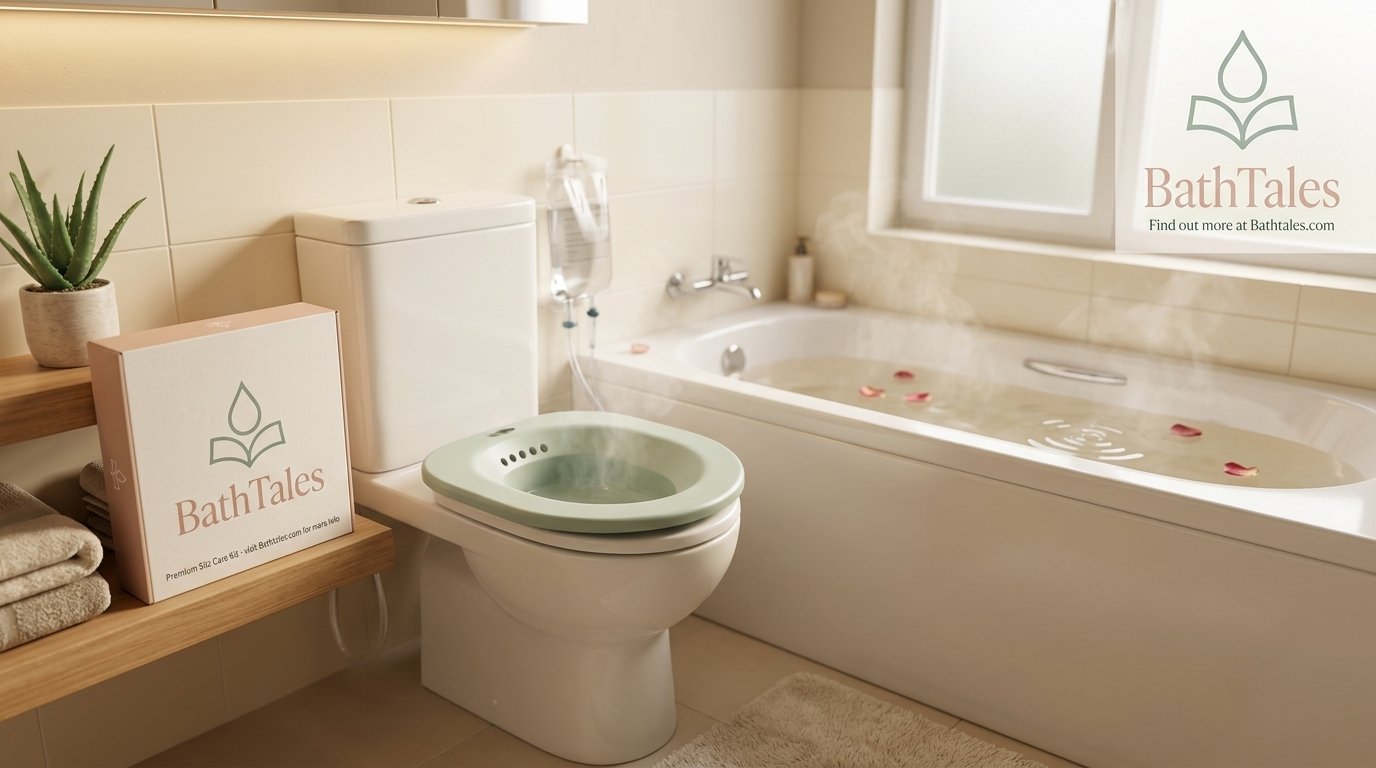
Portable Sitz Bath Basin
A simple, toilet-mounted basin is the easiest way to start sitz baths at home without changing your bathroom setup.
Check Price on AmazonWhat Is a Sitz Bath?
A sitz bath (from the German word “sitzen,” meaning “to sit”) is a shallow basin of warm water that you sit in so that only your hips, buttocks, and perineal area are submerged. Instead of filling an entire tub, you’re soaking a small, targeted zone of your body — typically 3 to 6 inches of water total.
Most people take a sitz bath using one of two setups. The first is a plastic basin designed to sit directly on top of your toilet seat, often called a “sitz bath kit.” These kits usually include a bag and tubing so you can slowly irrigate warm water over the area while you sit. The second option is simply filling your regular bathtub with just a few inches of warm water and sitting in it with your knees bent, letting the water surround your hips without covering your legs, chest, or torso.
Doctors, midwives, and pelvic health specialists commonly recommend sitz baths after childbirth, after certain surgeries (like hemorrhoidectomy), and for ongoing issues such as hemorrhoids, anal fissures, or general perineal irritation. The goal isn’t relaxation for its own sake — it’s increasing blood flow, reducing swelling, and gently cleansing a sensitive area that’s difficult to treat any other way.
What Is a Regular Bath?
A regular bath is what most people picture when they hear the word “bath”: a full tub filled deep enough to cover most of your body while you lie back. It’s used for hygiene, relaxation, sleep preparation, muscle recovery, and general self-care. Many people layer in bath salts for every type of soak, essential oils, or bath bombs to customize the experience.
Unlike a sitz bath, a regular bath doesn’t target one area — it’s meant to warm and soothe your entire body at once. That makes it well suited for things like tension headaches, sore muscles after exercise, dry skin, poor circulation, and simply winding down before bed. If you’ve ever compared a bath vs shower for stress relief, you already know a regular bath wins on the relaxation front simply because you’re fully immersed and stationary for longer.
Regular baths are also far more customizable in terms of temperature, additives, and duration, since you’re not limited by a small basin or a medical recommendation on how long to soak. If you are new to bathing altogether and want a foundational overview, our guide on how to take a bath covers the basics step by step, from filling the tub to post-bath skincare.
The History and Origins of the Sitz Bath
The sitz bath has a longer history than most people realize. Its roots trace back to 19th-century European hydrotherapy, when German and Austrian physicians began systematically prescribing shallow hip baths as a treatment for pelvic and abdominal ailments. The word “sitz” comes directly from the German verb sitzen — “to sit” — and early practitioners used simple wooden tubs or ceramic basins to deliver the therapy.
During the Victorian era, hydrotherapy was one of the most respected branches of alternative medicine. Sanatoriums across Germany, Switzerland, and Austria offered elaborate water-cure protocols that included full immersion baths, cold plunges, steam treatments, and sitz baths. Practitioners like Vincenz Priessnitz and Sebastian Kneipp popularized the idea that water at different temperatures could be used to stimulate circulation, relieve pain, and promote organ function — and the sitz bath was a staple of their prescriptions for conditions affecting the lower abdomen and pelvis.
In those early decades, sitz baths were prescribed for a surprisingly wide range of ailments: menstrual cramps, constipation, urinary difficulties, lower back pain, and even certain mood disorders. The theory was that warm water applied to the hips and lower abdomen would draw blood flow downward, relieve congestion in the pelvic organs, and promote what practitioners called “revulsive” effects — essentially using temperature changes to redirect circulation and ease inflammation in targeted areas.
As modern obstetrics and anorectal surgery developed in the early and mid-20th century, the sitz bath transitioned from a general wellness tool to a specifically medical one. Hospitals began recommending them routinely for postpartum perineal care and after hemorrhoid surgery. The simple plastic sitz bath basin that most people recognize today — designed to sit on a standard toilet seat — was developed during this period as a practical way to deliver the treatment at home without requiring a full bathtub or specialized equipment.
Today, the sitz bath occupies an interesting middle ground between medical treatment and self-care. While it’s still formally prescribed by doctors and midwives for postpartum recovery, hemorrhoid management, and post-surgical care, it has also become a popular home remedy that people turn to on their own for a range of pelvic and anal discomforts. The basic principle hasn’t changed in nearly two centuries: shallow, warm water applied to a specific area of the body to improve blood flow, reduce swelling, and ease pain.
Key Differences at a Glance
| Feature | Sitz Bath | Regular Bath |
|---|---|---|
| Primary purpose | Targeted healing (perineal/anal area) | Whole-body relaxation and hygiene |
| Water depth | 3–6 inches | Deep enough to cover most of the body |
| Body coverage | Hips, buttocks, perineum only | Entire body |
| Typical duration | 10–20 minutes | 15–40 minutes |
| Common equipment | Toilet-mounted basin or shallow tub water | Standard bathtub |
| Frequency recommended | 2–4 times daily during recovery | A few times per week, as desired |
| Common additions | Epsom salt, mild antiseptic, herbal infusions | Bath salts, bath bombs, oils, bubbles |
| Who typically uses it | Postpartum, hemorrhoid or fissure patients, post-surgical patients | General population for relaxation and self-care |
| Medical guidance needed | Often recommended by a doctor or midwife | Rarely medically prescribed |
How a Sitz Bath Works
The science behind a sitz bath is fairly simple: warm water increases blood flow to the area it touches, which helps relax muscles, reduce swelling, and speed up healing. When that warm water is concentrated on the perineal and anal region specifically, it can ease the discomfort of swollen tissue, stitches, or irritated skin far more effectively than a diluted, whole-body soak would.
There’s also a practical cleansing benefit. After childbirth or certain procedures, keeping the area clean without scrubbing or using soap directly on sensitive tissue is important, and a sitz bath allows gentle water contact without any friction. Many people alternate warm sitz baths with cool ones, since cold water can help reduce acute swelling while warm water encourages long-term healing and circulation.
Because the water level is shallow, a sitz bath also requires far less water and time to heat than filling an entire tub, which is part of why it’s recommended multiple times a day during recovery periods — it’s simply more practical to repeat.
From a physiological perspective, the warm water acts as a form of moist heat therapy. Moist heat penetrates tissue more efficiently than dry heat, which is why a warm, wet soak generally provides faster relief for deep muscle or tissue discomfort than a heating pad would. The buoyancy of the water also relieves pressure on the perineum and anal area, which can be especially comforting for people who find sitting on a hard surface painful during a hemorrhoid flare or postpartum recovery.
Another mechanism worth understanding is the effect on the anal sphincter. People with hemorrhoids or anal fissures often experience involuntary sphincter spasm, which intensifies pain and slows healing. Warm water naturally relaxes smooth muscle, which is why many people feel almost immediate relief from throbbing or spasm pain within the first few minutes of a sitz bath. This muscle-relaxant effect also makes bowel movements less painful if a sitz bath is taken shortly before or after one.
How a Regular Bath Works
A regular bath works on a broader physiological level. Full-body immersion in warm water raises your core temperature slightly, dilates blood vessels throughout your body, and triggers the kind of relaxation response that lowers stress hormones and eases muscle tension everywhere at once — not just in one localized area.
This is why a regular bath is often recommended before bed: the warm-up-then-cool-down effect as you exit the tub mimics your body’s natural temperature drop during sleep onset, which can make it easier to fall asleep. It’s also why regular baths are so effective after a hard workout — the water pressure and warmth help flush out some of the muscle stiffness that builds up after exertion, especially when paired with bath salts for muscle soreness.
Because you’re immersed for longer and the whole body absorbs heat, regular baths also tend to be more effective for skin conditions, dryness, and general skin hydration when the right additives are used, such as those found in bath salts for dry skin.
There is also a hydrostatic pressure effect at play during a full-body soak. The water surrounding your body exerts gentle, even pressure on your skin and superficial blood vessels, which can help reduce mild swelling in the extremities and promote venous return — the process of blood flowing back to the heart. This is part of why a long, warm bath can make your legs and feet feel lighter and less puffy after a day of standing or walking.
Additionally, the psychological dimension of a full-body bath should not be underestimated. The act of submerging yourself in warm water, closing your eyes, and being temporarily unreachable creates a form of sensory reduction that can be genuinely restorative. The bathroom becomes a private, enclosed environment where external stimuli are muted. This is one reason why a regular bath consistently ranks among the most effective at-home stress management tools in consumer wellness surveys — it combines physical warmth with a rare kind of enforced stillness.
Sitz Bath Benefits
Sitz baths offer a short but powerful list of benefits, almost all centered on healing and comfort in the pelvic region:
- Reduces hemorrhoid pain and swelling by relaxing the anal sphincter and improving local blood flow.
- Speeds postpartum perineal healing, especially after tearing or an episiotomy.
- Eases anal fissure discomfort by softening tissue and relaxing muscle spasm.
- Supports post-surgical recovery after procedures like hemorrhoidectomy or anal fistula surgery.
- Provides gentle hygiene for sensitive or stitched areas without scrubbing.
- Reduces itching and irritation around the anus, which can accompany several common conditions.
- Promotes wound cleansing without the friction of wiping, which is especially valuable in the days immediately following delivery or surgery.
- May reduce the need for pain medication during the first postpartum weeks when used consistently as directed by a provider.
Regular Bath Benefits
Regular baths offer a wider, more general set of benefits that touch nearly every part of the body:
- Whole-body muscle relaxation, particularly helpful after exercise or physically demanding days.
- Improved sleep onset thanks to the post-bath temperature drop.
- Stress and anxiety reduction from the combination of warmth, stillness, and quiet time.
- Skin hydration and softening, especially when using moisturizing additives.
- General hygiene and a deep sense of cleanliness that a quick shower doesn’t always provide.
- A flexible ritual you can customize endlessly with different organic bath salts, oils, and temperatures.
- Cardiovascular gentle exercise — warm water immersion has been shown to modestly improve vascular function over time in some studies.
- Joint relief for people with arthritis or general stiffness, as buoyancy reduces the load on joints while warmth relaxes surrounding muscles.
Bathing for Mental Health and Emotional Well-Being
While this article focuses primarily on the physical differences between sitz baths and regular baths, it’s worth pausing to acknowledge the mental health dimension of bathing — particularly full-body soaking — because it’s one of the most underappreciated benefits of a regular bath routine.
Warm water immersion has measurable effects on the nervous system. When your body is submerged in comfortably warm water, your parasympathetic nervous system — the branch responsible for rest, digestion, and recovery — becomes more active. Heart rate tends to decrease slightly, cortisol (the primary stress hormone) levels can drop, and many people experience a shift from the kind of wired, anxious mental state that comes with a busy day to a calmer, more reflective one.
A 2018 study published in Evidence-Based Complementary and Alternative Medicine found that participants who took regular warm baths reported significantly greater improvements in mood and general mental health compared to a control group that did not bathe regularly. While this type of study can’t prove causation in isolation, the findings align with what bathers have reported anecdotally for centuries: there is something about warm water immersion that genuinely shifts how you feel emotionally.
Part of this effect may be sensory. A warm bath simultaneously engages touch (the sensation of water on skin), sound (the muffled quiet of being partially submerged), and even smell if you use aromatic additives. This multisensory experience pulls your attention away from rumination and worry, creating a form of gentle mindfulness that doesn’t require any deliberate meditation practice. You’re simply in the bath, feeling the water, and that’s enough to interrupt the cycle of anxious thinking for many people.
If you’re looking to build a bathing ritual that specifically supports relaxation and emotional well-being, consider exploring our guide on how to make a bath more relaxing, which covers everything from lighting and sound to the best additives for calming the mind. The short version: dim lighting, warm (not hot) water, a slow pace, and at least fifteen minutes of uninterrupted time are the ingredients that matter most.
It’s also worth noting that the regularity of the ritual matters as much as the bath itself. People who bathe at the same time each day — typically in the evening — often report that the bath becomes a psychological signal that the day is over, that it’s time to shift from “doing” mode to “resting” mode. This kind of transition ritual is something psychologists recommend for people who struggle to disconnect from work or responsibilities at the end of the day, and a warm bath happens to be one of the most accessible and pleasant ways to establish one.
While a sitz bath isn’t typically associated with mental health benefits — it’s too brief and clinical in nature for most people to find it relaxing in a psychological sense — there is some comfort in the act of caring for your body during a vulnerable time, such as postpartum recovery. Knowing that you’re actively supporting your healing can reduce the anxiety that often accompanies physical discomfort, which is an indirect but real emotional benefit of following a sitz bath routine when one is prescribed.
Sitz Bath: Pros and Cons
Pros
- Targets healing exactly where it’s needed
- Uses very little water, so it’s fast and cheap to repeat
- Safe to do multiple times per day
- Doesn’t require submerging stitches or wounds elsewhere on the body
- Basins are inexpensive and portable
Cons
- Not relaxing in the same way as a full soak
- Basin setups can feel awkward or clinical
- Doesn’t help with muscle soreness elsewhere in the body
- Limited additive options compared to a full bath
Regular Bath: Pros and Cons
Pros
- Relaxes the entire body at once
- Endlessly customizable with salts, oils, and bombs
- Helps with sleep, stress, and full-body muscle tension
- Doubles as a self-care ritual, not just hygiene
Cons
- Uses significantly more water and time to fill
- Not ideal immediately after certain surgeries or childbirth
- Less targeted for localized pain like hemorrhoids
- Harder to repeat multiple times a day
Who Should Use a Sitz Bath
Sitz baths are most useful for people dealing with a specific, localized issue rather than general tiredness or stress. You’re a good candidate for regular sitz baths if you fall into one of these groups:
- New mothers recovering from vaginal delivery, especially with tearing or stitches
- Anyone diagnosed with internal or external hemorrhoids
- People experiencing anal fissures or chronic anal itching
- Patients recovering from anal or rectal surgery
- Anyone advised by a doctor or midwife to use one for post-procedure care
If none of these apply to you, a sitz bath isn’t harmful, but it also won’t offer much benefit beyond what a regular bath or shower already provides.
Who Should Use a Regular Bath
A regular bath is the right choice for almost everyone else — essentially anyone looking for relaxation, hygiene, or general wellness rather than treatment of a specific pelvic-area condition. This includes:
- Anyone wanting to unwind after a stressful day
- People with sore muscles from exercise or physical labor
- Those establishing a calming best bath routine before bed
- Anyone with dry or irritated skin looking for a soothing soak
- People who simply prefer baths over showers for daily hygiene, as discussed in our bath vs shower comparison
Sitz Baths During Pregnancy: A Comprehensive Guide
Pregnancy introduces a unique set of physical challenges where both sitz baths and regular baths can play a role, but the guidance for each is distinct. Understanding when and how to use each type of bath during pregnancy can make the nine months considerably more comfortable — but there are also some important cautions to keep in mind.
Why Sitz Baths Are Commonly Recommended During Pregnancy
Hemorrhoids are one of the most common complaints during pregnancy, particularly in the second and third trimesters. The growing uterus puts increasing pressure on the veins in the pelvic area and lower rectum, which can cause them to swell. Constipation — another frequent pregnancy complaint — often makes the problem worse. A sitz bath provides targeted relief by relaxing the anal sphincter, reducing swelling, and improving blood flow to the area, all without requiring the mother-to-be to get into and out of a full bathtub, which can become increasingly difficult as the belly grows.
Many obstetricians and midwives will suggest sitz baths as a first-line, non-pharmacological approach to hemorrhoid management during pregnancy, since many over-the-counter hemorrhoid creams and medications carry warnings about use during pregnancy. A warm sitz bath two to three times a day, particularly after bowel movements, can provide meaningful relief with essentially zero risk to the baby.
Regular Baths During Pregnancy: Benefits and Precautions
Regular baths are generally considered safe during pregnancy and can be tremendously helpful for the aches, pains, and swelling that come with carrying a growing baby. Warm water immersion can ease lower back pain, reduce swelling in the feet and ankles, relieve round ligament discomfort, and provide the kind of stress relief that benefits both mother and baby.
The main precaution is water temperature. Most healthcare providers recommend keeping bath water warm rather than hot — generally below 100°F (38°C) — especially during the first trimester. Prolonged exposure to very hot water (above 102°F) has been associated in some studies with an increased risk of neural tube defects in early pregnancy, and it can also cause dizziness or a drop in blood pressure at any stage. A good rule of thumb is that if the water makes you sweat or feel overheated, it’s too warm.
Which Bath to Choose During Each Trimester
During the first trimester, both types of baths can be used with standard temperature precautions. A regular bath can help with early pregnancy fatigue and nausea, while a sitz bath is useful if hemorrhoids develop early. During the second trimester, as the belly grows and more aches develop, regular baths become more valuable for whole-body relief. Sitz baths remain useful for any pelvic-area discomfort. In the third trimester, getting in and out of a full tub may become challenging or feel less safe due to balance changes. A sitz bath basin on the toilet is often easier to use at this stage, and many women find it helpful for late-pregnancy hemorrhoids, perineal soreness, and general pelvic pressure. If you do take a regular bath in the third trimester, having a non-slip mat and someone nearby is a good safety measure.
For detailed guidance on bath salt safety during pregnancy, our guide to bath salts safe for pregnancy covers which additives are considered safe and which should be avoided.
Sitz Bath for Men: Prostatitis, Post-Surgical Recovery, and More
While sitz baths are most often associated with postpartum care — which means they’re frequently discussed in the context of women’s health — men can benefit from sitz baths just as significantly. Several conditions that affect men specifically respond well to the targeted warmth and improved blood flow that a sitz bath provides.
Prostatitis
Prostatitis — inflammation of the prostate gland — affects men of all ages and can cause pelvic pain, urinary difficulties, and discomfort that ranges from mild to debilitating. For chronic prostatitis/chronic pelvic pain syndrome (CP/CPPS), which is the most common form, warm sitz baths are one of the most frequently recommended non-pharmacological treatments by urologists. The warm water helps relax the pelvic floor muscles, which are often tense and spastic in men with chronic prostatitis, and the improved blood flow to the area can reduce inflammation over time. Many urologists recommend 15 to 20 minute warm sitz baths once or twice daily as part of a broader management plan.
Post-Surgical Recovery
Men who undergo hemorrhoid surgery, anal fistula repair, or certain urological procedures are typically prescribed sitz baths during recovery for the same reasons women are after childbirth: the warm water keeps the surgical area clean, reduces swelling, promotes healing, and eases pain without requiring direct contact with the wound. After a hemorrhoidectomy, for instance, sitz baths are usually recommended within 24 hours of the procedure and continued multiple times daily for several weeks.
Anal Fissures and Hemorrhoids in Men
These conditions are just as common in men as in women, and the treatment approach is identical. A warm sitz bath after bowel movements and before bed can significantly reduce the pain of an acute anal fissure and help chronic fissures heal without surgery. For men who are reluctant to try a sitz bath because they perceive it as a “women’s treatment,” it’s worth understanding that the therapy has no gender-specific component — it’s simply warm water applied to a part of the body that benefits from it.
Cycling and Perineal Discomfort
Male cyclists and long-distance riders sometimes develop perineal numbness, soreness, or inflammation from prolonged pressure on the saddle. A sitz bath after a long ride can help restore blood flow to the compressed tissue and relieve discomfort that might otherwise linger for hours. Some cycling coaches and sports medicine practitioners recommend this as a standard post-ride recovery practice for serious cyclists.
Postpartum Recovery: Sitz Bath vs Regular Bath
Postpartum recovery is one of the clearest cases where a sitz bath outperforms a regular bath, at least in the first couple of weeks after delivery. After vaginal birth, the perineal area is often swollen, tender, and sometimes stitched. A sitz bath allows warm water to reach that area directly, reducing swelling and encouraging healing, without requiring a mother to sit in a full tub of water that may be harder to get in and out of while sore.
Many hospitals send new mothers home with a sitz bath kit for exactly this reason. It’s recommended to use it two to four times a day for the first one to two weeks, or as long as a healthcare provider suggests. Warm water (not hot) is generally preferred, and some providers recommend adding a small amount of salt to help with comfort and mild antiseptic effect.
Once the initial healing period has passed and any stitches have closed, many new mothers transition back to regular baths for relaxation and stress relief — something that matters a great deal during the demanding postpartum period. At that point, a gentle soak with bath salts safe for postpartum use can offer both physical and mental comfort, as long as any stitches or tears are fully healed and a doctor has cleared full-body bathing.
The First 72 Hours After Delivery
In the immediate postpartum period — the first two to three days — most healthcare providers recommend sitz baths exclusively rather than full-body soaks. The perineal area is at its most swollen and sensitive during this window, and any stitches are fresh. A sitz bath provides the warmth and gentle cleansing the area needs without the physical challenge of climbing in and out of a tub while recovering from labor. Some providers recommend cool sitz baths during this phase, as cold can be more effective at reducing acute swelling than warmth, particularly in the first 24 hours.
Weeks 2 Through 6
As healing progresses, many women begin alternating between sitz baths and regular baths. By this point, the perineal area is less fragile, and the psychological and physical benefits of a full-body soak become more appealing. A warm regular bath can help with the general muscle soreness that comes from holding and feeding a newborn, the back pain from nursing posture, and the sheer exhaustion of new motherhood. If you’re building a postpartum bathing routine, combining a morning sitz bath for continued perineal care with an evening regular bath for stress relief can be an effective approach.
Hemorrhoids and Anal Fissures: Which Bath Helps More
For hemorrhoids and anal fissures, a sitz bath is almost universally the more effective option. Both conditions involve inflamed or irritated tissue in the anal area that benefits from concentrated warmth and improved blood flow — exactly what a sitz bath provides. Sitting in a full tub can technically achieve something similar, but it takes far more water, more time to prepare, and typically isn’t practical to repeat several times a day, which is often necessary during a flare-up.
Many people find relief by alternating warm sitz baths with brief cool water rinses, since cold can help reduce acute swelling while warmth supports longer-term healing. Adding plain Epsom salt (without fragrance or dyes) is a commonly recommended addition, though it’s worth checking with a doctor before adding anything to a sitz bath if the area is freshly stitched or recently operated on.
If you don’t have a dedicated sitz bath basin, filling your regular tub with just a few inches of warm water and sitting with your knees drawn up achieves a very similar effect — the key factor is water depth and concentration on the area, not which container holds the water.
Understanding Hemorrhoid Stages and Bathing Strategy
Hemorrhoids are classified into four stages, and the bathing approach differs slightly for each. Stage I hemorrhoids are internal and don’t prolapse; warm sitz baths once or twice daily are usually sufficient for symptom management. Stage II hemorrhoids prolapse during bowel movements but retract on their own; more frequent sitz baths — three to four times daily, especially after bowel movements — are typically recommended. Stage III hemorrhoids prolapse and must be manually pushed back in, and sitz baths are often recommended both for comfort and as preparation before manual reduction. Stage IV hemorrhoids are permanently prolapsed and may require surgical intervention; sitz baths remain useful for pre- and post-surgical care. In all stages, the sitz bath’s primary value is in reducing sphincter spasm, improving local circulation, and keeping the area clean without irritation.
Sitz Bath for Urinary Tract Infections (UTIs)
Urinary tract infections are not the first condition people associate with sitz baths, but there is a long-standing tradition — and some clinical basis — for using warm sitz baths as a complementary comfort measure during a UTI. It’s important to understand at the outset that a sitz bath does not treat the underlying bacterial infection; antibiotics prescribed by a doctor are the standard treatment for UTIs. However, a sitz bath can meaningfully ease the discomfort that accompanies an infection while you wait for antibiotics to take effect.
The burning, urgency, and general pelvic discomfort of a UTI can be partially relieved by warm water immersion in the perineal area. The warmth relaxes the muscles of the pelvic floor and the external urethral sphincter, which can reduce the painful spasming sensation that many people experience during urination when they have a UTI. It can also reduce the raw, irritated feeling around the urethral opening that sometimes accompanies frequent urination.
For women in particular — who are far more likely than men to experience UTIs — a sitz bath can be a useful comfort measure during the 24 to 48 hours it may take for antibiotics to significantly reduce symptoms. A 15-minute warm sitz bath in the evening, when UTI symptoms often feel worse due to reduced fluid intake and increased concentration of urine, can provide enough relief to make sleeping easier.
A few practical notes: keep the water clean and warm (not hot), avoid adding any fragranced products that could further irritate the urethral area, and pat dry gently afterward. A sitz bath should never replace medical treatment for a UTI, as untreated urinary tract infections can escalate to kidney infections, which are a more serious health concern.
Sitz Bath for Yeast Infections and Vaginal Health
Yeast infections (vulvovaginal candidiasis) cause itching, burning, and discharge that can make daily life genuinely uncomfortable. Like UTIs, yeast infections require proper medical treatment — antifungal medication — to resolve the underlying cause. However, a sitz bath can serve as a supportive comfort measure that eases external symptoms while the antifungal treatment works.
A warm sitz bath can help relieve the external itching and burning that accompany a yeast infection by soothing inflamed vulvar and perineal skin. Some healthcare providers recommend adding a small amount of baking soda (sodium bicarbonate) to the sitz bath water — typically one to two tablespoons — which can help normalize the pH of the skin’s surface and may reduce the intensity of itching. This is a commonly suggested home remedy, though the evidence supporting it is primarily anecdotal rather than drawn from rigorous clinical trials.
What to Avoid
It’s critical to avoid adding anything to a sitz bath during a yeast infection that could disrupt the vaginal microbiome further. This means no fragranced bath products, no essential oils (even those marketed as “antifungal” — tea tree oil, for instance, can irritate already-inflamed mucous membranes), and no vinegar rinses unless specifically directed by a healthcare provider. Plain warm water, optionally with a small amount of baking soda, is the safest approach.
For general vaginal health, a sitz bath with plain warm water can be a useful hygiene practice after menstruation, after sexual activity, or any time the vulvar area feels irritated. It’s gentler than scrubbing with soap and doesn’t disrupt the natural bacterial balance of the vaginal area the way some commercial intimate washes can. That said, the vagina is largely self-cleaning, and most gynecologists advise against inserting anything into the vaginal canal during a sitz bath — the goal is to soothe the external tissue only.
Sitz Bath for Bartholin’s Cysts and Other Gynecological Conditions
Bartholin’s cysts form when the Bartholin’s glands — two small glands located on either side of the vaginal opening that secrete fluid for lubrication — become blocked. The resulting cyst can range from a small, painless lump to a large, painful swelling that makes sitting, walking, and sexual activity uncomfortable. If the cyst becomes infected, it can develop into a Bartholin’s abscess, which is significantly more painful and may require incision and drainage.
Warm sitz baths are one of the most commonly recommended first-line treatments for Bartholin’s cysts, particularly small to moderate ones. The warm water increases blood flow to the area, which can help the cyst drain on its own — and in many cases, regular sitz baths (three to four times daily for 10 to 15 minutes) are enough to resolve the cyst without any additional medical intervention. If the cyst does require surgical drainage or the placement of a Word catheter (a small device that keeps the cyst open while it heals), sitz baths are typically prescribed during the recovery period to keep the area clean and promote healing.
Other Gynecological Uses
Beyond Bartholin’s cysts, sitz baths may be recommended for vulvar vestibulitis (a condition characterized by pain at the vaginal opening), episiotomy recovery (beyond the general postpartum context), and general vulvar irritation caused by contact dermatitis, tight clothing, or prolonged sitting. In each case, the mechanism is the same: warm water improves blood flow, relaxes muscles, and provides gentle, non-irritating cleansing to an area that’s difficult to care for in other ways.
Equipment You’ll Need for Each
| Item | Sitz Bath | Regular Bath |
|---|---|---|
| Basin or tub | Toilet-mounted basin (optional) or shallow tub water | Standard bathtub |
| Water source | Warm tap water, small amount | Warm tap water, full tub |
| Additives | Plain Epsom salt, mild antiseptic (as advised) | Bath salts, bath bombs, oils, bubble bath |
| Towels | Small towel for patting dry | Full-size bath towel or robe |
| Timer | Helpful for consistent 10–20 minute soaks | Optional, for longer relaxation sessions |
| Extras | Irrigation bag (for hospital-style kits) | Bath tray, candles, music, bath pillow |
Choosing the Right Sitz Bath Basin: A Complete Buying Guide
If you’ve decided to use a sitz bath regularly — whether for postpartum recovery, hemorrhoid management, or another condition — choosing the right basin makes the experience more comfortable and effective. Not all sitz bath basins are created equal, and the differences between models matter more than you might expect when you’re using one several times a day for weeks at a time.
Types of Sitz Bath Basins
The most common type is a toilet-mounted basin, which is a contoured plastic bowl designed to sit on top of a standard toilet seat. You fill it with warm water, sit down, and soak. These are popular because they’re easy to set up, require no bending or climbing, and the toilet naturally catches any overflow. Most come with a small drainage tube or overflow valve that lets excess water flow into the toilet bowl, so you don’t have to worry about spills on the bathroom floor.
A second option is an inflatable sitz bath, which looks like a small inflatable ring or cushion designed for the same purpose. These are more portable and can be a good choice for travel, but they’re generally less stable than rigid plastic basins and can be harder to keep clean due to the textured surface of the inflatable material.
A third option is a hospital-style sitz bath kit, which includes a basin plus an irrigation bag and tubing. The bag hangs above the toilet (usually on a hook or the tank) and allows a slow, continuous flow of warm water over the perineal area while you sit. This setup is particularly useful after surgery or childbirth, when the continuous water flow helps keep the area cleaner than a static soak.
What to Look For
- Fit: Make sure the basin is compatible with your toilet shape. Most basins are designed for standard elongated or round toilet seats, but some fit one shape better than the other. Check the product dimensions against your toilet before buying.
- Comfort: Look for a basin with a contoured or padded seat rim. You’ll be sitting on it for 10 to 20 minutes at a time, multiple times a day, and a hard, sharp-edged rim gets uncomfortable quickly.
- Overflow protection: A basin with a built-in overflow drain or tube is much more practical than one without. Without overflow protection, you have to be very precise about water level, and moving even slightly can cause spills.
- Material: Medical-grade plastic (usually polypropylene) is the standard. It’s lightweight, easy to clean, and doesn’t react with Epsom salt or other common additives. Avoid basins made of materials that are hard to sanitize or that develop a persistent odor after repeated use.
- Portability: If you travel frequently or want the option to take your sitz bath setup to different bathrooms, look for a lightweight, compact model. Some basins fold or collapse for storage.
- Accessories: Some kits include a spray bottle, irrigation bag, or herbal sachets. The spray bottle can be useful for gentle post-soak rinsing, while the irrigation bag enables the continuous-flow method. Herbal sachets are a nice addition but not essential — you can always add your own Epsom salt or herbal infusions.
How Much to Spend
A basic toilet-mounted sitz bath basin typically costs between a modest and moderate price range, and for most people, a simple model is perfectly adequate. Hospital-style kits with irrigation bags tend to cost a bit more. Inflatable models are usually the least expensive option but may need to be replaced sooner. Unless you have specific needs — like frequent travel or a particularly unusual toilet shape — a standard rigid plastic basin with overflow protection is the best all-around choice.
How to Take a Sitz Bath Safely
Whether you’re using a dedicated basin or your regular tub, the basic routine for a sitz bath stays the same:
- Clean the basin or tub thoroughly before filling it, especially if you’re recovering from surgery or childbirth.
- Fill with warm (not hot) water — around 3 to 6 inches is enough to fully cover the hips and buttocks while seated.
- Add anything recommended by your provider, such as plain Epsom salt, in small amounts.
- Sit for 10 to 20 minutes, keeping the water level consistent and topping up with warm water if it cools.
- Pat the area dry gently with a clean towel afterward — avoid rubbing.
- Repeat 2 to 4 times daily during active recovery, or as directed by your doctor or midwife.
If you notice increasing pain, unusual discharge, fever, or signs of infection at any point, stop the sitz bath routine and contact your healthcare provider promptly.
Warm vs Cool Sitz Baths: Understanding Temperature Contrast Therapy
One of the most common questions people have about sitz baths is whether to use warm or cool water — and the answer depends on what you’re treating and how far along you are in recovery. Both temperatures have legitimate therapeutic uses, and in some cases, alternating between warm and cool provides the best results.
When to Use Warm Water
Warm sitz baths (92–100°F / 33–38°C) are the default recommendation for most conditions. Warm water dilates blood vessels, which increases blood flow to the area. This is beneficial for chronic conditions like hemorrhoids, fissures, and general perineal discomfort because improved circulation promotes tissue healing, relaxes the anal sphincter, and eases muscle spasm. Warm water is also preferred for the cleansing function of a sitz bath, as it’s more effective at gently loosening any residue or discharge without friction.
For postpartum recovery, warm sitz baths are typically recommended starting from the second or third day after delivery, once the initial acute swelling has begun to subdivide. The warmth encourages ongoing healing and provides soothing comfort during what can be a painful recovery period.
When to Use Cool Water
Cool sitz baths (60–75°F / 15–24°C) are used specifically for acute swelling and inflammation. Cold causes vasoconstriction — the narrowing of blood vessels — which reduces blood flow to the area and can significantly decrease swelling in the first 24 to 48 hours after an injury, childbirth, or a sudden hemorrhoid flare-up. A cool sitz bath for 5 to 10 minutes can be particularly effective at reducing the throbbing, hot sensation that accompanies acute perineal swelling.
Cool sitz baths are also recommended for people who experience significant itching, as cold temporarily numbs nerve endings and reduces the itch signal. If you’re dealing with chronic anal itching (pruritus ani), a brief cool sitz bath can provide relief that lasts longer than you might expect — often several hours.
Alternating Warm and Cool
Some practitioners recommend a contrast therapy approach: starting with a warm sitz bath for 10 to 15 minutes, then finishing with a brief cool rinse or a 3 to 5 minute cool soak. The theory behind this is that alternating vasodilation and vasoconstriction acts as a “pump” for the circulatory system, flushing out inflammatory byproducts and bringing in fresh, oxygenated blood. This approach is borrowed from sports medicine, where contrast water therapy (alternating warm and cold immersion) is commonly used for muscle recovery.
If you want to try contrast therapy for sitz baths, start and end with warm water. The sequence would be: warm (10–15 minutes) → cool (3–5 minutes) → warm (2–3 minutes). This ensures the session ends on a relaxing, blood-flow-promoting note rather than on the vasoconstrictive cold.
Herbal and DIY Sitz Bath Recipes
While plain warm water and Epsom salt are the most commonly recommended sitz bath additives, there is a long tradition of adding herbal infusions to sitz baths — and for good reason. Certain herbs have properties that can complement the basic warm-water soak, adding anti-inflammatory, antimicrobial, or soothing effects. If you’re interested in making your own herbal sitz bath, here are some of the most popular and well-regarded options.
Chamomile and Lavender Sitz Bath
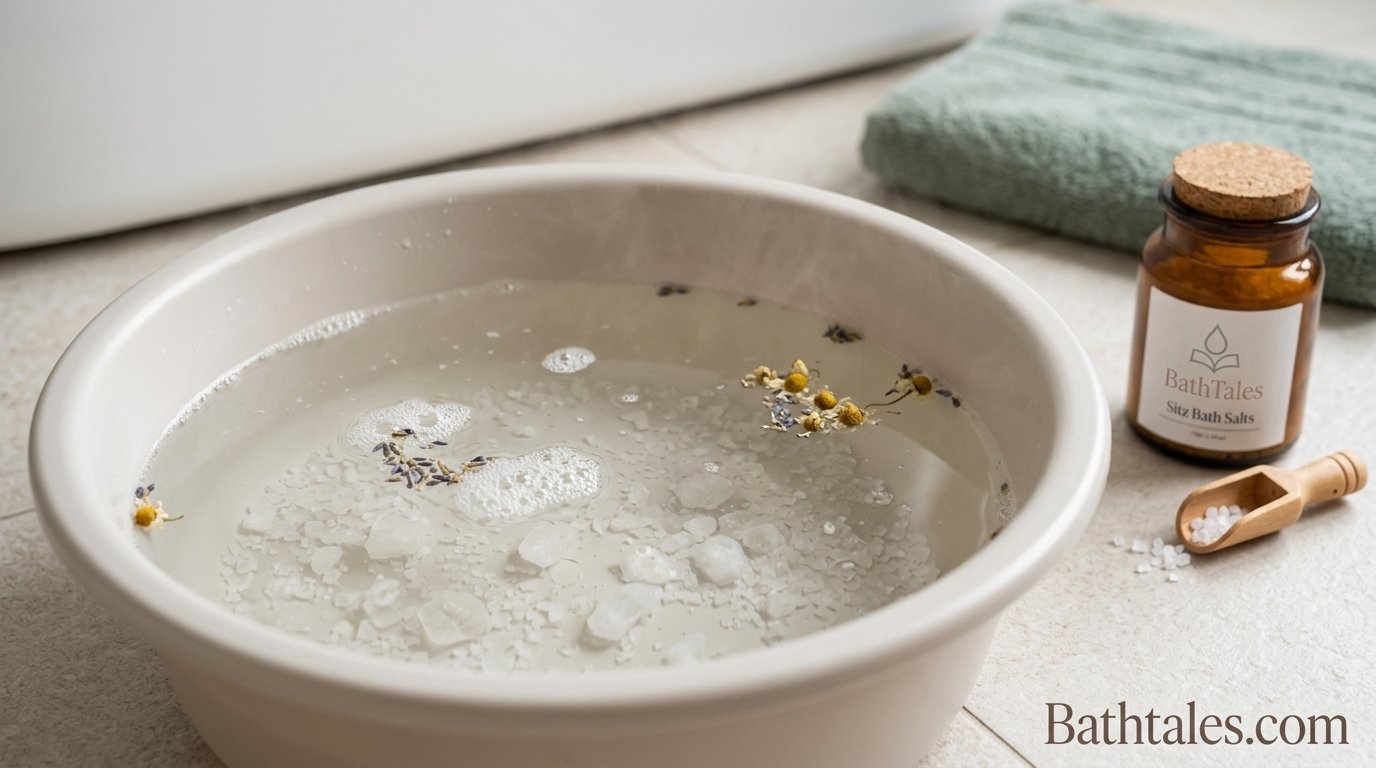
Chamomile is one of the gentlest herbs available and has well-documented anti-inflammatory and calming properties. Lavender complements it with mild antiseptic action and a soothing scent. To make this infusion, steep three to four tablespoons of dried chamomile flowers and two tablespoons of dried lavender buds in four cups of boiling water for 15 to 20 minutes. Strain thoroughly through cheesecloth or a fine mesh strainer (you don’t want herb particles sitting in the bath), then add the liquid to your sitz bath basin filled with warm water. This blend is particularly good for postpartum sitz baths and general perineal irritation.
Witch Hazel Sitz Bath
Witch hazel is a natural astringent that has been used for centuries to reduce swelling and soothe irritated skin. It’s particularly popular for hemorrhoid relief. Add two to three tablespoons of pure, alcohol-free witch hazel extract to your sitz bath water. Make sure you’re using a product that doesn’t contain added alcohol or fragrance, as these can sting and irritate sensitive tissue. Some people also soak a cotton pad in witch hazel and apply it directly to the affected area after a sitz bath for additional relief.
Calendula Sitz Bath
Calendula (marigold) is prized in herbal medicine for its wound-healing and anti-inflammatory properties. It’s especially popular for sitz baths after childbirth or surgery because it may promote tissue repair. Steep three tablespoons of dried calendula petals in four cups of boiling water for 15 minutes, strain, and add to your sitz bath. Calendula is gentle enough for daily use and is one of the herbs most frequently recommended by midwives for postpartum care.
Salt and Baking Soda Combination
A simple but effective sitz bath recipe combines one to two cups of Epsom salt with two to three tablespoons of baking soda. The Epsom salt provides magnesium, which may help relax muscles, while the baking soda helps normalize pH and can be soothing for irritated or itchy skin. This is a good all-purpose recipe that works for hemorrhoids, postpartum care, and general perineal discomfort.
Important Safety Notes
Always strain herbal infusions thoroughly before adding them to your sitz bath — loose herb particles can adhere to sensitive skin and potentially cause irritation or introduce bacteria to healing tissue. If you have any allergies to the plants mentioned, skip that ingredient. And if you’re recovering from surgery or childbirth, check with your healthcare provider before adding anything beyond plain water and Epsom salt to your sitz bath. For a broader guide to blending bath additives at home, see our tutorial on the best essential oils for bath salts, which covers safe usage rates and which oils to avoid on sensitive skin.
Making a Regular Bath More Therapeutic
If your goal is relaxation rather than healing, a few small adjustments can make a regular bath noticeably more effective. Start by choosing the right additive for your goal — for muscle recovery, look at bath salts for muscle soreness, and for winding down before bed, something from our guide to bath salts for relaxation and sleep works well.
Dim the lighting, keep your phone out of reach, and give yourself at least 15 to 20 minutes of uninterrupted soaking time. Many people also find it helpful to follow a consistent sequence — see our full best bath routine guide for a step-by-step approach that covers everything from water temperature to post-bath skincare.
If you’re short on time or your bathroom setup makes long soaks difficult, it’s worth reading our comparison of bath vs shower to decide which fits your schedule and goals better on a given day.
Creating a Spa-Like Environment at Home
You don’t need a luxury bathroom to create a genuinely restorative bathing environment. A few inexpensive additions can transform a standard bathtub into something that feels much more intentional. A non-slip bath pillow supports your neck and head so you can actually relax rather than propping yourself against the hard tub rim. A small tray that spans the tub can hold a book, a glass of water, or a candle. Battery-operated LED candles provide ambient light without the fire risk of real candles near water. And a Bluetooth speaker placed on the bathroom counter — not on the tub edge — can deliver music, a podcast, or nature sounds that set the mood.
For more detailed suggestions on making your bathing space as comfortable as possible, our guide on how to make a bath comfortable covers specific product recommendations and setup ideas that work in bathrooms of any size.

Relaxation Bath Salt Blend
A calming lavender and Epsom salt blend designed for full-body soaks and better sleep.
Check Price on AmazonTemperature and Duration Guide
| Bath Type | Recommended Temperature | Recommended Duration |
|---|---|---|
| Sitz bath (postpartum/hemorrhoids) | Warm, around 92–100°F | 10–20 minutes, 2–4 times daily |
| Sitz bath (acute swelling) | Cool water, brief use | 5–10 minutes as needed |
| Regular bath (relaxation) | Warm, around 92–102°F | 15–30 minutes |
| Regular bath (muscle recovery) | Warm to hot, around 100–104°F | 15–20 minutes |
As a general rule, water that feels comfortably warm on your wrist or elbow — not hot enough to redden skin quickly — is the safest range for either type of bath, especially during pregnancy, postpartum recovery, or any time skin is healing.
For a deeper dive into optimal soak times — particularly for regular baths with bath salt additives — our guide on how long to soak in bath salts breaks down the ideal duration for different goals, from relaxation to skin hydration to muscle recovery. The general takeaway is that longer isn’t always better; most people get the most benefit from a 15 to 25 minute soak, after which the skin can start to lose moisture rather than gain it.
The Science of Magnesium Absorption Through the Skin
One of the most commonly repeated claims about Epsom salt baths — whether sitz baths or regular baths — is that the magnesium in Epsom salt (magnesium sulfate) is absorbed through the skin, which then provides systemic benefits like reduced muscle cramps, better sleep, and lower stress. It’s a compelling idea, and it’s one of the main reasons people add Epsom salt to their baths. But how strong is the evidence?
The honest answer is that the science is still catching up to the tradition. A 2017 pilot study published in PLOS ONE found evidence of increased magnesium levels in blood and urine after regular Epsom salt baths, suggesting that transdermal absorption does occur. However, the study was small and hasn’t been widely replicated in large-scale trials. A review published in Nutrients noted that while there is plausible biological mechanism for magnesium absorption through the skin — magnesium ions are small enough to pass through the epidermis — the efficiency of this absorption and its clinical significance remain under investigation.
What we do know is that many people report subjective improvements in muscle soreness, sleep quality, and general well-being when using Epsom salt baths regularly, whether or not the magnesium is being systemically absorbed. It’s possible that some of these benefits come from the warmth of the bath itself rather than the magnesium specifically, or that the ritual of taking a salt bath creates a relaxation response that produces the reported effects.
For sitz baths specifically, the magnesium question is less relevant. Sitz baths are typically used for localized healing rather than systemic mineral supplementation, and the small water volume and short soak time make meaningful transdermal magnesium delivery less likely than in a full-body bath. In a sitz bath, the Epsom salt is primarily useful for its mild osmotic effect — drawing excess fluid out of swollen tissue — and its general soothing properties, rather than for any significant magnesium absorption.
If your primary goal is to increase your body’s magnesium levels through bathing, a full-body regular bath with a generous amount of Epsom salt and a longer soak time (20 to 30 minutes) is more likely to be effective than a sitz bath. For a comparison of different mineral salt types and their specific benefits, see our guides on Dead Sea salt vs Epsom salt and magnesium flakes vs Epsom salt, which explore the mineral profiles of each option in detail.
Adding Bath Salts: Sitz Bath vs Regular Bath
Bath salts can be used in both types of baths, but the approach is different. In a sitz bath, simplicity matters most — plain, unscented Epsom salt is typically the safest choice, since fragranced or heavily processed salts can irritate sensitive, healing tissue. If you’re unsure how much to use, our guide on how much bath salt to use covers safe measurements for sensitive applications.
In a regular bath, you have far more freedom. You can explore options built for specific goals, such as detox bath salts, Himalayan pink bath salt, or blends made for cold and flu relief. If you’re new to bath salts entirely, it’s worth reading our comparison of Dead Sea salt vs Epsom salt or magnesium flakes vs Epsom salt to understand which mineral profile suits your needs. And if you’d rather make your own blend at home, our step-by-step guide to making bath salts at home walks through the process.
One more practical note: bath salts don’t last forever. If you’ve had a bag sitting in your cabinet for a while, check our guide on whether bath salts expire before adding them to either type of bath.
Bath Bombs vs Bath Salts for Regular Baths
For regular baths, you also have the option of bath bombs, which are a popular alternative to bath salts. Bath bombs combine citric acid and baking soda to create a fizzing reaction in water, and they typically include fragrance, color, and sometimes moisturizing oils. While bath bombs are fun and visually appealing, bath salts generally offer more targeted therapeutic benefits because they contain actual minerals — magnesium, potassium, calcium, and others depending on the source — that dissolve directly into the water. Bath bombs, by contrast, are primarily about the sensory experience. If you’re choosing between the two for a specific goal like muscle recovery or skin hydration, bath salts are usually the more effective choice. For a detailed comparison, see our article on bath bombs vs bath salts.
Hydrotherapy and Water-Based Healing: The Bigger Picture
Both sitz baths and regular baths are forms of hydrotherapy — the use of water for therapeutic purposes. Understanding the broader context of hydrotherapy can help you make more informed decisions about how to use each type of bath and appreciate why water-based treatments have remained a cornerstone of healing practices across cultures for thousands of years.
A Brief Overview of Hydrotherapy
Hydrotherapy encompasses any therapeutic use of water — hot, cold, or somewhere in between — applied externally to the body. This includes everything from ice packs and cold plunges to hot tubs, steam rooms, saunas, and of course, baths. The therapeutic effects come from three main properties of water: temperature (which affects blood vessel dilation and constriction), buoyancy (which reduces the load on joints and muscles), and hydrostatic pressure (the even pressure water exerts on submerged body parts, which can reduce swelling and promote circulation).
Different forms of hydrotherapy emphasize different properties. A sitz bath relies primarily on temperature and localized contact. A regular bath leverages all three: temperature for muscle relaxation and stress relief, buoyancy for joint relief, and hydrostatic pressure for circulation support. Understanding this framework helps explain why a regular bath feels so fundamentally different from a sitz bath, even though both involve sitting in warm water — the full-body immersion engages your entire circulatory and musculoskeletal system in ways that a shallow, targeted soak does not.
Infrared Baths and Other Modern Variations
In recent years, infrared baths have emerged as a variation on traditional warm-water soaking. Infrared light heats the body directly rather than heating the water, which proponents claim allows for deeper tissue penetration at lower air temperatures. While infrared therapy has some supporting evidence for pain relief and circulation, an infrared bath experience is quite different from a traditional water bath. If you’re curious about how these compare to a standard warm soak, our article on infrared bath vs regular bath explores the differences in detail.
Milk Baths and Other Luxurious Additions
At the other end of the spectrum, milk baths — using cow’s milk, coconut milk, or goat’s milk as a bath additive — represent the cosmetic and indulgent end of water therapy. The lactic acid in milk acts as a gentle exfoliant, and the fat content moisturizes the skin. While milk baths don’t offer the same kind of targeted healing that sitz baths do, they can be a wonderful addition to a regular bath for people with dry or sensitive skin. For more on this, see our comparison of milk bath vs regular bath.
How Sitz Baths and Regular Baths Fit into a Hydrotherapy Practice
For people who are interested in building a broader hydrotherapy practice — using different types of water treatments at different temperatures and for different purposes — sitz baths and regular baths are complementary tools rather than competing ones. A typical daily hydrotherapy routine might include a brief cool sitz bath in the morning for perineal health (if applicable), followed by a warm regular bath in the evening for stress relief and muscle recovery. The key is intentionality: using each form of water therapy for the specific purpose it’s best suited for, rather than expecting one type to do everything.
Sitz Bath vs Bidet and Other Modern Alternatives
As bidets have become more popular in Western countries — driven by both hygiene awareness and environmental concerns — some people wonder whether a bidet can replace a sitz bath. The short answer is no, but they serve overlapping purposes in some situations.
What a Bidet Does
A bidet provides a targeted stream of water for cleaning the anal and genital area after using the toilet. Modern bidets range from standalone fixtures to toilet seat attachments to handheld sprayers. Their primary purpose is hygiene — replacing or supplementing toilet paper with water for a more thorough clean. Some bidets also offer warm water options and adjustable pressure settings.
Why a Bidet Can’t Replace a Sitz Bath
While a bidet does deliver water to the perineal area, the therapeutic mechanism is fundamentally different from a sitz bath. A bidet provides a brief, directed spray — typically lasting a few seconds — while a sitz bath provides a prolonged, continuous soak of 10 to 20 minutes. The extended contact time is what makes a sitz bath therapeutically effective: it’s the sustained warmth, not the water contact itself, that relaxes muscles, increases blood flow, and reduces swelling. A bidet spray, no matter how warm, simply doesn’t provide enough duration or coverage to replicate these effects.
Where They Complement Each Other
That said, bidets and sitz baths work well together. Using a bidet for gentle cleaning after bowel movements — instead of toilet paper, which can irritate hemorrhoids, fissures, or healing tissue — reduces the friction and chemical irritation that can make these conditions worse. Following a bidet clean with a sitz bath 30 minutes later provides both hygiene and therapeutic warmth. For people recovering from hemorrhoid surgery, many colorectal surgeons recommend using a bidet for daily cleaning and a sitz bath two to three times daily for healing — the two tools serve different aspects of the same recovery process.
Portable Peri Bottles
Another modern alternative worth mentioning is the peri bottle — a small squeeze bottle with a curved nozzle that directs a gentle stream of warm water over the perineal area. Hospitals often provide these to postpartum mothers as a complement to sitz baths. The peri bottle is especially useful for rinsing the area after using the toilet, when a full sitz bath isn’t practical. It’s not a replacement for a sitz bath, but it fills a gap between baths and can significantly improve comfort during the early postpartum period.
Safety Precautions and When to Avoid Each
Both sitz baths and regular baths are generally very safe, but there are situations where caution — or avoiding one altogether — makes sense.
When to Be Careful with a Sitz Bath
- Avoid adding fragranced salts, oils, or bubble products to a sitz bath if you have open stitches or a fresh wound
- Never use water that’s uncomfortably hot, especially postpartum or post-surgery
- Stop and consult a doctor if you notice increased redness, swelling, discharge, or fever
- Clean the basin thoroughly between uses to avoid introducing bacteria to a healing area
When to Be Careful with a Regular Bath
- Avoid very hot water in early pregnancy or if you have certain cardiovascular conditions
- Be cautious with bath products if you have sensitive or eczema-prone skin — see our guide on bath salts for eczema for safer options
- Avoid soaking with open wounds, active skin infections, or immediately after certain surgeries unless cleared by a doctor
- Limit soak time if you feel lightheaded, since prolonged heat exposure can lower blood pressure
Sitz Baths for the Elderly and Those with Limited Mobility
Older adults and people with limited mobility face unique considerations when it comes to both sitz baths and regular baths. The therapeutic benefits of bathing don’t diminish with age — in fact, they often become more valuable as aches, circulation issues, and skin dryness increase — but the practical challenges of bathing safely do increase significantly.
Sitz Baths for Older Adults
For elderly individuals dealing with hemorrhoids, constipation-related discomfort, or post-surgical recovery in the pelvic area, a sitz bath can be an excellent treatment option. The toilet-mounted basin design is particularly well-suited for this population because it doesn’t require getting down into or up out of a bathtub — you simply sit on the toilet as you normally would, but with the basin in place. The low water volume also means there’s very little risk of the kind of deep-water accident that makes full baths a concern for some older adults.
However, getting on and off the toilet itself can be challenging for people with significant mobility limitations, arthritis in the knees or hips, or balance issues. In these cases, a caregiver’s assistance may be needed to ensure the person can sit down and stand up safely while the basin is in place. Some sitz bath basins come with handles or grip-friendly edges that make this easier.
Regular Baths for Older Adults
Regular baths offer significant benefits for elderly individuals — warm water immersion can ease arthritis pain, improve circulation in the extremities, and provide a kind of gentle, low-impact exercise for stiff joints. However, getting in and out of a bathtub is one of the most common causes of bathroom-related falls in older adults. Non-slip mats, grab bars, bath transfer benches, and handheld shower heads can all make regular bathing safer for this population. For those with sensitive skin — which becomes more common with age — our guide to bath salts for sensitive skin covers gentle, fragrance-free options that are less likely to cause irritation on thinner, more delicate skin.
Temperature Sensitivity
Older adults may have reduced temperature sensation, particularly in the lower extremities. This means they might not feel when bath water is uncomfortably hot, which increases the risk of burns. Using a bath thermometer — rather than relying on the “elbow test” alone — is a simple precaution that makes bathing safer. For sitz baths, testing the water temperature with a thermometer before sitting is equally important, especially since the skin in the perineal and anal area can be particularly sensitive to heat damage.
How Athletes Can Use Both Bath Types for Recovery
Athletes and physically active individuals have a strong interest in both types of baths, but for very different reasons. Understanding when to reach for a sitz bath versus a regular bath — and how to use each one optimally — can meaningfully impact recovery and performance.
Regular Baths for Athletic Recovery
The primary tool for most athletes is the regular bath, and specifically, contrast bathing or warm-water immersion after training and competition. A warm bath (100–104°F) for 15 to 20 minutes after a hard workout helps relax muscles, reduce delayed-onset muscle soreness (DOMS), and promote parasympathetic nervous system activation — the “rest and digest” state that supports recovery. Adding Epsom salt or a purpose-blended bath salt for athletes can enhance the experience, though the direct effect of the magnesium on muscle recovery is, as discussed earlier, still being studied.
Some athletes prefer a contrast bathing approach: alternating 3 to 4 minutes of warm water with 1 minute of cold water, repeated three to four times. This method is thought to create a “pumping” action in the blood vessels that helps flush metabolic waste products from muscles and brings in fresh, oxygenated blood. The cold phases also help reduce inflammation, while the warm phases prevent the muscles from stiffening up.
Sitz Baths for Athletes
Sitz baths have a narrower but important role for athletes. Cyclists, as mentioned earlier, can benefit from sitz baths after long rides to relieve perineal pressure and restore blood flow. Runners who develop hemorrhoids — a surprisingly common issue, particularly in long-distance runners, due to the repetitive impact and intra-abdominal pressure — can use sitz baths for symptom management in the same way the general population does. And athletes recovering from any pelvic-area surgery, including hernia repair, will likely be prescribed sitz baths as part of their post-operative care.
For athletes, the key insight is that a sitz bath is a medical tool, not a recovery tool — it addresses specific issues in the pelvic and perineal area, while a regular bath addresses whole-body recovery. Using each one for its intended purpose prevents wasted time and ensures you’re getting the right kind of treatment for your needs.
Complementary Treatments to Pair with Sitz Baths
A sitz bath is most effective when it’s part of a broader treatment strategy rather than a standalone solution. Depending on the condition being treated, several complementary approaches can enhance the healing and comfort that a sitz bath provides.
For Hemorrhoids
Beyond sitz baths, hemorrhoid management typically includes dietary changes (increasing fiber and fluid intake to prevent constipation and straining), topical treatments (creams or suppositories containing hydrocortisone or witch hazel), and behavioral changes (avoiding prolonged sitting on the toilet, not straining during bowel movements). The sitz bath addresses the pain and swelling, while these other measures address the underlying causes and prevent recurrence.
For Postpartum Recovery
New mothers benefit from combining sitz baths with perineal cold packs (used in the first 24 to 48 hours to reduce acute swelling), peri bottle rinsing after toilet use, and pelvic floor exercises once cleared by a provider. The sitz bath provides warmth and cleansing; the cold packs reduce swelling; the peri bottle maintains hygiene between baths; and the pelvic floor exercises rebuild strength over time.
For Anal Fissures
Sitz baths for anal fissures work best when combined with stool softeners or fiber supplements to reduce straining, topical nitroglycerin or calcium channel blocker ointments (prescribed by a doctor) to promote blood flow and relaxation of the internal sphincter, and adequate hydration. The sitz bath reduces sphincter spasm and pain; the other measures prevent re-injury from hard stools and promote healing of the fissure itself.
For General Pelvic Discomfort
If you’re using sitz baths for non-specific pelvic discomfort — after long periods of sitting, for instance, or after activities that cause perineal pressure — complementary approaches include stretching the hip flexors and pelvic floor, using a donut-shaped cushion during seated activities, and taking regular breaks from sitting. The sitz bath provides symptomatic relief; these other strategies address the postural and mechanical factors that contribute to the discomfort in the first place.
Maintaining and Cleaning Your Bath Equipment
Whether you use a sitz bath basin, a standard bathtub, or both, keeping your bathing equipment clean is important for both hygiene and longevity. Residual moisture, soap, mineral deposits, and (in the case of sitz basins) biological residue can build up over time, creating an environment where bacteria, mold, and mildew can thrive.
Cleaning a Sitz Bath Basin
After every use, drain the basin completely and rinse it with clean water. Wipe it down with a clean cloth and allow it to air dry completely before storing it — moisture trapped in a closed space is the fastest way to develop mold and odors. For a deeper clean, wash the basin once a week with a mild, unscented dish soap and warm water, then rinse thoroughly. Avoid harsh chemical cleaners or bleach unless your healthcare provider specifically recommends them, as residue from these products can irritate sensitive skin during your next use.
If your basin develops a persistent odor or discoloration despite regular cleaning, a soak in a solution of one part white vinegar to three parts water for 30 minutes, followed by thorough rinsing, usually resolves the issue. For a complete guide to keeping your entire bathroom clean and sanitary — which benefits both sitz bath and regular bath users — see our articles on the best bathroom cleaners and how to deep clean a bathroom.
Keeping Your Bathtub Clean
A clean bathtub is important not just for appearance but for the therapeutic effectiveness of your soaks. Soap scum, mineral deposits, and biofilm can make the tub surface slippery, affect the water quality, and interfere with how well bath salts and other additives dissolve and work. Regular cleaning with a non-abrasive cleaner prevents buildup and keeps the surface safe and pleasant to use. If you notice a persistent ring around the tub or rough-feeling deposits, those are signs that mineral buildup needs attention. For specific cleaning challenges like these, our guides on removing soap scum, cleaning grout without scrubbing, getting rid of bathroom mold, and cleaning a shower drain provide targeted solutions for common problems.
When to Replace Equipment
A sitz bath basin that develops cracks, chips, or rough spots should be replaced — damaged surfaces can harbor bacteria and may irritate sensitive skin. Most basins last through one or two extended recovery periods with proper care. Bathtub surfaces generally last for years, but acrylic tubs that develop deep scratches or chips may need refinishing to maintain a smooth, easy-to-clean surface.
Cost Comparison: Sitz Bath vs Regular Bath
From a cost standpoint, sitz baths are generally cheaper to maintain day to day. A basin kit is a one-time purchase, usually inexpensive, and each use requires only a few inches of water — meaning lower water heating costs if you’re taking multiple sitz baths per day during recovery.
Regular baths cost more per session simply because they use significantly more hot water to fill a full tub. Over time, frequent regular baths can noticeably affect a water heating bill compared to quick sitz baths or showers. That said, most people don’t take a regular bath multiple times a day, so the overall cost difference tends to even out depending on frequency and personal habits.
Breaking Down the Numbers
A typical bathtub holds 30 to 50 gallons of water. Heating that water from a cold tap temperature of around 55°F to a comfortable bath temperature of 100°F requires a meaningful amount of energy — the exact cost depends on your local utility rates and whether you use gas or electric heating, but a single full bath typically costs somewhere in the range of a dollar or two in heating costs alone. A sitz bath, by contrast, uses only 2 to 4 gallons of water, making the per-session heating cost negligible. If you’re taking three to four sitz baths a day during a multi-week recovery period, the cumulative savings compared to filling a full tub for each session are substantial.
Additives also differ in cost between the two. Plain Epsom salt for sitz baths is very inexpensive — a large bag costs a modest amount and lasts for weeks of regular sitz bath use. Premium bath salt blends for regular baths can cost considerably more per use, especially if you’re using products with essential oils, botanical extracts, or specialty minerals. That said, you can make effective regular-bath blends at home for a fraction of the retail cost if you’re willing to invest in the basic ingredients.
Frequently Asked Questions
Can I take a sitz bath in a regular bathtub?
Yes. You don’t need a special basin — simply fill your regular tub with a few inches of warm water and sit with your knees drawn up so the water surrounds your hips and buttocks without covering the rest of your body.
How many times a day should I take a sitz bath?
Most healthcare providers recommend two to four sitz baths per day during active recovery from childbirth, hemorrhoids, or anal surgery, though you should follow your specific provider’s guidance.
Is a sitz bath the same as soaking in Epsom salt?
Not exactly. A sitz bath refers to the shallow, targeted method of soaking the hip and buttock area, while Epsom salt is simply a common additive that can be used in either a sitz bath or a regular bath.
Can a regular bath help with hemorrhoids too?
A regular bath can offer some relief, but it’s generally less effective than a sitz bath because the warm water isn’t as concentrated on the affected area, and full baths are harder to repeat multiple times a day.
Is it safe to take a sitz bath while pregnant?
Sitz baths are generally considered safe during pregnancy and are often recommended for hemorrhoid relief, but water should stay warm rather than hot, and you should check with your provider if you have any pregnancy complications.
How long should I soak in a sitz bath?
Most sitz baths are recommended for 10 to 20 minutes at a time. Soaking longer doesn’t necessarily improve results and can lead to skin irritation from prolonged moisture exposure.
What temperature should sitz bath water be?
Warm water, generally in the 92–100°F range, is recommended for most sitz bath uses. Cooler water can be used briefly to reduce acute swelling, but hot water should be avoided, especially on healing tissue.
Can I add bubble bath or bath bombs to a sitz bath?
It’s best to avoid heavily fragranced products like bubble bath or bath bombs in a sitz bath, especially if you have stitches or irritated skin, since they can cause additional irritation. Plain Epsom salt is a safer choice.
Do I need a doctor’s approval before starting sitz baths?
You don’t always need approval to start basic sitz baths for general comfort, but if you’re recovering from surgery, childbirth, or have an existing medical condition, it’s best to confirm with your provider first.
Which is better for relaxation, a sitz bath or a regular bath?
A regular bath is far better suited for relaxation, since it immerses your whole body and allows for longer, more comfortable soaking with your choice of bath salts, oils, or bubbles.
Can I use the same bath salts in a sitz bath and a regular bath?
Plain, unscented Epsom salt is generally safe for both. However, more elaborate blends with fragrance, dyes, or oils are better reserved for regular baths rather than a sitz bath used for healing purposes.
How soon after giving birth can I switch back to regular baths?
This varies by individual and delivery type, but many providers recommend waiting until any tearing, stitches, or incisions have fully healed — often several weeks — before resuming regular full-body baths. Always confirm timing with your provider.
Can men benefit from sitz baths?
Absolutely. Sitz baths are recommended for men dealing with hemorrhoids, anal fissures, post-surgical recovery (including after hemorrhoidectomy), prostatitis-related pelvic pain, and perineal discomfort from cycling or prolonged sitting.
Can a sitz bath treat a urinary tract infection?
A sitz bath cannot treat the bacterial infection that causes a UTI — antibiotics are necessary for that. However, a warm sitz bath can help relieve the burning and pelvic discomfort associated with a UTI while you wait for antibiotics to take effect.
What’s the difference between a sitz bath and a bidet?
A bidet provides a brief, targeted water spray for cleaning after using the toilet, while a sitz bath provides a prolonged warm soak (10–20 minutes) for therapeutic purposes like healing and pain relief. They serve different functions and complement each other well.
Are sitz baths safe for elderly individuals?
Yes, sitz baths are generally safe for older adults and can be easier than full baths since they don’t require getting into a tub. However, assistance may be needed for those with balance issues or difficulty sitting down and standing up. Always test water temperature with a thermometer, as elderly individuals may have reduced heat sensitivity.
Can I add herbs to my sitz bath?
Yes — chamomile, lavender, calendula, and witch hazel are popular additions. Always strain herbal infusions thoroughly before adding them to the bath to prevent loose particles from irritating sensitive skin. If you’re recovering from surgery or childbirth, check with your provider first.
Should I use warm or cool water for a sitz bath?
Warm water (92–100°F) is the standard recommendation for most conditions. Cool water can be used briefly for acute swelling, such as in the first 24 hours after childbirth. Some people alternate warm and cool for contrast therapy, but always start and end with warm water.
How do I clean my sitz bath basin?
Rinse with clean water and air dry after every use. Wash with mild, unscented dish soap weekly. If odors develop, soak in a 1:3 white vinegar to water solution for 30 minutes, then rinse thoroughly. Replace the basin if it develops cracks or rough spots.
Does magnesium from Epsom salt actually absorb through the skin?
There is some evidence suggesting transdermal magnesium absorption occurs, but the research is limited. Many people report subjective benefits from Epsom salt baths regardless. For sitz baths, the magnesium question is less relevant — Epsom salt in sitz baths primarily helps through osmotic and soothing effects rather than systemic mineral delivery.

Cushioned Bath Pillow
Adds comfort and neck support for longer, more relaxing regular baths.
Check Price on AmazonConclusion: Which One Should You Choose?
A sitz bath and a regular bath aren’t really competitors — they’re tools built for different jobs. If you’re healing from childbirth, dealing with hemorrhoids, or recovering from a pelvic-area procedure, a sitz bath will give you faster, more targeted relief than any full-body soak could. If your goal is relaxation, stress relief, muscle recovery, or simple day-to-day self-care, a regular bath — especially one enhanced with the right bath products — is the more comfortable and satisfying option.
Many people end up using both at different points: a sitz bath during a specific recovery period, and regular baths as an ongoing relaxation habit once healing is complete. Whichever one fits your current needs, using it correctly — right temperature, right duration, and the right additives — makes all the difference.
Whether you’re a new mother navigating the early days of postpartum recovery, someone dealing with a chronic condition like hemorrhoids, an athlete looking for better recovery strategies, or simply a person who wants to understand their bathing options more fully, the key takeaway from this guide is that both types of baths have earned their place in a well-rounded self-care routine. A sitz bath provides targeted, medical-grade care that a full tub simply cannot match for pelvic-area conditions. A regular bath provides the kind of whole-body relaxation, stress relief, and sensory experience that a shallow basin never could. Used intentionally and appropriately, each one does exactly what it was designed to do — and knowing which to reach for is the most important decision you can make.
As an Amazon Associate, this site earns from qualifying purchases. Product links on this page may be affiliate links, meaning we may earn a small commission at no extra cost to you if you make a purchase through them.
Pingback: Infrared Bath vs Regular Bath: Which Does More?