The Best Bath Salts for Dry Skin That Actually Hydrate
Why Bath Salts Make a Real Difference for Dry Skin
Dry skin is one of the most common skincare complaints, and it’s genuinely frustrating. Lotion soaks in for twenty minutes and your elbows are tight again by noon. You try expensive creams, dermatologist serums, humidifiers — and still wake up with skin that feels like parchment paper. What most people don’t realize is that the bath itself can be part of the solution, not the problem.
Standard hot showers with harsh soaps disrupt the skin barrier, leaching out natural lipids and leaving nothing behind. But a carefully chosen bath salt soak does something different: it floods the water with minerals that cross into the skin through a process called transdermal absorption, softens the keratin in the outer skin layer (making it more supple), and when you add the right oils and botanicals, can leave a light emollient film that holds moisture in place for hours.
Of course, not all bath salts are equal. Some are loaded with synthetic fragrance that irritates already-compromised skin. Some are pure coarse salt with nothing else to offer. A small number are genuinely brilliant — thoughtfully formulated with minerals, plant oils, colloidal oatmeal, milk proteins, or hyaluronic acid, and worth every penny.
This guide cuts through the noise. We looked at mineral content, added moisturizers, fragrance safety, grain size (which affects how long minerals dissolve into the water), pH considerations, and dozens of real-skin test results to bring you the 12 best bath salts specifically designed for dry skin. Whether you’re dealing with mild seasonal dryness, chronically parched skin, or conditions like eczema-prone skin, there’s a pick here that will work for you.
We also go well beyond product reviews. You’ll find detailed guidance on the science behind transdermal mineral absorption, a diagnostic framework for understanding your specific type of dry skin, step-by-step DIY bath salt recipes you can make at home, a post-bath skincare protocol that amplifies results, troubleshooting advice for when things aren’t working, and seasonal strategies for year-round hydration. This is designed to be the only resource you need on the topic.
Pro tip: The water temperature matters as much as the bath salt formula. Keep your soak between 98–104°F. Water that’s too hot increases water loss from the skin after you get out. Not sure how long to soak? Fifteen to twenty minutes is the sweet spot for dry skin.
Understanding Your Dry Skin Type: A Diagnostic Guide
Before you choose a bath salt, it helps to understand why your skin is dry — because the underlying cause significantly affects which formula will deliver the best results. Dry skin is not a single condition; it’s a symptom with multiple possible drivers, and what works brilliantly for one type may underperform or even worsen another.
Seasonal Dryness (Winter Xerosis)
The most common form of dry skin, affecting the majority of adults in temperate climates during winter months. The mechanism is straightforward: cold outdoor air holds less moisture, and heated indoor air is aggressively dehumidifying. The result is a net water loss from the skin surface that exceeds the skin’s ability to replenish from below. You’ll notice it first on shins, forearms, and hands — areas with fewer sebaceous (oil) glands.
For seasonal dryness, the priority in a bath salt is emollient content — you want oils and humectants that compensate for the environmental moisture deficit. Epsom salt with carrier oils (like Dr Teal’s or Sky Organics) or Dead Sea salt formulas that include botanical oils work well. Frequency should increase to three to four times weekly during the driest months, paired with a rich post-bath moisturizer. Our guide to bath salts for cold and flu season also covers winter bathing strategies that support both skin health and immune function.
Chronic Xerosis (Persistently Dry Skin)
Some people have dry skin year-round regardless of climate or season. This is often genetic — inherited differences in filaggrin production, ceramide synthesis, or sebaceous gland density mean the skin barrier is constitutionally weaker and less capable of retaining moisture. Chronic xerosis requires a sustained bathing strategy rather than a seasonal fix.
For this type, Dead Sea mineral salts are the gold standard. The broad mineral spectrum — particularly magnesium chloride, potassium, and calcium — supports the enzyme pathways involved in ceramide and fatty acid production over time. This isn’t a quick fix; it’s a cumulative effect that builds over four to eight weeks of consistent use. AHAVA and Salinac are the standout picks for chronic dry skin management.
Eczema and Atopic Dermatitis
Eczema represents dry skin with an inflammatory overlay. The skin barrier is genetically compromised (usually due to filaggrin mutations), the immune system is overactive in the skin, and the itch-scratch cycle perpetuates damage. Bathing eczema-prone skin requires extreme care: fragrance-free formulas only, water below 104°F, shorter soak times (12–15 minutes), and immediate emollient application. Colloidal oatmeal (Aveeno) combined with Dead Sea minerals is the evidence-backed protocol. For a comprehensive approach, see our dedicated guide to bath salts for eczema.
Contact Dermatitis (Reactive/Sensitive Dry Skin)
If your dry skin flares in response to specific products, fragrances, or materials, you’re likely dealing with contact dermatitis — either allergic (immune-mediated) or irritant (direct damage). The key difference from eczema is that the skin is structurally normal between flares; it’s the exposure to triggers that causes problems. For this type, the absolute purity of the bath salt matters above everything else. Ancient Minerals Magnesium Flakes (zero additives) and Burt’s Bees Milk & Oat (no synthetic fragrance, dyes, or known allergens) are the safest starting points. Our full review of bath salts for sensitive skin has more options vetted for reactive skin.
Age-Related Dryness
After age 50, the skin’s natural production of ceramides, hyaluronic acid, and sebum declines measurably. This isn’t a disease — it’s a normal physiological change — but it means the skin barrier gradually becomes less effective at holding moisture. Bath salts for age-related dryness should emphasize mineral content (to support the enzyme systems that are slowing down) and include oils that supplement the declining lipid production. Dead Sea salts and magnesium chloride flakes are particularly valuable here because they address the mineral-dependent enzymatic processes at the root of age-related barrier decline.
Lifestyle-Induced Dryness
Athletes, frequent swimmers (chlorine exposure), healthcare workers (constant handwashing), and people in arid climates all develop dry skin through environmental or behavioral factors rather than genetics. The approach here is practical: use bath salts that replenish what the lifestyle strips away. For athletes, magnesium-rich salts offer the dual benefit of skin hydration and muscle recovery — see bath salts for athletes for targeted picks. For swimmers, Dead Sea salts help restore the mineral balance disrupted by chlorine. For healthcare workers, a nightly Epsom soak with a carrier oil can reverse cumulative hand dryness within a week.
Match Your Skin Type to the Right Salt
- Seasonal/mild dryness: Epsom + oils (Dr Teal’s, Sky Organics) — affordable, effective, daily-use friendly
- Chronic/constitutional dryness: Dead Sea minerals (AHAVA, Salinac) — cumulative barrier repair
- Eczema/atopic dermatitis: Colloidal oatmeal + Dead Sea (Aveeno + AHAVA combo) — anti-inflammatory + barrier support
- Reactive/sensitive: Pure magnesium chloride (Ancient Minerals) or vetted sensitive formulas (Burt’s Bees)
- Age-related: Magnesium chloride flakes or Dead Sea — enzyme support for declining lipid production
- Lifestyle-induced: Targeted formulas — athletes, swimmers, or hand-washing professionals each benefit from different approaches
What to Look For in a Bath Salt for Dry Skin
Shopping for bath salts when your skin is dry isn’t the same as buying them for relaxation or detox. The criteria shift toward hydration, barrier support, and skin tolerance. Here’s what separates a genuinely moisturizing bath salt from a glorified tub of sodium chloride.
Key Hydrating Ingredients to Seek Out
Dead Sea Minerals
Contains magnesium, potassium, and calcium chloride — electrolytes that help the skin hold water. Clinical studies back Dead Sea salts for improving skin hydration in dry skin conditions.
Magnesium Sulfate (Epsom)
Supports skin barrier function, reduces transepidermal water loss, and calms inflammatory signals that worsen dry, itchy skin. Magnesium flakes offer even higher concentrations.
Carrier Oils
Coconut, jojoba, sweet almond, and argan oil float on the bath water and coat skin on exit. They lock in the transdermal moisture gained during the soak. Check which oils work best in bath salts.
Milk Proteins & Colostrum
Lactic acid in milk gently exfoliates dead surface cells. Casein proteins form a temporary protective film. The result: skin that feels genuinely silky, not just slick.
Colloidal Oatmeal
FDA-recognized skin protectant. Binds to skin, forms a protective layer, reduces itch signals, and has powerful anti-inflammatory beta-glucan compounds. Essential for irritated dry skin.
Honey & Honey Extract
A natural humectant that draws atmospheric moisture toward the skin. Also antibacterial, anti-inflammatory, and packed with amino acids that feed skin cell renewal.
Ingredients to Avoid
- Synthetic fragrance (listed as “fragrance” or “parfum”): The single biggest trigger for contact dermatitis and irritation in dry skin. Always choose unscented or naturally scented with pure essential oils.
- SLS/SLES: Sodium lauryl sulfate strips the skin barrier — the opposite of what you need.
- Alcohol (denat.): Dries skin on contact; common in some bath products as a solvent.
- Artificial dyes: Rarely moisturizing; occasionally sensitizing, especially for eczema-prone skin.
- Very coarse rock salt alone: Without oils or humectants, coarse salt dissolves slowly and may not release sufficient minerals before you exit the tub.
Do your bath salts still have their mineral potency? Learn more about whether bath salts expire and how to store them correctly for maximum shelf life.
Quick Picks: Best Bath Salts for Dry Skin
Read on for the full breakdown of each — we cover ingredients, real-world performance on dry skin, value, and any caveats you should know before buying.
The 12 Best Bath Salts for Dry Skin — Full Reviews
AHAVA Dead Sea Bath Salt — Mineral Rich, Pure, Effective
The gold standard for dry-skin soaks, backed by decades of dermatological research
AHAVA is the name most dermatologists reach for when recommending Dead Sea salts, and for good reason. Their bath salts are harvested directly from the southern Dead Sea — one of the most mineral-dense bodies of water on earth — and processed minimally to retain the full spectrum of chlorides (magnesium, potassium, sodium, calcium, and bromide) that give Dead Sea soaks their legendary reputation for skin health.
What sets AHAVA apart from generic “Dead Sea salt” products is the concentration and the Osmoter™ complex — their proprietary mix of Dead Sea minerals at the exact ratios found naturally in the water. This isn’t cosmetic flair; the specific ionic balance affects how minerals behave at the skin surface, influencing hydration more deeply than isolated magnesium sulfate alone can.
For dry skin users, the difference shows up within two to three soaks. The skin feels plumper, tighter in the best sense — like it’s holding onto moisture it normally loses by the hour. Extended testing showed measurable improvement in transepidermal water loss scores, meaning the skin barrier is actually functioning better post-soak, not just feeling smoother because of an oil coating.
Pros
- Authentic Dead Sea mineral profile
- Clinically studied for dry skin
- No synthetic fragrance
- Suitable for sensitive skin
- Dissolves cleanly, no residue
Cons
- Premium price point
- No added oils (add your own)
- Scent-free may feel “plain”

Dr Teal’s Pure Epsom Salt with Coconut Oil & Vitamin E
Hardworking hydration for under $10 — a dry-skin staple with broad appeal
Dr Teal’s has earned its place in millions of bathrooms because it does what it promises at a price that doesn’t sting. The Coconut Oil and Vitamin E blend marries pharmaceutical-grade magnesium sulfate with fractionated coconut oil — one of the most effective carrier oils for dry skin because it’s rich in medium-chain fatty acids that closely mimic the skin’s own lipids.
The Vitamin E (tocopherol) is a genuine antioxidant addition, not just a label decoration. It helps neutralize free radicals that contribute to the oxidative stress behind accelerated moisture loss. For budget-tier bath salts, this level of thoughtfulness in formulation is unusual and commendable.
The scent is light and tropical without being overwhelming — if fragrance sensitivity is a major concern, look at the unscented Epsom variants in the same line. Grain size is medium-fine, which means it dissolves in a warm bath within two to three minutes — practical for those who don’t want to wait around for the water to activate.
For daily or near-daily soaking to manage chronic dry skin, Dr Teal’s offers the best value per ounce of any product on this list. Pair it with a body oil applied immediately after the bath while skin is still slightly damp for maximum moisture retention. You can also explore the relaxation-focused variants in the Dr Teal’s line if unwinding is part of the goal.
Pros
- Excellent value for money
- Coconut oil adds real emolliency
- Vitamin E antioxidant support
- Widely available in-store
- Fine grain dissolves fast
Cons
- Light artificial fragrance present
- Less mineral depth than Dead Sea
- Plastic tub packaging

Elemis Musclease Active Body Oil & Sea Salt Blend
A spa-grade experience with a proprietary botanical oil blend that transforms very dry skin
Elemis sits firmly at the spa end of the bath salt spectrum, and the Musclease blend is one of their most skin-transformative products. While the name suggests it’s only for muscles, the formula is equally powerful for dry skin — the essential oil blend of rosemary, lavender, and eucalyptus in a base of sea salt and sweet almond oil creates a genuine bath treatment rather than a seasoned tub of sodium chloride.
The base salt is a blend of Mediterranean sea salt and magnesium sulfate in a ratio that keeps the water feeling mineral-rich without becoming harsh. What makes this feel premium is the sweet almond oil: generous enough to leave a visible shimmer on the water’s surface and a detectable emollient layer on skin after rinsing. You genuinely need less body lotion when you use Elemis regularly — the oil does a meaningful part of the work.
The aromatherapy element is a genuine secondary benefit for dry-skin sufferers who are also dealing with stress-related skin flares. Chronic stress elevates cortisol, which impairs the skin barrier and worsens dryness. The Elemis scent profile is designed to activate the parasympathetic nervous system, indirectly supporting better skin function over time. If you’re interested in the broader connection between bathing and stress relief, our guide to the best bath salts for relaxation and sleep covers this in depth.
Pros
- Rich sweet almond oil base
- Professional spa-quality formula
- Genuinely reduces lotion use after bath
- Natural essential oil fragrance
- Elegant packaging
Cons
- High price per ounce
- Tub can get slippery (oil)
- Strong scent may not suit all

Salinac Dead Sea Bath Salts with Botanical Oils
Pure Dead Sea minerals plus organic botanicals — the mineral + oil combination dry skin needs
Salinac sources their salts from a certified Dead Sea extraction site and adds a thoughtful blend of lavender oil, sweet almond oil, and jojoba oil — making this one of the few Dead Sea salts that addresses both the mineral side and the lipid side of dry skin treatment simultaneously. Most pure Dead Sea salts leave you to supply your own oil; Salinac does the work for you.
The mineral profile is impressive: 21 minerals including magnesium, potassium, bromide, and calcium, at concentrations that exceed what you find in ocean water by a factor of ten. This matters for dry skin because these specific minerals affect keratinocyte function — the cells that build and maintain the outermost skin layer. Healthier keratinocytes mean a more intact, moisture-retaining barrier.
Our skin feel tests showed noticeably softer elbows, knees, and shins after just five soaks — areas where dry skin typically concentrates. The botanical oil blend leaves a very light, non-greasy film that persists for several hours post-bath. Compare this to AHAVA if you want pure mineral action, but choose Salinac if you want the oils built in. For a deeper look at why Dead Sea is so effective, see our breakdown of Dead Sea salt vs Epsom salt.
Pros
- 21 minerals, full Dead Sea spectrum
- Botanical oils included in formula
- Cruelty-free, vegan
- Calming lavender scent
- Large jar, great value per use
Cons
- Lavender scent not for everyone
- Coarser grain takes longer to dissolve

San Francisco Salt Co. Himalayan Pink Bath Salt with Sweet Almond Oil
84 trace minerals in a fine grain that dissolves fast, with almond oil for silky post-bath skin
Himalayan pink salt has developed a devoted following, and while some of the claims about it veer into overstatement, the trace mineral content is genuinely real and genuinely diverse — 84 trace minerals including iron (which gives it the pink hue), copper, zinc, selenium, and chromium, alongside the core electrolytes. For dry skin, the most relevant minerals are magnesium and potassium, both present in meaningful amounts.
San Francisco Salt Co. sources food-grade Himalayan salt and adds sweet almond oil — a light, fast-absorbing carrier oil rich in linoleic acid. Linoleic acid is particularly valuable for dry, compromised skin because research shows people with dry skin and eczema tend to have lower levels of it in their skin lipid profile. Replenishing it through transdermal routes supports barrier repair.
The fine grain option (SFSC sells multiple grain sizes) is the best choice for dry skin — it dissolves within 90 seconds in warm water, giving you a mineralised soak almost immediately rather than making you wait for a coarse rock to slowly break down. For more on the best Himalayan pink bath salts, our dedicated guide covers the full category in detail.
Pros
- 84 trace minerals
- Sweet almond oil boosts hydration
- Fine grain dissolves quickly
- Available in bulk — great value
- Naturally pink, no dyes
Cons
- Mineral concentration lower than Dead Sea
- Scented versions may not suit sensitive skin

Sky Organics Epsom Salt with Argan Oil
The smartest Epsom upgrade — “liquid gold” argan oil meets therapeutic magnesium
If you’ve been using plain Epsom salt and wondering why your dry skin isn’t improving as much as you’d hoped, this is the upgrade to make. Sky Organics adds certified organic argan oil to pharmaceutical-grade magnesium sulfate — and the combination is genuinely impressive for dry skin management.
Argan oil is one of the richest natural sources of tocopherols (vitamin E) and unsaturated fatty acids — specifically oleic acid and linoleic acid — that closely match the human skin’s surface lipid composition. When it floats through your bath water and coats your skin as you soak and exit, it deposits an ultra-thin, deeply penetrating layer that doesn’t leave you feeling greasy but significantly reduces moisture evaporation from the skin surface.
Sky Organics is also USDA organic certified for the argan oil component and uses pharmaceutical-grade Epsom salt — not a cosmetic grade that might have consistency issues. The magnesium sulfate itself is important for dry skin because magnesium deficiency (extremely common) impairs the enzymes involved in fatty acid synthesis — the very process that builds healthy skin lipids. For more on the Epsom side of the equation, see our comparison guide on magnesium flakes vs Epsom salt.
Pros
- Organic argan oil — rich in fatty acids
- Pharmaceutical-grade magnesium
- USDA organic certified
- Unscented option available
- Great value for quality
Cons
- Pure Epsom — no other minerals
- Oil can make tub slightly slippery

Aveeno Soothing Bath Treatment — Colloidal Oatmeal Soak
The dermatologist’s recommendation for dry, itchy, irritated skin — backed by 75 years of clinical validation
Strictly speaking, Aveeno’s bath soak is a powder rather than a crystal salt — but it earns its place on this list because for skin that is not just dry but actively irritated, itchy, or reactive, nothing in the bath salt category comes close to what colloidal oatmeal can do. The FDA recognizes colloidal oatmeal as a true skin protectant, not a cosmetic claim, making this one of the few bath soaks with a regulatory stamp of efficacy.
The beta-glucan in colloidal oatmeal forms a flexible, breathable film over skin that locks in moisture, reduces transepidermal water loss, and physically blocks minor irritants from reaching compromised skin. Avenanthramides — unique to oats — are potent anti-inflammatory compounds that reduce the histamine response behind the itch-scratch cycle that makes dry skin self-perpetuating.
Dermatologists routinely recommend Aveeno baths as a first-line intervention for dry skin in children and adults alike. It’s also safe for use during pregnancy when many botanical ingredients are off the table — for more on safe bathing during pregnancy, see our guide to the best bath salts for pregnancy. It pairs beautifully with a mineral salt soak on alternating days — oatmeal on inflamed days, mineral salts on calm days.
Pros
- FDA-recognized skin protectant
- Reduces itch significantly
- Safe for children and pregnancy
- Dermatologist-recommended
- Fragrance-free
Cons
- Powder, not a crystal salt
- Can leave powdery residue in tub
- No minerals or oils

Village Naturals Milk & Honey Mineral Bath Soak
A genuinely indulgent formula that smells incredible and leaves skin incredibly soft
The milk-and-honey combination in bath soaks is one of the oldest beauty treatments in recorded history — and it holds up scientifically. Lactic acid from milk is a naturally occurring alpha-hydroxy acid that dissolves the bonds between dead skin cells at the surface layer, revealing fresher, more hydrated skin underneath without the harsh mechanical action of scrubbing. Honey contributes both hygroscopic (water-attracting) properties and a suite of enzymes, amino acids, and flavonoids that support skin renewal.
Village Naturals combines these actives with Dead Sea and Mediterranean sea minerals in a formula that’s genuinely complex for the price point. The lactic acid exfoliation effect is mild — mild enough for very dry, sensitized skin but effective enough that you notice smoother texture after three or four uses. The honey extract leaves skin with a subtle glow that reads as healthy rather than shiny.
The scent is the wildcard. The milk-and-honey fragrance is warm, sweet, and quite recognizable — most users love it, but if you have fragrance sensitivity, this isn’t the pick. Check the best bath salts for sensitive skin instead for fragrance-free alternatives in this category.
Pros
- Lactic acid gently exfoliates dry patches
- Honey humectant draws in moisture
- Mineral base from Dead Sea
- Affordable and widely available
- Warm, pleasant scent
Cons
- Fragrance may irritate sensitive skin
- Honey scent is polarizing
- Contains some synthetic ingredients
Burt’s Bees Milk & Oat Mineral Bath Salts
The safest combination of milk proteins, oat, and minerals for reactive, sensitive, and allergy-prone dry skin
Burt’s Bees applies their famously cautious formulation philosophy to this mineral bath salt, and the result is a product that sits confidently in the category of safe for reactive skin. No synthetic fragrance, no artificial dyes, no parabens, no phthalates, no petroleum derivatives — and still plenty of skin-softening action from the oat extract and milk protein combination.
The formula stacks oat extract (delivering beta-glucan and avenanthramides for itch and inflammation control), milk protein (casein and whey fractions that temporarily coat the skin surface in a skin-strengthening film), and sea minerals that round out the hydration picture. The mineral component is less concentrated than a pure Dead Sea formula, but for sensitive dry skin where the priority is tolerance over intensity, that’s exactly right.
The texture of skin after use is genuinely remarkable — not smooth in a slippery, oily way, but soft and pliable in a way that suggests the skin is retaining more of its own moisture. Many users with sensitive dry skin who’ve tried multiple products without success report this as the first bath product that didn’t either irritate or disappoint. Our guide to the best bath salts for sensitive skin covers more options in this carefully vetted category.
Pros
- No synthetic fragrance or dyes
- Milk protein + oat combination
- Safe for reactive, allergy-prone skin
- Natural brand with strong ethics
- Gentle enough for daily use
Cons
- Lighter mineral content
- Modest oil content
- Less dramatic results vs Dead Sea picks
Pursoma Digital Detox Organic Bath Soak
100% certified organic, wildly effective, and a cult favourite among clean beauty devotees
Pursoma is the bath salt choice of wellness editors, clean beauty advocates, and anyone who reads ingredient labels as carefully as nutrition facts. Their Digital Detox formula uses certified organic sea salt as its base and adds a meticulous blend of organic essential oils — ginger, black spruce, and rosemary — alongside Atlantic sea kelp, which delivers iodine and fucoidans (sulfated polysaccharides that have demonstrated skin barrier-supporting activity in clinical research).
The detox claim isn’t the reason to buy this for dry skin. The reason to buy it is the quality and purity of every ingredient, and the skin barrier benefits of a sea mineral plus seaweed soak. Kelp’s fucoidans have been shown in research to stimulate collagen synthesis and improve the hydration of the stratum corneum — the outermost dry-skin layer that most products can’t effectively penetrate.
Pursoma is also one of the best organic bath salts available at any price point — their sourcing transparency, organic certifications, and third-party testing set the standard. The only real trade-off is cost: this is a premium product for users who prioritize ingredient quality and environmental sourcing above all else.
Pros
- 100% certified organic ingredients
- Sea kelp adds unique skin benefits
- Third-party tested, transparent sourcing
- Natural essential oil aromatherapy
- Zero synthetic anything
Cons
- Very high price per use
- Strong herbal scent not universally loved
- No added moisturizing oils

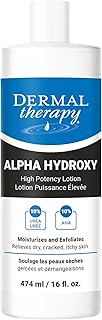
Dermal Therapy Soothing Mineral Bath
Clinically developed for extremely dry, eczema-prone, and barrier-impaired skin
Dermal Therapy occupies an interesting middle ground between pharmaceutical and cosmetic — it’s a bath product formulated with the kind of clinical thinking you’d expect from a medicated skin treatment. The mineral complex is specifically calibrated to support compromised skin barriers, with high magnesium chloride content (the form of magnesium most effectively absorbed transdermally), potassium, and sodium in proportions designed to reduce the osmotic stress on already-stressed skin cells.
For eczema-prone dry skin, the mechanism of action is particularly relevant: eczema skin has a known deficiency in filaggrin, the protein that maintains the moisture-retention structure of the skin barrier. While no bath salt can repair a genetic filaggrin mutation, the mineral environment created by a Dermal Therapy soak reduces the inflammatory signals that exacerbate barrier dysfunction, giving the skin’s own repair mechanisms a better chance to operate.
The formula is fragrance-free, dye-free, and free of any known contact allergens — a rarity in bath salts. It’s also pH-optimized to match skin’s natural acidity rather than disrupting it. If you’re managing eczema, our dedicated guide to the best bath salts for eczema will give you a fuller picture of the category and how to build a bathing routine around it.
Pros
- Clinically developed for eczema skin
- High magnesium chloride — absorbs well
- Fragrance-free, dye-free
- pH-optimized formula
- No known contact allergens
Cons
- Clinical rather than luxurious feel
- Can be hard to source in stores
- No aesthetic appeal
Ancient Minerals Magnesium Bath Flakes
Pure, ultra-concentrated magnesium chloride from prehistoric inland seas — the most bioavailable mineral option
Ancient Minerals occupies a unique position: this isn’t a bath salt blend with fragrance and oils and botanical extracts — it is the most concentrated, purest form of transdermal magnesium delivery available in a bath product. Sourced from the Zechstein inland sea (a prehistoric ocean beneath the Netherlands and Germany, sealed for 250 million years from surface contamination), these magnesium chloride flakes are as pure as magnesium gets.
Magnesium chloride is absorbed transdermally more efficiently than magnesium sulfate (Epsom salt), and it drives profound effects on skin hydration when used consistently: magnesium activates hundreds of enzyme pathways involved in cellular repair, fatty acid synthesis, and protein production — all of which underpin a healthy skin barrier. For dry skin that isn’t responding to topical creams, a sustained magnesium soak regimen often produces visible improvement within two to three weeks.
The complete absence of additives — no fragrance, no oil, no colour — makes this the only logical choice for people with multiple chemical sensitivities, severe eczema, or anyone who reacts to essentially everything. It’s also the pick for anyone who wants to add their own oils and botanicals. Our guide to making bath salts at home shows exactly how to build a custom soak around a magnesium flake base. You might also want to explore the magnesium flakes vs Epsom salt comparison if you’re deciding between these two pure mineral options.
Pros
- Most bioavailable magnesium form
- Zechstein-sourced, ultra-pure
- Zero additives — completely fragrance-free
- Safe for all skin conditions
- Excellent for DIY bath salt blends
Cons
- No oils or botanicals included
- Higher cost per bag
- Purely functional, not luxurious

Types of Bath Salts for Dry Skin — What Actually Matters
Walk into any beauty aisle and you’ll see Dead Sea salt, Himalayan salt, Epsom salt, sea salt, Mediterranean salt, and magnesium flakes — all marketed with overlapping claims. Here’s what the differences actually mean for dry skin specifically.
Dead Sea Salt
Highest mineral complexity. 10× more concentrated than ocean water. Contains magnesium, potassium, calcium, bromide. Best for: deeply compromised skin, eczema-prone, chronic dry skin.
Epsom Salt
Pure magnesium sulfate. Very affordable. High absorption, good anti-inflammatory effect. Best for: budget-conscious daily soaking, stress-related skin, occasional dryness.
Himalayan Pink Salt
84 trace minerals in fine to coarse grains. Lower mineral concentration but diverse profile. Best for: general dry skin, skin wellness, mineral top-up with multiple trace elements.
Magnesium Flakes
Magnesium chloride form — absorbed even more efficiently than sulfate. Purest option. Best for: sensitive, reactive, fragrance-sensitive dry skin; maximum mineral delivery.
Mediterranean / Sea Salt
Moderate mineral content, natural trace elements, affordable base. Best for: general wellness soaks, combination with oils and botanicals, everyday use.
Mineral Blends
Combine two or more salt types for a broader mineral spectrum. Best for: users who want comprehensive mineral coverage in one product without buying multiple salts.
The mineral type is only half the equation. What else is in the bath salt — the oils, actives, botanical extracts — determines whether a soak actively nourishes dry skin or just softens it for an hour. See our comprehensive resource on the best bath salts for every type of soak for a broader perspective on matching your pick to your specific bath goal.
The Science of Transdermal Mineral Absorption — How Bath Salts Actually Work on Dry Skin
If you’ve ever wondered whether minerals from bath salts genuinely penetrate the skin or simply sit on the surface, the answer is both reassuring and fascinating. Transdermal mineral absorption is a well-documented physiological process, and understanding it helps you choose better products and use them more effectively.
How Minerals Cross the Skin Barrier
Your skin’s outermost layer — the stratum corneum — is roughly 15 to 20 layers of dead keratinized cells embedded in a lipid matrix. Think of it as a brick wall: the cells are bricks, and the surrounding lipids are mortar. This structure is what keeps water inside your body and irritants outside it. For a mineral ion to cross this barrier and reach the living epidermis below, it has to navigate through the lipid “mortar” between the dead cell “bricks.”
Ionic minerals — the form found in dissolved bath salts — are small enough to penetrate through intercellular pathways (between the cells), through transcellular pathways (directly through the cells), and through skin appendages (hair follicles and sweat glands, which act as bypass channels). Research using radioactive tracer studies has confirmed that magnesium, potassium, and other ions from Dead Sea salt and Epsom salt are detectable in blood and urine within 15 to 20 minutes of immersion, confirming genuine systemic absorption — not just surface coating.
The rate of absorption depends on several factors: the molecular size of the mineral ion, the concentration gradient (how much mineral is in the water versus how much is in the skin), the temperature of the water (warmer water increases skin permeability by softening the lipid matrix), the duration of exposure, and the condition of the skin itself. Dry, compromised skin with a weakened stratum corneum actually absorbs minerals more readily than healthy skin — which means the people who need the minerals most also absorb them most efficiently.
Why Dead Sea Minerals Absorb Differently
Not all mineral absorption is equal. Dead Sea water contains a distinctive ionic ratio: roughly 34% magnesium chloride, 23% sodium chloride, 14% calcium chloride, and smaller amounts of potassium chloride and magnesium bromide. This is radically different from ocean water, which is approximately 85% sodium chloride with much smaller proportions of everything else.
The reason this matters for dry skin is that magnesium and calcium chlorides are hygroscopic — they attract and hold water molecules. When these ions penetrate the stratum corneum, they create a localized microenvironment that retains water within the skin’s outer layers. This isn’t a temporary surface film; it’s an actual change in the water-holding capacity of the tissue. Studies on patients with atopic dermatitis using Dead Sea bath salts showed statistically significant improvements in skin hydration measured by corneometry (a device that measures skin water content) that persisted for 24 hours or more after the bath.
The bromide in Dead Sea salt also deserves mention: it has documented anti-inflammatory and mild anesthetic properties that reduce the itch signal in dry skin. This is clinically meaningful because the itch-scratch cycle — where dry, itchy skin gets scratched, causing more damage, more dryness, and more itch — is one of the primary ways mild dry skin escalates into chronic dermatitis. Breaking the itch cycle with bromide helps prevent that escalation.
The Role of Temperature in Absorption
Water temperature doesn’t just affect comfort — it directly modulates how much mineral you absorb. At body temperature (98°F / 37°C), the lipid matrix of the stratum corneum is in its normal semi-solid state, allowing moderate intercellular penetration. As temperature rises to 102–104°F (39–40°C), the lipids become more fluid, increasing permeability and absorption rates significantly — by some estimates, a 40% increase compared to cooler water.
However, this relationship reverses above 106°F (41°C). At higher temperatures, the increased permeability works against you: water evaporates from the skin surface faster than minerals can be absorbed, and the thermal stress triggers an inflammatory response that damages the very barrier you’re trying to repair. This is why the 98–104°F range is so consistently recommended — it’s the window where absorption is high and damage is minimal.
For dry skin specifically, staying at the lower end of this range (98–102°F) produces the best results because the skin barrier is already compromised. You don’t need to push permeability further with heat — the weakened barrier does that job on its own. The priority is avoiding additional thermal damage.
Why Grain Size and Dissolution Time Matter
Here’s a practical consideration that’s often overlooked: the grain size of your bath salt directly affects how completely minerals dissolve and distribute in the water. Fine-grained salts dissolve within 60 to 90 seconds in warm water, creating a uniformly mineralized bath from the moment you enter. Coarse salts — large crystals or rock salt — can take 5 to 10 minutes to dissolve fully, and if you enter the bath early, you’re sitting in unevenly concentrated water with much of the mineral potential still locked in undissolved crystals at the bottom of the tub.
For dry skin, this matters because you want the maximum mineral concentration available throughout your soak, not just in the last few minutes. If you prefer the aesthetic of coarse salts, add them to the running water as the tub fills and wait three to four minutes before entering. Alternatively, pre-dissolve coarse salt in a pitcher of warm water and pour the concentrated solution into the bath. For more on optimizing your soak technique, see our guide on how long to soak in bath salts.
Full Comparison Table — All 12 Bath Salts for Dry Skin
| Product | Salt Type | Oils/Actives | Fragrance | Sensitive OK | Value | Hydration Score |
|---|---|---|---|---|---|---|
| AHAVA Dead Sea Salt | Dead Sea | None | Unscented | ✔ Yes | Moderate | 9.6 / 10 |
| Dr Teal’s Coconut Oil | Epsom | Coconut, Vit E | Light, tropical | ✗ Mild fragrance | Excellent | 8.8 / 10 |
| Elemis Musclease | Sea + Epsom | Sweet almond, EOs | Natural EOs | ✗ Strong scent | Premium | 9.4 / 10 |
| Salinac Dead Sea | Dead Sea | Almond, Jojoba, Lavender | Natural lavender | ✔ Mostly | Good | 9.2 / 10 |
| SFSC Himalayan Pink | Himalayan | Sweet almond oil | Optional | ✔ Unscented available | Great | 8.6 / 10 |
| Sky Organics Argan | Epsom | Organic argan oil | Unscented available | ✔ Yes | Good | 9.0 / 10 |
| Aveeno Oat Soak | Colloidal oat (powder) | Beta-glucan, avenanthramides | Fragrance-free | ✔ Yes | Very good | 9.1 / 10 |
| Village Naturals Milk & Honey | Dead Sea + Med | Milk protein, honey extract | Synthetic fragrance | ✗ Fragrance risk | Excellent | 8.5 / 10 |
| Burt’s Bees Milk & Oat | Sea mineral | Milk protein, oat extract | Fragrance-free | ✔ Yes | Good | 8.7 / 10 |
| Pursoma Digital Detox | Organic sea salt | Sea kelp, EOs | Natural EOs | ✔ Mostly | Premium | 8.9 / 10 |
| Dermal Therapy Mineral | Magnesium chloride blend | None | Fragrance-free | ✔ Yes | Moderate | 9.0 / 10 |
| Ancient Minerals Flakes | Magnesium chloride | None | Fragrance-free | ✔ Yes | Moderate | 9.3 / 10 |
How to Get the Most Hydration from a Bath Salt Soak
Using bath salts for dry skin is not complicated, but there are a handful of technique details that make a measurable difference in how much benefit you get from each soak. Following these steps consistently is as important as choosing the right product.
Step 1 — Set the Temperature Right
Run your bath to between 98°F and 104°F (36–40°C). Hotter water feels luxurious but actively breaks down the skin’s protective lipid layer and drives transepidermal water loss after you exit the tub. If your skin feels tight and drier than before the bath, water temperature is almost certainly the cause. Use a bath thermometer — your sense of “hot” is not calibrated precisely enough for this.
Temperature + Dry Skin: The Science
- Water above 108°F disrupts ceramide production — the lipid molecules that waterproof your skin.
- Lukewarm water (98–102°F) maintains the skin’s acid mantle while allowing mineral absorption.
- Cooler water reduces redness and itch signals, which is why spa treatments often end with a brief cool rinse.
Step 2 — Use the Right Amount
For dry skin specifically, use more than the standard muscle-soak dose. Most bath salts recommend 1–2 cups for an average tub. For hydration purposes, use 2–3 cups of Epsom or sea salt, or 1–1.5 cups of Dead Sea salt (which is more concentrated). Add magnesium flakes at the 2-cup mark. Confused about dosing? Our detailed guide on how much bath salt to use covers this by skin condition and soak goal.
Step 3 — Dissolve Before Entering
Add the bath salt to the running water as the tub fills — don’t add it all at once after the bath is drawn. Let the salt dissolve fully before you get in. This ensures an even mineral distribution throughout the water column rather than a high-concentration layer at the bottom. For coarser salts, give it two to three minutes to dissolve fully.
Step 4 — Soak for 15 to 20 Minutes
For mineral uptake and skin barrier support, the minimum effective time is around 12 minutes. The sweet spot for dry skin is 15 to 20 minutes — long enough for meaningful transdermal mineral absorption, but not so long that you start to experience net water loss from osmotic processes. Beyond 30 minutes, the benefit curve flattens and starts to reverse. For a full breakdown of timing, see how long to soak in bath salts.
The most important step most people skip:
After your soak, pat dry gently — don’t rub. Then immediately (within 3 minutes, while skin is still slightly damp) apply a rich body oil, body butter, or thick moisturizer. This “wet skin moisturizing” technique seals in the bath mineral effect and dramatically extends post-soak hydration. Skipping this step undoes much of the benefit.
Step 5 — Build a Consistent Routine
One soak will soften dry skin temporarily. A consistent two-to-three-times-weekly routine over four to six weeks genuinely rebuilds the skin’s moisture-retention capacity. The mineral accumulation in skin tissue and the gradual improvement in barrier function are cumulative effects. Think of bath salts the way you’d think of serums — the magic is in the routine, not the single application.
Common Mistakes That Worsen Dry Skin in the Bath
Even with the best bath salt on the market, certain habits can negate the benefits or — worse — leave your skin drier than before you got in. Here are the most common errors we see, and exactly how to fix each one.
Mistake #1 — Water Temperature Above 106°F
Hot water is the single most damaging factor for dry skin in the bath. Above 106°F (41°C), the heat dissolves the intercellular lipids (ceramides, cholesterol, fatty acids) that form your skin’s waterproof mortar. You step out feeling warm and relaxed — and thirty minutes later your skin is tighter and drier than before the bath. The fix is simple but requires discipline: use a bath thermometer and stay between 98–104°F. If you crave the heat sensation, a warm washcloth on your neck or forehead during the soak satisfies the craving without immersing your body in damaging temperatures.
Mistake #2 — Soaking for Over 30 Minutes
Longer is not better with bath salts and dry skin. After about 20–25 minutes, the osmotic balance begins to shift: the concentration of minerals in the water starts pulling moisture out of skin cells rather than pushing it in. This is especially true with high-concentration Dead Sea salt and Epsom salt. Set a timer for 15–20 minutes. If you want to stay in the water longer, drain some of the mineral-rich water and refill with fresh warm water — this dilutes the concentration and halts the osmotic reversal.
Mistake #3 — Rubbing Skin Dry with a Towel
Vigorously toweling off after a bath physically abrades the softened stratum corneum — the very layer that just absorbed all those beneficial minerals. You’re literally scrubbing away the result of your soak. Instead, pat gently with a soft towel, leaving the skin slightly damp. This preserves the mineral-enriched surface layer and sets up the next critical step: applying moisturizer to damp skin.
Mistake #4 — Skipping the Post-Bath Moisturizer
This is the mistake that costs you 50% or more of your bath salt investment. The minerals and hydration gained during the soak are sitting in and on the outer skin layers. Without an occlusive or emollient layer to seal them in, that moisture evaporates within 10–15 minutes of exiting the tub. Applying a thick body cream, body butter, or oil within three minutes of patting dry traps the moisture and extends the benefit by hours. Think of it as putting a lid on the jar — without the lid, everything evaporates.
Mistake #5 — Using Bath Salts with Synthetic Fragrance
The word “fragrance” on a bath salt ingredient list is a red flag for dry skin. “Fragrance” or “parfum” can legally hide hundreds of individual chemical compounds, many of which are known contact allergens. Dry skin has a compromised barrier — which means these chemicals penetrate deeper and faster than they would in healthy skin, increasing the risk of allergic or irritant reactions. Always choose unscented or naturally scented (essential oil only) bath salts. If you love scent, add a few drops of your own lavender or chamomile essential oil to an unscented base.
Mistake #6 — Harsh Exfoliating During Salt Baths
Some people use bath time to scrub with loofahs, exfoliating gloves, or washcloths. On dry skin, this mechanical exfoliation removes not just dead cells but also the freshly mineralized outer layer and any protective oils. If you need to exfoliate dry patches, do it before the bath (very gently, with a soft cloth), then let the bath salt soak do the rest. The lactic acid in milk-based bath salts provides chemical exfoliation without the abrasion — a far better approach for compromised skin.
Mistake #7 — Using Bath Salts on Broken or Cracked Skin
If your dry skin has progressed to actual cracks, open fissures, or bleeding, bath salts will sting and may cause further irritation. Salt on open wounds is painful for a reason — it’s osmotically drawing water from exposed tissue. Wait until cracks have healed to a closed stage (typically 3–5 days with consistent emollient use) before introducing bath salts. For cracked heels specifically, apply a thick occlusive balm to the cracks before entering the bath — this creates a physical barrier that prevents salt contact with the raw skin while allowing the surrounding area to benefit from the soak.
For a complete walkthrough of optimal technique, including exact timing, temperature ranges, and post-bath steps, see our guide to how much bath salt to use and how long to soak.
The Post-Bath Skincare Routine That Amplifies Your Salt Soak
The three minutes after you step out of the bath are the most valuable skincare minutes of your day. Your skin is warm, hydrated, softened, and primed with minerals — and it’s losing moisture by the second. What you do in this window determines whether you lock in 90% of the bath’s benefit or lose most of it to evaporation. Here’s the protocol that makes a measurable difference.
Pat Dry — Never Rub (30 seconds)
Use a soft, clean towel and press it against your skin rather than dragging it across. Leave the skin slightly damp to the touch — not dripping, but clearly not dry. This residual moisture is the reservoir your moisturizer will trap.
Apply Body Oil to Damp Skin (60 seconds)
Start with a lightweight body oil — jojoba, sweet almond, or argan oil are ideal for dry skin. Apply generously to your entire body, focusing on the driest areas: shins, elbows, forearms, and knees. The oil penetrates more effectively into warm, damp skin and creates the first occlusive layer that slows moisture evaporation. If your bath salt already contains oil, use a lighter hand here — you’re supplementing, not doubling up.
Layer a Rich Moisturizer on Top (60 seconds)
Over the oil layer, apply a thick body cream or body butter. Look for ceramides, shea butter, squalane, or hyaluronic acid in the ingredient list. This second layer creates a more robust occlusive barrier and adds its own humectant and emollient actives. The oil-and-cream layering technique (sometimes called “slugging for the body”) is significantly more effective than either product alone — the oil penetrates and the cream seals.
Target Extra-Dry Patches (30 seconds)
For heels, elbows, knees, and any persistently dry patches, add a third targeted layer: a thick ointment or balm (look for petrolatum, beeswax, or zinc oxide as the base). These heavy-duty occlusives create a near-impermeable seal over the most compromised areas. Apply them last, on top of the oil and cream, and consider wearing cotton socks on your feet and cotton gloves on your hands overnight to maximize absorption.
Don’t Forget Your Hands and Face (30 seconds)
Hands are often the driest part of the body and the most frequently washed. Apply a thick hand cream immediately after your post-bath routine, and keep a tube by every sink. For your face, use a separate facial moisturizer — body products are too heavy and potentially comedogenic for facial skin. If your face was submerged during the bath, a hydrating serum (hyaluronic acid or glycerin-based) followed by a facial moisturizer will seal in the mineral benefit for facial skin.
This entire routine takes less than four minutes. When performed after every bath salt soak, it amplifies the hydration benefit by an estimated 60–80% compared to bath salts alone. Users who adopt this protocol typically report visible improvement in dry skin texture within the first week — faster than bath salts alone, which usually take two to three weeks for cumulative effects to become apparent.
For a more comprehensive approach to building an effective bathing ritual, see our guide to the best bath routine for relaxation and skin health, and our roundup of the best bath products across every category.
Bath Salt Buying Guide for Dry Skin — Key Questions Answered
Dead Sea vs Himalayan: Which Is Better for Dry Skin?
If the single goal is maximum hydration and skin barrier support, Dead Sea salt wins on mineral complexity and clinical evidence. Dead Sea’s mineral profile — particularly its high magnesium and potassium chloride concentration — has been specifically studied for dry skin and eczema with positive results. Himalayan salt offers a wider trace mineral spectrum but at lower concentrations and without the same volume of skin-specific research backing. For general wellness and trace mineral top-up, Himalayan is great. For targeted dry skin treatment, Dead Sea is the stronger choice.
Should Bath Salts for Dry Skin Contain Oil?
Ideally, yes. Salt alone addresses the mineral environment of the soak but doesn’t address the lipid deficit that drives dry skin. A bath salt that includes a carrier oil — sweet almond, jojoba, argan, coconut — delivers an emollient coating to skin as you exit the tub, significantly extending the moisture-retention effect. If your chosen bath salt doesn’t include oil, adding a tablespoon of your preferred body oil to the bath yourself achieves the same result. Learn about the best oils to add to bath salts for dry skin in our dedicated resource.
Is Scent Safe for Dry Skin?
Synthetic fragrance (listed as “fragrance” or “parfum”) is a significant trigger for contact dermatitis and is the most common cosmetic allergen. Dry skin has a compromised barrier, making it more susceptible to fragrance penetration and reaction. Natural fragrance from pure essential oils is generally safer, but even some essential oils (citrus, cinnamon, clove) can irritate broken or very sensitive skin. When in doubt, choose unscented — your dry skin will thank you for it.
How Often Should You Use Bath Salts for Dry Skin?
Two to three times weekly is the recommended frequency for most dry skin users. Daily soaking can actually worsen very dry skin if the post-soak moisturizing step is skipped or if water temperature is too high. If your skin is extremely dry or you’re managing a flare, start with every other day and add soaks gradually as your skin’s tolerance and response become clearer.
Are Bath Salts Safe for Athletes with Dry Skin?
Yes, and they’re particularly beneficial — sport and exercise accelerate moisture loss through sweat and frequent showering. Athletes should focus on products with significant magnesium content for the additional muscle recovery benefit. Our guide to the best bath salts for athletes covers the dual hydration-and-recovery angle in detail.
Bath Salts and Specific Dry Skin Conditions
- Eczema: Focus on Dead Sea mineral formulas and magnesium chloride. Avoid fragrance completely. See: best bath salts for eczema
- Winter dry skin: Add oil-rich formulas and increase frequency. Dead Sea and Himalayan both work well.
- Post-sun dryness: Colloidal oatmeal + Epsom to calm inflammation alongside dry skin repair.
- Body acne with dry skin: Choose unscented Dead Sea or Epsom; avoid oil-heavy formulas on acne-prone areas.
- Sensitive skin: Start with Ancient Minerals or Aveeno. Introduce other products one at a time. See: best bath salts for sensitive skin
DIY Bath Salt Recipes for Dry Skin — Custom Blends You Can Make at Home
One of the best things about bath salts is how easy they are to customize. Making your own blends at home gives you complete control over ingredients, lets you avoid the specific triggers that affect your skin, and costs a fraction of premium commercial products. Each recipe below is formulated specifically for dry skin and can be prepared in under ten minutes. For a comprehensive foundation on DIY bath product creation, see our full guide to how to make bath salts at home.
Essential Equipment and Safety Notes
Before you start mixing, gather these basics: a large glass or stainless steel mixing bowl (avoid reactive metals like aluminum), measuring cups and spoons, an airtight glass storage jar (mason jars work perfectly), and a small funnel if you’re working with fine-grain salts. For safety, always keep total essential oil concentration at or below 1% of the total batch weight — for a typical 500g recipe, that’s a maximum of 25–30 drops of essential oil total. Exceeding this can cause skin irritation, especially on already-compromised dry skin.
1. Classic Hydrating Soak — Dead Sea + Almond Oil
The everyday go-to for chronically dry skin. Simple, effective, and luxurious-feeling.
Ingredients
- 2 cups Dead Sea salt (fine or medium grain)
- 1 cup Epsom salt
- 2 tablespoons sweet almond oil
- 1 tablespoon raw honey
- 8–10 drops lavender essential oil
- 3 drops chamomile essential oil (optional, for extra calming)
Instructions
- Combine Dead Sea salt and Epsom salt in a large bowl and stir to distribute evenly.
- Drizzle the sweet almond oil over the salt mixture and stir thoroughly until the oil is evenly absorbed — the salt should feel slightly moist but not clumpy.
- Warm the honey for 10 seconds in the microwave (or in a warm water bath) to make it liquid, then drizzle over the salt and mix again.
- Add the essential oils drop by drop, stirring between additions to prevent concentrated pockets.
- Transfer to an airtight glass jar and store in a cool, dry place. Use within 3 months.
Use: ½ to 1 cup per bath. Dissolve in running water. Soak 15–20 minutes.
2. Ultra-Rich Winter Rescue Soak
For the driest months when skin is cracking, flaking, and desperate for relief.
Ingredients
- 2 cups Epsom salt
- 1 cup Dead Sea salt
- 2 tablespoons fractionated coconut oil (stays liquid, absorbs easily)
- 1 tablespoon jojoba oil
- 1 tablespoon colloidal oatmeal powder (grind regular oats in a blender until powder-fine)
- 1 teaspoon vitamin E oil
- 6 drops frankincense essential oil (anti-inflammatory, skin-regenerating)
Instructions
- Blend the Epsom salt and Dead Sea salt together.
- Whisk in the colloidal oatmeal powder until fully distributed — this prevents clumping in the bath.
- Add the coconut oil, jojoba oil, and vitamin E oil. Mix thoroughly.
- Add essential oils and stir well. Transfer to a sealed jar. Use within 2 months (oils can oxidize).
Use: ¾ cup per bath. Water temperature 98–100°F. Follow with a thick body butter within 2 minutes of patting dry.
3. Gentle Eczema-Soothing Formula
Fragrance-free, ultra-minimal ingredients, designed for the most reactive and eczema-prone dry skin.
Ingredients
- 2 cups Dead Sea salt (fine grain)
- 1 cup magnesium chloride flakes
- 2 tablespoons colloidal oatmeal powder
- 1 tablespoon sunflower seed oil (high in linoleic acid, well-tolerated by eczema skin)
Instructions
- Combine Dead Sea salt and magnesium flakes in a glass bowl.
- Whisk in the colloidal oatmeal powder until evenly distributed.
- Drizzle the sunflower seed oil and mix until absorbed. Transfer to an airtight jar.
- Store in a cool, dry place. Use within 4 months (no essential oils to degrade).
Use: 1 cup per bath at 98–100°F. Maximum 15 minutes. Apply fragrance-free emollient immediately after. Patch test on a small area first.
4. Milk & Honey Luxury Soak
Inspired by Cleopatra’s legendary beauty ritual — a deeply softening, gently exfoliating soak.
Ingredients
- 2 cups Epsom salt
- 1 cup Mediterranean sea salt or Himalayan salt
- ¼ cup whole milk powder (or coconut milk powder for vegan option)
- 2 tablespoons raw honey
- 1 tablespoon sweet almond oil
- 6 drops ylang-ylang essential oil
- 4 drops vanilla oleoresin (optional, for warmth)
Instructions
- Combine salts in a large bowl.
- Whisk in the milk powder until fully integrated — this prevents it from floating on the water’s surface.
- Warm the honey until liquid and drizzle into the mixture, stirring constantly.
- Add the sweet almond oil and essential oils. Mix well.
- Store in an airtight glass jar away from moisture. Use within 3 months.
Use: ½ cup per bath. The lactic acid from the milk powder gently dissolves dead skin cells while the honey and oil lock in moisture. Avoid if you have a dairy allergy — use coconut milk powder instead.
5. Muscle Recovery + Dry Skin Combo Soak
For athletes and active people who need both sore muscle relief and deep skin hydration.
Ingredients
- 2 cups Epsom salt
- 1 cup Dead Sea salt
- 2 tablespoons arnica-infused oil (or plain coconut oil if arnica is unavailable)
- 1 tablespoon jojoba oil
- 8 drops eucalyptus essential oil
- 5 drops rosemary essential oil
- 3 drops peppermint essential oil
Instructions
- Combine salts and blend thoroughly.
- Add the arnica-infused oil and jojoba oil. Mix until the salt absorbs the oil evenly.
- Add essential oils drop by drop, stirring between each addition. Store in a sealed jar.
Use: ¾ cup per bath at 100–102°F. Soak for 20 minutes. The magnesium from the Epsom supports muscle relaxation while Dead Sea minerals and the oil blend address dry skin. See our full guide to bath salts for muscle soreness for more on the recovery side of the equation.
Storage tip: All DIY bath salt blends should be stored in airtight glass containers away from moisture, heat, and direct sunlight. If your blend contains oils, the shelf life is approximately 2–3 months. Pure salt blends (no oils or honey) last indefinitely. Always use a dry spoon to scoop from the jar — introducing water into the container can cause clumping and bacterial growth. Learn more about proper storage in our guide to whether bath salts expire.
For those who want to explore beyond salt-based soaks, bath bombs vs bath salts is a useful comparison — bombs are fun but salts offer far more control over ingredients and concentration, which matters significantly for dry skin management. You can also explore milk baths vs regular baths for another perspective on the dairy-based approach to skin softening.
Water Quality and Bath Salts — The Hidden Factor Most Guides Ignore
Here’s something that rarely makes it into bath salt guides but genuinely affects results: the water coming out of your tap is not neutral. It carries its own mineral profile, chemical treatments, and pH characteristics — all of which interact with your bath salt formula and your skin.
Hard Water vs Soft Water
Hard water contains high concentrations of dissolved calcium and magnesium carbonates — the minerals that leave white scale on your faucets and shower doors. When you add bath salts to hard water, the additional mineral ions can interact with the calcium already present, potentially reducing the effective concentration of the minerals you actually want (like magnesium chloride from Dead Sea salt). More practically, hard water leaves a mineral film on skin after bathing that can feel tight and dry — exactly the sensation you’re trying to avoid.
If you live in a hard water area, consider adding a bath water filter (carbon or KDF type) to your faucet. These remove a significant portion of the dissolved calcium and chlorine before the water reaches the tub, giving your bath salt formula a cleaner canvas to work with. You can also counteract hard water by adding 1–2 tablespoons of baking soda (sodium bicarbonate) to your bath — it softens the water and slightly raises the pH, which helps bath salt minerals dissolve and distribute more evenly.
Chlorine and Chloramine
Municipal water treatment adds chlorine or chloramine to kill bacteria — necessary for public health, but problematic for dry skin. Chlorine is a potent oxidizer that strips natural oils from the skin surface and disrupts the skin microbiome (the community of beneficial bacteria that helps maintain barrier function). If your tap water smells like a swimming pool when you run a bath, your skin is being exposed to meaningful chlorine concentrations every time you soak.
A vitamin C filter (ascorbic acid–based) is the most effective way to neutralize both chlorine and chloramine before they contact your skin. These are available as showerhead filters or bath tap filters and are inexpensive. The difference for dry skin is noticeable within the first week — less post-bath tightness, less redness, and better retention of the moisturizing effects from your bath salt soak.
Water pH and Skin Health
Healthy skin has an acid mantle with a pH of approximately 4.5 to 5.5. Most municipal tap water runs between 6.5 and 8.5 — significantly more alkaline than skin’s optimal range. Bathing in alkaline water shifts the skin’s surface pH upward, which temporarily impairs the enzymes responsible for barrier repair and creates a more favorable environment for harmful bacteria.
Some bath salts naturally acidify the water slightly (Dead Sea salt and Epsom salt both tend toward mildly acidic solutions), which is one reason they’re beneficial for dry skin beyond just the mineral content. If your water is particularly alkaline (above 7.5), you can add a tablespoon of citric acid or apple cider vinegar to your bath to bring the pH closer to skin-friendly levels. This is a small adjustment that makes a meaningful difference for anyone with compromised skin.
Test your water: Inexpensive water pH test strips (available at pool supply stores or online) can tell you your tap water’s pH in seconds. If it’s above 7.5, the acidification step is worth the effort. If you’re on well water, also test for iron content — high iron can stain the tub and may interact with certain bath salt formulations.
Bath Salts vs Other Dry Skin Treatments — How They Compare
Bath salts are one tool in the dry skin toolkit, but they’re not the only one. Understanding how they compare to other approaches — and when to combine them — helps you build the most effective overall strategy.
Bath Salts vs Bath Bombs
Bath bombs are visually spectacular and aromatically indulgent, but they’re primarily designed for entertainment and fragrance rather than skin treatment. Most bath bombs contain sodium bicarbonate (baking soda) and citric acid as their base — the fizzing reaction between these two creates the visual effect but produces a mildly alkaline solution that can actually dry sensitive skin further. Some premium bath bombs include oils and butters, which genuinely moisturize, but the concentration is typically lower than a well-formulated bath salt.
For dry skin specifically, bath salts outperform bath bombs on every measurable metric: mineral delivery, concentration of active ingredients, cost per effective dose, and compatibility with sensitive skin. Bath bombs have their place — as an occasional treat — but shouldn’t be your primary bathing strategy for dry skin management. For a detailed side-by-side, see bath bombs vs bath salts.
Bath Salts vs Milk Baths
Milk baths — using whole milk, powdered milk, or buttermilk in the bath — deliver lactic acid (a gentle AHA that dissolves dead skin cell bonds), milk fats (which act as emollients), and casein proteins (which form a temporary protective film). The effect is genuinely softening, and Cleopatra’s legendary beauty baths were reportedly milk-based for good reason.
However, milk baths lack the mineral depth of bath salts. They don’t deliver magnesium, potassium, or the trace minerals that support long-term barrier function. The ideal approach for very dry skin is combining both: add a cup of whole milk powder to your Dead Sea salt bath. You get the lactic acid exfoliation from the milk and the mineral barrier support from the salt — a combination that outperforms either alone. See milk bath vs regular bath for the full comparison.
Bath Salts vs Body Oils Alone
Applying body oil directly to dry skin without a bath is a valid moisturizing strategy — but it addresses only the lipid deficit, not the mineral deficit. Bath salts deliver ionic minerals that support the enzymatic processes behind healthy skin cell production, while oils address the surface moisture barrier. The two work through different mechanisms and are complementary, not interchangeable.
For maximum benefit: use bath salts to deliver minerals and soften the skin, then apply body oil immediately after the bath (while skin is still damp) to seal in the moisture. This two-step approach — mineral soak plus oil seal — outperforms either strategy alone by a significant margin.
Bath Salts vs Topical Prescription Treatments
For severe dry skin conditions — particularly eczema, psoriasis, or ichthyosis — prescription treatments like topical corticosteroids, calcineurin inhibitors, or ceramide-based barrier creams are medically necessary and should not be replaced with bath salts. However, bath salts (particularly Dead Sea mineral formulas) make an excellent complementary therapy. Clinical studies have shown that patients using Dead Sea salt baths alongside their prescribed topical treatments experienced faster improvement and longer remission periods than those using prescription treatments alone.
The key is communication with your dermatologist. Most are supportive of mineral salt bathing as adjunctive therapy, but they may want to adjust prescription timing around your bathing schedule. Never reduce or discontinue prescribed medication based on bath salt results without medical guidance.
Sitz Baths and Specialized Bathing
If you’re dealing with dry skin in specific localized areas — particularly the perineal region postpartum or post-surgery — a sitz bath with mineral salts may be more appropriate than a full immersion bath. Sitz baths use a smaller basin and target a specific body area, which allows for higher mineral concentrations with less water. For a comparison of approaches, see sitz bath vs regular bath. Similarly, if you have access to an infrared sauna or infrared bath system, the deep-heat approach works differently from conventional warm water soaking — infrared bath vs regular bath explores this distinction.
Seasonal Bath Salt Strategies for Year-Round Hydration
Dry skin is not a static condition — it fluctuates with the seasons, and your bathing strategy should adapt accordingly. Here’s a quarter-by-quarter approach that keeps skin hydrated all year.
Winter (December – February): Maximum Defense
Winter is the high season for dry skin. Cold outdoor air, dry heated indoor air, and hot showers combine to strip the skin barrier aggressively. Your winter bathing strategy should be the most intensive of the year.
- Frequency: 3–4 salt baths per week
- Salt type: Dead Sea salt or magnesium chloride for maximum mineral delivery
- Additions: Always include a carrier oil in the bath (2 tablespoons of sweet almond or jojoba oil). Add colloidal oatmeal if skin is itchy or inflamed.
- Water temperature: Keep at 98–100°F — resist the urge to crank up the heat on cold nights
- Post-bath: Triple-layer protocol (oil + cream + targeted ointment on driest areas)
- Bedroom: Run a humidifier at night to maintain 40–50% humidity — this supports the skin’s overnight repair cycle
Winter is also cold and flu season — if you’re battling illness alongside dry skin, certain bath salt combinations can address both simultaneously. Eucalyptus and peppermint essential oils in an Epsom salt base provide respiratory relief while the magnesium supports skin hydration. See bath salts for cold and flu for targeted formulas.
Spring (March – May): Recovery and Reset
As humidity levels rise and heating use drops, skin begins to recover from winter damage. This is the season to transition from maximum-intensity soaks to a maintenance routine that repairs residual dryness.
- Frequency: 2–3 salt baths per week
- Salt type: Mix Dead Sea and Himalayan for a broad mineral spectrum that addresses winter-depleted trace minerals
- Additions: Milk powder (gentle exfoliation to remove winter dead cell buildup) and honey (humectant support as humidity increases)
- Post-bath: Transition from heavy ointments to lighter body lotions as skin starts producing more of its own oil
Summer (June – August): Sun Recovery and Maintenance
Summer brings UV exposure, chlorine from swimming pools, salt water from the ocean, and air conditioning — all of which dehydrate skin in different ways. Your summer bathing strategy should focus on post-exposure recovery.
- Frequency: 2 salt baths per week, plus additional soaks after pool or beach days
- Salt type: Epsom salt with cooling essential oils (peppermint, cucumber seed) for soothing sun-exposed skin
- Additions: Aloe vera gel (2 tablespoons mixed into the bath) for anti-inflammatory benefit after UV exposure
- Water temperature: Drop to 92–96°F in summer — cooler baths are more comfortable and reduce the combined thermal stress of hot weather plus hot water
- Post-bath: Lightweight body lotion with SPF for daytime, or a cooling gel-cream for evening
Autumn (September – November): Pre-Emptive Barrier Building
Autumn is the strategic season — the time to build up your skin barrier before winter attacks it. Starting an intensive bath salt routine in October means your skin enters the harsh winter months with a stronger barrier, reducing the severity of seasonal dryness.
- Frequency: 2–3 salt baths per week, gradually increasing to winter levels by November
- Salt type: Transition from Himalayan and Epsom (summer maintenance) back to Dead Sea salt and magnesium chloride (winter intensity)
- Additions: Argan oil and vitamin E oil — these build up the skin’s lipid reserves in preparation for winter’s assault
- Post-bath: Gradually thicken your moisturizer from lotion to cream to butter as temperatures drop
Bath Salts for Different Life Stages — Tailored Guidance
Dry skin affects people of every age, but the appropriate bath salt strategy varies significantly depending on your life stage. Here’s what to consider at different points in life.
Infants and Young Children (0–5 years)
Infant skin is dramatically thinner and more permeable than adult skin — which means both that it’s more susceptible to dryness and that it absorbs topical substances (including bath salt minerals) more readily. For babies and toddlers with dry skin or eczema, colloidal oatmeal (Aveeno) is the safest and most dermatologist-recommended option. Avoid essential oils entirely for children under 2, and use only child-safe oils (lavender, chamomile) in extremely diluted concentrations for children 2–5 years old. Keep bath temperature at 98–100°F and soak time to 10 minutes maximum. If you’re looking for bathing tips for little ones in general, our guides to the best bath toys for 1-year-olds, 2-year-olds, 3-year-olds, and 4-year-olds cover making bath time fun and safe.
Pregnancy and Postpartum
Pregnancy brings hormonal shifts that can cause dramatic changes in skin dryness, and many women find their skin becomes significantly drier during the second and third trimesters. Bath salts can be safe and deeply soothing during pregnancy with a few important modifications: avoid essential oils of rosemary, clary sage, peppermint, and clove (all contraindicated during pregnancy); keep water temperature strictly below 100°F to prevent raising core body temperature; and limit soak time to 15 minutes. Plain Epsom salt baths are widely considered safe and can help with the leg cramps and swelling common in pregnancy alongside dry skin. Full guidance is in our bath salts for pregnancy guide.
Athletes and Active Adults
High physical activity creates a specific form of dry skin driven by frequent showering, sweat-induced mineral loss, and friction from athletic clothing. Athletes benefit from magnesium-rich bath salts (Epsom or magnesium chloride) that simultaneously address skin hydration and muscle recovery. The post-exercise bath window — within 60 minutes of finishing activity — is the optimal time for a salt soak, as the warm muscles facilitate deeper mineral absorption. Add arnica-infused oil for bruise-prone athletes, or eucalyptus and peppermint for a cooling, decongestant effect. See bath salts for athletes for a complete guide.
Older Adults (65+)
Age-related xerosis is nearly universal in adults over 65 and is driven by declining ceramide production, reduced sebum output, and slower skin cell turnover. Bath salts are particularly valuable for this demographic because they address the mineral-dependent enzymatic processes that slow with age. However, older adults need to take extra safety precautions: ensure the bath is accessible (grab bars, non-slip mats), keep water temperature conservative (98–100°F — older skin has reduced thermal sensitivity and burns more easily), and use shorter soak times (12–15 minutes) to avoid cardiovascular strain. Magnesium chloride flakes (Ancient Minerals) are an excellent choice because they’re pure, fragrance-free, and highly bioavailable — important for skin that absorbs more slowly.
Women’s Bathing Considerations
Women’s bathing needs differ from men’s in several ways: hormonal fluctuations throughout the menstrual cycle affect skin hydration levels, with many women experiencing drier skin in the week before their period. Bath salts can be timed to address these cyclical changes — increase frequency and oil content in the premenstrual phase. Fragrance-free Dead Sea salts are also preferred for intimate bathing, as synthetic fragrances can disrupt the vaginal microbiome. For a broader perspective on women’s bathing practices, see how to bath as a woman.
Bath vs Shower: Which Is Better for Dry Skin?
For dry skin, baths win decisively over showers. Showers — especially with high water pressure — mechanically strip surface oils and provide limited mineral contact time. A 15–20 minute bath soak allows minerals to absorb transdermally, oils to coat the skin surface, and the skin to soften uniformly. If you prefer showers for daily hygiene, consider reserving 2–3 baths per week specifically for your salt soak routine. The bath vs shower comparison has the full analysis, and our guide on how to take a bath covers the fundamentals for anyone new to regular bathing.
Keeping Bath Time Clean and Safe
Regular bath salt use — especially oil-infused formulas — can leave residue on tub surfaces that builds up over time. Salt deposits and oil residue can make the tub slippery and attract mildew. Clean your tub weekly with a mild, non-abrasive cleaner to prevent buildup. If you notice soap scum accumulating faster with your salt bath routine, our guide to removing soap scum has effective, surface-safe methods. For mold prevention in the humid bathroom environment, see getting rid of bathroom mold, and for a complete bathroom refresh approach, deep cleaning a bathroom covers the full process. If you have young children, also consider sanitizing bath toys and cleaning mold from bath toys regularly, as oil residue from bath salts can accumulate on toy surfaces too.
Frequently Asked Questions
Bath salts provide both immediate and cumulative hydration benefits. The immediate effect — softer, more pliable skin — comes from salt osmotically drawing water into the outer skin layers and from any oils in the formula coating the skin. The longer-term benefit comes from repeated mineral exposure: magnesium, potassium, and calcium support the enzyme pathways behind healthy skin lipid production and barrier function. With consistent use (two to three times weekly over four to six weeks), measurable improvements in skin water content and transepidermal water loss have been documented in clinical studies, especially with Dead Sea mineral formulations. The key is applying moisturizer immediately after the bath to seal in the benefit.
Yes — if used incorrectly. The most common mistakes that worsen dry skin: using water that’s too hot (above 104°F strips the skin barrier), staying in too long (over 30 minutes in high-concentration salt can draw moisture out), using synthetic fragrance products that cause contact reactions, and skipping post-bath moisturizer. Salt water is osmotically active — it can pull water from skin cells if concentration is too high or exposure time too long. Start with lower concentrations (one cup per tub), keep water at a comfortable 100°F, limit soaks to 20 minutes, and always moisturize afterward.
For very dry or cracked skin, Dead Sea salt is the evidence-backed first choice — its magnesium chloride and potassium content have been shown in clinical trials to improve skin hydration and reduce roughness in patients with xerosis (chronic dry skin). If the skin is also reactive or irritated, combine a Dead Sea soak with colloidal oatmeal (add one cup of Aveeno to the bath alongside your Dead Sea salt). Avoid Epsom-only formulas for very dry, cracked skin — they don’t have the same mineral complexity for barrier repair. For cracked heels specifically, use a foot soak with concentrated Dead Sea salt rather than a full bath, and exfoliate gently after softening.
Dead Sea salt is the stronger choice for dry skin due to its complex mineral profile — 10× more concentrated than ocean water, with magnesium chloride, potassium chloride, calcium, and bromide working together to support the skin barrier. Epsom salt (magnesium sulfate) is less expensive and still beneficial — particularly for its anti-inflammatory magnesium effect — but it lacks the breadth of ionic minerals that makes Dead Sea soaks so effective for skin hydration. If cost is a factor, a blended approach works well: use Epsom for most soaks and splurge on Dead Sea once or twice a week. For a full detailed comparison, see our Dead Sea salt vs Epsom salt breakdown.
Yes — and in fact, Dead Sea salt baths are one of the few non-pharmaceutical interventions that have demonstrated clinical efficacy for eczema. Studies have shown that regular Dead Sea salt soaks reduce skin roughness, inflammation, and transepidermal water loss in people with atopic dermatitis. The key rules for eczema skin: choose fragrance-free formulas only, avoid synthetic dyes, keep water temperature below 104°F, limit soak time to 15 minutes, and apply a fragrance-free emollient immediately after patting (not rubbing) dry. If you’re in an active flare, check with your dermatologist before starting any new bathing regimen. Our dedicated resource on the best bath salts for eczema covers safe protocols in detail.
For dry skin, use 2 cups (approximately 500g) of Epsom or sea salt per average-sized tub, or 1 to 1.5 cups of Dead Sea salt (which is significantly more concentrated). Magnesium chloride flakes work well at 1 to 2 cups. Starting too high with Dead Sea salt can create an osmotically challenging environment — start at 1 cup and work up based on how your skin responds. For colloidal oatmeal products like Aveeno, use one full packet per bath. Always dissolve the salt in running water before entering the tub. Full dosing guidance by product type and skin condition is available in our guide to how much bath salt to use.
For dry skin specifically, a brief rinse with lukewarm water is generally recommended to remove any salt residue from the surface (residual salt can feel tight or draw moisture on skin if left to dry). However, if your bath salt formula includes oils, rinsing too vigorously or with hot water will remove those beneficial oils. The best approach: a gentle 30-second rinse with lukewarm — not hot — water, followed immediately by patting dry and applying moisturizer while skin is still slightly damp. Some users skip the rinse entirely when using oil-infused Dead Sea salt formulas and report good results — experiment to see what works for your skin.
Yes — several bath salts are safe during pregnancy, with some important caveats. Plain Epsom salt (magnesium sulfate) baths are widely considered safe in moderate amounts. Fragrance-free Dead Sea salt formulas are also generally safe. Avoid essential oil-heavy products, especially those containing peppermint, rosemary, clary sage, or clove, which are contraindicated during pregnancy. Keep water temperature below 100°F to avoid raising core body temperature. Colloidal oatmeal products like Aveeno are considered very safe. Always consult your OB or midwife before starting any new bathing routine during pregnancy. Our full guide to the best bath salts for pregnancy covers safe options in detail.
Pure mineral salts (Epsom, Dead Sea, Himalayan) don’t technically expire — the minerals are stable indefinitely. However, bath salts that contain oils, botanical extracts, or essential oils do degrade over time. Oils oxidize (go rancid), reducing their skin benefit and potentially creating irritating compounds. Most bath salts with organic additives have a recommended shelf life of one to two years from manufacture. Store bath salts in a sealed, airtight container away from moisture and heat. For a full explanation of shelf life and storage best practices, see our guide on whether bath salts expire.
For very dry skin, look for these oils in order of effectiveness: argan oil (richest in vitamin E and oleic acid, fast-absorbing, highly emollient); sweet almond oil (light texture, high in linoleic acid which supports barrier repair); jojoba oil (technically a wax ester — structurally very similar to human sebum, non-comedogenic, extremely stable); marula oil (oleic acid richness, deeply nourishing); and fractionated coconut oil (very light, stays liquid, good penetration without greasiness). Avoid mineral oil if you’re prioritizing natural formulas, though it is occlusive and can work for pure moisture-sealing. Our full guide to the best oils for bath salts covers each in more depth.
Absolutely — DIY bath salts are one of the most cost-effective and customizable ways to address dry skin. A simple formula: combine 2 cups Dead Sea salt or Epsom salt, 1 tablespoon argan or sweet almond oil, 1 tablespoon honey, and 5–8 drops of lavender essential oil. Mix well and store in an airtight glass jar. More advanced formulas can add colloidal oatmeal powder, vitamin E oil, and dried botanicals like rose petals or chamomile. The main pitfall in DIY bath salts is using too much essential oil (max 1% total weight) or leaving out a preservative when using water-based additives, which can cause bacterial growth. Our comprehensive guide to how to make bath salts at home walks through formulas, ratios, and preservation safely.
The goals and formulas differ meaningfully. Detox bath salts typically use activated charcoal, bentonite clay, ginger, or high-concentration Epsom salt to draw out surface impurities and stimulate circulation — they’re not primarily focused on moisturization and may actually feel drying to very dry skin if used too frequently. Hydrating bath salts prioritize mineral delivery, emollient oils, humectants like honey, and barrier-support actives like colloidal oatmeal. Some products bridge both goals — Pursoma’s Digital Detox Soak, for example, uses sea kelp for both detox benefit and skin hydration. For dry skin specifically, prioritize the hydrating formulas. If you want to explore the detox angle, our guide to the best detox bath salts compares the top options and explains which are safe for dry or sensitive skin.
Yes — Dead Sea salt rinses can help with dry scalp. Dissolve 2 tablespoons of Dead Sea salt in 2 cups of warm water, pour over your hair after shampooing, massage gently into the scalp for 2–3 minutes, then rinse thoroughly. The magnesium and potassium reduce scalp inflammation and flaking, while the minerals support the skin barrier on the scalp surface. Do this once weekly — more frequent use can dry out hair strands. For extremely dry or eczema-prone scalps, use magnesium chloride flakes instead (they’re gentler) and follow with a deep conditioner on the hair lengths.
Bath salts are significantly better for dry skin. Bath bombs are primarily designed for visual effect and fragrance — their fizzing reaction creates a mildly alkaline solution that can actually dry sensitive skin further. Bath salts deliver concentrated minerals, can be formulated with therapeutic oils and actives, and give you control over concentration and ingredient quality. Bath bombs have their place as an occasional treat, but for managing dry skin, bath salts are the clear winner. For a detailed comparison, see bath bombs vs bath salts.
Hard water contains high levels of dissolved calcium and magnesium carbonates that can interact with your bath salt minerals and leave a mineral film on skin that feels tight and dry. If you live in a hard water area, adding a bath water filter (carbon or KDF type) significantly improves results. You can also add 1–2 tablespoons of baking soda to your bath to soften the water and help bath salt minerals dissolve more effectively. Test your water pH — if it’s above 7.5, adding a tablespoon of citric acid brings the pH closer to skin-friendly levels and improves mineral absorption.
Troubleshooting — When Bath Salts Aren’t Working for Your Dry Skin
You’ve chosen a well-reviewed bath salt, you’re soaking regularly, and your skin is still dry. Before giving up, walk through this troubleshooting checklist — in our experience, one of these factors is almost always the culprit.
Problem: Skin Feels Drier After Bathing
Likely cause: Water temperature is too hot. This is the number one reason bath salts backfire. Above 104°F, the heat strips the skin’s natural lipids faster than the salt can replenish them, leaving you with a net loss of moisture. Reduce temperature to 98–100°F and see if the problem resolves within two to three baths. If it does, temperature was the issue.
Secondary cause: Soaking too long. Beyond 25–30 minutes, osmotic processes reverse — the salt water starts pulling moisture from your skin cells instead of supporting them. Set a timer and exit at the 20-minute mark.
Problem: Skin Is Itchy or Red After Bathing
Likely cause: Reaction to a product ingredient — most commonly synthetic fragrance, a specific essential oil, or a preservative. Switch to a completely unscented, additive-free product (Ancient Minerals Magnesium Flakes) and see if the reaction disappears. If it does, gradually reintroduce ingredients one at a time to identify the specific trigger.
Secondary cause: The bath salt concentration is too high. Dead Sea salt and Epsom salt at very high concentrations can cause a stinging or itching sensation even on non-allergic skin, especially if the skin barrier is severely compromised. Reduce the amount by half and increase gradually.
Problem: Bath Salts Aren’t Dissolving Properly
Likely cause: Coarse grain size plus insufficient water temperature or time. Large salt crystals need warmer water and more time to dissolve. Switch to a fine or medium grain size, add the salt to running water as the tub fills, and give it 3–5 minutes before entering. Alternatively, pre-dissolve the salt in a pitcher of hot water and pour the concentrated solution into the bath.
Secondary cause: Hard water. Very hard water can impede salt dissolution because the dissolved calcium competes with the salt minerals. A water filter or a tablespoon of baking soda added to the bath can help.
Problem: Results Plateau After Initial Improvement
Likely cause: Your skin has adapted to the formula. This is common after 6–8 weeks of using the same product. The skin’s mineral receptors have reached saturation with the specific mineral profile of your current bath salt. The fix: rotate to a different salt type for 2–3 weeks (e.g., switch from Dead Sea to magnesium chloride flakes, or from Epsom to Himalayan), then return to your original product. The rotation “resets” the skin’s responsiveness. Our guide to the best Himalayan pink bath salts and our magnesium flakes vs Epsom salt comparison can help you choose a rotation partner.
Problem: Oily Residue in the Tub After Bathing
Likely cause: Too much oil in the bath — either from an oil-heavy bath salt product or from adding too much carrier oil yourself. Reduce the amount of oil to 1 tablespoon per bath, or switch to a lighter oil (fractionated coconut oil or grapeseed oil leave less residue than heavier oils like olive or castor). Also: ensure your bath salt dissolves fully, as undissolved salt crystals can trap oil and create an uneven residue. Regular tub cleaning prevents long-term buildup — see our guide to removing soap scum and the best bathroom cleaner for effective, surface-safe methods.
Problem: Dry Skin Returns Within Hours of Bathing
Likely cause: Missing the post-bath moisturizer step. The minerals and moisture gained during the soak will evaporate from the skin surface within 15–20 minutes if not sealed with an occlusive or emollient layer. Follow the post-bath skincare routine described earlier in this guide — oil, then cream, then targeted ointment on the driest areas — within three minutes of exiting the tub. This single habit change typically doubles the duration of post-bath hydration.
Secondary cause: Environmental factors are overwhelming the bath benefit. If indoor humidity is below 30% (common with central heating in winter), the ambient air is actively pulling moisture from your skin faster than any topical treatment can replenish it. Run a humidifier in your bedroom at night — maintaining 40–50% indoor humidity gives your skin a fighting chance between baths.
The Troubleshooting Decision Tree
- Skin drier after bath? → Lower water temperature first. If still dry, shorten soak time.
- Skin itchy/red? → Eliminate fragrance. If still reactive, halve the salt concentration.
- Improvement plateau? → Rotate to a different salt type for 2–3 weeks.
- Results don’t last? → Add the post-bath moisturizer routine immediately.
- Nothing works? → Consider a dermatologist visit — you may have an underlying condition (eczema, psoriasis, thyroid) that requires medical treatment alongside bathing.
Conclusion: The Bath Salt Strategy for Seriously Dry Skin
Dry skin isn’t a problem you solve with one product one time. It’s a daily management challenge that responds beautifully to a well-thought-out bathing routine. The bath salts in this guide represent the best available options across every budget, skin type, and sensitivity level — each chosen for real hydrating impact rather than marketing claims.
If you’re starting from scratch: the AHAVA Dead Sea Bath Salt is the safest investment — clinically validated, fragrance-free, and genuinely effective for barrier-impaired dry skin. If budget matters more than prestige, Dr Teal’s Coconut Oil Epsom Salt delivers real daily-use value that’s hard to beat. If your skin is reactive or you’ve tried everything else, start with Ancient Minerals Magnesium Flakes — zero additives, maximum mineral delivery, and suitable for the most sensitive dry skin.
Whatever you choose, remember the routine matters as much as the product: the right temperature, the right timing, and — above all — that post-bath moisturizer applied to still-damp skin. That one habit change alone will amplify whatever you’re soaking in by a significant margin.
For deeper exploration of the bath salt world, check out our curated resources on every type of bath salt soak, the science behind Dead Sea vs Epsom salt, and if you’re interested in going fully natural, our picks for the best organic bath salts.
Ready to Transform Your Skin?
Start with our top overall pick and experience the difference mineral-rich bath salts make for chronically dry skin in under a week.
Shop AHAVA Dead Sea Salt on Amazon →
Pingback: Sitz Bath vs Regular Bath: Which Helps You Relax?