The Best Bath Routine for Deeper Relaxation, Better Sleep, and Healthier Skin
A grounded, step-by-step ritual — from water temperature and timing to salts, pre-bath prep, and what to do the moment you step out.

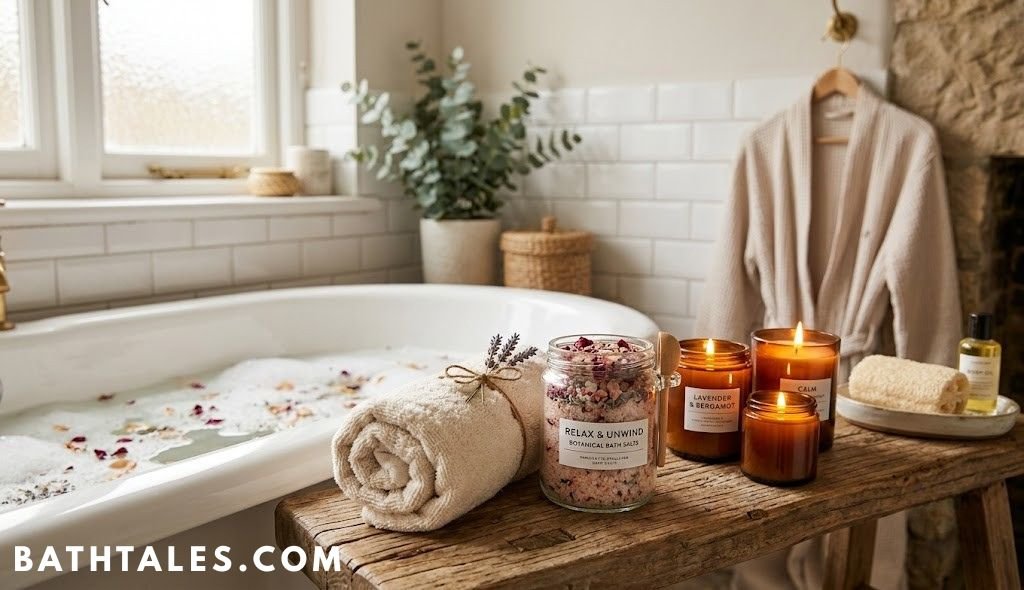
Most people think of a bath as an occasional treat — something reserved for a rough week or a rare quiet evening. But the people who get the most out of bathing, the deeper sleep, the looser shoulders, the calmer nervous system, tend to treat it as a routine rather than an event. This guide breaks down what an effective bath routine actually looks like, from the temperature of the water to what you do in the ten minutes after you towel off, so you can build a version that fits your body, your bathroom, and your evening.
Why a Consistent Bath Routine Matters
A single bath can feel good in the moment, but a consistent bath routine does something different: it gives your body a repeated, reliable cue that it’s time to downshift. Much like a consistent bedtime or a pre-run warmup, repetition is what turns an activity into a signal. When you bathe at roughly the same time, with roughly the same steps, your nervous system starts to associate the ritual itself with relaxation, not just the water.
There’s also a physiological case for consistency. Warm water dilates blood vessels and increases circulation, which can ease muscle tension, support skin hydration when paired with the right products, and contribute to the body-temperature drop that helps trigger sleepiness later in the evening. These effects compound with regular practice. A once-a-month soak is pleasant; a two-to-four-times-a-week routine is something your body starts to expect and respond to more efficiently.
If you’re weighing whether a bath is worth the extra time compared to a quick shower, it helps to look at the tradeoffs directly — our comparison of bath vs. shower breaks down the differences in relaxation, cleanliness, and time investment so you can decide where baths fit into your week.
Why a routine helps
- Turns relaxation into a predictable habit, not a rare treat
- Builds a body-temperature pattern that supports sleep
- Gives skin and muscles repeated, cumulative benefit
- Reduces decision fatigue — you stop reinventing it each time
What to watch for
- Overly hot, frequent baths can dry out skin without moisturizer
- Skipping post-bath care undercuts most of the benefit
- Rigid routines can feel like a chore if never varied
Setting the Scene: Preparing Your Bathroom for the Perfect Soak
Before the water even runs, a few small environmental choices make a noticeable difference in how relaxing the bath actually feels. Lighting is the biggest lever. Harsh overhead light keeps the brain in an alert, task-oriented state, so switching to a single warm lamp, a dimmer, or even a few candles tells your nervous system that this is downtime, not another item on the to-do list.
Temperature of the room matters too. A cold bathroom makes the transition in and out of the tub uncomfortable and can shorten your soak before you’ve gotten the full benefit. Running the shower on hot for a minute before you start filling the tub, or simply closing the door a few minutes early, warms the room enough to remove that friction.
A simple pre-bath checklist
- Towel and robe within arm’s reach of the tub, not in another room
- Phone on silent or in another room to reduce the pull to scroll
- Water, tea, or a drink you enjoy nearby if you plan to soak more than 15 minutes
- Bath salts, oil, or bomb set out and ready before the water starts
- A folded towel or bath pillow for neck support
If your current setup feels more functional than relaxing, our guide on how to make a bath comfortable goes deeper into small upgrades — from tub trays to lumbar support — that make a real difference without a full renovation.

Bamboo Bath Caddy Tray
An adjustable tray keeps your book, drink, and phone off the bathroom floor and within easy reach.
Check Price on AmazonFinding Your Ideal Water Temperature
Water temperature is the single most argued-about detail of any bath routine, and for good reason — it changes almost everything about how the soak feels and what it does for your body. As a general guideline, aim for roughly 92 to 100°F (33 to 38°C). This range feels warm and enveloping without tipping into the kind of heat that spikes heart rate or strips natural oils from skin.
| Temperature range | How it feels | Best for |
|---|---|---|
| 80–90°F (cool-warm) | Refreshing, mildly stimulating | Hot climates, post-workout cooldown |
| 92–100°F (warm) | Enveloping, relaxing | Everyday routine, stress relief, sleep prep |
| 101–104°F (hot) | Intense, deeply muscle-loosening | Occasional deep-soreness soaks, short duration |
| 105°F+ | Uncomfortable, risky for extended time | Generally avoid, especially for long soaks |
Very hot water can feel indulgent in the first few minutes but tends to overtax the cardiovascular system if you stay in longer than about ten minutes, and it accelerates moisture loss from skin. If you’re prone to dry skin, redness, or eczema flare-ups, staying on the lower end of the warm range and shortening total soak time will help. For more on that connection, see our guide to best bath salts for dry skin.
A simple way to dial this in without a thermometer: run the water until it feels comfortably warm on the inside of your wrist, similar to a baby bottle test, then adjust slightly hotter if you tend to run cold.
How Long Should Your Bath Routine Last
Fifteen to thirty minutes is the range that consistently shows up as the sweet spot, and there’s a logical reason for it. Under ten minutes, bath salts and oils rarely have enough contact time to do much beyond dissolve. Past forty-five minutes, skin can become over-hydrated and pruney, and water temperature drops enough that the relaxing effect starts to reverse into mild discomfort.
Within that fifteen-to-thirty-minute window, the first five to ten minutes are mostly about the body adjusting and muscles beginning to loosen. The middle stretch is where most of the mental unwinding happens — this is when breathing tends to slow and racing thoughts start to settle. The final few minutes are a good time for light stretching or simply lying still with eyes closed before you get out.
If you’re short on time, a focused twelve-minute soak with the water slightly warmer and a strong salt concentration can approximate a longer session’s benefits reasonably well. Quality of attention during the bath — no phone, minimal multitasking — often matters more than raw minutes.
Pre-Bath Rituals That Make a Difference
What you do in the ten minutes before you get in the tub shapes the entire experience. A quick rinse in the shower first removes deodorant, surface oil, and the day’s grime, so your bathwater stays cleaner and any salts or oils you add can work on skin rather than mixing with residue. This is a small step that’s easy to skip but noticeably improves the feel of the soak itself.
Hydration is another underrated piece. Warm water and time spent sweating lightly in a bath can be mildly dehydrating, so drinking a glass of water beforehand — and having one nearby if your soak runs long — helps you leave the bath feeling refreshed rather than depleted. If you have long hair, a loose twist or clip keeps it out of the water unless you’re planning to wash it as part of the routine.
For a broader look at building a full sequence around this, our piece on how do you take a bath walks through the basics for readers who are still figuring out their preferred order of operations, and how to bath as a woman covers routine considerations specific to skin, hair, and product layering.
A short pre-bath sequence
- Quick rinse to remove surface oil and product
- Glass of water, ideally room temperature
- Hair tied back or clipped if not washing it
- Lights dimmed, music or silence chosen intentionally
- Salts, oils, or bombs set within reach of the tub
Choosing the Right Bath Salts and Soaks
Not all bath salts do the same thing, and matching the salt to your goal is where a routine starts to feel genuinely purposeful rather than generic. Epsom salt (magnesium sulfate) is the most common choice for muscle relaxation and is widely used after workouts or physically demanding days. Himalayan pink salt carries a broader mineral profile and is often chosen for its gentler mineral-rich feel on skin. Dead Sea salt is prized for a higher concentration of magnesium and other minerals and is frequently used in routines focused on skin conditions.
| Salt type | Primary benefit | Best paired with |
|---|---|---|
| Epsom salt | Muscle relaxation, magnesium boost | Post-workout or high-stress days |
| Himalayan pink salt | Broad mineral content, gentle on skin | Everyday relaxation soaks |
| Dead Sea salt | High mineral concentration | Skin-focused or detox-style soaks |
| Magnesium flakes | Higher magnesium absorption than Epsom | Sleep and recovery-focused routines |
If you’re new to salts entirely, our roundup of best bath products is a good starting point, and best bath salts for every type of soak breaks options down by specific goal. For a head-to-head on the two most popular options, see Dead Sea salt vs. Epsom salt, and if you’re comparing magnesium-specific products, magnesium flakes vs. Epsom salt covers the absorption differences in more detail.
Beyond salts, essential oils are a common addition — lavender for winding down, eucalyptus for a more invigorating soak, or chamomile for sensitive skin. Our guide to best essential oils for bath salts covers safe dilution ratios and pairing suggestions. And if you’re unsure how much salt to actually use, how much bath salt to use gives clear per-soak measurements so you’re not guessing.

Unscented Epsom Salt Soak, 5 lb
A reliable, fragrance-free option that works well as a base for adding your own essential oils.
Check Price on AmazonThe Step-by-Step Best Bath Routine
Here’s a full sequence that ties the previous sections together into one repeatable routine. Treat it as a template — adjust timing, products, and order to fit your own preferences once you’ve tried it a few times as written.
- Rinse off (2–3 minutes). A quick shower removes surface oil and product buildup before you start filling the tub.
- Start the water and add salts (while filling). Run water to your preferred warm temperature and add salts as the tub fills so they dissolve evenly rather than sitting in a clump at the bottom.
- Add oil last, right before getting in. Oils sit on the water’s surface, so adding them just before you enter keeps them from dispersing too early.
- Ease in and settle (first 5 minutes). Let your body adjust to the temperature, breathe slowly, and let your shoulders drop away from your ears.
- Soak with intention (10–20 minutes). This is the core of the routine — minimal phone use, light stretching if muscles are tight, or simply resting with eyes closed.
- Rinse and drain (final 2–3 minutes). A quick rinse with the shower handset removes any residue before you get out, especially after oil-based soaks.
- Pat dry and moisturize immediately. Apply body oil or lotion while skin is still slightly damp to lock in hydration.
This sequence works whether your goal is general relaxation or something more specific like sleep prep or muscle recovery — the difference mostly comes down to which salts, oils, and timing you plug into steps two and five. If you want a deeper breakdown of the sequencing logic itself, how to make a bath more relaxing covers additional small adjustments that compound over a full routine.
Post-Bath Skincare and Recovery
What happens in the five minutes after you get out of the tub is arguably as important as the soak itself, and it’s the step most routines skip. Warm water and salts can leave skin slightly more permeable, which is actually an advantage if you use it correctly: applying a moisturizer or body oil while skin is still damp helps trap water at the surface rather than letting it evaporate, which is why the “pat dry, don’t fully towel off” approach tends to leave skin feeling noticeably softer the next day.
A simple post-bath sequence
- Pat skin partially dry, leaving it slightly damp
- Apply body oil or a thicker lotion within 3–5 minutes
- Drink water if you didn’t hydrate during the soak
- Put on soft, breathable clothing or a robe to avoid overheating
- Dim lighting a little longer if the goal is winding down for sleep
If dry or sensitive skin is a recurring issue after bathing, it’s worth reviewing which salts and products you’re using — our guides on best bath salts for sensitive skin and best bath salts for eczema both cover gentler formulations that are less likely to strip natural oils.

Nourishing Post-Bath Body Oil
A lightweight, fast-absorbing oil designed to apply on damp skin right after a soak.
Check Price on AmazonA Bath Routine for Muscle Soreness and Recovery
For anyone dealing with soreness from training, a long day on your feet, or general tension, the routine shifts slightly toward maximizing warmth and magnesium contact time. Water on the warmer end of the safe range, around 100°F, combined with a generous dose of Epsom salt or magnesium flakes, gives sore muscles more to work with than a standard everyday soak.
Light movement in the tub helps too — gently rotating ankles, rolling shoulders, or gently stretching a tight hamstring while submerged uses the water’s buoyancy to reduce strain on the joint while still working the muscle. Follow the soak with a few minutes of static stretching once you’re out and slightly cooled down, since muscles are more pliable immediately after heat exposure.
Athletes and people who train regularly often build this into a weekly rhythm rather than a daily one, since very frequent hot soaks can leave connective tissue feeling overworked. Our guide to best bath salts for athletes goes deeper into product-specific recommendations, and best bath salts for muscle soreness covers concentration and timing for maximum effect.
A Bath Routine for Sleep, Stress, and Anxiety Relief
If the primary goal of your routine is better sleep or lower baseline stress, timing matters as much as temperature. Taking a warm bath roughly 60 to 90 minutes before bed takes advantage of a real physiological mechanism: your core body temperature rises during the bath, then drops once you get out, and that drop mimics the natural temperature decline your body uses as a cue to fall asleep.
Lavender and chamomile are the most commonly used scents for this style of routine, both associated with calming, less stimulating effects than something like eucalyptus or citrus, which tend to feel more energizing. Keeping the room dim, avoiding screens during the soak, and pairing the bath with a short breathing exercise, four counts in, hold for four, six counts out, tends to amplify the calming effect further.
For sleep-specific product picks, best bath salts for relaxation and sleep covers formulations built around magnesium and calming scent blends. If stress and general overwhelm are the bigger driver rather than sleep specifically, our detox-focused guide, best detox bath salts, and our seasonal picks in best bath salts for cold and flu are both worth a look depending on what’s driving the tension.
Adapting Your Routine to Different Needs
A single fixed routine rarely fits every day or every life stage, so it helps to think of the core sequence from earlier as a template you adjust rather than a rigid script.
Morning vs. evening
Morning baths, less common but increasingly popular, tend to work best slightly cooler and shorter, paired with a more invigorating scent like eucalyptus or citrus, since the goal is alertness rather than sleep prep. Evening baths lean warmer, longer, and calmer, using lavender or chamomile and dimmer lighting.
Weekday vs. weekend
On weekdays, a focused fifteen-minute version with a strong salt concentration can deliver most of the benefit without eating into a tight evening schedule. Weekends allow for a longer thirty-plus-minute version with extras like a face mask, music, or reading.
Pregnancy and sensitive situations
During pregnancy, water temperature guidance is more conservative, generally staying below 100°F and avoiding prolonged soaks, along with checking which salts and essential oils are considered safe. Our dedicated guide on best bath salts for pregnancy covers these specifics in detail, and it’s worth a direct conversation with a healthcare provider for anything beyond general guidance.
Organic and sensitive-skin preferences
If you prefer to avoid synthetic fragrances or dyes, best organic bath salts rounds up options with cleaner ingredient lists, which pairs well with the sensitive-skin guidance covered earlier in this article.

Cushioned Bath Pillow with Suction Cups
Adds neck and shoulder support so longer soaks stay comfortable from start to finish.
Check Price on AmazonCommon Bath Routine Mistakes (and How to Fix Them)
Common mistakes
- Water too hot, leading to dry skin and shortened soak time
- Skipping moisturizer, undoing much of the routine’s benefit
- Using too much salt or oil, leaving a residue that’s hard to rinse
- Bathing right before an early alarm, cutting the soak short and rushed
- Scrolling on a phone the entire time, keeping the mind in an alert state
Simple fixes
- Test water at your wrist; aim for warm, not scalding
- Keep moisturizer or oil visibly placed by the towel
- Follow measured amounts rather than eyeballing salt or oil
- Schedule baths at least 60–90 minutes before you need to be asleep
- Leave the phone in another room, or set it to do-not-disturb
One more overlooked detail: bath products do expire or lose potency over time, particularly salts exposed to humidity and oils that can go rancid. If a soak that used to feel effective suddenly seems underwhelming, it’s worth checking our guide on do bath salts expire before assuming the routine itself is the problem.
If you’re interested in making your own blends rather than buying pre-made salts, how to make bath salts at home walks through simple recipes using ingredients most people already have, along with a look at best Himalayan pink bath salt if you’d rather start from a quality base product.
Frequently Asked Questions
How often should I do a full bath routine?
Two to four times a week is a sustainable rhythm for most people. Daily soaking is fine too as long as you moisturize afterward and keep water temperature moderate, since very frequent hot baths can dry out skin over time.
What is the best water temperature for a bath routine?
Aim for roughly 92 to 100°F, which feels warm rather than scalding. This range relaxes muscles and supports circulation without stressing the heart or over-drying skin.
How long should a bath routine last?
Fifteen to thirty minutes is the sweet spot for most soaks. Shorter dips under ten minutes rarely allow salts or oils to work, while sessions over forty-five minutes can leave skin over-softened.
Should I shower before or after a bath?
A quick rinse before removes surface oil, deodorant, and product buildup so your soak stays cleaner. A short rinse afterward is optional, mainly useful after heavier oil-based soaks.
What order should I add products to my bath?
Fill the tub first, adding salts or bath bombs while the water runs so they dissolve evenly. Oils go in last, right before you get in, so they sit on the surface rather than dispersing too early.
Is a bath routine good for sore muscles?
Yes. Warm water increases blood flow and loosens tight tissue, and adding magnesium-rich salts can further ease post-workout soreness when paired with light stretching in the tub.
Can a bath routine help me sleep better?
A warm bath about ninety minutes before bed raises then drops core body temperature, mimicking the natural dip that signals sleep onset, which can make falling asleep easier.
Do I need bath salts, or is plain water enough?
Plain water still relaxes muscles through warmth and buoyancy, but salts like Epsom or Himalayan pink add magnesium or minerals that many people find enhance recovery, skin feel, and relaxation.
How do I keep my skin from drying out after a bath?
Pat skin partly dry, then apply a body oil or thicker moisturizer within a few minutes while skin is still slightly damp, helping seal in hydration rather than letting it evaporate.
Is it safe to take a bath every day?
For most healthy adults, daily baths are safe if water stays moderately warm rather than very hot and you moisturize afterward. Those with certain skin conditions may want to space soaks out more.
What is the best bath routine for beginners?
Start simple: warm water around 98°F, a basic Epsom salt soak, fifteen to twenty minutes, dim lighting, and a moisturizer afterward. Layer in oils, music, or specialty salts once the habit feels natural.
Can I do a bath routine with a shower-only bathroom?
You can adapt elements like warm water, calming scents, dim lighting, and post-shower moisturizing, but full soaking benefits such as buoyancy and prolonged mineral contact require an actual tub.
Bringing Your Bath Routine Together
A great bath routine isn’t about any single product or perfect water temperature — it’s the combination of a comfortable setting, the right timing, a salt or oil suited to your goal, and a few minutes of post-bath care that actually locks the benefits in. Start with the step-by-step sequence above, adjust it over a few tries, and let it settle into something that feels less like a task and more like the best part of your evening.
Shop Bath Routine Essentials on Amazon