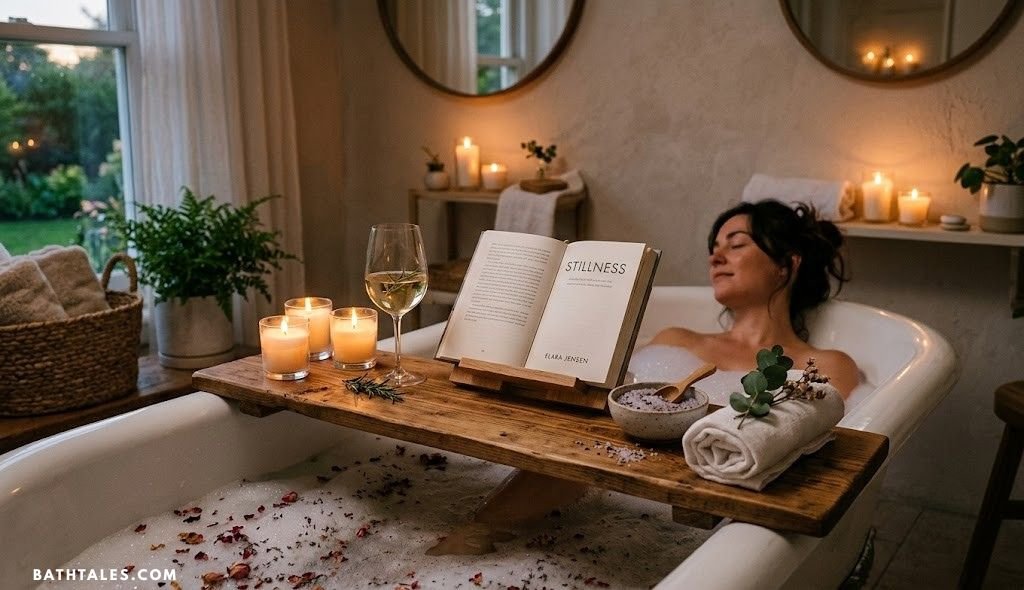
How to Make Your Bath More Relaxing: A Step-by-Step Sanctuary Guide
Transforming a mundane daily wash into a deeply restorative ritual is an art form. In our hyper-connected, high-stress modern environment, learning how to construct a private oasis in your own bathroom is not just a luxury—it is a vital component of mental and physical hygiene.
The Science of a Relaxing Bath
Before diving into the exact steps of how do you take a bath that genuinely unwinds your nervous system, it helps to understand the physiology behind it. Submerging your body in warm water triggers a cascade of physical reactions. The hydrostatic pressure of the water lightly compresses your body, which helps to increase blood circulation and reduce swelling. Simultaneously, the warmth prompts your blood vessels to dilate, allowing oxygen-rich blood to reach fatigued muscles, easing tension naturally.
This is why establishing the best bath routine is highly recommended by wellness experts. It isn’t just about getting clean; it’s about signaling to your parasympathetic nervous system (your “rest and digest” mode) that it is safe to power down. Research published in the Journal of Physiological Anthropology has demonstrated that regular warm water immersion significantly reduces cortisol levels—the body’s primary stress hormone—while simultaneously increasing the production of feel-good endorphins that promote a sense of well-being and contentment.
The physiological benefits extend far beyond simple relaxation. When you submerge yourself in warm water, your heart rate initially increases slightly to accommodate the increased blood flow, then gradually decreases as your body acclimates to the temperature. This cardiovascular workout is gentle yet effective, similar to the benefits of light exercise. The buoyancy of water reduces your body weight by approximately 90%, dramatically decreasing the pressure on your joints, spine, and connective tissues. For individuals suffering from chronic pain conditions, arthritis, or fibromyalgia, this temporary relief can be profoundly therapeutic and restorative.
Furthermore, the act of taking a bath creates a dedicated space for solitude and introspection. In a world where constant notifications, deadlines, and social obligations demand our attention, the bathroom door becomes a literal and figurative barrier against external stressors. This psychological separation is crucial for mental health, allowing your mind to transition from the sympathetic nervous system’s “fight or flight” response to the calming embrace of the parasympathetic state. Below is your comprehensive, step-by-step guide to engineering the ultimate relaxing soak, expanded with deep insights into every aspect of therapeutic bathing.
Hydrotherapy: Ancient Wisdom Meets Modern Science
Hydrotherapy—the use of water for therapeutic purposes—is far from a modern wellness trend. Ancient civilizations including the Egyptians, Greeks, Romans, and Japanese recognized and documented the healing properties of water immersion thousands of years ago. The famous Roman baths were not merely places for hygiene; they served as social hubs, healing centers, and spiritual sanctuaries where people of all classes could access the restorative power of thermal waters.
In contemporary medicine, hydrotherapy continues to play a vital role. Physical therapists regularly use aquatic therapy pools to help patients recover from surgeries, injuries, and neurological conditions. The principle remains unchanged: water’s unique properties—buoyancy, hydrostatic pressure, and thermal conductivity—create an environment where healing can occur more efficiently than on land. When you take a bath at home, you are essentially engaging in a personal hydrotherapy session, harnessing these same principles for your well-being.
The hydrostatic pressure exerted by water is particularly fascinating from a medical perspective. When your body is submerged, the water pushes gently but consistently against your skin, effectively compressing your limbs and torso. This compression helps push blood from your extremities back toward your heart and vital organs, improving overall circulation and reducing edema (swelling) in your legs, ankles, and feet. For individuals who spend long hours standing or sitting, this circulatory boost can alleviate discomfort and prevent the pooling of fluids in the lower extremities.
Thermal therapy—the controlled application of heat through water—triggers vasodilation, the widening of blood vessels. This process increases blood flow to muscles and organs, delivering oxygen and nutrients while carrying away metabolic waste products like lactic acid. This is why a warm bath feels so restorative after intense physical activity. The heat also relaxes muscle fibers directly, reducing tension and spasms without the need for medication. For chronic pain sufferers, this natural analgesic effect can provide hours of relief following a single soaking session.
Cold water immersion, conversely, causes vasoconstriction—the narrowing of blood vessels—which reduces inflammation and numbs pain. This is where contrast therapy, alternating between warm and cool water, becomes incredibly powerful. By repeatedly expanding and contracting blood vessels, you create a pumping effect that dramatically enhances circulation and accelerates tissue repair. Many professional athletes and sports medicine practitioners consider contrast baths essential for rapid recovery after intense competition or training.
1 Set the Ideal Water Temperature
The foundation of a relaxing bath lies entirely in the temperature. A common misconception is that a bath must be scalding hot to be effective. In reality, excessively hot water strips your skin of its lipid barrier (causing severe dryness and irritation) and places unnecessary stress on your cardiovascular system as your body struggles to regulate its internal temperature.
For optimal relaxation without risking skin damage, aim for a water temperature between 92°F and 100°F (33°C to 38°C). This mimics your body’s natural internal temperature. If you are preparing the tub for someone who is pregnant, strictly adhering to safe, lower temperatures is paramount, which is why choosing the right best bath salts for pregnancy goes hand-in-hand with careful temperature monitoring. Water that exceeds 102°F (39°C) can raise your core body temperature to potentially dangerous levels, causing dizziness, nausea, and in extreme cases, heat exhaustion. Pregnant women should never exceed 100°F, as elevated core temperatures have been linked to developmental complications.
Interestingly, the ideal temperature varies slightly depending on your intended outcome. For a pre-sleep relaxation bath, research suggests that water around 104°F (40°C) for a brief 10-minute soak, followed by a cooling period, optimally triggers the sleep-inducing drop in core body temperature. However, this higher temperature should only be used by healthy adults without cardiovascular concerns. For muscle recovery, temperatures between 95°F and 100°F provide sufficient warmth to increase blood flow without causing excessive systemic stress. If you suffer from any heart condition, consult your physician before taking warm baths and always keep temperatures moderate.

Digital Floating Bath Thermometer
Take the guesswork out of your bath routine. Ensure your water is perfectly calibrated to protect your skin barrier while maximizing muscle relaxation.
Check Price on AmazonUnderstanding Water Quality & Filtration for the Perfect Bath
While temperature sets the foundation, the quality of your water significantly impacts both the relaxation experience and your skin’s health. Many households have hard water—water containing high concentrations of dissolved minerals, primarily calcium and magnesium. While these minerals aren’t harmful to ingest, they can wreak havoc on your bathing experience. Hard water reduces the lathering ability of soaps and bath products, leaves a filmy residue on your skin and hair, and can exacerbate conditions like eczema, psoriasis, and general dryness.
When you bathe in hard water, the minerals react with the fatty acids in your soaps and cleansers to form insoluble compounds often called “soap scum.” This residue clings to your skin, clogging pores and preventing proper moisturization. Over time, this can disrupt your skin’s natural acid mantle—the protective barrier that keeps harmful bacteria out and moisture in. The result is often tight, itchy, irritated skin that feels worse after bathing rather than better.
Installing a bath water filter can dramatically improve your soaking experience. These filters, which typically attach directly to your bathtub faucet or spout, use activated carbon, KDF (Kinetic Degradation Fluxion) media, or vitamin C to remove chlorine, chloramines, heavy metals, and sediment from your bath water. Chlorine, while essential for municipal water safety, is particularly harsh on skin and hair. It strips natural oils, accelerates aging by generating free radicals, and can trigger inflammation in sensitive individuals. A good bath filter eliminates up to 99% of chlorine, transforming your tap water into a gentler, more spa-like soaking medium.
If installing a filter isn’t feasible, there are simple alternatives to improve water quality. Adding one cup of baking soda (sodium bicarbonate) to your bath water helps neutralize chlorine and softens the water naturally. Epsom salts and Dead Sea salts also help counteract hardness by introducing their own mineral content. For an extra luxurious touch, consider adding a cup of powdered whole milk or colloidal oatmeal, both of which create a silky, softening effect that counteracts the harshness of hard water while providing additional skin-nourishing benefits.
The temperature of your water also affects how your skin responds. Hot water, regardless of mineral content, opens your pores and strips natural oils more aggressively than warm water. This is why dermatologists consistently recommend lukewarm water for facial cleansing and bathing—it effectively cleanses without compromising your skin’s protective barrier. If you struggle with dry or sensitive skin, try reducing your bath temperature by just a few degrees and notice the difference in how your skin feels afterward. Many people are surprised to find that a slightly cooler bath can be just as relaxing while being significantly kinder to their skin.
Pro Tip: If you notice white, chalky residue on your faucets and shower heads, you likely have hard water. Adding 1/2 cup of white vinegar to your bath can help neutralize mineral content, though the scent dissipates quickly. Follow with your favorite essential oils to mask any remaining odor.
2 Optimize the Lighting and Ambiance
Harsh, overhead fluorescent or bright LED lighting signals to your brain that it is daytime, suppressing the production of melatonin (the sleep hormone). To create a relaxing environment, you must control the visual input.
Turn off the main bathroom lights. Instead, use soft, warm light sources. Candles are the gold standard here because the flickering flame provides a mesmerizing, dynamic focal point that naturally induces a meditative state. Place candles safely away from towels and shower curtains. If you cannot use open flames, warm-toned (amber) waterproof LED tealights are a fantastic, safe alternative. Consider investing in dimmable smart bulbs that allow you to adjust both brightness and color temperature—shifting from the blue-heavy light of daytime to the amber and red tones that signal to your brain that evening has arrived and rest is approaching.
Beyond simply dimming lights, consider the principle of layered lighting. Instead of a single source, combine candles at different heights, a small salt lamp on the counter, and perhaps a dimmed wall sconce. This creates depth and visual interest, making your bathroom feel more like a high-end spa than a utilitarian space. Salt lamps, carved from Himalayan pink salt, emit a warm amber glow when lit from within and are believed by some to release negative ions that purify the air, though the scientific evidence for this specific claim remains limited. Regardless, their gentle illumination is undeniably calming.
Darkness itself can be a powerful relaxation tool. If your bathroom has windows, consider installing blackout curtains or blinds for evening baths. Complete darkness, combined with warm water, creates a sensory deprivation-like experience that forces your mind to turn inward, away from external stimuli. This can be particularly beneficial for individuals who struggle with anxiety or racing thoughts, as the absence of visual input removes one major source of cognitive stimulation.
Chromotherapy: Healing Through Color Immersion
Chromotherapy, also known as color light therapy, is an ancient healing practice that uses specific colors of light to influence mood, energy levels, and physical well-being. While the scientific evidence for chromotherapy varies, many individuals report profound relaxation effects when incorporating colored lighting into their bath rituals. Modern smart bulbs and waterproof LED lights make it easier than ever to experiment with this technique.
Different colors are associated with different psychological and physiological effects. Blue light, particularly deep indigo and navy tones, is most commonly associated with calmness and tranquility. Blue wavelengths have been shown in some studies to lower blood pressure and slow respiration rates, making them ideal for pre-sleep relaxation baths. Green light, occupying the middle of the visible spectrum, is associated with balance, harmony, and restoration—perfect for baths aimed at emotional rebalancing after a stressful day. Purple and violet tones combine the calmness of blue with the introspection of red, creating an atmosphere conducive to meditation and spiritual reflection.
Warm colors like amber, orange, and soft pink create a cocoon-like atmosphere that many find deeply comforting. These tones mimic the colors of sunset and firelight, tapping into primal associations with safety and rest. Red light, interestingly, has been shown in research to stimulate melatonin production when used in the evening, as it has the least impact on circadian rhythms compared to blue light. This makes red-toned lighting an excellent choice for late-night baths intended to promote sleep.
To incorporate chromotherapy into your bath, you don’t need expensive equipment. Simple waterproof LED pucks that change colors can be placed around the tub or floated in the water itself. Smart bulbs in your bathroom fixtures can be controlled via phone apps to shift through color spectrums. Even colored glass candle holders can tint the ambient light in soothing hues. Experiment with different colors on different nights and observe how each makes you feel—you may discover that your mood responds distinctly to specific wavelengths.
3 Choose the Right Bath Salts and Oils
Water alone is soothing, but infusing your bath with minerals and oils transforms it into a therapeutic treatment. This is where you tailor the bath to your specific needs.
If your goal is physical recovery, understanding the magnesium flakes vs epsom salt debate is crucial. Magnesium flakes absorb slightly more efficiently into the skin, making them incredible for tight, sore muscles. Epsom salts (magnesium sulfate) are the classic, highly accessible option. Discovering the best bath salts for muscle soreness can halve your recovery time after a tough workout.
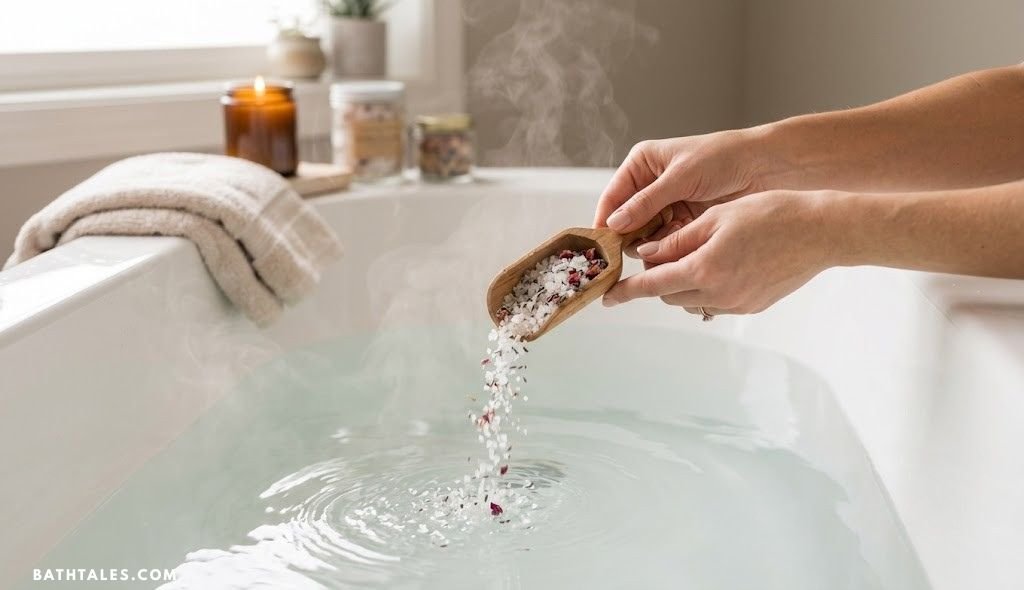
For mental relaxation, you’ll want to lean into the best bath salts for relaxation and sleep, which typically feature lavender or chamomile infusions. If you suffer from dry skin, look for the best bath salts for dry skin that contain added hydrators like colloidal oatmeal or coconut milk. Be sure to know exactly how much bath salt to use (usually 1 to 2 cups for a standard tub) to get the therapeutic benefits without wasting product.
The timing of when you add your bath salts matters more than most people realize. For maximum dissolution and even distribution, add your salts while the tub is still filling, ideally when the water is about halfway to your desired level. The turbulence of the running water helps the crystals dissolve completely, preventing that uncomfortable gritty sensation at the bottom of the tub. If you’re using a combination of salts and essential oils, mix the oils into the dry salts first, allowing the salt crystals to absorb and then carry the oils into the water evenly. This simple step prevents the oils from floating on the surface in concentrated puddles that can irritate your skin.
For those who enjoy a luxurious foam element alongside their therapeutic salts, there is a technique to achieving both. Add your bath salts first and allow them to dissolve completely. Then, add a small amount of a high-quality, sulfate-free bubble bath or liquid castile soap directly under the running faucet. The agitation will create bubbles, but the salts will prevent the foam from becoming excessive or drying. This way, you get the visual and sensory pleasure of bubbles without compromising the mineral benefits of your salts.

Pure Magnesium Bath Flakes
Elevate your soak with ultra-pure magnesium flakes. Better absorbed than traditional Epsom salts, these flakes melt away tension and prepare your body for deep, restorative sleep.
Shop Magnesium Flakes on AmazonHerbal & Botanical Bath Additions: Nature’s Apothecary
Long before commercial bath products lined store shelves, humans turned to the plants growing around them for healing and relaxation. Herbal baths remain one of the most effective and customizable ways to enhance your soaking experience. Fresh or dried herbs, flowers, and botanicals can be added directly to your bath water, releasing their therapeutic compounds through the warm water infusion.
Lavender is perhaps the most famous bath herb, and for good reason. Its essential oil contains linalool and linalyl acetate, compounds that have been clinically shown to reduce anxiety, lower blood pressure, and improve sleep quality. Adding a handful of dried lavender buds to your bath creates a gentle, sustained release of these calming compounds. For best results, place the buds in a muslin bag or reusable tea infuser to prevent them from sticking to your skin and clogging your drain.
Chamomile, another bathing staple, contains apigenin, an antioxidant that binds to specific receptors in your brain that promote sleepiness and reduce insomnia. Roman chamomile is particularly prized for its sweet, apple-like fragrance. Rose petals add a luxurious, romantic element to any bath while providing mild astringent and anti-inflammatory benefits for the skin. Calendula (pot marigold) petals are excellent for sensitive or irritated skin, possessing powerful healing properties that have been recognized in traditional medicine for centuries.
For a truly therapeutic herbal bath, consider creating a strong herbal “tea” before adding it to your tub. Steep a large handful of your chosen dried herbs in a quart of nearly boiling water for 15-20 minutes, strain the liquid, and add the concentrated infusion to your bath. This method extracts the water-soluble compounds more efficiently than simply floating herbs in warm bath water. Eucalyptus leaves prepared this way can transform your bath into a decongesting steam treatment, while rosemary infusion stimulates circulation and clears mental fog. Peppermint tea added to a bath creates an invigorating, cooling sensation perfect for hot summer evenings.
Oatmeal baths deserve special mention for their remarkable skin-soothing properties. Colloidal oatmeal—finely ground oats that remain suspended in water rather than sinking to the bottom—contains beta-glucans and avenanthramides, compounds that reduce inflammation, itching, and redness. For individuals with eczema, psoriasis, chickenpox, poison ivy, or sunburn, an oatmeal bath can provide hours of relief. Simply grind plain, unflavored rolled oats in a blender or food processor until they form a fine powder, then add one to two cups to your running bath water. The water will turn milky and feel silky against your skin.
4 Prepare Your Bath Accessories for Ultimate Comfort
Physical comfort is non-negotiable. If you are constantly shifting to keep your neck from resting on cold porcelain, you will never truly relax. Learning how to make a bath comfortable requires a few key accessories.
First, invest in a high-quality bath pillow. This supports your cervical spine and allows your shoulders to drop fully into the water. Second, a bamboo bath tray is essential. It acts as a bridge across your tub, holding your book, a cup of herbal tea, or a glass of water (hydration is critical while soaking). Third, keep a hand towel nearby to wipe sweat from your forehead, as the steam will naturally cause you to perspire.
Beyond these basics, consider the ergonomics of your specific bathtub. Many modern tubs are designed more for aesthetics than comfort, with steep, slippery backs that make it difficult to recline naturally. A full-length bath mat with suction cups not only prevents dangerous slips but also provides cushioning for your spine and tailbone. If your tub is particularly deep or long, a rolled towel placed behind your knees can prevent lower back strain by supporting your legs in a slightly bent position rather than forcing them to lie completely flat.
The positioning of your head and neck cannot be overstated. When your neck is unsupported, the muscles in your shoulders and upper back remain slightly tensed to stabilize your head, preventing the full-body release that characterizes a truly relaxing bath. A good bath pillow should be filled with quick-drying, mold-resistant materials like microbeads or ventilated foam. Look for pillows with multiple suction cups and a contoured shape that cradles your head while allowing your ears to remain above water. Some luxury bath pillows even incorporate aromatherapy pockets where you can insert dried lavender or chamomile for continuous fragrance release.
Modern Bath Technology: Smart Tubs & Innovative Accessories
The intersection of technology and bathing has produced remarkable innovations that can elevate your relaxation experience far beyond what was possible even a decade ago. While a simple, analog bath remains wonderfully effective, understanding the available technology allows you to make informed decisions about which upgrades might meaningfully enhance your routine.
Smart bathtubs represent the cutting edge of bathing technology. These digitally controlled tubs allow you to preset your ideal temperature, fill level, and even jet intensity from your smartphone before you ever step into the bathroom. Some models feature built-in chromatherapy lighting systems, underwater speakers with Bluetooth connectivity, and automated cleaning cycles that sanitize the tub after each use. While the investment is significant, for individuals who bathe regularly as part of a pain management or stress reduction protocol, the consistency and convenience can be worthwhile.
Whirlpool and air-jet systems deserve careful consideration. Traditional whirlpool jets propel streams of water against your body, providing a deep-tissue massage effect that can be incredibly effective for muscle tension and trigger point release. However, these systems can be difficult to clean thoroughly, as water can stagnate in the internal plumbing between uses. Air-jet systems, which release streams of warm air bubbles rather than recirculating water, provide a gentler, more hygienic alternative. The thousands of tiny bubbles create a champagne-like effervescence that feels luxurious against the skin while avoiding the maintenance concerns of water jets.
For those not ready to replace their entire tub, numerous after-market technologies can be added to an existing setup. Portable, battery-operated bath jets that suction to the side of your tub can transform a standard bath into a jetted spa experience for under a hundred dollars. Waterproof, floating Bluetooth speakers have become remarkably affordable and deliver impressive sound quality. Some models even feature built-in LED lights that pulse in rhythm with your music, creating an immersive audiovisual experience. Heated bath mats that warm up before you step out of the tub eliminate the jarring shock of cold tile on warm feet, extending the relaxation beyond the soak itself.
Safety Note: Always ensure any electrical device used in or near your bath is specifically rated for bathroom use and properly grounded. Look for products with IPX7 waterproof ratings, which indicate they can be submerged in water up to 1 meter deep. Never use devices connected to wall outlets while in the bath—battery-operated only.
5 Incorporate Sound and Aromatherapy
The sensory experience extends beyond touch and sight. Auditory and olfactory inputs have direct pathways to the emotional centers of your brain. To maximize relaxation, you must silence the noise of the house (or city) and introduce calming acoustics.
Use a waterproof Bluetooth speaker to play binaural beats, classical music, or nature sounds. Avoid podcasts with heavy dialogue, as processing language engages the analytical parts of your brain. Pair this with aromatherapy. Utilizing the best essential oils for bath salts—like eucalyptus, ylang-ylang, or bergamot—creates a spa-like atmosphere. If you are feeling under the weather, look into the best bath salts for cold and flu infused with peppermint or camphor to open your airways.
The science behind aromatherapy’s effectiveness is increasingly well-documented. When you inhale essential oil molecules, they travel through your olfactory nerves directly to the limbic system—the part of your brain that governs emotions, memories, and arousal. This direct neural pathway explains why certain scents can instantly evoke powerful emotional responses or transport you back to specific memories. Lavender, for example, has been shown in multiple clinical studies to decrease heart rate and blood pressure while increasing the production of alpha brain waves associated with relaxation. Bergamot oil, derived from a Mediterranean citrus fruit, has been found to reduce cortisol levels and improve mood in as little as 15 minutes of exposure.
Creating a personalized aromatherapy blend for your bath can be a rewarding creative practice. Start with a base note—a deep, lasting scent like cedarwood, sandalwood, or patchouli—which provides grounding and longevity to your blend. Add a middle note like lavender, rosemary, or geranium, which forms the heart of your fragrance. Finally, incorporate a top note like bergamot, lemon, or eucalyptus, which provides the initial bright impression that greets you when you first enter the bath. A balanced blend might include 3 drops of cedarwood, 5 drops of lavender, and 2 drops of bergamot, all diluted in a tablespoon of carrier oil before being added to your bath.

Organic Essential Oil Set for Baths
Safely infuse your bath salts with pure, therapeutic-grade essential oils. This set includes Lavender for sleep, Eucalyptus for breathing, and Ylang-Ylang for deep relaxation.
View Essential Oils on Amazon6 Practice In-Bath Mindfulness and Breathing
You have set the stage perfectly, but relaxation requires participation. If you sit in the tub ruminating over work emails, the physiological benefits are muted. You must actively disengage.
Close your eyes and practice the 4-7-8 breathing technique. Inhale deeply through your nose for 4 seconds, hold the breath for 7 seconds, and exhale forcefully through your mouth for 8 seconds. This specific rhythm acts as a natural tranquilizer for the nervous system. Focus on the sensation of gravity leaving your body as the water supports your weight. For many women finding their specific rhythm, reading about how to bath as a woman can provide tailored insights into hormone-balancing routines and targeted relaxation.
The 4-7-8 technique, developed by Dr. Andrew Weil, is particularly effective because the extended exhale activates the vagus nerve—the longest cranial nerve in the body, which serves as the main communication pathway between your brain and your parasympathetic nervous system. When you exhale slowly and completely, you stimulate the vagus nerve, which in turn signals your heart to slow down, your blood vessels to dilate, and your muscles to release tension. It is essentially a manual override switch for the stress response, and the warm bath environment amplifies its effects.
Beyond structured breathing, consider practicing a body scan meditation while soaking. Starting at the crown of your head and moving slowly downward, direct your attention to each part of your body in sequence. Notice any areas of tension or discomfort, and with each exhale, consciously release that tension. Feel how the warm water supports each body part—your shoulders floating, your spine decompressing, your legs buoyant and weightless. This practice not only deepens physical relaxation but also trains your interoceptive awareness—your ability to sense and interpret signals from within your own body. Improved interoception is associated with better emotional regulation and reduced anxiety.
Visualization techniques can add another dimension to your bath meditation. Imagine the warm water as a healing light or energy that penetrates your skin and soothes every layer of muscle, down to the bone. Picture stress and tension as a dark color or heavy substance that leaches out of your body and dissolves into the water, leaving you lighter and clearer with each passing minute. These mental images may feel abstract at first, but with practice, the mind-body connection strengthens, and the relaxation response becomes more automatic and profound.
Guided Bath Meditation: A Complete Script for Deep Relaxation
For those new to meditation or struggling to quiet a racing mind, having a structured mental framework can make all the difference. Below is a complete guided meditation script designed specifically for the bath environment. You can read through it before your bath and recall the general sequence, record yourself reading it slowly and play it back during your soak, or simply use it as inspiration for your own practice.
Begin by settling into your bath, ensuring your neck is supported and your limbs are comfortable. Close your eyes gently. Take three natural, unhurried breaths, simply noticing the sensation of air moving in and out of your body. Now, bring your awareness to the water surrounding you. Feel its temperature—not too hot, not too cool, but perfectly warm. Notice how it supports your weight. Your body is floating slightly, released from the constant pull of gravity that you carry all day. Your spine is lengthening, the spaces between your vertebrae expanding. Your shoulders are dropping away from your ears. Your jaw is unclenching.
With each inhale, imagine drawing in calmness and peace. See it as a soft, warm light entering your body with the breath. With each exhale, release tension. Picture it as a dark smoke or heavy fog leaving your body and dissolving harmlessly into the water. Now, focus on your feet. Feel them submerged in warmth. Any tension in your arches, your heels, your toes—breathe into that tension, and on the exhale, let it go. Move your awareness slowly upward to your ankles, your calves, your shins. The muscles are softening, releasing, letting go.
Continue this body scan through your knees, your thighs, your hips. The hips often hold deep emotional tension. Spend extra time here. Breathe warmth and release into your hip joints. Move up to your lower back, feeling the warmth penetrate the muscles that support your spine all day. Your abdomen is soft, rising and falling with each breath. Your chest is open, your heart beating steadily and calmly. Your shoulders, your upper back, your neck—all releasing. Finally, your face. The forehead smoothing, the eyes resting in their sockets, the cheeks soft, the jaw completely slack.
Rest here in this state of complete release for as long as you wish. There is nowhere to be, nothing to do. Only this moment, this warmth, this peace. When you are ready to conclude your meditation, begin to deepen your breath slightly. Wiggle your fingers and toes gently. Slowly, without rushing, open your eyes. Take this feeling of calm with you as you eventually leave the bath.
The Bath vs. Shower Debate for Relaxation
Many wonder if a long shower can replace a bath. While showers are superior for rapid cleansing and morning invigoration, the bath vs shower debate heavily favors baths when it comes to deep relaxation and mental health. Submersion in water provides hydrostatic pressure that showers simply cannot replicate. This pressure naturally calms the central nervous system, lowers cortisol levels, and prepares the brain for restorative sleep.
However, the debate has nuance worth exploring. Showers do offer distinct advantages that baths cannot match. The percussive sensation of water droplets hitting your skin can be stimulating and invigorating in ways that still water immersion is not. For individuals with limited mobility, showers are often more accessible and safer than climbing in and out of a bathtub. Cold showers, in particular, have been shown to increase alertness, improve circulation, and even boost immune function through the hormetic stress response—a mild, beneficial stress that strengthens the body’s resilience.
The ideal approach for many people is to combine both modalities strategically. A quick, warm shower before your bath ensures you are clean before soaking in therapeutic waters. Alternatively, ending a bath with a brief, cool shower rinse can close your pores, seal in moisture, and provide an invigorating finish that leaves you feeling refreshed rather than sluggish. This combination harnesses the unique benefits of both bathing methods, creating a comprehensive hydrotherapy experience that neither could achieve alone.
Seasonal Bathing: Adapting Your Ritual Throughout the Year
Just as our bodies’ needs change with the seasons, so too should our bathing rituals adapt. What feels restorative in January may feel stifling in July. Understanding seasonal bathing allows you to maintain a year-round practice that always feels appropriate and beneficial.
Winter baths are perhaps the most intuitively appealing. When cold winds blow and daylight dwindles, a warm bath becomes a sanctuary. Winter is the season for deep, penetrating warmth. This is the time to increase your bath temperature slightly (while remaining within safe limits) and extend your soaking time. Rich, grounding essential oils like cedarwood, frankincense, myrrh, and clove resonate with the introspective energy of winter. Add extra moisturizing ingredients to your bath—coconut milk, honey, or almond oil—to combat the drying effects of indoor heating and cold outdoor air. Winter baths before bed are particularly effective at raising your core temperature so that the subsequent drop triggers deep, restorative sleep.
Spring baths call for renewal and rejuvenation. After a long winter, spring baths can incorporate lighter, more uplifting scents—geranium, grapefruit, neroli, and jasmine. This is an excellent season for detoxifying soaks using bentonite clay or apple cider vinegar to support your body’s natural spring cleaning processes. Fresh herbs begin appearing in gardens and farmers’ markets; a handful of fresh rosemary, mint, or lemon balm added to your bath connects you to the season’s awakening energy.
Summer baths require the most adaptation. On hot, humid days, the thought of a warm bath can seem unbearable. Yet summer baths, when approached correctly, can actually cool you down. A tepid or even cool bath (around 85-90°F) lowers your core temperature and provides relief from heat. Add a few drops of peppermint or spearmint essential oil, which create a physiological cooling sensation even in warm water. Aloe vera gel added to a summer bath soothes sun-exposed skin. Summer is also the perfect season for outdoor bathing if you have access to a private yard and a portable soaking tub—bathing under the stars on a warm night is an experience everyone should have at least once.
Autumn baths embrace transition and preparation. As the air turns crisp, begin reintroducing warmer temperatures and richer moisturizers. Autumnal scents—cinnamon, cardamom, vanilla, and sweet orange—create a sense of coziness and comfort. This is an excellent season for foot baths and hand soaks that warm the extremities as the weather cools. Consider incorporating dried autumn leaves (safe, non-toxic varieties like maple or oak) as decorative elements around your tub, connecting your indoor ritual with the beauty of the changing season outside your window.
Deep Dive: Selecting Your Bath Products
Building your personal inventory of the best bath products is an ongoing journey. Let’s compare the core salts used in premium baths to help you make an informed decision.
| Type of Salt | Primary Mineral | Best Used For… | Key Benefit |
|---|---|---|---|
| Epsom Salt | Magnesium Sulfate | General muscle aches, tension | Highly accessible, fast dissolving, excellent for basic recovery. |
| Dead Sea Salt | Magnesium, Calcium, Potassium | Eczema, Psoriasis, Sensitive Skin | Rich 21-mineral profile deeply hydrates and repairs the skin barrier. |
| Magnesium Flakes | Magnesium Chloride | Athletic recovery, deep tissue relief | Absorbs incredibly efficiently into the cellular level. |
| Himalayan Pink Salt | Trace Minerals (Iron, Calcium) | Detoxification, skin purifying | Generates negative ions and provides an aesthetic, mineral-rich soak. |
If you are torn between options, understanding dead sea salt vs epsom salt comes down to your primary goal: use Epsom for the muscles, and Dead Sea for the skin. For an overall luxury experience, many look to the best himalayan pink bath salt. You can even learn how to make bath salts at home by blending a carrier salt with dried botanicals and skin-safe oils to ensure you get exactly what you want out of the best organic bath salts available.

100% Pure Dead Sea Salt
Transform your bath into a mineral-rich spa. Dead sea salt is renowned globally for its ability to calm sensitive skin, reduce eczema flare-ups, and intensely hydrate.
Shop Dead Sea Salt on AmazonBathing for Specific Skin Conditions: Therapeutic Approaches
For individuals managing chronic skin conditions, bathing can be either profoundly healing or inadvertently aggravating, depending on the approach. Understanding how to tailor your bath to your specific skin needs transforms a potential trigger into a powerful treatment tool.
Eczema, also known as atopic dermatitis, is characterized by an impaired skin barrier that allows moisture to escape and irritants to penetrate. The “soak and seal” method, recommended by dermatologists worldwide, involves soaking in lukewarm (never hot) water for 10-15 minutes, then immediately applying moisturizer to damp skin. Adding colloidal oatmeal to the bath provides anti-inflammatory benefits and relieves the intense itching that characterizes eczema flare-ups. Dead Sea salts, with their unique mineral composition, have been clinically shown to improve skin hydration, reduce roughness, and decrease inflammation in eczema patients. Avoid all synthetic fragrances, bubble baths, and harsh cleansers, which can strip what little natural oil remains in eczematous skin.
Psoriasis, an autoimmune condition causing rapid skin cell turnover and thick, scaly plaques, responds differently to bathing than eczema. While warm water helps soften and loosen scales, making them easier to remove gently, hot water can trigger the Koebner phenomenon—the appearance of new lesions at sites of skin trauma. Adding Epsom salts or Dead Sea salts helps reduce itching and scaling. Some individuals with psoriasis find that adding a small amount of coal tar solution (available over the counter) to their bath helps slow the excessive skin cell production. Always consult your dermatologist before adding medicated products to your bath.
Sensitive skin and rosacea require the gentlest bathing approach. Keep water temperature barely warm—around 92°F—to avoid triggering the facial flushing and burning that characterize rosacea. Add colloidal oatmeal or pure aloe vera gel to soothe reactive skin. Avoid essential oils entirely unless you have patch-tested them and confirmed no reaction, as even natural fragrances can provoke inflammation in highly sensitive individuals. Keep baths short (10 minutes maximum) and always follow with a fragrance-free, hypoallergenic moisturizer.
For those with keratosis pilaris—the rough, bumpy “chicken skin” commonly found on upper arms and thighs—regular baths with gentle exfoliating additives can help. Add a cup of whole milk or buttermilk to your bath; the lactic acid provides very gentle chemical exfoliation that smooths the keratin plugs causing the bumps. Follow with a moisturizer containing urea or ammonium lactate to maintain results. Consistency is key—weekly baths are more effective than aggressive, infrequent treatments that can irritate the skin.
Athletic Recovery: Contrast Therapy & Targeted Soaking Protocols
For athletes and fitness enthusiasts, the bath is not merely a relaxation tool—it is a critical component of training and recovery. Understanding how to use water therapy strategically can reduce soreness, accelerate healing, and improve performance over time. The two primary protocols used in sports medicine are contrast therapy and targeted magnesium soaking.
Contrast water therapy (CWT) alternates between warm and cold water immersion to create a pumping effect in the circulatory and lymphatic systems. This flushing action helps remove metabolic waste products like lactate while delivering fresh oxygen and nutrients to fatigued muscles. The standard protocol involves: 3-4 minutes in warm water (95-100°F), followed by 1-2 minutes in cold water (50-60°F), repeated for 3-5 cycles. Always end on cold if you need to be alert afterward, or end on warm if you are preparing for rest. This technique is particularly effective within 2 hours post-exercise, when muscle inflammation peaks.
For those without access to a cold plunge or who find cold immersion intolerable, a modified protocol can be done in a single bathtub. Fill the tub with comfortably warm water and soak for 5 minutes. Then, drain the tub and run cool water (as cold as you can tolerate) for 1-2 minutes. Refill with warm water and repeat. While not as efficient as having two separate baths, this method still provides many of the circulatory benefits of contrast therapy.
Magnesium soaking for athletes deserves special attention. Intense exercise depletes magnesium levels through sweat and increased metabolic demand. Magnesium is essential for muscle relaxation, as it serves as a natural calcium blocker—calcium causes muscles to contract, while magnesium allows them to release. Without adequate magnesium, muscles may remain in a semi-contracted state, contributing to stiffness, cramping, and delayed recovery. Soaking in magnesium chloride flakes (which absorb more efficiently than Epsom salts) for 20-30 minutes after intense training can replenish magnesium levels transdermally, bypassing the digestive system entirely. Many athletes report significantly reduced muscle soreness and faster recovery times when incorporating regular magnesium baths into their training regimen.
Targeted contrast therapy for specific injuries follows a slightly different protocol. For an acute ankle sprain, for example, alternating a bucket of warm water (95-100°F) and cool water (55-65°F) for the affected foot can reduce swelling and pain while promoting healing. Begin and end with cool water, and limit total treatment time to 20 minutes. This localized approach is particularly useful for injuries that don’t warrant full-body immersion.
Caution: Contrast therapy is not appropriate for everyone. Individuals with cardiovascular conditions, Raynaud’s disease, open wounds, or neuropathy should consult a healthcare provider before attempting cold immersion. The cold phase should be uncomfortable but never painful—if you experience numbness or severe discomfort, stop immediately.
Pregnancy & Postpartum Bathing: Safety Protocols and Comfort Techniques
Bathing during pregnancy can provide immense relief from the physical discomforts of carrying a growing baby—back pain, swollen ankles, pelvic pressure, and stress—but safety must remain the paramount concern. Understanding the guidelines allows expectant mothers to enjoy baths confidently throughout their pregnancy.
The primary risk during pregnancy is hyperthermia—elevating your core body temperature above 102.2°F (39°C)—which has been associated with an increased risk of neural tube defects, particularly during the first trimester. To prevent this, keep bath water at or below 100°F (37.8°C). Use a bath thermometer rather than relying on touch, as pregnancy can alter your perception of temperature. Limit soaking time to 15-20 minutes maximum, and avoid submerging your upper chest and shoulders, which helps your body regulate its temperature more effectively. If you begin to feel overheated, lightheaded, or if your skin becomes flushed, exit the bath immediately and cool down.
Pregnancy-safe bath additives can enhance comfort without introducing risk. Epsom salts are generally considered safe and can provide welcome relief for pregnancy-related muscle aches and swelling. Some midwives recommend specifically formulated pregnancy bath salts that contain gentle, obstetrician-approved ingredients. Avoid essential oils during the first trimester entirely, and afterward, only use those specifically deemed safe for pregnancy—lavender and chamomile in very diluted amounts are typically considered acceptable in the second and third trimesters, while oils like clary sage, rosemary, and juniper should be avoided throughout pregnancy due to their potential to stimulate uterine contractions.
Safety logistics become increasingly important as pregnancy progresses. As your center of gravity shifts and your joints loosen due to the hormone relaxin, your risk of slipping increases significantly. Install a non-slip bath mat with strong suction cups, and consider a bath seat or stool that allows you to sit partially submerged rather than trying to lower yourself all the way to the tub floor. Grab bars installed near the tub provide crucial stability when entering and exiting. Never take a bath when home alone in late pregnancy, and keep your phone within reach (but safely away from water) in case you need assistance.
Postpartum bathing presents its own considerations. After a vaginal delivery, warm baths can soothe perineal discomfort and promote healing of any tears or episiotomy sites. Sitz baths—shallow baths that submerge only the hips and buttocks—are frequently recommended by midwives and obstetricians. Adding Epsom salts or specially formulated postpartum herbal blends containing comfrey, calendula, and lavender can accelerate healing and provide comfort. After a cesarean section, however, you must wait until your incision is fully closed and your healthcare provider has cleared you for submersion, typically 4-6 weeks postpartum. Once cleared, warm baths can help ease the muscle tension that often develops from protecting the surgical site.
Creating Relaxation Baths for Children: Calming Overstimulated Nervous Systems
Children, perhaps even more than adults, benefit from the calming ritual of a warm bath. In a world of screens, schedules, and constant stimulation, a bath can serve as a sensory reset that helps children transition from the busy energy of daytime to the quiet calm of bedtime. However, children’s baths require different approaches based on age, temperament, and specific needs.
For babies and toddlers, bath time is primarily about gentle sensory engagement and establishing comforting routines. Water temperature should be carefully regulated to 98-100°F (always test with your elbow or a thermometer). A few drops of lavender essential oil, properly diluted in a carrier oil or whole milk before adding to the bath, can help calm fussy babies. Chamomile tea bags added directly to the bath water create a gentle, soothing soak. Never leave a child unattended in the bath, even for a moment, and keep all products, including “natural” ones, out of reach when not in use.
Preschool and early elementary-aged children often respond well to imaginative bath rituals. Turning bath time into a “spa night” with kid-safe face masks (plain yogurt and honey work wonderfully), cucumber slices for their eyes, and gentle music creates positive associations with self-care that can last a lifetime. Magnesium flakes, in reduced amounts (1/4 to 1/2 cup for a child’s bath), can help calm hyperactive nervous systems and improve sleep quality. Many parents of children with ADHD or sensory processing challenges report that regular magnesium baths significantly reduce evening dysregulation and improve sleep onset.
For children with autism spectrum disorder or sensory processing differences, baths can be either incredibly regulating or deeply distressing, depending on the child. Some children find the hydrostatic pressure of water deeply calming, essentially functioning as a full-body weighted blanket. Others may be hypersensitive to temperature, the sound of running water, or the sensation of certain bath products. Work with your child’s sensitivities rather than against them. Let them control the water temperature, choose unscented products if fragrances are overwhelming, and introduce new bath experiences gradually. For children who dislike baths, starting with foot soaks or hand baths can be a gentler introduction to water-based relaxation.
Teenagers, particularly those navigating the stress of academics, social pressures, and hormonal changes, can benefit enormously from baths positioned as a form of self-care rather than hygiene. Encourage teens to curate their own bath experiences—choosing their music, selecting their scents, setting up a bath tray with a book or journal. This autonomy makes the bath feel like a choice rather than a chore. Epsom salt baths can help with the muscle soreness that accompanies growth spurts and sports, while calming essential oils like bergamot and ylang-ylang can ease anxiety. The bath can also provide rare, uninterrupted solitude for teenagers who may share bedrooms or lack private space elsewhere in the home.
Global Bathing Traditions: Wisdom from Around the World
Bathing rituals exist in virtually every human culture, each offering unique wisdom about the relationship between water, body, and spirit. Exploring these traditions can enrich your personal practice and connect you to a lineage of human experience stretching back millennia.
The Japanese onsen tradition elevates bathing to a spiritual practice. Japan’s volcanic geology provides thousands of natural hot springs, each with unique mineral compositions believed to heal specific ailments. Onsen bathing follows a precise ritual: thorough cleansing outside the bath, slow and mindful entry into the water, quiet soaking without splashing or disturbance of others, and brief, intermittent cooling. The practice emphasizes purification of both body and spirit, and many Japanese people consider regular onsen visits essential to maintaining health and longevity. You can incorporate onsen principles at home by thoroughly showering before your bath, entering the water with mindful intention, and soaking in meditative silence rather than multitasking.
Turkish hammams represent a social bathing tradition that combines deep cleansing with community connection. The hammam ritual involves progressive heating in a steam-filled room, vigorous exfoliation using a rough kessa glove, and a foam massage using olive oil soap whipped into thick lather. This process removes dead skin cells, stimulates circulation, and leaves the skin remarkably soft. While a full hammam experience requires specialized architecture, you can recreate elements at home: begin your bath with gentle steam by running hot water before cooling it to soaking temperature, exfoliate your whole body with a natural loofah or exfoliating mitt, and use a rich, olive oil-based soap.
Russian banya traditions combine extreme heat with cold plunges and venik massage—being gently struck with bundles of birch, oak, or eucalyptus branches. While the sauna-like heat of a banya cannot be replicated in a standard bathtub, the principle of contrast—alternating between heat and cold—can be incorporated into your bath routine. Follow your warm bath with a brief cool rinse, or alternate between sitting in the bath and standing under a cool shower. The Russians believe this practice strengthens the immune system, improves circulation, and builds mental fortitude.
Native American sweat lodge ceremonies, while deeply sacred and not appropriate for casual replication, remind us of the spiritual dimensions of heat and steam. The intentionality of entering a heated, enclosed space for purification, prayer, and connection to something greater than oneself speaks to the universal human recognition that water and heat can serve as conduits for spiritual experience. While we may not replicate specific ceremonies, we can bring greater intentionality to our own bathing—viewing it not merely as hygiene but as an opportunity for gratitude, reflection, and renewal.
Cultural Appreciation Note: When learning from bathing traditions of other cultures, approach with respect and curiosity rather than appropriation. Understand the historical and spiritual context of these practices. Incorporate general principles—mindfulness, contrast, community—rather than mimicking sacred ceremonies removed from their cultural context.
Common Bathing Mistakes to Avoid
Even with the best intentions, certain habits can ruin the relaxing vibe of a bath.
- Staying in Too Long: A therapeutic soak should last 15 to 30 minutes. Staying in until the water goes cold or your skin severely prunes can cause dehydration.
- Using Foaming Bubble Baths: Most commercial bubble baths contain Sodium Laureth Sulfate (SLES) or SLS, which strip natural oils and disrupt the skin’s acid mantle. Stick to high-quality salts and oils instead.
- Using Expired Products: Yes, natural additives lose their potency. People often ask, “do bath salts expire?” The salt itself does not, but infused essential oils and botanical additives degrade and can turn rancid over time.
- Skipping the Rinse: If you use heavy bath oils or detoxifying muds/salts, always take a swift, 30-second lukewarm shower afterward to rinse residue off your skin.
- Neglecting Hydration: Warm baths induce sweating, which can lead to dehydration. Always bring a glass of cool water or herbal tea and sip throughout your soak.
- Using Too Many Products Simultaneously: Layering multiple bath bombs, oils, and salts can create a chemical cocktail that irritates skin. Choose one or two complementary products per bath.
- Bathing Immediately After a Heavy Meal: Digestion diverts blood flow to your stomach, while warm baths increase blood flow to your skin. This conflict can cause dizziness or nausea. Wait at least an hour after eating.
- Ignoring Safety Hazards: Slippery surfaces, unsecured bath mats, and electrical devices near water are preventable dangers. Address safety concerns before focusing on luxury.
- Overlooking Cleaning and Maintenance: A dirty tub undermines the psychological benefits of bathing. Rinse your tub after each use and deep clean weekly to prevent soap scum buildup and mold growth.
The Crucial Post-Bath Routine
The relaxation shouldn’t end the moment you pull the drain plug. How you exit the bath dictates how long the relaxing effects will last.
As you step out of the tub, gently pat your skin dry with a plush, warmed towel. Do not rub vigorously. While your skin is still damp (within 3 minutes of exiting the water), apply a rich body butter or a nourishing body oil (like jojoba or sweet almond oil). This locks in the moisture absorbed during the bath and repairs the lipid barrier.
Slip into loose, breathable cotton or silk loungewear. Avoid tight synthetic clothing. Finally, drink a large glass of cool water or non-caffeinated herbal tea to rehydrate your body from the inside out, as the warm water naturally induces slight sweating.
The post-bath window is also the ideal time to extend your self-care routine. While your skin is still damp and your cuticles are soft from the warm water, gently push back your cuticles with an orange stick and apply cuticle oil. Your feet, softened by the soak, are perfectly prepped for using a pumice stone on any rough patches, followed by a rich foot cream and cotton socks. These small acts of care compound the benefits of your bath, leaving you feeling thoroughly pampered from head to toe.
Temperature management after your bath influences how long relaxation lasts. Avoid immediately stepping into a cold room or blasting yourself with air conditioning. Wrap yourself in a warm robe, keep the bathroom door closed to retain the warm steam, and transition gradually to cooler environments. If your goal is sleep, this gradual cooling—combined with the natural drop in core temperature that occurs after exiting warm water—will help you fall asleep more quickly and enjoy deeper, more restorative rest.
DIY Bath Product Recipes: Crafting Your Own Soaking Experience
Creating your own bath products is not only cost-effective but allows complete control over ingredients, ensuring you know exactly what touches your skin. The process itself can be meditative, extending the relaxation ritual beyond the bath itself.
Basic Relaxation Bath Salts: Combine 2 cups of Epsom salt, 1/2 cup of Dead Sea salt, and 1/4 cup of baking soda in a large mixing bowl. Add 15-20 drops of lavender essential oil and 10 drops of cedarwood essential oil, stirring thoroughly to distribute. If desired, add 2 tablespoons of dried lavender buds or rose petals. Store in an airtight glass jar. Use 1/2 to 1 cup per bath. This basic recipe can be endlessly customized—swap lavender and cedarwood for eucalyptus and peppermint for a decongesting blend, or sweet orange and vanilla for an uplifting, cheerful soak.
Moisturizing Milk Bath: Combine 2 cups of whole milk powder, 1/2 cup of colloidal oatmeal (finely ground oats), 1/4 cup of honey powder (or use 2 tablespoons of liquid honey added directly to the bath), and 1/4 cup of almond oil. Add 10 drops of chamomile essential oil if desired. Use 1/2 cup per bath. The lactic acid in the milk gently exfoliates while the fats moisturize, leaving your skin impossibly soft. This bath is particularly beneficial during winter months or for individuals with dry, flaky skin.
Detoxifying Clay Bath: Mix 1 cup of bentonite clay with 1 cup of Epsom salt and 1/2 cup of apple cider vinegar powder (or add 1/4 cup of liquid apple cider vinegar directly to the bath). Add 10 drops of tea tree oil and 10 drops of lemon essential oil. Use 1/2 cup per bath. The bentonite clay draws impurities from the skin through ionic attraction, while the apple cider vinegar balances pH. This bath is excellent when you feel under the weather or have been exposed to environmental pollutants. Note: bentonite clay should never come into contact with metal utensils, as it reduces its effectiveness—use glass or ceramic bowls and wooden spoons when preparing.
Energizing Morning Bath Melts: In a double boiler, gently melt 1/2 cup of cocoa butter, 1/4 cup of coconut oil, and 2 tablespoons of shea butter. Remove from heat and stir in 20 drops of grapefruit essential oil, 15 drops of rosemary essential oil, and 10 drops of peppermint essential oil. Pour into silicone molds and refrigerate until solid. Drop one melt into your morning bath for an invigorating, skin-softening experience that replaces coffee-like alertness with calm, focused energy. The cocoa butter smells subtly of chocolate and provides deep moisturization.
Storage and Safety: All DIY bath products should be stored in airtight containers away from heat, light, and moisture. Label each container with the ingredients and date of creation. Most bath salts last 6-12 months; bath melts containing oils should be used within 3 months. Always perform a patch test before using a new product, particularly those containing essential oils, by applying a small amount to your inner forearm and waiting 24 hours to check for any reaction.
Sleep Science: How Baths Regulate Circadian Rhythms
The connection between bathing and sleep is one of the most well-researched aspects of hydrotherapy. Multiple studies have demonstrated that a properly timed warm bath can significantly improve both sleep onset (how quickly you fall asleep) and sleep quality (how restorative that sleep is). Understanding the mechanism allows you to optimize your bath timing for maximum sleep benefits.
The sleep-bath connection operates through thermoregulation—your body’s management of its internal temperature. Throughout the day, your core body temperature follows a predictable circadian rhythm, rising in the morning to promote wakefulness and gradually falling in the evening to facilitate sleep. A warm bath artificially raises your core temperature. When you exit the bath, your body rapidly cools through vasodilation—blood vessels near the skin’s surface expand to release heat. This cooling signal is interpreted by your brain’s suprachiasmatic nucleus (your master circadian clock) as a powerful “time to sleep” cue. The steeper the temperature drop, the stronger the sleep signal.
Timing is critical for sleep optimization. Research published in the journal Sleep Medicine Reviews indicates that bathing 1-2 hours before bedtime, with water around 104°F (40°C) for just 10 minutes, results in the most significant improvements in sleep quality. The 1-2 hour window allows your core temperature to peak and then begin its descent just as you are climbing into bed. Bathing immediately before bed is less effective because your body is still too warm, which can actually delay sleep onset. If you prefer longer, more leisurely baths, bathe earlier in the evening at a slightly lower temperature (around 100°F) to avoid raising your core temperature excessively.
For shift workers or individuals with disrupted circadian rhythms (common in new parents, frequent travelers, and those with certain medical conditions), strategic bathing can help reset internal clocks. A warm bath timed to coincide with when you want your body to begin cooling down can help anchor a new sleep schedule. This is particularly useful for managing jet lag—a warm bath in the evening at your destination, even if your body feels it’s afternoon, can help accelerate adaptation to the new time zone.
Bathing for Mental Health: Anxiety, Depression, and Emotional Regulation
The mental health benefits of regular bathing extend far beyond the simple pleasures of warmth and quiet. Research increasingly supports the use of hydrotherapy as a complementary treatment for anxiety disorders, depression, and general emotional dysregulation. While baths should never replace professional mental health care, they can serve as a powerful tool within a comprehensive wellness strategy.
Anxiety responds particularly well to warm water immersion. The combination of hydrostatic pressure, warmth, and buoyancy creates a sensory environment that directly counters the physiological state of anxiety. When you are anxious, your sympathetic nervous system is activated—your heart races, your muscles tense, your breathing becomes shallow and rapid. A warm bath pushes back against every one of these responses. The water pressure calms your heart rate through improved venous return, the warmth relaxes tense muscles, and the quiet environment encourages deeper, slower breathing. Regular evening baths have been shown to reduce baseline anxiety levels over time, not just provide temporary relief during the bath itself.
Depression presents a more complex relationship with bathing. One of the hallmark symptoms of depression is anhedonia—the inability to experience pleasure from activities that were once enjoyable. Someone experiencing depression may find it difficult to muster the motivation to run a bath, and even once in the water, may struggle to feel the relaxation they seek. This is where ritual and routine become particularly important. Rather than waiting to feel motivated, schedule baths at regular intervals as a form of behavioral activation—a therapeutic technique that encourages engagement in potentially rewarding activities even when motivation is low. The sensory warmth and solitude may not immediately feel pleasurable, but over time, the consistent practice can help re-establish neural pathways associated with self-care and comfort.
For individuals with trauma histories, particularly those involving the body, bathing can be complicated. The vulnerability of being undressed and alone in a confined space may trigger hypervigilance or dissociation. If this resonates, approach bathing with trauma-informed care. Keep the bathroom door unlocked if that feels safer. Use clear water rather than opaque bath products so you can see your body. Keep lights on rather than dimming them. Consider starting with foot baths or sitting beside the tub with your feet in the water before progressing to full submersion. These adaptations honor your nervous system’s need for safety while still accessing the therapeutic benefits of water. Working with a trauma-informed therapist alongside developing a bathing practice can be particularly helpful.
Frequently Asked Questions (FAQs)
How long should a relaxing bath last?
The sweet spot is 15 to 30 minutes. This is enough time for your muscles to relax and minerals to absorb, but not so long that your skin barrier gets compromised.
Can I read a book while bathing?
Absolutely, but ensure you use a sturdy bath tray to keep the book dry and prevent arm fatigue. Reading fiction is highly recommended over non-fiction to help your mind escape and relax.
Should I shower before taking a bath?
If you are very sweaty or dirty from a workout, taking a quick rinse before your bath is a great idea. It allows you to steep in clean, therapeutic water rather than sitting in grime.
Are bath bombs good for relaxation?
While aesthetically pleasing, many commercial bath bombs contain artificial fragrances and dyes that can irritate the skin and disrupt pH levels. Opt for natural bath salts and pure essential oils for true physiological relaxation.
How can I make my bathtub more comfortable?
Invest in a waterproof bath pillow that supports your neck and shoulders. Also, consider placing a rolled-up towel behind your knees to reduce strain on your lower back while sitting in the tub.
What time of day is best for a relaxing bath?
Taking a warm bath 1 to 2 hours before bed is ideal. The subsequent drop in your body temperature after exiting the tub signals to your brain that it’s time to sleep, promoting deeper rest.
How often should I take a relaxing bath?
For most skin types, 2 to 3 times a week is optimal. Daily hot baths can lead to dry, itchy skin unless you are extremely diligent with your post-bath moisturizing routine.
Can I drink wine in the bath?
While popular in movies, combining alcohol with hot water can cause your blood pressure to drop rapidly, leading to dizziness or fainting. Stick to herbal tea or infused water for a truly restorative experience.
How does hard water affect my bath experience?
Hard water contains high mineral content that can reduce the effectiveness of bath salts and soaps, leave residue on your skin and tub, and potentially worsen dryness. Installing a bath filter or adding baking soda can help soften the water.
What are the best bath additives for sensitive skin?
Colloidal oatmeal, Dead Sea salts, and pure magnesium flakes are excellent for sensitive skin. Avoid synthetic fragrances, artificial dyes, and foaming agents, which are common triggers for irritation and allergic reactions.
Can children use Epsom salts in their bath?
Yes, children can use Epsom salts in reduced amounts. Use 1/4 to 1/2 cup for a standard child’s bath. Always ensure the salts are fully dissolved to prevent slipping on undissolved crystals, and supervise children at all times.
How do I clean my bathtub after using oils and salts?
After draining, sprinkle baking soda around the tub and scrub with a soft sponge or cloth. The baking soda gently removes oil residue without scratching surfaces. For stubborn rings, a paste of baking soda and white vinegar works effectively. Rinse thoroughly with warm water.
Conclusion: Your Bathroom is a Sanctuary
Learning exactly how to make a bath more relaxing is about intentionality. By controlling the temperature, managing the ambiance, utilizing the therapeutic properties of various salts, and actively engaging in mindfulness, you turn a routine hygiene task into a powerful pillar of your self-care regimen.
The journey toward mastering the art of the bath is ongoing and deeply personal. What relaxes one person may not work for another, and your own needs will shift with the seasons, your health, your emotional state, and the phases of your life. The framework presented in this guide—understanding hydrotherapy science, optimizing your environment, selecting appropriate products, and cultivating mindfulness—provides a foundation upon which you can build your unique practice. Experiment with different temperatures, different additives, different times of day. Keep a mental or written note of what feels most restorative and what falls flat. Over time, you will develop an intuitive sense of exactly what your body and mind need from each bath.
Beyond the individual benefits, reclaiming bathing as a ritual rather than a chore is an act of resistance against a culture that often equates constant productivity with worth. To consciously set aside time to be still, to be warm, to be unproductive in the traditional sense, is to assert that your well-being matters. The bath becomes a daily or weekly reminder that you deserve care, comfort, and peace—not as a reward for accomplishment, but as a fundamental aspect of being human.
Start small tonight. Dim the lights, draw the water at an optimal 98°F, add two cups of your preferred magnesium flakes, and leave your phone in the other room. Close your eyes. Breathe. Let the water hold you. Your mind and body will thank you, and with practice, you may find that the bath becomes not just something you do, but a place you become—a sanctuary that travels with you wherever life takes you.
Ready to Upgrade Your Soak?
Explore our curated selection of top-tier bath essentials to transform your bathroom into a 5-star spa.
Shop All Bath Essentials on Amazon