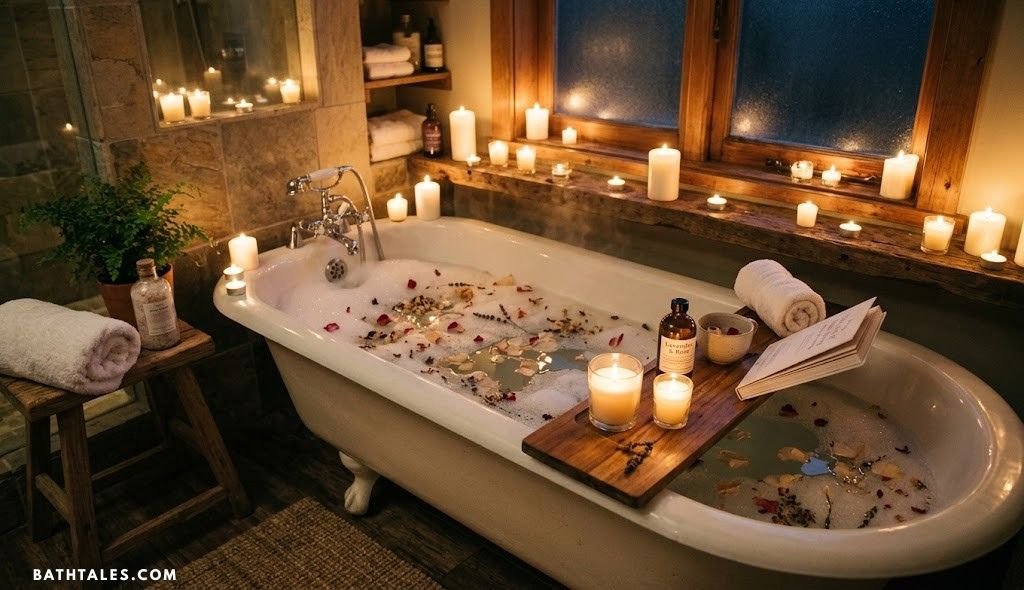
How Do You Take a Bath? A Complete Step-by-Step Guide
From filling the tub to the last rinse — everything you need to turn an ordinary bath into a genuinely restorative ritual.
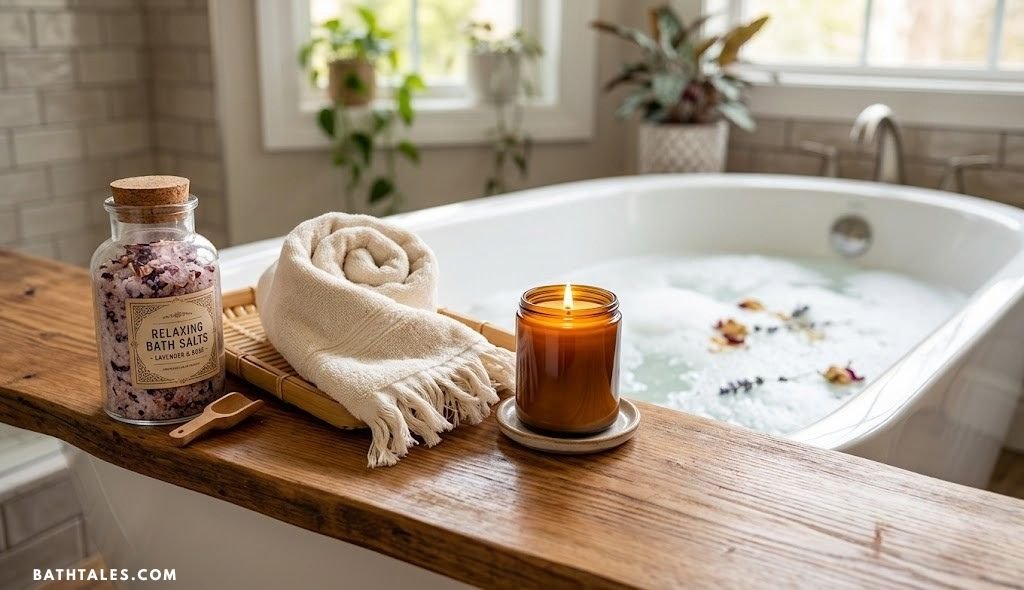
Why a Proper Bath Matters
Most of us learned to bathe as toddlers and never really revisited the technique since. But there’s a real difference between “sitting in warm water” and taking a bath that actually does something for your body and mind.
A well-run bath does more than clean skin. The right water temperature relaxes muscle tissue, gentle heat can ease tension headaches and menstrual cramps, and the quiet, screen-free window itself lowers cortisol for a lot of people. On the other end, a rushed or poorly set-up bath — water too hot, no plan for what comes after, nothing to protect your skin from drying out — can leave you feeling worse than before you got in.
This guide walks through the entire process in order: prepping the room, filling the tub, choosing the right temperature and soak time, and finishing with the post-bath care that determines whether your skin feels soft or tight and dry an hour later. If you want a broader framework for building bathing into your week rather than a one-off, our guide to a complete bath routine is a good next stop.
What You Need Before You Start
Gathering everything ahead of time is what separates a relaxing bath from a stressful one where you’re dripping across the bathroom floor looking for a towel. Here’s the short list:
- A clean tub — soap scum and residue from the last bath will float right back onto your skin.
- A bath thermometer or your wrist — to check the water isn’t scalding.
- A towel and robe, placed within arm’s reach of the tub, not in another room.
- Your chosen bath additive — salts, oils, or bubble bath, measured out beforehand. See our guide on how much bath salt to use if you’re unsure of the right amount.
- Water and a snack if you plan to soak for more than 15 minutes — heat and dehydration go together more than people expect.
- A non-slip mat for the tub floor, especially important for older adults or anyone bathing with mobility concerns.
It also helps to think about the room itself, not just the tub. A few small touches — dimmer lighting, a candle, a folded towel warming on the radiator — go a long way, and we cover this in more depth in how to make a bath more comfortable.

Ready to upgrade your soak? A good Epsom or mineral salt is the single easiest change you can make to any bath.
Shop Bath Salts on AmazonStep-by-Step: How to Take a Bath
Here’s the full process broken into six steps, from an empty tub to stepping out feeling genuinely relaxed rather than just wet.
1Prepare the Bathroom
Close the door, turn off overhead lighting if you have a lamp or candles as an alternative, and set out your towel, robe, and any drink or book you want within reach. Doing this before you run the water means you’re not hunting for a towel dripping wet later.
2Clean the Tub
Give the basin a quick wipe with a mild cleaner, even if it looks clean. Soap film and residue from previous baths sit on the surface and will transfer straight onto damp skin once you get in.
3Fill the Tub and Check Temperature
Start the water running, mixing hot and cold as it fills rather than adjusting after the tub is full — this keeps the temperature even throughout instead of hot on top and cool underneath. Check with a thermometer or the inside of your wrist before getting in.
4Add Your Bath Product
Add salts, oils, or bubble bath once the tub is mostly full, ideally while the water is still moving from the tap so it disperses evenly rather than clumping in one spot. If you’re using Epsom or Dead Sea salt, our comparison of Dead Sea salt vs. Epsom salt can help you pick.
5Get In and Soak
Lower yourself in slowly, letting your body adjust to the heat rather than dropping in all at once. Settle into a soak of roughly 15–20 minutes (more on timing below) and let your shoulders and jaw actually unclench — most people hold tension there without noticing.
6Drain, Rinse, and Moisturize
When you’re ready to finish, drain the tub before standing up rather than after — standing in a half-drained tub is a common slip hazard. Rinse off with a quick lukewarm shower or splash to remove any salt or oil residue, pat (don’t rub) skin dry, and moisturize immediately while skin is still slightly damp. We cover the full routine in the best bath routine guide.

Skip the guesswork. A simple bath thermometer takes the guessing out of “is this too hot?” every single time.
Shop Bath Thermometers on AmazonGetting the Water Temperature Right
Temperature is the single biggest factor in whether a bath actually relaxes you or leaves your skin irritated and your heart rate elevated. Most people’s instinct is to go hotter than is actually useful.
| Temperature Range | Best For | Notes |
|---|---|---|
| 92–96°F (33–35°C) | Cooling down, sensitive skin, hot climates | Gentle, won’t dry skin out |
| 97–100°F (36–38°C) | Everyday relaxation | Close to body temperature, good default |
| 101–104°F (38–40°C) | Muscle soreness, stress relief | Most common “spa” range |
| 105°F+ (40°C+) | Occasional deep soak only | Avoid long soaks; can dehydrate or irritate skin |
If you’re prone to dry or reactive skin, staying on the cooler end of that range and pairing it with the right additive matters more than the water temperature alone — see our roundup of best bath salts for dry skin for options that won’t compound the problem.
How Long Should You Soak?
Fifteen to twenty minutes is the range most dermatologists and physical therapists land on, and there’s a real reason for it. Under that, the water hasn’t had time to do much beyond wetting your skin. Well over 30 minutes, and skin starts to lose natural oils faster than it can replace them, especially in hot water.
Shorter Soaks (5–10 min)
- Good for quick unwinding before bed
- Lower risk of skin dryness
- Easier on time-limited schedules
Longer Soaks (25–40 min)
- Better for muscle recovery and deep relaxation
- Needs a moisturizer afterward, no exceptions
- Can leave you lightheaded if water is too hot — hydrate first
Bath vs. Shower: Which Is Better?
This isn’t really a competition — the two serve different purposes. A shower is faster and generally more water-efficient; a bath is slower, more relaxing, and better suited to muscle soreness, stress relief, or a wind-down ritual before sleep. Our full breakdown of bath vs. shower goes deeper into the hygiene and skin-health angles, but here’s the short version:
| Factor | Bath | Shower |
|---|---|---|
| Time | 20–40 minutes typical | 5–10 minutes typical |
| Muscle relief | Strong (full-body heat soak) | Moderate |
| Water use | Higher per session | Lower per session |
| Relaxation value | High — ritual, stillness | Lower — functional |
| Best for | Evening wind-down, sore muscles, self-care | Quick daily cleansing |
Enhancing Your Bath With Salts & Oils
Plain water cleans, but the right additive is what turns a bath into something closer to therapy. Different salts and oils target different goals, so it’s worth matching the product to what you actually need that day rather than grabbing whatever’s on the shelf.
Choosing a Bath Salt
Epsom salt (magnesium sulfate) is the most common choice for muscle soreness — see best bath salts for muscle soreness. Dead Sea and Himalayan pink salts bring a broader mineral profile and are popular for skin support; compare them in our Himalayan pink salt guide. If sleep is the goal, look at formulas built specifically for that in best bath salts for relaxation and sleep.
For anyone who wants to skip pre-made blends, making your own is genuinely simple — our how to make bath salts at home guide covers ratios and ingredients, and it’s worth knowing that bath salts do eventually expire, so check your stock periodically.
Choosing an Essential Oil
Oils like lavender, eucalyptus, and chamomile pair well with salt soaks, but should always be diluted rather than dropped directly into water. Our guide to best essential oils for bath salts covers safe ratios and combinations.
If You’re Detoxing or Fighting a Cold
A warm salt bath is a genuinely comforting (if not miracle) tool during a cold — see best bath salts for cold and flu. For a general reset, our best detox bath salts roundup is a good starting point, and if you’re comparing magnesium-based products specifically, see magnesium flakes vs. Epsom salt.

Add a calming scent. A few drops of properly diluted lavender or eucalyptus oil turns a soak into a full sensory reset.
Shop Essential Oils on AmazonBathing for Different Needs
The basic method above works for almost everyone, but a few situations call for small adjustments.
Bathing as a Woman
There are a few extra considerations around hygiene, timing, and product choice worth knowing — our dedicated guide on how to bath as a woman covers this in detail.
Pregnancy
Warm (not hot) baths are generally considered safe during pregnancy, but temperature limits are stricter and certain oils should be avoided. See best bath salts for pregnancy before adding anything to the water.
Sensitive Skin or Eczema
Fragrance-heavy products and very hot water are the two biggest triggers for flare-ups. Our guides to best bath salts for sensitive skin and best bath salts for eczema cover gentler formulas.
Athletes and Active Recovery
If you’re bathing after a workout or race rather than for relaxation, the salt concentration and timing shift slightly — see best bath salts for athletes.
Preferring Natural or Organic Products
If you’d rather avoid synthetic fragrance and dyes altogether, our best organic bath salts list sticks to cleaner formulations.
Common Bathing Mistakes to Avoid
Mistakes That Undo the Benefit
- Water too hot for too long — strips natural oils
- Skipping moisturizer immediately after
- Using scented products on already-irritated skin
- Standing up before draining the tub
- Bathing right after a heavy meal
- Not rehydrating before or after a long soak
Easy Fixes
- Keep water at 100–104°F for most soaks
- Apply lotion or oil while skin is still damp
- Choose fragrance-free products if skin is reactive
- Drain first, then stand
- Wait 30–60 minutes after eating
- Keep water nearby during longer soaks
Post-Bath Skincare Routine
What you do in the five minutes after your bath matters almost as much as the bath itself. Hot water opens pores and temporarily softens the skin’s outer barrier, which means it’s the ideal moment to lock in moisture — and the worst moment to let skin air-dry completely, since that pulls moisture back out.
- Pat skin dry gently, leaving it slightly damp rather than bone dry.
- Apply a body oil or thick moisturizer within two to three minutes of getting out.
- Drink a glass of water, especially after a longer or hotter soak.
- Give hair a final cool-water rinse if you washed it, to help smooth the cuticle.
For a fuller checklist, our best bath routine guide walks through the entire before-during-after sequence.
Creating a Spa-Like Atmosphere
None of the technical steps above matter much if the room itself feels rushed or cluttered. A few small, low-effort changes make a disproportionate difference:
- Lighting: switch off overhead lights; use a candle or a single warm lamp.
- Sound: quiet instrumental music or nothing at all — this is one of the few times silence is genuinely restful.
- Temperature of the room: a warm bathroom keeps you from feeling a cold shock the moment you step out.
- Scent: a diluted essential oil or a lightly scented candle, not both at full strength.
Our dedicated guide on how to make a bath more relaxing goes further into building this into a repeatable ritual, and if you want product recommendations across the board, see best bath products.

Set the scene. A simple bath tray keeps your candle, drink, and book within reach without balancing anything on the tub edge.
Shop Bath Trays on AmazonBath Safety Tips
A relaxing bath should never come with real risk, and most bath-related injuries come down to a handful of avoidable causes.
| Risk | How to Avoid It |
|---|---|
| Slipping | Use a non-slip mat; drain before standing |
| Overheating / lightheadedness | Keep water under 104°F; limit long soaks; hydrate |
| Skin irritation | Patch-test new products; rinse fragrance-heavy soaks fully |
| Electrical hazards | Keep phones, hair tools, and heaters well away from the tub |
| Falling asleep in the tub | Set a timer; avoid bathing right after alcohol or sedatives |
Frequently Asked Questions
How long should a bath be for it to be relaxing?
Fifteen to twenty minutes is generally enough to feel the relaxation benefits without overdrying skin. Longer soaks up to 30–40 minutes are fine occasionally, as long as you moisturize well afterward.
What is the ideal bath water temperature?
Most people find 100–104°F (38–40°C) comfortable and effective for relaxation without irritating the skin. Sensitive skin does better closer to 95–98°F.
Should you wash your hair before or after your body in the bath?
Washing hair first is generally preferred, since conditioner residue rinsed later can otherwise sit on skin. It also means you’re not tilting your head back over already-used bathwater.
Is it bad to take a bath every day?
Daily baths are fine for most people as long as water isn’t excessively hot and skin is moisturized afterward. Those with very dry or reactive skin may do better spacing baths out every other day.
Do you need to shower after a bath?
A quick rinse after a bath, especially one with oils or salts, helps remove residue that could otherwise sit on the skin as it dries. It doesn’t need to be a full second shower — a brief lukewarm rinse is enough.
Can you take a bath with a cut or open wound?
Small, healed-over scrapes are generally fine, but open wounds should be kept dry, or covered with a waterproof bandage, until they’ve closed. Soaking an open wound can slow healing and introduce bacteria.
Why do I feel dizzy after a hot bath?
Hot water dilates blood vessels near the skin’s surface, which can temporarily lower blood pressure and cause lightheadedness, especially when standing up quickly. Rising slowly and staying hydrated usually prevents this.
What’s the difference between bath salts and bubble bath?
Bath salts dissolve into the water and are typically mineral-based, aimed at muscle relief or skin support. Bubble bath is a surfactant-based foaming product, more about sensory experience than mineral benefit, and can be more drying for some skin types.
Can bath salts be used in a shower instead of a bath?
Yes, though the effect is different — salts work partly through prolonged skin contact with dissolved minerals, which a quick shower doesn’t allow for. Some people use a salt scrub version in the shower for exfoliation instead.
How often should you deep-clean the bathtub itself?
A quick wipe after each use prevents buildup, with a deeper clean weekly to remove soap scum, mineral deposits, and any residue from bath products.
Is it safe to bathe with essential oils undiluted?
No — undiluted essential oils can irritate skin, especially in warm water where absorption increases. They should always be mixed into a carrier like a salt base or a small amount of oil first.
Why does my skin feel tight after a bath?
Tightness usually means the water was too hot, the soak ran too long, or moisturizer wasn’t applied quickly enough afterward. Adjusting any one of those three factors typically resolves it.
Bring It All Together
A great bath isn’t complicated — it’s a handful of small, deliberate choices: clean tub, right temperature, the right amount of time, a product that matches your skin, and a few minutes of care afterward. Put those pieces together and an ordinary bath turns into the best part of your day.
Shop Bath Essentials on Amazon
Pingback: How to Bathe as a Woman: A Complete, No-Nonsense Guide