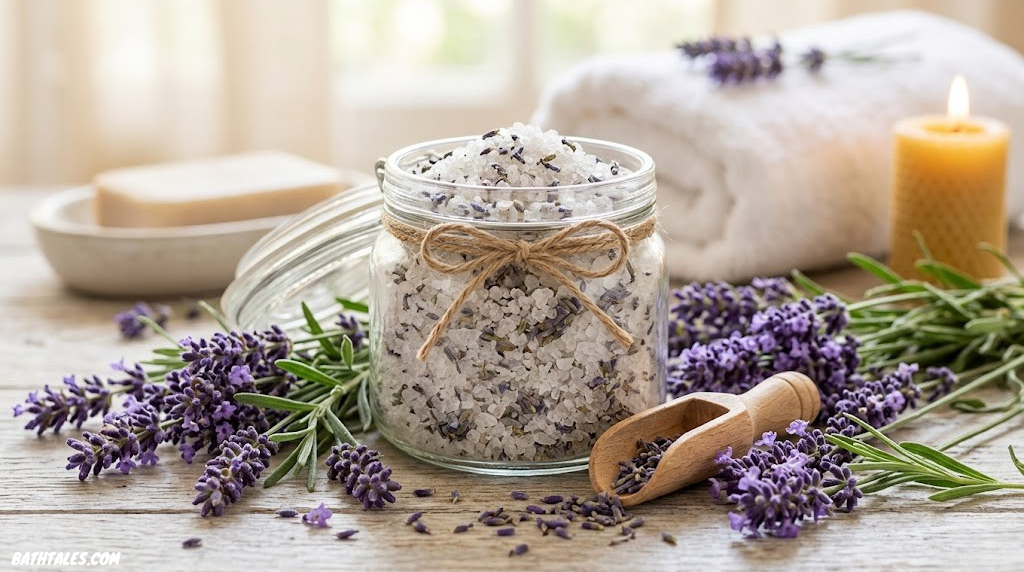
Do Bath Salts Expire? The Surprising Truth About Your Soaking Crystals
Discover how long minerals like Epsom salt, Dead Sea salt, and essential oil blends truly last before they lose their therapeutic potency.
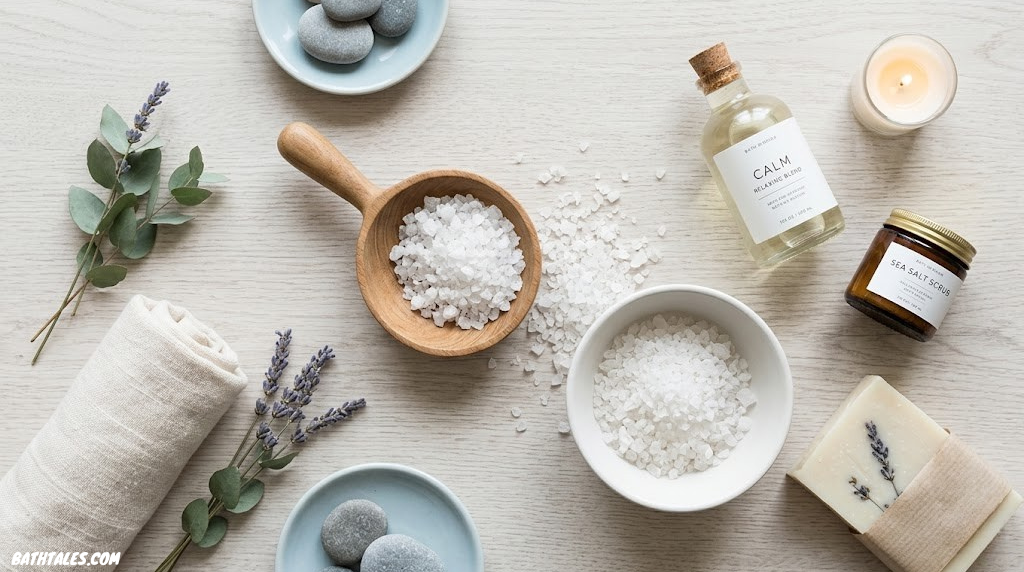
Unwinding after a chaotic day by sinking into a warm, mineral-rich bath is one of life’s accessible luxuries. Whether you are seeking the best bath salts for relaxation and sleep or pouring a generous scoop of minerals to ease physical exhaustion after an intense workout, the expectation is always the same: pure, rejuvenating comfort. But if you have dug deep into your linen closet and pulled out a forgotten, dusty jar of crystalline minerals, a vital question naturally arises: Do bath salts expire?
The short answer is both simple and surprisingly nuanced. Pure mineral salts, from a strictly chemical standpoint, do not have an expiration date. However, the commercial products sitting on your bathroom shelves are rarely just raw elements; they are complex formulations laced with delicate botanicals, essential oils, and aromatic blends. Over time, these additives degrade, transform, and can completely alter the efficacy and safety of your bath. Understanding the molecular lifespan of your bath products ensures that every soak remains deeply restorative rather than a vector for skin irritation.
1. The Chemical Reality of Mineral Salts
To truly grasp how long bath products last, we must separate the underlying mineral foundations from the volatile fragrance mixtures layered on top. Pure mineral crystals—such as magnesium sulfate, sodium chloride, and potassium chloride—are remarkably stable inorganic compounds. They do not possess the organic cellular structures required for biological decay, meaning they cannot support the growth of bacteria, mold, or fungi unless they are contaminated by external moisture and organic debris.
When you use best organic bath salts, the foundational minerals themselves remain perpetually stable. Geologists routinely harvest mineral salts that have been trapped deep within underground deposits for hundreds of millions of years. When these minerals are extracted and package-sealed, their fundamental chemical matrix does not break down or spoil. The crystalline lattice remains completely unchanged by the mere passage of standard time.
| Mineral Compound | Chemical Formula | Natural Shelf Life | Primary Vulnerability |
|---|---|---|---|
| Magnesium Sulfate (Epsom) | MgSO₄·7H₂O | Indefinite (Pure Form) | High ambient humidity (Dehydration/Liquefaction) |
| Sodium Chloride (Sea Salt) | NaCl | Indefinite (Pure Form) | Moisture absorption and caking |
| Himalayan Pink Salt | NaCl + Trace Minerals | Indefinite (Pure Form) | Direct environmental water contact |
However, the moment a manufacturing facility introduces secondary ingredients to create targeted therapeutic profiles—such as blending formulas tailored as the best bath salts for cold and flu—the countdown timer begins. Essential oils, organic carrier oils, and natural colorants are volatile organic matrices. These substances degrade via oxidative processes, fundamentally transforming an otherwise immortal mineral foundation into a product with a finite, clear operational lifespan.

Check out our top-tested, high-purity mineral formulas that maintain structural potency for years under proper storage conditions.
Shop Pure Minerals On Amazon2. Epsom vs. Dead Sea Salt Longevity
Different mineral foundations exhibit unique physical interactions with their environment, which directly impacts how they age on your shelf. Let us break down the behavioral dynamics of the two most prevalent soaking options in the wellness space: Epsom salt and Dead Sea salt.
Epsom salt is technically not a salt at all, but a naturally occurring mineral compound of magnesium, sulfur, and oxygen. In its standard heptahydrate form, it holds water molecules locked within its crystalline structure. If left exposed to dry, warm air, Epsom salt can actually lose some of its structural water content through a process called efflorescence, causing the crystals to turn into a white, chalky powder. However, this does not diminish its biochemical therapeutic value; when thrown into a warm bath, it dissolves into the exact same active magnesium and sulfate ions needed to soothe tired muscle tissue.
Conversely, when evaluating the structural realities of Dead Sea salt vs epsom salt, we discover that Dead Sea varieties are hyper-hygroscopic. Because they feature high concentrations of calcium chloride and magnesium chloride alongside standard sodium, they act like structural sponges for atmospheric moisture. If you leave a jar of Dead Sea salt unsealed in a humid bathroom, it will aggressively pull water molecules straight out of the air, eventually liquefying into a briny pool at the bottom of your container.
Epsom Salt Aging Characteristics
- Resists liquefaction under moderate humidity conditions.
- Powdering does not reduce fundamental therapeutic value.
- Ideal base for extended long-term raw dry storage.
Dead Sea Salt Aging Characteristics
- Aggressively absorbs airborne moisture (highly hygroscopic).
- Prone to fast clumping and eventual dissolution if left unsealed.
- Requires strict airtight glass encapsulation to survive years on shelves.
Whether you choose these options or opt for the visual aesthetic of the best himalayan pink bath salt, the physical degradation issues you see are almost always caused by how the crystals interact with water vapor, rather than a breakdown of the chemical structure itself.
3. How Additives Impact Shelf Life
The minute a wellness brand infuses pure minerals with specialized therapeutic compounds, the product transitions from an elemental state to a perishable beauty item. The primary culprit behind the true expiration of bath mixtures is the degradation of botanical oils and added organic matrices.
To create the best bath salts for relaxation and sleep, manufacturers typically saturate mineral bases with lavender, chamomile, or valerian root essential oils. While pure essential oils have varying shelf lives, they are highly sensitive to UV light and oxidation. When exposed to air every time you open the jar, the molecular structures of these oils break down, causing their vibrant aromatherapeutic scents to turn flat, sour, or distinctly rancid.
Furthermore, formulations designed as the best bath salts for dry skin frequently incorporate rich carrier oils like sweet almond oil, jojoba oil, or liquid coconut oil to provide a moisturizing protective barrier for the skin. Unlike volatile essential oils, these heavy lipid carrier oils contain fatty acid chains that are highly susceptible to rancidity over time. When these lipids oxidize, they produce a sharp, unpleasant, crayon-like odor and can develop chemical structures that irritate your skin instead of soothing it.

Discover expertly stabilized commercial blends that combine fresh essential oils with premium minerals for an uncompromised shelf life.
Explore Premium Soaks On Amazon4. Signs Your Bath Salts Have Expired
Before you step into a freshly drawn tub, take a close look at the physical condition of your bath products. While an absolute expiration date may not be stamped on every package, your senses provide excellent clues to whether a mixture has outlived its functional lifespan.
Here are the primary warning signs that your bath soak has degraded past its prime:
- Rancid or Faded Scent: If you open a container that used to smell like crisp eucalyptus or calming lavender and find it smells like stale vegetable oil or chemicals, the infused oils have completely oxidized.
- Severe Discoloration: Natural colorants, such as beet juice powder, spirulina extracts, or liquid plant dyes, will fade when exposed to light. A dull, washed-out yellow or brown hue usually means the active botanical ingredients have broken down.
- Oily Separations or Sludge: If you notice a thick, sticky layer of oil pooling at the bottom of the container or notice the crystals look unpleasantly greasy and wet, the carrier oils have separated and may be spoiling.
- Visible Biological Growth: While pure minerals naturally repel microbes, any formula containing real flower petals, dried lavender buds, or oat flour can harbor mold or bacterial colonies if moisture gets inside the container. Never use a product with visible black or grey spots.
Using a product that shows these signs of breakdown can ruin what should be a comforting routine. For example, if you are using specialized formulas like the best bath salts for eczema or the best bath salts for sensitive skin, degraded or rancid ingredients can trigger contact dermatitis, itching, and red skin flares—the exact opposite of the soothing relief you are looking for.
5. The Science of Hardened Crystals
A common cause for concern is finding that your loose, pourable bath crystals have fused into a rock-hard block inside the jar. Many people assume this means the product has expired and needs to be thrown out, but the structural hardening of bath minerals is usually just an innocent physical reaction to moisture rather than a chemical expiration.
This process is driven by hygroscopic caking. Mineral salts are naturally drawn to water molecules in the air. When you store your products in a damp bathroom, the crystals absorb tiny amounts of airborne water vapor. This humidity dissolves a microscopic layer on the surface of each salt crystal, creating a concentrated mineral bridge between them. As the temperature shifts and the air dries out, these tiny water bridges evaporate, causing the crystals to fuse together into a solid mass.
If your unscented mineral crystals have clumped together but show no signs of mold or off-odors, they are still completely safe to use. You can easily break up the hardened block by gently tapping the container against a hard surface or breaking up the pieces with a clean utensil. The minerals will dissolve perfectly in warm water, delivering their full therapeutic benefits without issue.
6. Dangers of Improper Storage
Where you store your bath products plays a massive role in how quickly they degrade. Most people naturally keep their collection on the edge of the tub or on an open shelf in the bathroom. However, from a product preservation standpoint, a typical bathroom is one of the worst environments possible due to constant shifts in temperature and humidity.
Every time you take a hot shower, the room fills with warm steam, raising the ambient temperature and humidity. If your bath salts are kept in porous packaging or imperfectly sealed jars, they will continuously absorb moisture and dry out again. This cycle accelerates the breakdown of fragile ingredients like best essential oils for bath salts, quickly stripping away their aromatherapeutic benefits.
Even worse, introducing moisture into a container that holds organic materials—like dried botanical petals or skin-soothing carrier lipids—creates a perfect breeding ground for mold and bacteria. Dipping wet hands directly into a storage jar to scoop out minerals introduces microbes and tap water into the mix. Over time, this turns your premium wellness product into an unsanitary hazard that can cause skin infections or irritate delicate skin.

Keep moisture out and preserve volatile therapeutic essential oils with durable, heavy-duty airtight glass jars designed for bathroom environments.
Find Storage Jars On Amazon7. Best Practices to Maximize Potency
To keep your bath products fresh and effective for as long as possible, a few simple adjustments to your storage habits can make all the difference. By protecting the ingredients from light, air, and moisture, you can extend the shelf life of even complex organic blends well past their typical lifespan.
Follow these expert guidelines to get the most out of your bath products:
- Ditch the Original Paper Bags: Many premium brands package their products in beautiful kraft paper bags or thin gusseted pouches. While eco-friendly, these materials offer very little protection against humid bathroom air. Transfer your products into airtight glass or heavy-duty PET plastic containers as soon as you open them.
- Keep It Cool and Dark: Store your primary supply in a linen closet, a bedroom drawer, or a cool cupboard away from direct sunlight. UV rays break down essential oils and fade natural colors quickly.
- Use a Dedicated Clean Scoop: Avoid reaching into the container with wet hands. Use a clean, completely dry wooden or plastic scoop to measure out your crystals. This simple habit keeps outside water and bacteria out of your main supply.
- Consider Silica Gel Packets: Dropping a food-safe silica gel packet into your jar is a fantastic way to protect moisture-sensitive options like Dead Sea salt or magnesium flakes vs epsom salt. The packet will safely absorb any trapped moisture, keeping your crystals loose and pourable.
Taking these precautions is especially important when handling specialized formulations, such as the best bath salts for pregnancy, where keeping the product pure, sanitary, and free from contaminants is absolutely vital for health and safety.
8. Repurposing Expired Bath Salts
If you find an old jar of bath salts that has lost its beautiful fragrance or has clumped too much for a luxurious bath, do not throw it away just yet. Unless the mixture shows clear signs of mold, mildew, or a foul, rancid smell from oxidized carrier oils, those minerals can still be put to excellent use around your home.
Here are a few practical, creative ways to repurpose aged mineral crystals:
Exfoliating Foot Scrubs
While the skin on your face and body can be quite sensitive to degraded essential oils, the thicker skin on your feet is much more resilient. Mix your old crystals with a splash of fresh olive or jojoba oil to create an invigorating, rough scrub that is perfect for softening calloused heels and refreshing tired feet after a long day.
Nutrient-Rich Garden Fertilizer
If your old product is a pure magnesium sulfate (Epsom salt) formula without heavy synthetic colors or perfumes, your garden will love it. Tomatoes, peppers, and rose bushes thrive on magnesium and sulfur. Dissolve a few tablespoons of the crystals in water and pour it around the base of your plants to encourage vibrant green growth and healthier blooms.
Deodorizing Foot Soaks
Even if the aroma has faded, the underlying minerals are still highly effective at drawing out impurities and reducing swelling. Use the older crystals for a targeted foot soak in a small basin. It is a fantastic way to soothe sore feet and neutralize odors without using up your premium, freshly scented bath supplies.
9. Ultimate Guide to Airtight Storage
Choosing the right storage container is your best defense against clumping and ingredient breakdown. Not all jars are created equal when it comes to sealing out humidity and protecting fragile botanicals from light exposure.
| Container Type | Moisture Protection | UV Light Defense | Best Used For |
|---|---|---|---|
| Amber Glass Apothecary Jars | Excellent (with rubber gasket) | Outstanding | Premium essential oil blends & organic botanical formulas |
| Clear Mason Jars | Excellent (two-piece metal lid) | Poor (requires dark storage) | Pure unscented Epsom or Himalayan pink crystals |
| PET Plastic Screw-Top Bottles | Good to Fair | Moderate to Poor | High-turnover daily use formulas and athletes’ supplies |
| Original Ziploc Pouches | Poor (tracks salt in track) | None | Short-term storage only before transferring |
If you love using premium formulas like the best bath salts for athletes, storing them in amber glass jars with secure rubber gaskets is the gold standard. The dark glass filters out harmful UV light, preserving the strength of the essential oils, while the airtight seal keeps moisture out so your crystals stay perfectly loose and ready to use.
10. DIY vs. Commercial Formulations
The lifetime of your bath products changes drastically depending on whether they were professionally made in a commercial facility or mixed by hand in your own kitchen. Understanding these differences helps prevent unexpected spoiling.
When you learn how to make bath salts at home, you have complete control over the purity of your ingredients. However, homemade batches lack the specialized stabilizing agents, industrial anti-caking compounds, and professional blending environments used for commercial products. DIY recipes usually expire much faster—often within 3 to 6 months—because it is easy for small amounts of moisture and bacteria to find their way into the mixture during preparation.
Commercial products, on the other hand, are expertly formulated for a longer shelf life, often lasting 12 to 24 months. Cosmetic chemists use precise amounts of preservatives and stabilizers to protect carrier lipids from going rancid and to stop fragrances from fading. While these store-bought options last significantly longer on your shelf, they must still be stored properly once the safety seal is broken.

Get high-purity raw ingredients, organic essential oils, and professional-grade storage supplies perfect for your next homemade creation.
Shop DIY Supplies On Amazon11. What Happens to the Therapeutic Benefits?
When a bath mixture degrades, it does not just look or smell different—its therapeutic benefits change as well. To get the most relaxation and relief from your soaking routine, timing matters immensely.
When you pour a generous amount of crystals into your tub, your goals are very specific. You want to know exactly how much bath salt to use and how long to soak in bath salts to maximize the benefits. If you are using an older, degraded product, you will miss out on the vital aromatherapeutic benefits that fresh essential oils provide for stress relief and mental clarity.
Thankfully, the core physical benefits of the foundational minerals remain intact. An older batch of pure Epsom salt will still release its active magnesium ions into the water, helping to ease muscle tightness and reduce physical swelling just as well as a brand-new bag. The main loss is the sensory experience—the comforting aromas and skin-softening benefits that turn a simple bath into a deeply restorative, spa-like escape.
12. Final Thoughts on Bath Salt Shelf Life
While the pure mineral foundations of your bath products technically never expire, the added essential oils, organic carriers, and natural botanicals certainly do. Keeping your supplies fresh comes down to protecting them from light, heat, and humidity. By storing your collection in airtight glass containers and keeping them out of damp bathrooms, you can enjoy their full aromatic and therapeutic benefits down to the very last crystal.
Do not let your self-care routine suffer from stale, degraded products. Take a quick look through your linen closet today, check your jars for any signs of clumping or fading, and upgrade your storage setup to keep every bath completely safe, luxurious, and wonderfully restorative.
Frequently Asked Questions
Do pure, unscented bath salts ever truly expire?
No. Pure, additive-free mineral crystals like Epsom salt, Sea Salt, and Himalayan Pink salt are inorganic compounds that do not support bacterial growth or break down over time. They remain chemically stable and effective indefinitely if completely protected from outside moisture.
What is the typical shelf life of a commercial scented bath salt product?
Most commercial scented bath products maintain their peak quality for 12 to 24 months. This timeline is determined by the stability of the added essential oils, fragrances, natural colors, and carrier lipids, which gradually break down and oxidize over time.
Is it safe to use bath salts that have fused into a solid rock?
Yes, as long as there are no signs of mold or unpleasant rancid odors. Hardening is simply a physical reaction called hygroscopic caking, caused by the crystals absorbing moisture from the air. You can break up the block and use the minerals safely.
Can using expired bath products cause skin irritation?
Yes. When the carrier oils (like almond or jojoba oil) inside a bath mixture go rancid, they form oxidative compounds that can cause contact dermatitis, redness, itching, and hives, especially on sensitive skin types.
How can you tell if the essential oils in your bath soak have gone bad?
The clearest indicator is a change in smell. If the vibrant, natural scent has faded away completely or turned into a sour, stale, or chemical aroma, the essential oils have oxidized and lost their therapeutic value.
Why shouldn’t I store my main supply of bath salts right next to the tub?
The frequent shifts in heat and steam from your shower create a humid environment that can easily seep into your containers. This accelerates clumping, degrades delicate fragrances, and can introduce mold-causing moisture.
How long do homemade (DIY) bath salts usually last?
Homemade batches typically stay fresh for about 3 to 6 months. Because they are mixed without commercial stabilizers and are more exposed to ambient humidity during preparation, the ingredients tend to degrade faster than store-bought options.
Is it safe to use old bath products that contain dried flower petals?
You need to be cautious. Dried botanicals like lavender buds or rose petals can easily harbor mold or mildew if moisture gets inside the jar. Inspect the container carefully and throw it out if you notice any dark spots or a musty odor.
What can I do with old Epsom salts that are no longer great for a bath?
If they are pure minerals without heavy synthetic fragrances or dyes, you can dissolve them in water to use as a magnesium-rich fertilizer for your garden, or mix them with fresh oils for an exfoliating foot scrub.
Does the color of the glass jar affect how long the product lasts?
Yes, significantly. Amber, cobalt blue, or ultraviolet glass jars block harmful light rays from reaching the product, helping to preserve fragile essential oils much longer than clear glass or translucent plastic containers.